
This corridor is common for band tours, sports teams, corporate roadshows, wedding blocks, and family reunions that need one plan, one pickup, and one driver.
Overview
Charlotte to Raleigh is a straightforward long-haul charter bus corridor, but it still needs real dispatch planning because the best route, curb space, and timing change by venue. The run is common for band tours moving between clubs, campus stops, and small theaters, especially when gear needs a full-size motor coach and not a stack of rideshares. Sports teams also book this lane for tournaments, away games, and training weekends because the bus keeps players, staff, and equipment together. Corporate roadshows use it for multi-stop meetings, recruitment events, and plant visits when the schedule is too tight for private cars. Family reunion and wedding groups like it because one charter bus removes parking stress and late-arrival gaps. In Charlotte, many pickups are easiest from an Uptown hotel, a SouthPark hotel, or the CLT cell lot if passengers are arriving separately. In Raleigh, the drop often lands downtown, at a convention hotel, on the NC State side of town, or near an arena or campus venue with limited curb time. For US Bus Trips, this is a classic motor coach assignment with enough flexibility for smaller mini coach or mini bus moves when the headcount does not justify a full-size unit.
Charlotte to Raleigh is typically priced and planned like a medium-length charter bus move, but the trip behaves like a long-haul day because timing and driver duty still matter. The road distance is commonly around 167 to 170 miles, and a practical one-way runtime usually sits around 3 hours once loading, traffic, and a short break are counted. The main corridor usually leans on I-85 and then ties into the Raleigh approach through the Triangle road network, with Charlotte staging sometimes helped by I-485 to keep the coach out of local congestion. Friday afternoon departures and Sunday returns are the ones dispatchers watch most closely because that is when Charlotte, Greensboro, Durham, and Raleigh traffic tends to stack up. A motor coach is the cleanest option for band cases, team bags, coolers, and corporate baggage, while a mini coach or executive Sprinter makes more sense for smaller, tighter itineraries. Venues with bus loading lanes, campus restrictions, or downtown hotel fronts need advance confirmation so the driver does not end up circling. The safest operating assumption is that a charter bus should be scheduled with buffer time, especially if the group wants meals, photo stops, or a delayed departure from Raleigh. For multi-day long-haul work, the return plan should be built before the first wheel turns so the operator knows whether the coach is staying overnight or deadheading back to Charlotte.
This corridor works best when the shipper or group lead gives a full itinerary instead of just an address pair. Charlotte pickup details should include the exact hotel entrance, whether the coach can stage on the street, and whether the group is using the CLT cell lot or a curbside load in Uptown or SouthPark. Raleigh drop-off details should name the hotel, arena, campus, or event center and whether the bus can legally unload right at the door or needs to use a designated bus lane. If the destination is a downtown block with tight turns, a motor coach may need a nearby staging plan so the driver can unload the group and park away from the core. Sports travel and band tours are where this matters most because load-in times, luggage count, and post-event pickup windows can slip fast. A charter bus can handle the corridor easily, but it cannot improvise curb access at a blocked hotel drive or a crowded event entrance. Dispatchers usually plan for the coach to arrive early enough to avoid docking behind traffic and late enough that the group is actually ready to load. That is the difference between a clean long-haul move and one that burns service hours before leaving Charlotte.
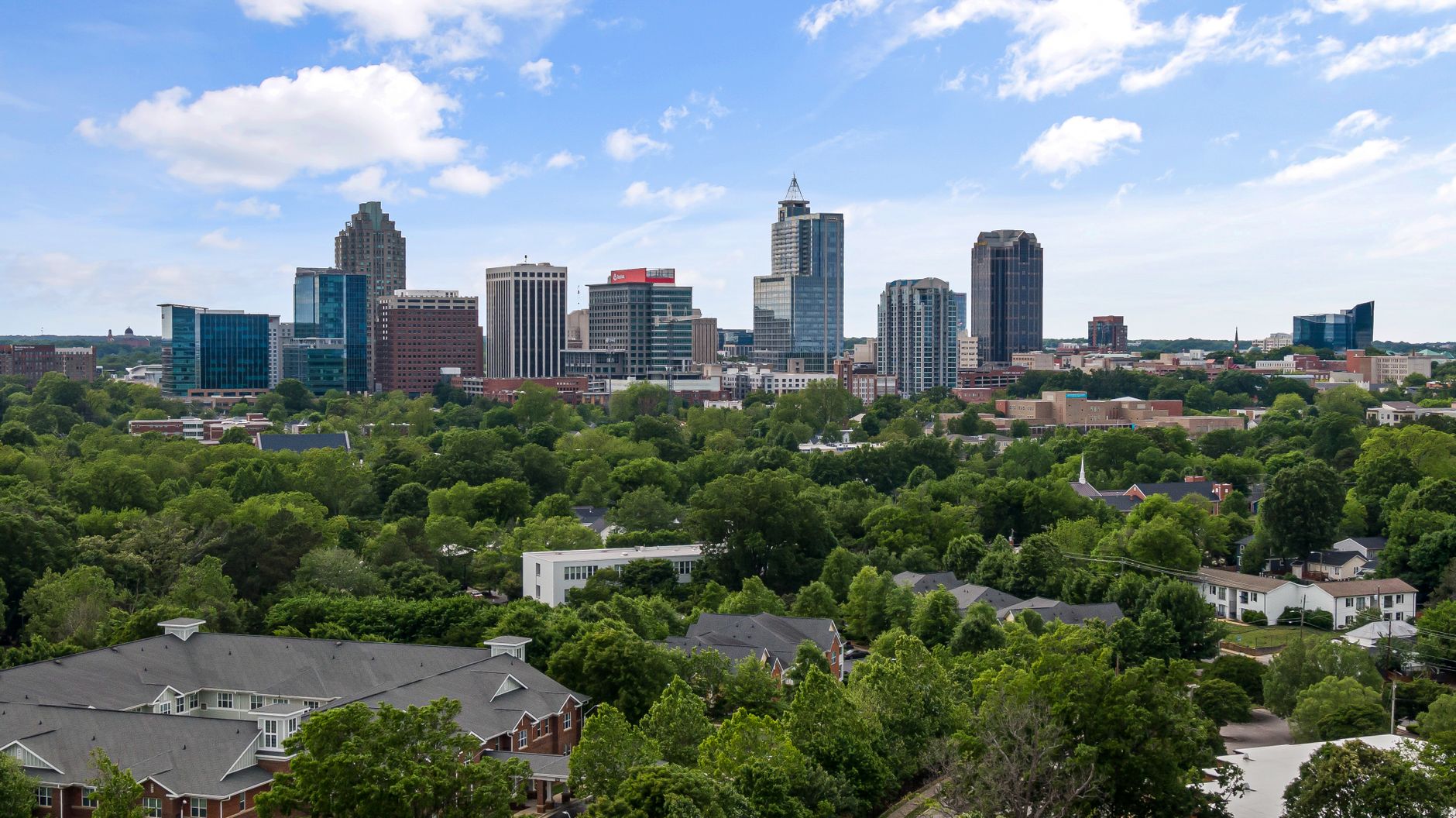
Fleet Options
For Charlotte to Raleigh, the right charter bus depends on headcount, baggage, and whether the group needs one vehicle or a small convoy. A full-size motor coach is the default for tours, teams, and corporate roadshows because it gives the best baggage capacity and the smoothest long-haul ride. Mini coaches and minibuses work when the group is smaller, the luggage is light, or the pickup and drop-off streets are tight. In Charlotte, curb space can be the real constraint at Uptown hotels and event streets, while Raleigh can be easier or harder depending on the venue and whether the coach has a legal staging lane.
| Vehicle | Seats | Best For | Notes |
|---|---|---|---|
| 56-passenger motor coach | 46-56 | Use this for the most common Charlotte to Raleigh charter bus work, especially sports teams, tours, and corporate roadshows. | Best cargo room for luggage, band cases, and team gear, with the most comfortable long-haul ride and restroom access. |
| 40-passenger motor coach | 36-40 | This fits mid-size groups that want a true motor coach without sending the largest unit on the market. | Still offers strong comfort and storage, but is a little easier to place at hotels and event curbs than a full-size coach. |
| 24-passenger mini coach | 20-24 | Use this when the group is smaller or the pickup in Charlotte or drop-off in Raleigh has limited curb room. | Good for lighter luggage loads and tighter street fit, with less underfloor cargo than a full-size motor coach. |
| 14-passenger executive Sprinter | 8-14 | This works for compact groups that value speed and flexibility more than luggage volume on a long-haul run. | Best for VIP shuttles, small roadshows, or airport-to-hotel transfers when the group wants a private cabin feel. |
Routing, Timing, and On-the-Road Realities
The cleanest Charlotte to Raleigh routing usually starts by getting the coach out of the pickup neighborhood first, then onto the interstate network that gives the fewest tight turns and the least downtown friction. From Charlotte, that often means using I-485 or a direct hotel departure to reach the main northbound corridor, then continuing toward Raleigh with the best live traffic choice for that day. Charlotte early-morning pickups can be easier than midday ones because downtown loading, hotel valet lanes, and SouthPark curb space are less chaotic before business traffic builds. For Raleigh arrivals, the driver should know whether the group is headed to downtown hotels, the convention district, NC State, or a venue near the arena complex so the unload lane can be matched to the coach length. A charter bus is easiest to manage when the drop is pre-cleared with the venue or hotel, especially if the motor coach needs parking off-site after unloading. Event days around college sports, concerts, and downtown festivals can make a simple curb drop take longer than the drive itself. In practice, the best Charlotte to Raleigh move is the one with the least on-street improvisation.
Driver-hours planning matters even on a corridor that is not especially long by highway standards. For passenger-carrying commercial drivers, the common federal framework is a 10-hour driving limit after 8 consecutive hours off duty, plus a 15-hour on-duty window that includes loading, fuel, inspections, and wait time. That means a charter bus leaving Charlotte in the morning can usually cover Raleigh and still have room for a same-day return if the itinerary is tight and the driver is not stuck waiting through a long event gap. Once the trip becomes a band tour, wedding block, or sports team with multiple stops, the schedule can quickly turn into a two-duty-period operation or require a hotel layover. A motor coach planner should always count the time spent staging at the Charlotte hotel, loading in SouthPark or Uptown, and unloading in Raleigh as real duty time. Friday and Sunday are the hardest windows because traffic on I-85, the connector roads, and the Raleigh approach can consume the buffer that looked comfortable on paper. The best habit is to quote the trip as if the bus will encounter normal congestion, because a long-haul coach that arrives on time only by speeding is not actually on time from an operations standpoint.
What This Typically Costs
Pricing for a Charlotte to Raleigh charter bus usually follows a day-rate or trip-rate model, not a simple per-mile quote. For a one-way move, most operators price in the deadhead back to the home yard, the actual mileage, driver labor, and any overnight hold if the motor coach does not return the same day. A round-trip charter bus often prices better on paper because the coach stays with the group, but it can still add a second driver day, fuel, and possible lodging if the return runs late. Seasonal spikes around Panthers games, college move-ins, wedding weekends, tournament travel, and concert dates in Charlotte or Raleigh can push rates up. Common line items include tolls if applicable, fuel adjustment, parking, driver gratuity, cleaning, and hotel rooms if the itinerary crosses a duty-hour boundary. For long-haul planners, the cleanest quote comes from a full itinerary with pickup time, drop-off time, and whether the motor coach must wait on site or return empty.
Frequently Asked Questions
What size bus do I need for Charlotte to Raleigh?
For most group planners, the best fit is a motor coach when the headcount is 35 or more, the luggage load is moderate to heavy, or the group wants one vehicle to stay together. A charter bus also makes sense for band tours and sports team travel because it handles cases, coolers, and rolling gear better than smaller equipment. Mini coaches and minibuses are common for tighter budgets, shorter manifests, or hotel-to-hotel movements. For Charlotte pickups, loading can be smoother at a SouthPark hotel or designated Uptown curb than on a narrow block near an event venue.
How long does Charlotte to Raleigh take by charter bus?
The standard fast path is generally along I-85 north from Charlotte, then across the Triangle approach toward Raleigh, with timing affected by the exact origin and destination. In real dispatch work, a one-way run usually lands in the three-hour range once you account for staging, passenger load time, and a rest stop if the group wants one. The road distance is commonly cited around 167 to 170 miles, though live routing and where the coach actually stages can shift that a bit. A charter bus is usually the least complicated choice if the group has luggage or wants a full-size restroom and underfloor storage.
Can one driver legally handle this trip?
A same-day Charlotte to Raleigh run can stay within federal hours-of-service limits if the day is planned cleanly, but the details matter. For passenger-carrying commercial drivers, the normal rule is a 10-hour driving limit after 8 consecutive hours off duty, plus a 15-hour on-duty window, so staging, loading, and delays all count. If the trip is only one-way, many operators can cover it with one driver, but a late event return or extra stops can push the schedule into a second duty period. For longer charters, dispatchers often build a buffer so the motor coach is not racing the clock on the way into Raleigh.
Where should the bus load in Charlotte?
Charlotte pickups usually work best at an Uptown hotel, a SouthPark hotel, or the CLT cell lot if the group is waiting on arriving passengers. A charter bus should avoid blindly entering tight hotel drives or loading zones without confirming curb length and overhead clearance. Around Charlotte, drivers may use I-485 to position around the city before heading north, especially if the pickup starts on the west or south side. The main issue is not distance; it is making sure the coach can stage without blocking traffic or getting trapped by low-clearance turns.
What is the best drop-off plan in Raleigh?
Raleigh drop-off planning depends on whether the group is going to downtown hotels, the Convention Center area, NC State events, or a venue with a strict bus lane. The safest setup is a pre-approved curbside unload with a second location for parking, because many urban destinations do not want a motor coach sitting at the door. For arenas, stadiums, and large campus events, the driver often drops the group, parks off-site, then returns for the pickup window. A charter bus that is not given a legal staging spot can burn time circling, so the final destination should be confirmed before departure.
Who usually books this route?
Typical long-haul users on this corridor include band tours, sports teams, corporate roadshows, wedding blocks, and family reunions. Charlotte and Raleigh both generate event traffic that makes a charter bus useful because a group can stay on one schedule instead of splitting into multiple cars. Corporate roadshows like bank visits, construction project meetings, and campus recruiting trips often use a motor coach when they have luggage, presentation materials, or a full-day itinerary. Wedding and reunion groups usually choose a charter bus for hotel transfers, rehearsal dinners, and late-night returns.
Is one-way cheaper than round-trip?
One-way pricing is usually quoted when the coach drops the group in Raleigh and the vehicle returns empty or goes on to another assignment. Round-trip pricing is usually better when the same motor coach stays with the group, waits between events, and comes back to Charlotte the same day or after a hotel stay. For long-haul work, round-trip service can still be more expensive overall if the itinerary requires overnight driver lodging or a second driver. The key difference is whether the operator is covering one movement or a full day of availability.
How to Book
To build a usable quote, have the dates, pickup address, headcount, luggage count, event timing, and whether the coach needs to wait or return empty. The fastest quotes usually come back within 4 business hours when the itinerary is complete and the pickup and drop-off points are realistic for a motor coach. The confirmation should spell out vehicle type, estimated runtime, stops, driver hours, and any overnight or parking requirements. For direct booking help, send the trip details through the quote request form or call dispatch with the full itinerary.
Related Trips You Might Also Consider
- Agriculture FFA/4-H — Midwest Region
- Mesa, AZ to Phoenix, AZ
- Bakersfield, CA to Las Vegas, NV
- Non-Profit Fundraiser — Midwest Region
- Wedding Guest Block — Mountain West Region
- Seattle, WA to Spokane, WA
- All Group Tour Destinations
- All Group Trip Types
- See the Full Fleet (Sprinters through 56-pax coaches)
- Get a Free Quote in 60 Seconds