
This corridor gets booked by band tours, sports teams, corporate roadshows, wedding blocks, and families that want one controlled move instead of piecing together cars.
Overview
San Diego to Los Angeles is one of the most common Southern California charter bus corridors because the trip links hotels, campuses, concerts, stadiums, and meeting space without forcing a flight connection. Band tours use it to move between San Diego load-ins and Los Angeles venues where production time is tight and gear is heavy. Sports teams book it for tournaments, scrimmages, and intercity competition, especially when the group needs one motor coach and a clean equipment plan. Corporate roadshows use the same charter bus lane when meetings are split between downtown San Diego, Orange County, and Los Angeles offices or hotels. Wedding blocks and family reunions use it when the group wants a single shared departure instead of managing parking and arrival windows separately. In practical dispatch terms, this is a corridor that behaves like a long-haul move even though the road mileage is moderate.
The route is usually sold as a point-to-point charter bus move with a focus on timing, not just distance. Most groups leave from a Gaslamp hotel, a Coronado resort, a La Jolla campus, or a suburban parking lot that can actually fit a motor coach. In Los Angeles, the drop may be a downtown hotel, a convention center, a stadium, a studio lot, or a venue with restricted curb access. That means the driver may need to stage away from the final destination and return later for pickup or reposition to legal parking. Groups that underestimate that parking piece usually run into delays, especially when the motor coach arrives during event traffic. This is why the best San Diego to Los Angeles charter bus quotes always include the exact venue, not just the city name.
The customer profile on this lane is usually organized and time-sensitive rather than casual. Tour managers, wedding planners, athletic directors, office admins, and family coordinators are the people most often booking the charter bus. They want one vehicle, one driver plan, and no surprises at loading time. The vehicle mix changes with the group, but the logic stays the same: keep the luggage load reasonable, keep the curb access legal, and keep the timing realistic. A smaller mini coach can be the right answer for a boutique group, but a larger motor coach is usually the safer choice once bags, instruments, or team gear come into play. For San Diego to Los Angeles, the best bookings are the ones that are planned like long-haul operations even when the run is only a few hours on the road.
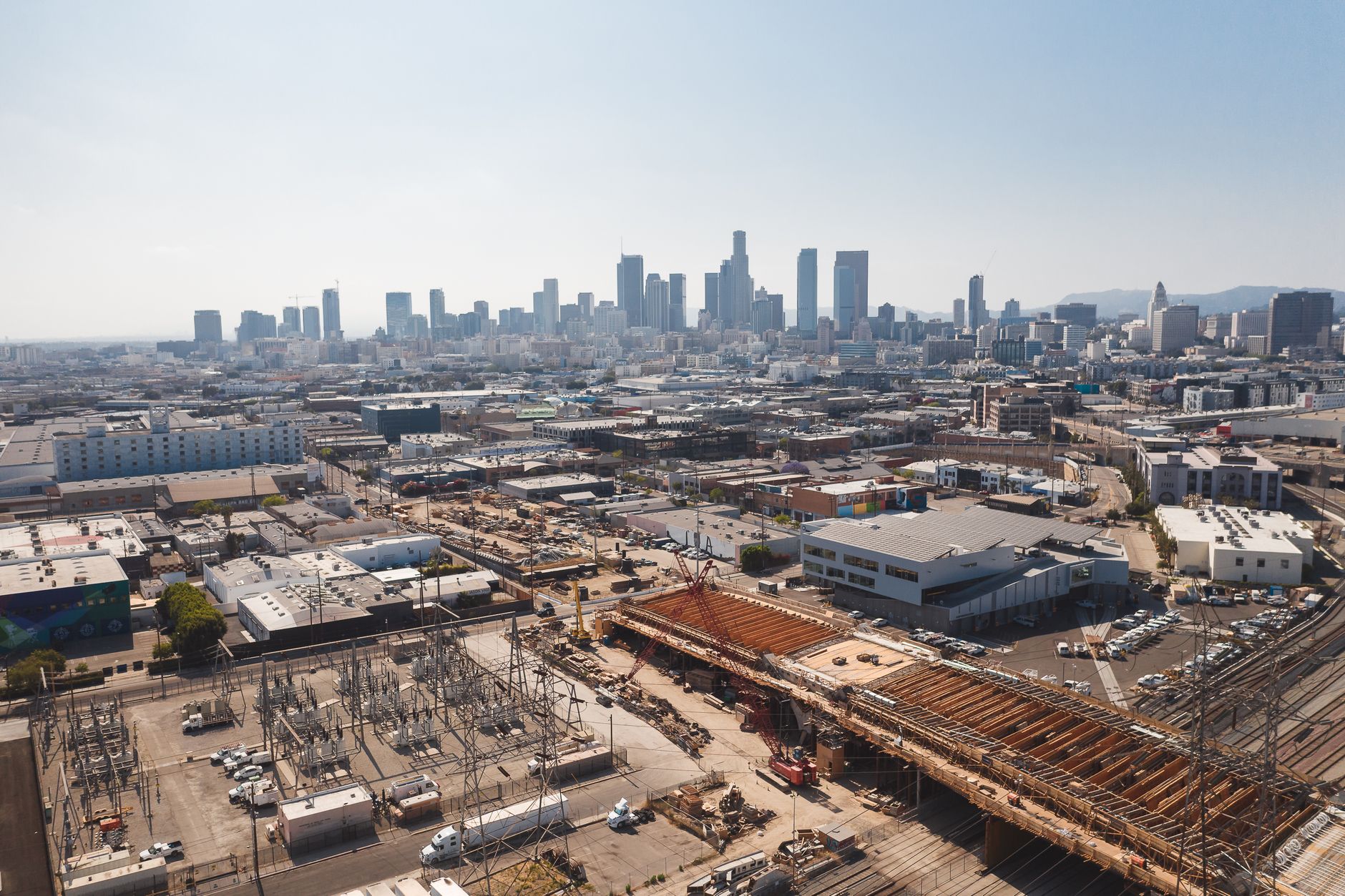
Fleet Options
For San Diego to Los Angeles, the right vehicle depends on whether the priority is seat count, luggage, or access at the pickup and drop. A full-size motor coach is the default for band tours, sports teams, and larger corporate roadshows because it handles baggage well and rides better on a long-haul corridor. Mini coaches and mini buses fit smaller wedding blocks, executive moves, and groups that need easier access at hotels, campuses, or resort drives. Executive Sprinters work when the group is small and the trip needs a higher-touch ride, but they are not the best answer when luggage is heavy or the day turns into a true long-haul schedule. The best fit is the one that can load cleanly in San Diego, fit legally at the Los Angeles drop, and carry the group without forcing a second vehicle.
| Vehicle | Seats | Best For | Notes |
|---|---|---|---|
| 56-seat motor coach | 50-56 | Use this for full-size touring groups, school travel, sports teams, and bigger wedding or reunion blocks that want everyone on one coach. | Best for larger San Diego to Los Angeles groups with luggage, coolers, band cases, or sports gear. It is the most efficient long-haul charter bus option when the schedule is clear and the curb space is manageable. |
| 40-44 seat motor coach | 40-44 | Use this for corporate roadshows, mid-size tour legs, and groups that want coach comfort without filling every seat. | A strong middle-ground charter bus when the headcount is below a full coach but cargo still matters. It is easier to place than the largest coach and still has proper baggage space for a long-haul day. |
| Mini coach | 24-38 | Use this for smaller San Diego pickup groups, boutique weddings, and business travel with moderate luggage. | Good for hotel-to-hotel transfers, campus moves, or Los Angeles drops where a full-size coach would be awkward. Cargo is more limited than a motor coach, so pack light or plan supplemental storage. |
| Executive Sprinter | 8-14 | Use this for leadership teams, talent transport, or small family groups that value flexibility over capacity. | Best for small VIP groups that want quick boarding and a tighter footprint in San Diego or Los Angeles. Luggage space is limited, so it works best when the itinerary is light and the move is more executive than touring. |
Routing, Timing, and On-the-Road Realities
The normal routing spine is north on I-5 from San Diego toward Los Angeles, with the exact path shifting based on pickup point, time of day, and where the drop sits in Los Angeles. A morning departure from San Diego usually gives the cleanest shot at avoiding the heaviest commuter pressure, while a late-night return can be easier if the group is moving after a game or show. Midday departures can get trapped by Orange County and South Bay congestion, especially when the charter bus hits the corridor near Irvine, Anaheim, or the inland connector network. For a long-haul style move, dispatchers often build in extra time for bathroom breaks, loading delays, and venue gate checks. That time cushion matters more than people expect because a 120-mile trip can still act like a much longer run once traffic starts stacking up. The practical rule is to plan the San Diego pickup like a departure window, not a curbside guess.
On the Los Angeles end, the bus should have a real plan for unloading and parking before it ever leaves San Diego. Hotels in downtown Los Angeles, Hollywood, and near the convention core often need advance notice for a coach arrival, and stadium or arena drops may require a specific gate or staging zone. If the venue cannot hold the motor coach, the driver needs instructions for remote parking and a return call time so the group is not left standing on the curb. San Diego staging is similar: Gaslamp, Coronado, and La Jolla all work, but only if the pickup location can handle a large vehicle without blocking traffic. A charter bus that has to circle the block, back into a narrow curb lane, or wait for valet to move cars will burn time fast. For long-haul discipline, the best run sheet names the exact curb, lot, or coach entrance on both ends.
What This Typically Costs
Pricing for a San Diego to Los Angeles charter bus usually follows a simple structure: a minimum service window, deadhead to the origin, live mileage, driver time, and any overnight if the trip turns into a long-haul multi-day move. For a one-way day trip, most quotes are built as a half-day or full-day charter with mileage, while round-trip service often prices better if the coach stays with the group and returns the same day or after a short layover. Costs climb when the San Diego pickup is far from the depot, when the Los Angeles drop requires extra staging time, or when the bus must deadhead back empty. Seasonal peaks, big convention weeks, and concert or game dates in Los Angeles can push rates higher, especially if a second driver or overnight lodging is needed. Common line items include tolls where applicable, parking, driver gratuity, fuel adjustment, and hotel rooms if the itinerary turns into a true long-haul overnight schedule. In most markets this corridor is not priced like a short shuttle; it is usually treated as a corridor charter with enough time and mileage to feel like a long-haul assignment.
Frequently Asked Questions
What types of groups book this route most often?
For band tours, the San Diego to Los Angeles charter bus usually works as a corridor hop between venues, rehearsal spaces, and hotels. Groups moving gear often prefer a motor coach with underfloor bays and a clean load plan so stage cases do not eat up cabin space. The same run is common for sports team travel, especially for youth clubs, college programs, and pro or semi-pro teams moving between San Diego and Los Angeles facilities. Corporate roadshows use this route when meetings, site visits, or client events are spread across both markets and the itinerary needs to stay together. Family reunions and wedding blocks book it when the group wants one controlled move instead of multiple rideshares or rental cars.
How far is San Diego from Los Angeles by charter bus?
The most common distance planners use for San Diego to Los Angeles is about 120 to 125 road miles, depending on the exact pickup and drop. Real-world run time is usually about 2 to 3 and a half hours, but traffic can stretch a daytime charter bus trip much longer. I-5 is the normal northbound spine, with some trips using connector routes near Orange County or the airport area. When the schedule is tight, dispatchers usually plan a morning departure from San Diego or a late evening move into Los Angeles to avoid the worst corridor congestion. For a long-haul style group move, that extra buffer matters more than the map mileage.
Do driver-hours rules affect this trip?
Passenger-carrying drivers are generally limited to 10 hours of driving after 8 consecutive hours off duty, and they cannot drive after 15 hours on duty following that off-duty break. They also have weekly duty limits that commonly run 60 hours in 7 consecutive days or 70 hours in 8 consecutive days, depending on carrier operation. On a San Diego to Los Angeles day trip, a single driver can usually handle the route itself, but the full duty clock includes pre-trip, staging, loading, traffic delays, and layover time. That means an apparently short charter bus run can still become a long-haul day if the group adds hotel stops, extra pickups, or late-night returns. Good planning keeps the driver legal before the bus ever leaves San Diego.
Where should the bus pick up in San Diego?
In San Diego, the cleanest pickup points are usually hotel loading zones, convention hotel curbs, campus bus loops, resort motor courts, or a private lot with enough turning room for a motor coach. Gaslamp hotels work best when the bus can stage off-street and load fast, because curb time downtown is limited and traffic around the district can back up quickly. Coronado resort pickups need attention to lane width, guest traffic, and any local restrictions on idling or staging. La Jolla campus moves are usually straightforward if the group has a reserved coach loop or parking plan, but narrow streets and hillside access can create problems for larger charter bus equipment. The rule in San Diego is simple: give the operator a legal staging space and avoid last-minute curbside improvisation.
What happens on the Los Angeles drop-off side?
Los Angeles drop-offs work best when the destination has a coach lot, valet coordination, or a loading plan that avoids downtown congestion and school-zone style curb conflicts. Convention centers, hotel porte-cocheres, stadiums, and entertainment venues often have strict timing windows, and the charter bus may need to unload and deadhead to remote parking. For venues near downtown Los Angeles, Hollywood, or the Westside, the driver may have to stage away from the final stop and return at a set time for pickup. That is normal on a long-haul corridor like San Diego to Los Angeles, but it needs to be scheduled in advance. Without a parking plan, the motor coach can end up circling while the group waits.
What vehicle fits best for this route?
A typical mix for this corridor is a 56-seat motor coach for larger groups, a 40 to 44-seat motor coach for mid-size travel, a mini coach for tighter hotel or campus access, a mini bus for smaller wedding or corporate groups, and an executive Sprinter for VIP or small team moves. If luggage, instruments, or event gear is heavy, a full-size charter bus or motor coach is usually the safest choice. If the San Diego pickup or Los Angeles drop has narrow turns, low garages, or tight hotel drives, smaller equipment can save time and reduce curb headaches. For band tours and sports teams, the vehicle choice usually comes down to cargo volume first and seating second. For family reunions or wedding blocks, comfort and easy boarding often matter more than maximum seats.
Should I book one-way or round-trip service?
One-way pricing usually makes sense when the group is finishing in Los Angeles, continuing to another city, or moving into a multi-day long-haul schedule. Round-trip pricing can be better when the bus is retained for the full itinerary and the return is predictable, because the operator can plan the driver day, fuel, and deadhead more efficiently. If the coach must stay overnight in Los Angeles, expect lodging to be built into the quote. If the bus has to deadhead back to San Diego empty, that return mileage still affects the price. The most efficient plans are the ones where the charter bus stays busy and the driver can work a clean duty cycle.
How to Book
To get a quote on a San Diego to Los Angeles charter bus, have the pickup address, drop address, dates, headcount, luggage notes, and full itinerary ready before you call. The best quotes come from exact staging details in San Diego and a clear Los Angeles unload plan, especially if the bus needs to park away from the venue. Most responses can be turned around within 4 business hours once the schedule is clear. Your confirmation should show the vehicle type, service window, route assumptions, and any expected extras such as overnight lodging or deadhead mileage. Reach us with the complete run sheet and we can size the motor coach, check long-haul timing, and lock the reservation.
Related Trips You Might Also Consider
- Wedding Guest Block — South Central Region
- Nashville, TN to Louisville, KY
- Dallas, TX to Oklahoma City, OK
- Kansas City, MO to Omaha, NE
- Minneapolis, MN to Milwaukee, WI
- Charlotte, NC to Nashville, TN
- All Group Tour Destinations
- All Group Trip Types
- See the Full Fleet (Sprinters through 56-pax coaches)
- Get a Free Quote in 60 Seconds