
A 24-Passenger Mini Bus fits small escorted tours, executive retreats, and first-class-only groups headed to Arches.
Overview
An Arches group tour is usually built around Moab, not an overnight inside Arches National Park. Moab gives the group access to hotels, restaurants, fuel, and the US-191 approach to the park, while Green River or Grand Junction can serve as fallback staging when Moab inventory is tight. Denver and Colorado Front Range groups commonly use I-70 through Grand Junction, sometimes adding Colorado National Monument if the first day has enough daylight and driver duty margin. Salt Lake City groups generally use US-6 through Price before reaching Moab. Las Vegas and Phoenix departures need more road time and often justify an extra overnight or a split itinerary rather than compressing the entire trip into a weekend.
Arches planning changes with the season and the event calendar. March through May and September through October generally offer better hiking conditions than midsummer, but May, holiday weekends, and major Moab events can fill hotels and parking areas quickly. July and August require earlier starts, larger water planning, and realistic expectations about exposed trails and afternoon heat. Winter can reduce crowds and rates, but weather, short daylight, and reduced services need to be checked before dispatch. A multi-day group tour should also account for nearby demand from Canyonlands visitors, mountain-bike groups, Jeep events, wedding parties, and corporate retreats that compete for the same Moab lodging and charter inventory.
The park itinerary must follow the commercial operator's authorization and current National Park Service conditions, not a private-car wish list. Commercial buses may be directed to specific oversized spaces and loading zones, with locations such as the Visitor Center, Courthouse Towers, Balanced Rock, Windows and Double Arch, Delicate Arch viewpoints, Wolfe Ranch oversize parking, and Devils Garden available under applicable conditions. Park Avenue, Salt Valley Overlook, Fiery Furnace Viewpoint, and Sand Dune Arch may not be available to commercial buses under those conditions. A motor coach or 24-Passenger Mini Bus cannot double-park, block the road, or wait indefinitely for scattered passengers. The dispatcher should issue the driver a stop-by-stop manifest and verify current rules before the departure date.
Fleet Options
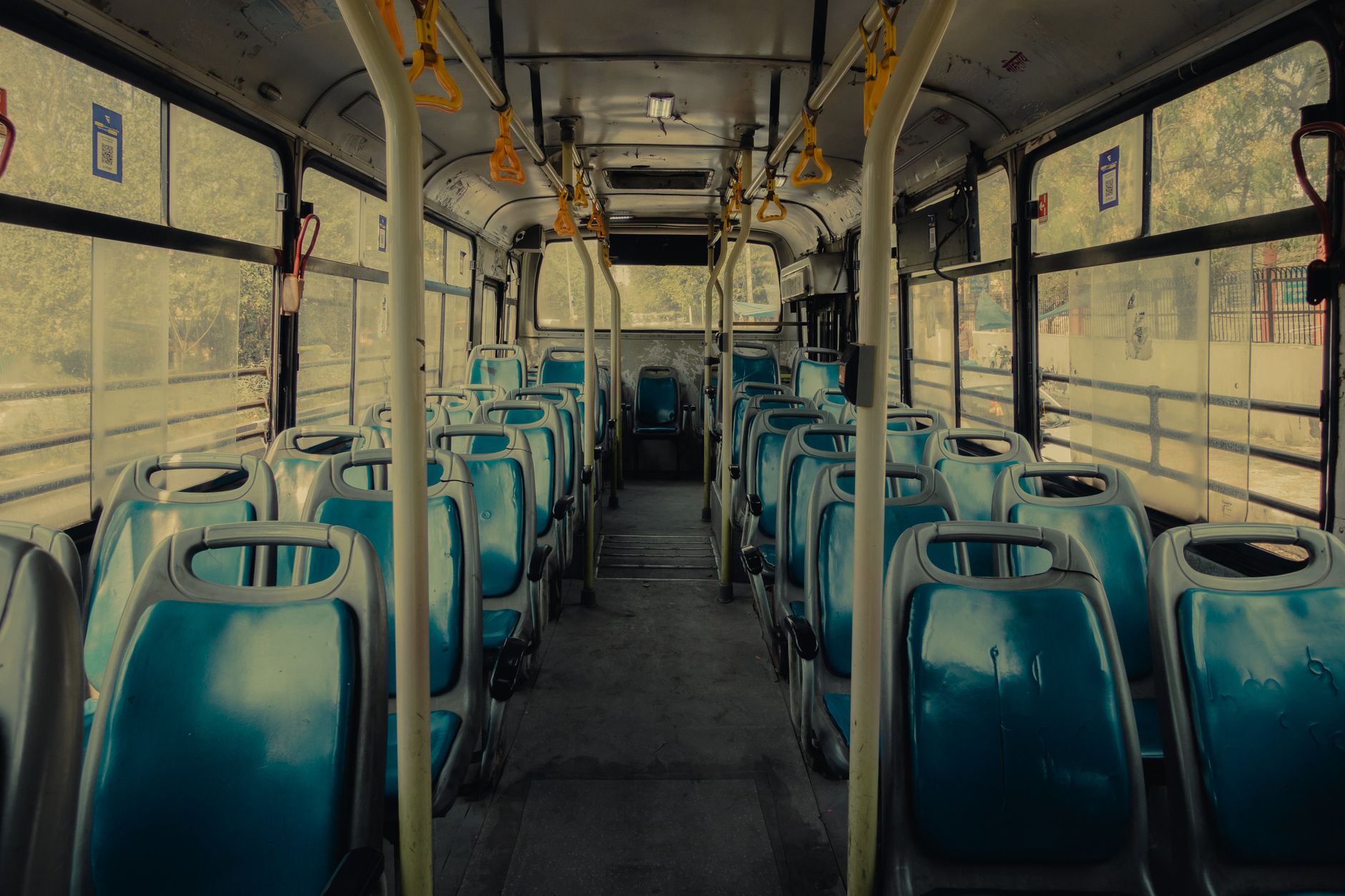
A 24-Passenger Mini Bus is a good match for a compact group tour when the headcount is near 24 and passengers want coach-style seating without a full-size motor coach. It works particularly well for executive retreats, alumni groups, family tours, and first-class-only groups with moderate soft luggage. Cargo usually rides in a rear compartment or roof storage, so a bag count and equipment list are necessary before confirming capacity. If everyone brings large suitcases, coolers, mobility devices, or hiking gear, a larger motor coach or a second vehicle may be more practical. The smaller footprint helps with hotel approaches and regional attractions, but Arches still requires legal oversized parking and does not allow the driver to wait in travel lanes.
| Vehicle | Seats | Best For | Notes |
|---|---|---|---|
| 24-Passenger Mini Bus | Up to 24 passengers | Choose it for an executive retreat, small escorted tour, or first-class-only group that wants one comfortable vehicle and has moderate luggage. | Compact mini bus with coach-style seats and rear or roof luggage capacity; ideal for a polished small-group trip but dependent on a realistic baggage count. |
| 30- to 36-Passenger Mini Coach | 30-36 passengers | Use it when the roster may grow beyond 24 or the group carries substantial luggage, coolers, or outdoor equipment. | Provides additional seat and cargo margin without the full footprint of a large motor coach, though Arches parking and commercial conditions still apply. |
| 40- to 56-Passenger Motor Coach | 40-56 passengers | Select it for a larger multi-day group or a long-distance charter where luggage volume and highway comfort outweigh compact access. | Offers more underfloor luggage and onboard comfort for larger groups, but requires stricter hotel access checks and careful bus-space planning at Arches. |
| Executive Sprinter | 10-14 passengers | Use it for a leadership subgroup, airport transfer, or split itinerary rather than a single 24-passenger group tour. | Best for a smaller premium party with limited luggage; its lower capacity can make seat assignments and hotel access easy but may require multiple vehicles for a 24-person roster. |
Routing, Timing, and On-the-Road Realities
For a Denver-origin group tour, an early pickup supports the I-70 run toward Grand Junction, with fuel and meal planning before the final US-191 approach to Moab. A first-day stop at Colorado National Monument can work, but only when the group accepts a later Moab arrival and the driver has enough legal duty margin. Salt Lake City departures usually take US-6 toward Price, where a planned restroom or meal stop is more reliable than relying on a busy scenic pullout. Las Vegas and Phoenix runs are longer and should be evaluated as four- or five-day movements, with a relief or overnight staging option when the return drive would exceed the driver's available hours. On park days, schedule the Arches entrance and first trailhead before the late-morning buildup, especially on weekends and holidays. Keep the bus with the group only where legal bus spaces exist; the driver should not use a general passenger-car lot as a waiting area.
Driver hours are a dispatch constraint, not a detail to solve at the curb. The applicable federal hours-of-service rules generally limit property-carrying commercial drivers to defined on-duty and driving windows, require a qualifying off-duty break, and require a longer daily reset; the carrier must apply the rule set that matches its operation and vehicle classification. A long travel day into Moab followed by a full Arches loop can exceed a safe single-driver plan even when the route looks short on a map. Build hotel check-in, fueling, passenger loading, meal stops, and traffic delays into the duty calculation. Arches road traffic, limited parking, and passenger regrouping can turn a nominal viewpoint stop into a longer operational block. For a multi-day charter, confirm the driver's overnight room, bus parking, relief-driver need, and next-day report time before publishing the passenger itinerary.
What This Typically Costs
A 24-Passenger Mini Bus quote is usually built from a daily vehicle minimum, mileage, and any deadhead required to bring the bus and driver to the pickup city. A multi-day Arches group tour commonly carries a daily minimum even on short local days, while long approaches from Denver, Salt Lake City, Las Vegas, Phoenix, or another origin add loaded and empty miles. Seasonal peaks in spring, fall, holiday weeks, and major Moab event periods can tighten equipment supply and increase rates. Budget separately for driver lodging, parking, tolls where applicable, park or commercial-use charges, and any fuel adjustment written into the charter agreement. Driver gratuity is commonly handled as a separate customer line item rather than included in the base rate. The final cost depends on routing, duty-hour relief, hotel location, luggage volume, and whether the 24-Passenger Mini Bus remains with the group between Arches touring days.
Frequently Asked Questions
How many days should a 24-Passenger Mini Bus group tour to Arches take?
For a practical group tour, plan on three to five days from a regional pickup point, with four days working well for Denver, Salt Lake City, Las Vegas, or Phoenix origins. Day 1 is primarily travel and a Moab-area arrival, while Days 2 and 3 cover Arches and nearby stops without forcing the driver into an unsafe turnaround. A longer multi-day schedule is appropriate when the itinerary includes Canyonlands, Dead Horse Point, Colorado National Monument, Monument Valley, or a return drive to a distant origin. A 24-Passenger Mini Bus can remain staged in Moab for local touring, but the driver still needs a legal rest period between duty blocks.
What are the best months for an Arches group tour?
The most comfortable operating windows are generally March through May and September through October, when daytime temperatures are more manageable than midsummer and services are broadly available. May and holiday weekends can create heavy entrance lines, full hotels, and scarce parking. July and August bring heat that can shorten hikes and increase water and shade requirements, even when the bus itself is air-conditioned. November through February is quieter and can price better, but verify weather, road conditions, reduced lodging inventory, and the availability of seasonal activities. For any multi-day booking, confirm current National Park Service access rules before finalizing the schedule.
Does a 24-Passenger Mini Bus need a permit at Arches?
A commercial operator needs the applicable National Park Service Commercial Use Authorization on board and available at the entrance station when conducting business in Arches. The authorization and its activity conditions control where a motor coach or 24-Passenger Mini Bus may park, load, unload, and conduct the tour. Current commercial conditions identify authorized locations such as the Visitor Center, Courthouse Towers, Balanced Rock, Windows and Double Arch, Delicate Arch viewpoints, Wolfe Ranch oversize parking, and Devils Garden. Buses must use legal bus or oversized spaces, and loading or unloading is limited to designated zones and short dwell times. The broker should confirm the operator holds the correct authorization rather than assuming an ordinary entrance pass covers commercial service.
Where can a motor coach park inside Arches?
A 24-Passenger Mini Bus should use the park's signed road network and approved oversized parking areas rather than improvising at crowded trailheads. Arches has limited parking at popular destinations, and a bus cannot block traffic while waiting for passengers. Wolfe Ranch uses an oversize lot opposite the main lot, while the Windows and Double Arch area has designated bus parking. Park Avenue, Salt Valley Overlook, Fiery Furnace Viewpoint, and Sand Dune Arch are examples of locations where commercial bus stopping or parking may be prohibited under applicable conditions. The driver should receive the approved stop list and avoid promising every viewpoint shown on a private-car itinerary.
What does a realistic Arches group tour itinerary look like?
A practical first day from Denver or the Front Range may include an early pickup, the I-70 corridor through Grand Junction, a brief Colorado National Monument stop if duty time and daylight allow, and an evening arrival in Moab. From Salt Lake City, the route commonly uses US-6 and US-191 through Price, with a fuel and meal stop planned before Moab. Las Vegas or Phoenix groups generally need a longer first travel day and may be better served by an overnight staging stop or a four-to-five-day schedule. Days 2 and 3 can separate Arches north and south sections, using the Visitor Center, La Sal Mountains Viewpoint, Courthouse Towers, Balanced Rock, Windows and Double Arch, Delicate Arch viewpoints, and Devils Garden as permitted. Build water, restroom, meal, and photo stops into the manifest instead of treating them as unplanned breaks.
Where should a 24-Passenger Mini Bus group stay near Arches?
The best lodging base is usually Moab because it provides the shortest practical approach to Arches and access to hotels, restaurants, fuel, and vehicle services. Book a property with a confirmed bus approach, a legal overnight parking arrangement, adequate turning space, and a driver room when the driver remains with the trip. Downtown Moab hotels can have tight parking, narrow access points, or limited bus staging, so the exact property matters more than its listed room count. A group may also stage in Green River or Grand Junction when inventory in Moab is full, but that adds early highway time and reduces the usable park day. For spring, fall, holiday weekends, and Jeep Safari or similar event periods, reserve rooms and bus parking well ahead.
What fits well in a 24-Passenger Mini Bus?
The 24-Passenger Mini Bus is a compact mini bus with coach-style seats, suited to small tours, executive retreats, and first-class-only groups that value a consistent cabin over maximum capacity. It normally carries luggage in a rear compartment or roof-mounted storage, but large hard cases, coolers, hiking equipment, and multi-night baggage can consume space quickly. A full 24 passengers with substantial luggage may require a luggage count, soft-bag policy, trailer review, or a larger motor coach. The compact footprint helps at hotels and regional attractions, but it does not eliminate Arches oversize parking rules or trailhead capacity limits. Confirm accessibility needs, child seats, water coolers, and whether passengers expect restroom service before assigning the vehicle.
How to Book
To quote this multi-day trip, provide travel dates, pickup address, passenger count, luggage expectations, hotel needs, and every planned stop or park activity. Include whether the group wants Arches only or also Canyonlands, Dead Horse Point, Monument Valley, Colorado National Monument, or another corridor stop. US Bus Trips can typically return a realistic quote within 4 business hours once the routing and dates are complete. Confirmation should identify the vehicle class, pickup and return details, driver arrangements, estimated mileage, applicable park or commercial requirements, inclusions, exclusions, and payment terms; contact US Bus Trips with the itinerary rather than relying on a generic day-rate estimate.
Related Trips You Might Also Consider
- Poconos — 24-Passenger Mini Bus
- Wedding Guest Block — Northeast Region
- Charlotte, NC to Nashville, TN
- Aurora, CO to Colorado Springs, CO
- Choir Competition — Mid-Atlantic Region
- Non-Profit Fundraiser — South Central Region
- Cross-Country Charter Bus Overview
- All Group Trip Types
- See the Full Fleet (Sprinters through 56-pax coaches)
- Get a Free Quote in 60 Seconds