
A Boston Freedom Trail group tour works well for schools, alumni groups, senior organizations, and private groups traveling together from the Northeast or farther away.
Overview
A Boston Freedom Trail group tour is usually booked by school groups, historical societies, alumni organizations, churches, senior travel programs, and private groups that want one vehicle for a coordinated multi-day schedule. A 36-Passenger Mini Coach is suited to a full medium-size roster traveling from New York, Philadelphia, Hartford, Providence, Albany, or farther away, especially when a 56-passenger motor coach would be excessive. The historic route is not a closed campus with a dedicated tour-bus loop; it crosses public streets, sidewalks, historic grounds, and active commercial blocks. That means the itinerary must separate walking time from coach movement and must identify where passengers will load, unload, and regroup. The Boston Common Visitor Information Center area is a logical orientation point, but the vehicle still needs a legal curb plan and a separate parking solution. Groups should also account for hills, cobblestones, brick sidewalks, uneven terrain, and the distance between the central route and Charlestown.
A realistic multi-day plan often uses day 1 for the long approach, a meal or light orientation stop, and hotel check-in rather than attempting the entire Boston Freedom Trail after hours on the highway. Day 2 can focus on the central trail, including Boston Common, the State House area, Old South Meeting House, Old State House, Faneuil Hall, Paul Revere House, Old North Church, and Copp's Hill, with timed entries confirmed in advance. Day 3 can cover the Charlestown Navy Yard, USS Constitution area, a museum visit, or a regional extension such as Lexington and Concord before departure. The 36-Passenger Mini Coach can reposition between neighborhoods, but it should not be expected to wait curbside all day in the historic core. Freedom Trail Foundation public tours have a maximum of 10 attendees per tour, so a 36-person group needs prearranged group-tour capacity or a planned split into smaller walking parties. Event weekends, school calendars, convention traffic, roadwork, and baseball or concert activity can alter downtown travel times and hotel availability.
Lodging is often easier to operate from the Seaport, Back Bay edge, Cambridge, Somerville, Brookline, Logan-area hotels, or other locations near major highway approaches than from a property embedded in the oldest downtown blocks. The right hotel is not just the one closest to the trail; it is the one that confirms coach access, a loading window, overnight parking, luggage handling, and a usable driveway or curb. Routes commonly use Interstate 90, Interstate 93, Route 128, Route 9, Route 1, and regional Connecticut or New York approaches, with congestion concentrated around the Massachusetts Turnpike, the Southeast Expressway, the Ted Williams Tunnel, the Sumner Tunnel, and downtown approaches. A group traveling from the west should expect schedule risk around morning inbound traffic and should avoid promising a tight same-day arrival for a timed tour. A 36-Passenger Mini Coach helps with turning and hotel access, but its height, length, and luggage bays still make it a commercial vehicle that needs advance routing. A complete quote should state whether the bus parks at the hotel, uses an off-site facility, or returns to a carrier yard between service days.
Fleet Options
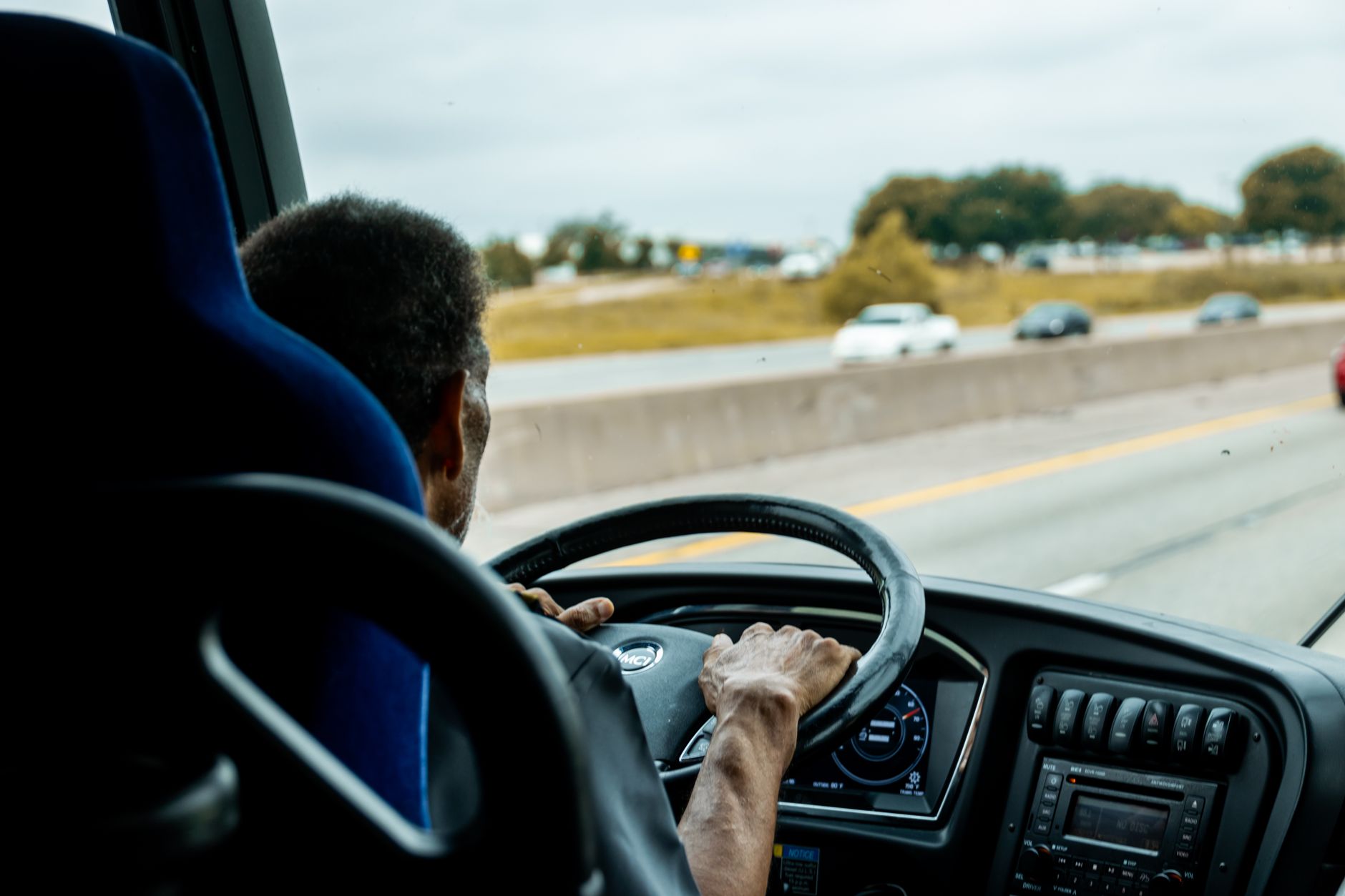
For 36 travelers, a 36-Passenger Mini Coach usually balances capacity, comfort, and Boston street access better than either a 24-passenger shuttle or a full-size motor coach. It is a mid-size coach with a high floor, luggage bays, and coach-style seats, making it suitable for a medium group where a 56 is too big and a 24 is too small. Confirm the actual seat count, luggage volume, wheelchair needs, and driver equipment before assigning the vehicle. Boston's tight historic streets, regulated curb space, and limited coach parking favor a vehicle that can load efficiently and avoid unnecessary circulation.
| Vehicle | Seats | Best For | Notes |
|---|---|---|---|
| 36-Passenger Mini Coach | Up to 36 passengers | Use when the group is near full capacity and needs comfortable regional travel, hotel transfers, and luggage storage without a full-size coach. | Mid-size high-floor coach with coach-style seats and luggage bays; best balance for a 36-person group, though downtown unloading and parking still require a plan. |
| 24-Passenger Mini Bus | Approximately 18-24 passengers | Use for a smaller branch of the group, a secondary shuttle, or a trip where the confirmed headcount falls well below 30. | More maneuverable on narrow approaches and useful for smaller luggage loads, but it requires splitting or reducing a full 36-person group. |
| 56-Passenger Motor Coach | Approximately forty-eight to 56 passengers | Use when the roster may grow, luggage is unusually heavy, or multiple groups are being consolidated into one vehicle. | Offers more seats and larger luggage capacity but has a wider turning envelope, greater curb and parking constraints, and may be inefficient for a 36-person load. |
| Executive Sprinter | Approximately 10-14 passengers | Use for a small executive subgroup, airport liaison, or support run rather than the main Boston Freedom Trail group tour. | Useful for an escort, staff vehicle, or small overflow movement, but limited luggage and passenger capacity make it unsuitable as the primary vehicle for 36 people. |
Routing, Timing, and On-the-Road Realities
For a Boston Freedom Trail group tour, pickup timing should be built around the origin market and the first scheduled admission, not simply the distance shown on a map. A New York, northern New Jersey, Philadelphia, or Washington departure may use I-95 and I-295 or I-95 corridors, while western New England groups may approach via I-90, I-91, I-93, or Route 128. Morning arrivals can be delayed by Connecticut shoreline traffic, the Massachusetts Turnpike, the Southeast Expressway, tunnel approaches, and downtown delivery activity. The bus should reach a planned unloading point with enough margin for passenger release, restroom needs, and the walk to Boston Common or another first venue. The driver needs a separate parking instruction because curbside unloading does not authorize extended waiting. During school, convention, concert, parade, or sports-event periods, the dispatcher should build more recovery time and confirm temporary traffic restrictions before sending the final directions.
The central trail is best handled as a walking block with prearranged loading at the end, while the motor coach remains parked or relocates only when the driver can do so legally and without breaking the schedule. Boston Common Parking Garage is identified by the Freedom Trail Foundation as a recommended option for starting near Boston Common, but a 36-Passenger Mini Coach may not fit every garage, so vehicle dimensions and commercial-vehicle acceptance must be confirmed before relying on it. Charlestown and the USS Constitution area require a separate plan because the group may finish far from its initial drop-off point and site access can change with Navy Yard, construction, or event controls. Driver on-duty time includes waiting, loading, parking searches, and hotel movements, not just highway miles. Federal passenger-carrier rules generally allow up to 10 hours of driving after 8 consecutive hours off duty and no more than 15 hours on duty, with weekly limits also applying. If the first travel day consumes most of the driver's window, the next day's sightseeing hours may require a new driver shift, a second driver, or a reduced schedule.
What This Typically Costs
A Boston Freedom Trail group tour using a 36-Passenger Mini Coach is usually quoted from several cost components rather than a single flat fare. Most carriers apply a daily minimum, then price loaded miles, repositioning, tolls, and any deadhead miles from the vehicle's home market; a multi-day trip commonly runs a few thousand dollars per day in many markets, with the final range changing by season and origin. Spring school travel, summer weekends, fall foliage, convention dates, and major Boston events can create peak pricing or limited availability. Driver overnight lodging, parking, meals or per diem, and a second driver when the schedule exceeds legal limits should be shown separately or clearly included. Fuel adjustments, tolls on the Massachusetts Turnpike and other Northeast corridors, and venue parking are common line items. Driver gratuity is normally separate and is commonly budgeted as a percentage or a per-day amount, while exact pricing depends on dates, pickup market, mileage, and the confirmed itinerary.
Frequently Asked Questions
Is a 36-Passenger Mini Coach the right vehicle for 36 people in Boston?
A 36-Passenger Mini Coach is a strong fit for 36 travelers because it provides coach-style seating, a high floor, and underfloor luggage capacity without the footprint of a full-size 56-passenger motor coach. It works well for hotel transfers, regional airport arrivals, and a multi-day group tour carrying rolling bags and day luggage. Boston's older streets, curb restrictions, tight hotel approaches, and limited bus staging make a smaller coach easier to position than a 56. Capacity is not unlimited, so large suitcases, coolers, mobility equipment, or extensive tour supplies should be disclosed before quoting.
How many days should a Boston Freedom Trail group tour take?
Plan at least three days for a practical Boston Freedom Trail group tour from a nearby Northeast origin, and four or more days when the group is traveling from the Mid-Atlantic, Midwest, or Southeast. Day 1 should cover travel, hotel check-in, and a light first stop rather than a full walking program after a long drive. Days 2 and 3 can handle the central Freedom Trail, historic sites, Charlestown Navy Yard, and related attractions with realistic walking breaks. A longer multi-day plan can add Cambridge, the USS Constitution area, Lexington and Concord, or Salem without forcing every stop into one day.
What are the best months to visit the Boston Freedom Trail?
April through June and September through October usually offer the best operating balance for a Boston Freedom Trail group tour. Spring and fall often provide more comfortable walking conditions than midsummer, though school groups, conventions, college events, and weekend demand can tighten hotel and coach availability. July and August support long daylight hours but bring heat, crowds, construction, and heavier downtown curb pressure. Winter can lower demand, but snow, freezing conditions, shorter daylight, and weather-related road delays require a flexible itinerary and indoor backup stops.
What is a realistic sample itinerary for a multi-day Freedom Trail tour?
A workable three-day plan is travel and hotel staging on day 1, a central Freedom Trail walking program on day 2, and Charlestown plus departure or an additional historic district on day 3. Day 1 can include Boston Common, the Visitor Information Center area, or a prearranged dinner after the coach completes its legal driving shift. Day 2 can start near Boston Common and proceed through the State House area, Old South Meeting House, Old State House, Faneuil Hall, Paul Revere House, Old North Church, Copp's Hill, and the Charlestown Navy Yard, subject to group reservations and site hours. The bus should not be treated as a mobile waiting room because downtown curb space is regulated and stopping plans can change quickly. Smaller walking groups may be necessary because the Freedom Trail Foundation states that public tours have a maximum of 10 attendees per tour, while larger groups are encouraged to arrange a group tour in advance. Day 3 can use a prebooked hotel departure, Cambridge, Lexington and Concord, or a direct return route depending on driver hours and the origin market.
Does the Freedom Trail require a bus permit or reservation?
The Boston Freedom Trail is primarily a public walking route through city streets, sidewalks, historic grounds, and buildings rather than a single park with one bus gate. A 36-Passenger Mini Coach generally needs a planned passenger drop-off point, legal curb use, and a separate parking or staging solution. Group tour reservations should be coordinated with the Freedom Trail Foundation well ahead of travel, especially for groups above 10, because public tour capacity may require splitting the group. Site-specific admissions and timed entry may also apply at venues such as the Old State House, Paul Revere House, Old North Church, and USS Constitution Museum. The carrier and tour manager should confirm current Boston Transportation Department restrictions, construction notices, low-clearance or weight issues, and any event-day closures before finalizing the route.
How do driver hours affect this Boston group tour?
The operator must schedule the 36-Passenger Mini Coach under passenger-carrier hours-of-service rules, not simply the tour group's preferred clock. Federal rules generally limit a passenger driver to 10 hours of driving after 8 consecutive hours off duty and 15 hours on duty, with separate 60-hour or 70-hour weekly limits depending on the carrier schedule. Traffic, loading, hotel check-in, meal stops, parking searches, and venue waiting count as on-duty time even when the coach is not moving. A long day from New York, Philadelphia, Washington, or western New England can consume much of the driver's available window before the Boston walking program begins. For an overnight multi-day itinerary, the quote should identify driver lodging and whether a second driver or a split driving plan is required.
Where should a group stay when touring the Boston Freedom Trail?
Hotels should usually be staged outside the most restrictive downtown blocks, then selected for coach access, legal loading space, luggage handling, and a written bus parking plan. Common operating areas include the Seaport, Back Bay edge, Cambridge, Somerville, Brookline, Logan-area hotels, and locations near major highway approaches, but each property must confirm its own clearance, driveway geometry, and overnight coach policy. Staying near Interstate 90, Interstate 93, Route 128, or the Massachusetts Turnpike can reduce repositioning compared with a hotel deep in the historic core. A downtown hotel may be convenient for walking but still require the motor coach to unload at a designated curb and park elsewhere. Confirm bus parking charges, arrival windows, breakfast timing, late check-in, and whether the property can accept a 36-passenger vehicle before contracting.
How to Book
To quote this Boston Freedom Trail group tour, have the travel dates, pickup address, passenger count, luggage estimate, hotel area, and each requested stop ready. Include whether the group needs airport service, wheelchair space, meal stops, a guide, timed historic-site admissions, or a return on a fixed schedule. US Bus Trips can generally return a workable quote within 4 business hours when the origin, dates, and itinerary are complete, although peak event dates may require carrier checks first. The confirmation should identify the vehicle class, pickup and drop-off instructions, driver contact process, included mileage or hours, parking and toll treatment, lodging responsibilities, cancellation terms, and any scheduled stops; contact US Bus Trips with the full trip brief so dispatch can build the run accurately.
Related Trips You Might Also Consider
- Houston, TX to New Orleans, LA
- Alumni Tour — Northeast Region
- Dance Competition — Northeast Region
- Olympic — 14-Passenger Sprinter
- Veterans Group — Mountain West Region
- Wedding Guest Block — Pacific Northwest Region
- Cross-Country Charter Bus Overview
- All Group Trip Types
- See the Full Fleet (Sprinters through 56-pax coaches)
- Get a Free Quote in 60 Seconds