
US Bus Trips books DC Monuments group tour transportation for schools, associations, family groups, and executive retreats traveling from any state.
Overview
A DC Monuments group tour is easiest to operate when the organizer treats Washington as a timed bus operation rather than a series of curbside photo stops. The National Mall includes the Lincoln Memorial, Vietnam Veterans Memorial, Korean War Veterans Memorial, World War II Memorial, Washington Monument, and Thomas Jefferson Memorial, but the stops are spread across roads with limited bus parking and controlled loading. A 24-Passenger Mini Bus can keep the party together and reduce the footprint compared with a full motor coach, yet it still needs legal loading zones and a preplanned walking sequence. Groups commonly combine the Mall with Arlington National Cemetery, the Smithsonian museums, the U.S. Capitol, Library of Congress, National Archives, or a scheduled evening program. The customer profile is usually a school, alumni association, military or veterans group, church, family reunion, convention delegation, or executive retreat. The quote should start with the origin, dates, passenger count, baggage, hotel location, and exact attractions rather than only the phrase DC sightseeing.
The best months for this group tour are generally April through June and September through October, when walking conditions are more reliable than the hottest summer weeks. Cherry blossom season brings a strong demand pattern, but bloom timing varies and the Mall becomes difficult for bus circulation, especially around peak weekends and event closures. July Fourth, Memorial Day, Veterans Day, spring break, graduation season, major conventions, presidential events, and demonstrations can change access, hotel rates, and curb availability. Winter can be operationally easier for reservations but requires cold-weather walking plans and shorter daylight. For a multi-day booking, check the event calendar before promising a Jefferson Memorial sunrise, a Capitol appointment, or a same-day return to a distant state.
A realistic multi-day plan usually gives the group one travel day into Washington, two or three days in the park and museums, and a final travel day home. The arrival day can use a scheduled meal and one controlled stop near Union Station or the Capitol before hotel check-in, rather than forcing a complete DC Monuments loop after interstate driving. The first full sightseeing day can pair Arlington National Cemetery with the Lincoln, Vietnam, Korean, and World War II memorials. A second day can cover the Washington Monument area, Jefferson Memorial, Smithsonian museums, National Archives, or a reserved Capitol Hill program. Groups traveling from the Midwest, Southeast, or farther west may need an additional overnight on each side or a relief driver. US Bus Trips plans the motor coach or 24-Passenger Mini Bus around the actual duty day, not an itinerary that looks short only on a map.
Fleet Options
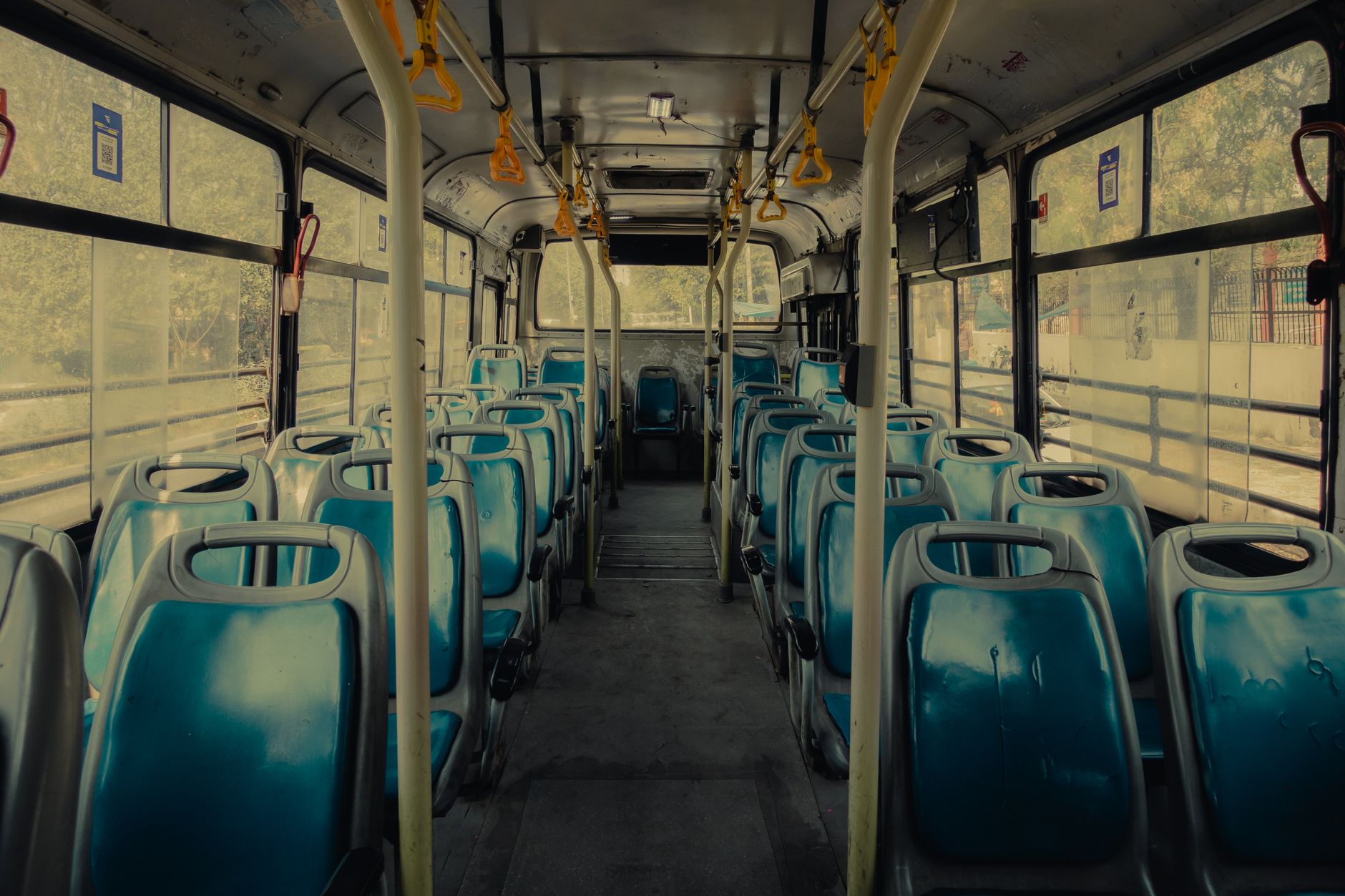
A 24-Passenger Mini Bus is a strong fit for 24 passengers when the group values compact size, coach-style seats, and a more controlled ride than several cars or vans. Confirm whether the group has rear luggage capacity, a roof-mounted carrier, or limited storage, because a full multi-day load can reduce practical seating or require a luggage plan. The vehicle works well for small tours, executive retreats, and first-class-only groups, but it is still a commercial bus in Washington and must follow posted loading, parking, idling, and routing restrictions. A full motor coach may be easier for large luggage volume, while a smaller Sprinter can be better for tight hotel approaches and short curbside movements.
| Vehicle | Seats | Best For | Notes |
|---|---|---|---|
| 24-Passenger Mini Bus | Up to 24 passengers | Choose this for a single organized group that needs comfortable seating and a compact footprint without the capacity of a full motor coach. | Compact mini bus with coach-style seats and luggage in the rear or roof; ideal for small tours, executive retreats, and first-class-only groups, but confirm actual cargo capacity for multi-day baggage. |
| 35- to 40-Passenger Mini Coach | 35 to 40 passengers | Use it when the headcount is above 24 or the group needs more baggage capacity and spare seats for guides or staff. | Adds luggage and seat margin for touring groups, but requires more careful hotel access, curb timing, and bus-zone planning around the National Mall. |
| Motor Coach | 40 to 56 passengers | Select a motor coach for larger groups, extensive luggage, or a long multi-state run where highway comfort and onboard storage outweigh downtown maneuverability. | Best for substantial luggage and long interstate legs, though its height, turning radius, and limited DC parking make venue routing and hotel staging more restrictive. |
| Executive Sprinter | 10 to 14 passengers | Use an executive Sprinter for a small executive group, airport transfer, or overflow vehicle rather than a 24-passenger group tour. | Offers a smaller footprint and premium interior for short transfers, but cargo space is limited and it may not provide the same aisle, restroom, or coach seating experience. |
Routing, Timing, and On-the-Road Realities
Washington routing is controlled by timing, not just mileage. Common approaches include I-95, I-66, I-270, U.S. 50, and the Capital Beltway, where weekday congestion can make a short final leg consume an hour or more. A 24-Passenger Mini Bus should usually reach the first Mall loading point early, before tour groups, school buses, commuter traffic, and event closures fill the curb. The National Park Service identifies limited bus parking and designated loading areas near Ohio Drive, Independence Avenue, and the memorial district; loading zones are for brief passenger movement, not an all-day stand. The bus may need to drop the group, relocate to legal parking, and return at a timed pickup. Confirm the vehicle's height and length before using downtown garages, hotel ramps, Capitol Hill streets, or any route supplied by a passenger's phone map.
The driver plan must include passenger loading, traffic waits, fueling, inspections, and repositioning as on-duty time. Federal passenger-carrier rules generally allow no more than 10 hours of driving after 8 consecutive hours off duty and no driving after 15 hours on duty following that rest period, with separate weekly limits. A multi-day DC Monuments itinerary therefore needs a realistic end time, especially when the group starts outside the region or adds Mount Vernon, Baltimore, or an evening event. National Mall rules restrict bus parking to signed or metered locations, prohibit bus standing on East Basin Drive, and limit idling under District rules except during loading and unloading. Lincoln Memorial Circle, Hains Point, and certain other roads have bus restrictions or closures, so dispatch should use the current DDOT motorcoach guide and venue instructions. At Union Station, reservations are the safer choice when the bus needs a reliable staging location, because ordinary spaces and permit periods may not guarantee reentry or availability.
What This Typically Costs
A DC Monuments group tour is usually quoted by vehicle day, mileage, and the amount of time the 24-Passenger Mini Bus is committed, not by passenger seat alone. Multi-day work commonly carries a daily minimum, with the final total changing for long inbound or outbound deadhead miles, tolls, parking, and overnight driver arrangements. In most markets, a regional multi-day charter commonly runs a few thousand dollars per operating day, while peak demand around spring break, cherry blossoms, July Fourth, graduations, conventions, and major demonstrations can raise availability and lodging costs. Ask whether fuel adjustments, tolls, venue parking, driver hotel, and driver meals are included or passed through. Driver gratuity is normally separate and is commonly budgeted as a percentage of the transportation charge or a per-day amount. A written quote should also identify cancellation terms, extra-hour rates, cleaning fees, and any permit or reservation charges rather than hiding them in a single low headline price.
Frequently Asked Questions
How many days should a DC Monuments group tour take?
For most groups, plan on three to five days from the home market: one travel day into Washington, two or three sightseeing days, and one return day. A group tour from the Northeast may operate in three days, while a Midwest, Southeast, or farther origin generally needs four to six days. The right trip length depends on whether the group wants only DC Monuments or also Arlington National Cemetery, Mount Vernon, a Smithsonian program, or a Capitol visit. Build recovery time into the first evening instead of scheduling a full monument loop after a long interstate run.
What are the best months for a DC Monuments group tour?
April through June and September through October usually provide the best balance of walking weather and workable tour demand. Cherry blossom season is attractive but has narrow dates, heavy traffic, crowded sidewalks, and limited curb space, so reservations and early starts matter. July and August can produce high heat, thunderstorms, and major holiday crowds, while November through February is often easier for availability but brings shorter daylight and colder walking conditions. Confirm dates around the Fourth of July, Memorial Day, Veterans Day, presidential events, conventions, school calendars, and large demonstrations before finalizing the route.
Does a 24-Passenger Mini Bus need permits at the monuments?
The National Mall does not require a general monument tour permit simply because a commercial vehicle visits, but the operator must use signed loading areas and permitted bus parking. The National Park Service limits bus stopping, standing, loading, and unloading to designated zones, prohibits bus parking on East Basin Drive, and restricts access on roads such as Lincoln Memorial Circle and Hains Point. Bus parking is limited near the Mall, with commonly used areas along Ohio Drive, Independence Avenue, and West or East Potomac Park. Union Station can provide a practical staging option, but spaces and reservations must be checked for the specific date. Special venue programs, Capitol access, Arlington services, private events, and oversized commercial operations may require separate arrangements.
Can a 24-Passenger Mini Bus use the same DC bus zones as a motor coach?
A 24-Passenger Mini Bus fits a small tour well when the group wants coach-style seats, easier communication, and less empty capacity than a full motor coach. It is not automatically treated like a passenger van for routing purposes; height, length, commercial registration, and the driver's route plan still control access. The vehicle should use the same designated bus loading and parking locations where applicable, and it must not pull into a curb lane simply because it is shorter than a motor coach. Confirm the actual vehicle dimensions before booking garages, hotel entrances, Capitol Hill approaches, or tight historic-district streets.
What does a realistic multi-day itinerary look like?
A practical arrival day can include a lunch stop outside the core, hotel check-in, and one low-risk stop such as the U.S. Capitol exterior, Union Station, or the National Museum of American History if timing permits. Day two can start at Arlington National Cemetery, then use a controlled drop at the Lincoln Memorial, Vietnam Veterans Memorial, Korean War Veterans Memorial, and World War II Memorial before moving toward the Washington Monument and Jefferson Memorial. Day three can cover the Smithsonian museums, National Archives, Library of Congress, or a reserved Capitol program, followed by an evening monument loop if the driver remains within legal duty limits. The return day should avoid adding a full Mall circuit unless the vehicle has a fresh driver plan and the group's departure time allows for Beltway traffic.
How do driver hours affect a DC group tour?
Federal passenger-carrier rules generally limit a driver to 10 hours of driving after 8 consecutive hours off duty and 15 hours on duty after that rest period. The weekly limit also matters, including the 60-hours-in-seven-days or 70-hours-in-eight-days rule depending on the carrier's operating schedule. A driver can reach the on-duty limit through loading, waiting, inspections, traffic, fueling, and passenger assistance even when the bus is not moving. For a long origin, plan a relief driver or an overnight stop rather than assuming the operator can extend the sightseeing day. A dispatcher should build the itinerary around the driver's log, not promise a late monument loop and solve the hours problem afterward.
Where should a group stay for a DC Monuments tour?
Hotels in Arlington, Crystal City, Alexandria, Tysons, Bethesda, and Silver Spring can simplify bus access compared with properties directly beside the National Mall. The best staging choice depends on coach clearance, overnight bus parking, breakfast timing, and the first scheduled attraction. Downtown properties may reduce passenger transfer time but often have restricted loading curbs, garage height limits, valet-only access, or no overnight bus storage. Keep the 24-Passenger Mini Bus at the hotel only if the property confirms a legal space; otherwise arrange a separate overnight parking location and account for repositioning. Ask the hotel to document the bus entrance, loading window, clearance, and contact for the driver before arrival.
How to Book
To quote the run, have the travel dates, pickup address, passenger count, luggage estimate, hotel information, and requested stops ready, including Arlington National Cemetery, the National Mall, Smithsonian museums, Capitol Hill, or Mount Vernon. Include whether the vehicle must remain with the group each day or can reposition between hotel and sightseeing areas. US Bus Trips can commonly return an initial quote within 4 business hours when the itinerary and dates are complete. The confirmation should identify the vehicle class, operating hours, mileage basis, driver lodging, parking and toll treatment, cancellation terms, and pickup contacts; reach US Bus Trips through its booking team by phone or online request.
Related Trips You Might Also Consider
- Association Conference — Pacific Region
- Baltimore, MD to New York, NY
- Fresno, CA to Sequoia, CA
- Veterans Group — Pacific Northwest Region
- Atlanta, GA to Nashville, TN
- Robotics Competition — Pacific Region
- Cross-Country Charter Bus Overview
- All Group Trip Types
- See the Full Fleet (Sprinters through 56-pax coaches)
- Get a Free Quote in 60 Seconds