
A DC Monuments group tour works best when the vehicle plan and the sightseeing plan are built together.
Overview
A DC Monuments group tour is usually a multi-day charter rather than a simple point-to-point transfer. A 56-Passenger Motor Coach is well suited to schools, church groups, senior associations, alumni organizations, military reunions, and civic or corporate groups traveling from the Northeast, Southeast, Midwest, or Mid-Atlantic. Common approach corridors include I-95 from New England, New York, Philadelphia, and the Carolinas; I-70 from the west; I-66 from western Virginia; and I-270 or US 29 from Maryland routes. The coach keeps all passengers together while providing reclining seats, overhead storage, a restroom, onboard media or USB features, and underfloor luggage bays. The itinerary still needs realistic meal, restroom, fueling, and loading buffers because a full coach does not move through city streets like a passenger car. Reserve early when the trip overlaps cherry blossom season, spring school breaks, Memorial Day, Independence Day, Veterans Day, fall school breaks, major sporting events, races, demonstrations, or presidential activity.
The National Mall is the core of most DC Monuments itineraries, but the sites are spread across a large walking area and the coach cannot remain at each stop. A typical visit may include the Lincoln Memorial, Vietnam Veterans Memorial, Korean War Veterans Memorial, World War II Memorial, Martin Luther King Jr. Memorial, Washington Monument grounds, Jefferson Memorial, and selected Smithsonian museums. Arlington National Cemetery is often scheduled separately because its entry process, walking distances, and tour timing can consume much of a half-day. Groups may add the U.S. Capitol area, Library of Congress, National Archives, Mount Vernon, or the National Museum of African American History and Culture, but timed tickets and security screening need to be coordinated before the bus schedule is finalized. The first day often includes highway travel, a rest stop, hotel check-in, and one manageable first stop rather than a full Mall circuit after arrival. A dispatcher will normally protect time for traffic on the Capital Beltway, I-395, Memorial Bridge, Constitution Avenue, and downtown approaches.
Lodging is usually staged in Arlington, Crystal City, Alexandria, Bethesda, Silver Spring, Rockville, Tysons, or suburban Maryland and Virginia, where hotels are more likely to have workable coach access and highway connections. Staying outside the central Mall can reduce the need to reposition a 56-Passenger Motor Coach through narrow downtown blocks and restricted curbs. Arlington and Crystal City are convenient for I-395 and the Pentagon area, while Alexandria can pair with Old Town or Mount Vernon depending on the schedule. Bethesda, Rockville, Tysons, and nearby Maryland properties may be more efficient for groups entering through I-270, I-95, or the Beltway. Confirm bus entrance clearance, overnight parking, unloading windows, breakfast timing, driver rooms, and any separate bus parking charge directly with the hotel. A good multi-day plan uses one hotel base whenever possible instead of moving luggage and a full coach between properties.
Fleet Options
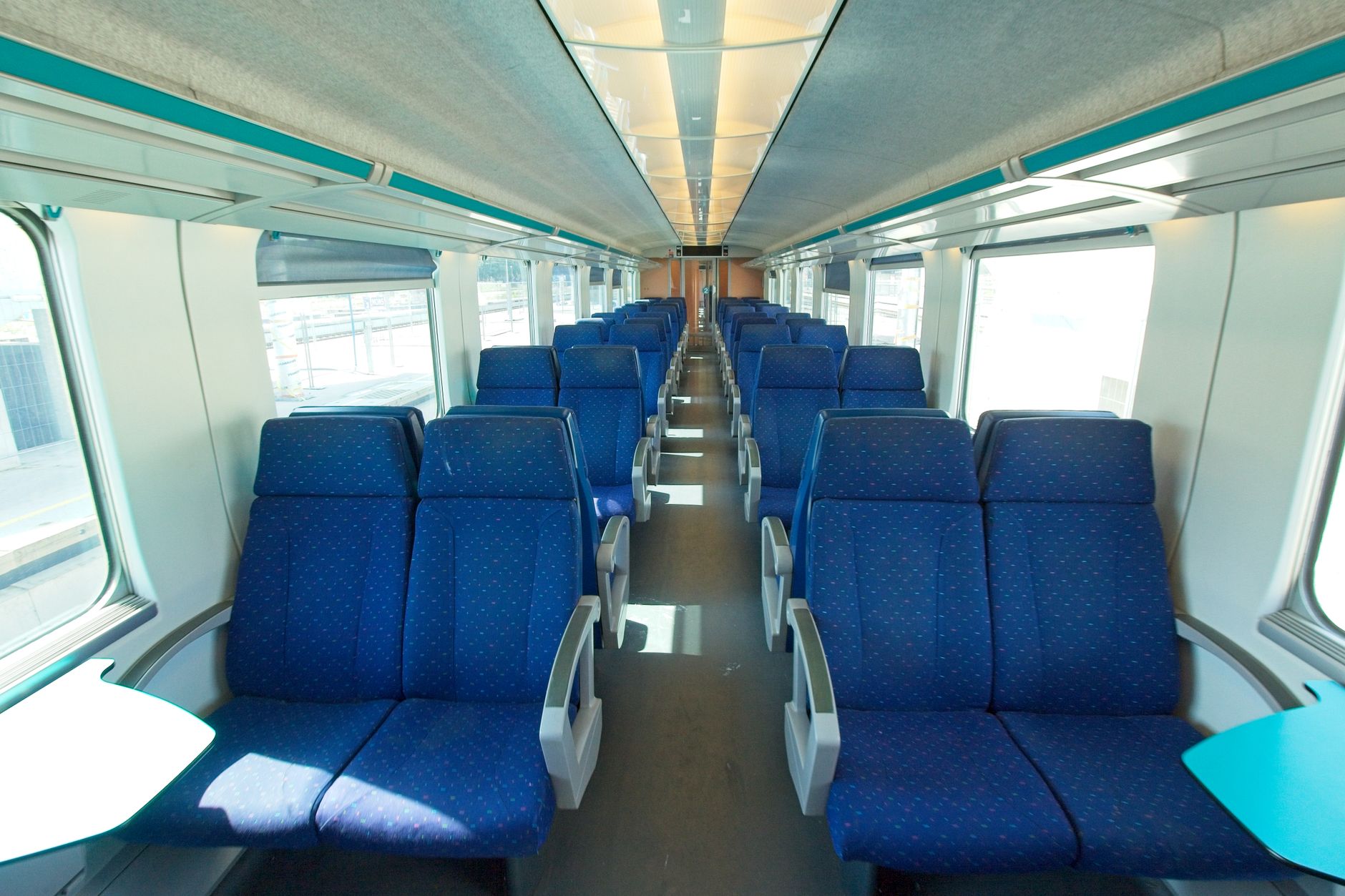
For a full 56-person group, the 56-Passenger Motor Coach is usually the right starting point because it keeps the party together and carries luggage below deck. It is built for multi-day highway work with reclining seats, overhead storage, a restroom, DVD or USB features, and underfloor luggage bays. Confirm actual passenger count rather than booking to nominal capacity, since guides, coolers, mobility equipment, and personal bags reduce usable seats and cargo space. Smaller vehicles can handle tighter hotel approaches and limited loading zones more easily, but splitting a group adds coordination and can complicate monument pickups. In central Washington, route the coach on approved corridors and use signed loading zones rather than expecting curbside waiting at every stop.
| Vehicle | Seats | Best For | Notes |
|---|---|---|---|
| 56-Passenger Motor Coach | Up to 56 passengers | Choose this for a full group traveling together from another state with substantial luggage and long highway segments. | The workhorse of long-haul group travel with reclining seats, overhead storage, restroom, DVD or USB features, and large underfloor luggage bays; best for one full group and multi-day baggage. |
| 40-45 Passenger Motor Coach | 40-45 passengers | Use it when the headcount is below full capacity or when a smaller footprint helps at hotels and restricted loading areas. | Provides similar highway comfort with somewhat easier maneuvering and a useful reserve of seats for guides or equipment, but has less total cargo capacity than a full-size coach. |
| 24-35 Passenger Mini Coach | 24-35 passengers | This fits medium groups that want one vehicle but do not need full-size coach capacity. | More manageable on tighter urban approaches and smaller hotel drives, with varying luggage capacity and fewer onboard amenities than a full motor coach. |
| Executive Sprinter or Mini Bus | 10-24 passengers | Choose it for a small leadership group, shuttle loop, or overflow vehicle rather than a 56-passenger tour. | Useful for small delegations and short local movements, but luggage space, restroom availability, and ride comfort vary substantially by model and it is not ideal for a full multi-day group. |
Routing, Timing, and On-the-Road Realities
Pickup timing depends on the origin, not just the map distance. A group leaving Philadelphia, Baltimore, Richmond, or another nearby market may reach the region in a few hours, but peak traffic on I-95, I-295, the Capital Beltway, I-395, and the bridges can erase a narrow arrival window. For a distant origin, schedule the first day as a travel day with legal rest breaks, a meal stop, and hotel check-in rather than promising an evening monument circuit. Early departures can avoid some commuter congestion, but they still require a driver inspection, passenger loading, and a realistic departure buffer. On sightseeing days, put the first loading or drop-off before the main commuter peak when the hotel and venue allow it. Keep the group's phone contact, headcount procedure, and exact pickup zone written into the run sheet because the driver may be staging away from the memorial.
National Mall parking is limited, and the National Park Service identifies motorcoach parking and designated loading areas rather than general curb access for tour buses. Locations used for motorcoach parking include Hains Point, portions of Ohio Drive near the Lincoln and Jefferson Memorials, and portions of Independence Avenue, subject to signs and current restrictions. The driver should unload only in signed zones, move to legal staging, and return at a predetermined pickup time. Do not plan on using Metrobus stops, restricted loading areas, no-standing zones, or a metered space that is not designated for motorcoaches. Check current District routing guidance for oversize streets, closures, construction, demonstrations, races, and special events before dispatch. The operator should also verify commercial vehicle registration or trip-permit requirements and keep the itinerary flexible enough to walk between nearby memorials rather than making repeated short bus moves.
What This Typically Costs
A DC Monuments group tour is usually quoted as a charter package built from a daily vehicle minimum, mileage, and any deadhead required to bring the motor coach to the pickup point and return it after the run. A 56-Passenger Motor Coach commonly runs a few thousand dollars per day in most markets, with the total moving higher for long approach mileage, extra service days, and peak spring or holiday demand. Carriers may apply a daily minimum even when the bus is parked during museum or monument visits, because the vehicle and driver remain committed to the group. Budget separately for driver overnight lodging, parking or staging fees, tolls, fuel adjustments, and driver gratuity. A multi-day itinerary can also require a second driver when scheduled work would exceed passenger-carrier hours limits. The final price should show whether taxes, permits, hotel, meals, cleaning, and cancellation terms are included rather than assuming they are covered.
Frequently Asked Questions
What does a 56-Passenger Motor Coach include for a DC Monuments group tour?
A 56-Passenger Motor Coach is the workhorse of long-haul group travel. It provides reclining seats, overhead storage, a restroom, DVD or USB features, and luggage bays underneath for a full group traveling several states. It fits school, senior, church, alumni, military, and association groups that want everyone on one vehicle. It is most practical when passengers carry overnight luggage and the itinerary has long highway legs between cities. The coach is less convenient than a smaller bus on narrow residential streets or when a venue has no legal bus loading area.
How many days should a multi-day group tour to DC Monuments take?
A practical plan is usually three to five days, depending on the origin and how much time the group wants in Washington. Day 1 covers the highway approach, a scheduled rest stop, hotel check-in, and a controlled first stop such as Arlington National Cemetery if arrival timing allows. Days 2 through 4 can cover the National Mall, Lincoln Memorial, Vietnam Veterans Memorial, Korean War Veterans Memorial, World War II Memorial, Martin Luther King Jr. Memorial, Jefferson Memorial, Washington Monument grounds, and selected museums. Day 5 is commonly the return travel day with a planned meal or rest stop. Groups from nearby Mid-Atlantic origins may need fewer days, while Midwest, Southeast, and New England departures often need an extra travel day.
What are the best months for a DC Monuments group tour?
April through June and September through October are generally the easiest operating months for a DC Monuments group tour because temperatures are more manageable than midsummer and the sightseeing schedule is comfortable. Cherry blossom season can be attractive but brings heavy pedestrian activity, traffic controls, sold-out lodging, and tighter bus access around the Tidal Basin. March and November can work well for groups seeking lower demand, but weather and daylight need to be considered. July and August bring heat, humidity, thunderstorms, and busy visitor periods, while late November through February can offer more availability but colder outdoor walking. Reserve early for spring break, cherry blossom dates, Memorial Day, Independence Day, Veterans Day, fall school breaks, and major national events.
Where can the motor coach park near the DC Monuments?
A 56-passenger coach cannot simply wait beside every memorial. National Mall and Memorial Parks identify designated bus loading and unloading zones and limited motorcoach parking, including locations on Ohio Drive, near Hains Point, and along portions of Independence Avenue. The driver may need to drop the group at a signed zone, move to legal parking, and return at a scheduled pickup time. Coaches must follow posted restrictions, avoid Metrobus stops and prohibited standing areas, and shut off the engine when parked where required. Confirm current routing and staging with the carrier and District motorcoach resources before dispatch, especially during closures, demonstrations, races, parades, and presidential events.
How do driver hours rules affect a DC Monuments group tour?
For passenger-carrying commercial vehicles, federal rules generally allow up to 10 hours of driving after at least 8 consecutive hours off duty, with a 15-hour on-duty window and weekly on-duty limits. Those limits count more than wheel time: loading, inspections, fueling, waiting, hotel moves, and other work can consume the available window. A morning departure from a distant origin followed by evening monument touring is often not realistic for one driver. The operator may use a second qualified driver, split the run with an overnight stop, or reduce the first-day schedule. Build the itinerary around legal duty time rather than the maximum theoretical driving limit.
Where should a group stay when touring DC Monuments by bus?
Most groups stage in Arlington, Crystal City, Alexandria, Bethesda, Silver Spring, or suburban Maryland and Virginia rather than trying to place a 56-passenger coach beside the National Mall overnight. These areas offer more practical hotel driveways, coach access, group breakfast space, and highway connections than downtown blocks. Arlington and Crystal City are useful for I-395 access and quick approaches to the Mall, while Alexandria can work for groups combining Old Town with national sites. Bethesda, Rockville, Tysons, and suburban Maryland may be better when the origin uses I-270, I-95, or the Capital Beltway. Ask the hotel about coach entrance height, bus staging, unloading time, parking charges, and whether the driver receives a room under the group contract.
Does a 56-Passenger Motor Coach need permits in Washington DC?
Yes, but the operator must confirm the vehicle's authority and the District's current requirements before arrival. A chartered bus with more than 15 passenger seats entering the District generally needs proportional registration through the International Registration Plan or the applicable DC commercial vehicle and trip-permit arrangement. The carrier should handle vehicle credentials, insurance, and any permit process because a permit cannot be transferred between buses. Venue reservations may also be separate from transportation, including timed entries for the Washington Monument, Arlington National Cemetery programs, museums, or special events. A city sightseeing operation can have additional guide requirements, so distinguish a private group transfer and charter from a narrated city tour when planning services.
How to Book
To book, have the travel dates, pickup address, passenger count, luggage estimate, hotel area, and must-see itinerary ready, along with any mobility equipment or guide requirements. Send the planned corridors and desired stops, including Arlington National Cemetery, the National Mall, museums, or evening monuments, so dispatch can check duty time and coach access. US Bus Trips can typically return an initial quote within 4 business hours, subject to carrier availability and complete trip details. The confirmation should identify the vehicle class, operating dates, mileage or deadhead assumptions, driver lodging, parking and permit responsibilities, inclusions, cancellation terms, and dispatch contact information.
Related Trips You Might Also Consider
- Lexington, KY to Louisville, KY
- Raleigh, NC to Charlotte, NC
- Las Vegas, NV to Phoenix, AZ
- Redwoods — 56-Passenger Motor Coach
- Boston, MA to New York, NY
- Agriculture FFA/4-H — Pacific Northwest Region
- Cross-Country Charter Bus Overview
- All Group Trip Types
- See the Full Fleet (Sprinters through 56-pax coaches)
- Get a Free Quote in 60 Seconds