
A Death Valley group tour works best when the vehicle, lodging, and park routing are planned as one operation.
Overview
A Death Valley group tour is usually booked by school groups, alumni organizations, senior travel programs, faith groups, clubs, and conference planners adding a desert extension to a Las Vegas or Southern California schedule. The common long-haul corridors are Las Vegas to Pahrump and Furnace Creek, Los Angeles through Barstow and Baker, and Southern California through Mojave toward the park's western or southern approaches. A 56-Passenger Motor Coach is well suited when the roster is close to capacity and passengers have suitcases for several nights. The bus keeps the group together for fuel, meal, and restroom stops instead of forcing a convoy of vans. The dispatcher still needs the full hotel and attraction list because a coach that handles the approach may not fit every in-park spur. Build the plan around paved, coach-legal roads and designated loading areas before promising viewpoint coverage.
Season controls both comfort and operating risk in Death Valley. November through March is generally the strongest window for walking and sightseeing, while spring-break weeks, holiday weekends, and favorable wildflower forecasts can make Furnace Creek and Stovepipe Wells lodging difficult to secure. October and April can be workable shoulder months, but daytime heat rises quickly and the itinerary may need shorter exposed stops. June through September brings extreme heat, limited campground patterns, and a higher burden for water, shade, cooling, and emergency planning. A group tour scheduled in the hot season should favor early starts, short outdoor segments, indoor stops where available, and a vehicle with reliable climate control. Confirm current park alerts, road conditions, fuel availability, and lodging operations before releasing the final passenger schedule.
The park's layout rewards staging rather than daily commuting from a distant city. Furnace Creek places the group near the visitor center, Badwater Basin, Zabriskie Point, and major valley-floor stops, while Stovepipe Wells is useful for Mesquite Flat Dunes and the western valley. Pahrump supplies more conventional hotel inventory and services but adds drive time each day, and Beatty can support an eastern approach with a different mileage profile. A multi-day itinerary should allow time for fuel, driver inspections, passenger loading, and meal stops rather than treating every hour as sightseeing. Commercial bus tours may require National Park Service authorization, and entrance fees are separate from the vehicle quote. If the group wants restricted roads or smaller scenic spurs, price a supplemental mini coach or local transfer instead of assuming the 56-Passenger Motor Coach can go everywhere.
Fleet Options
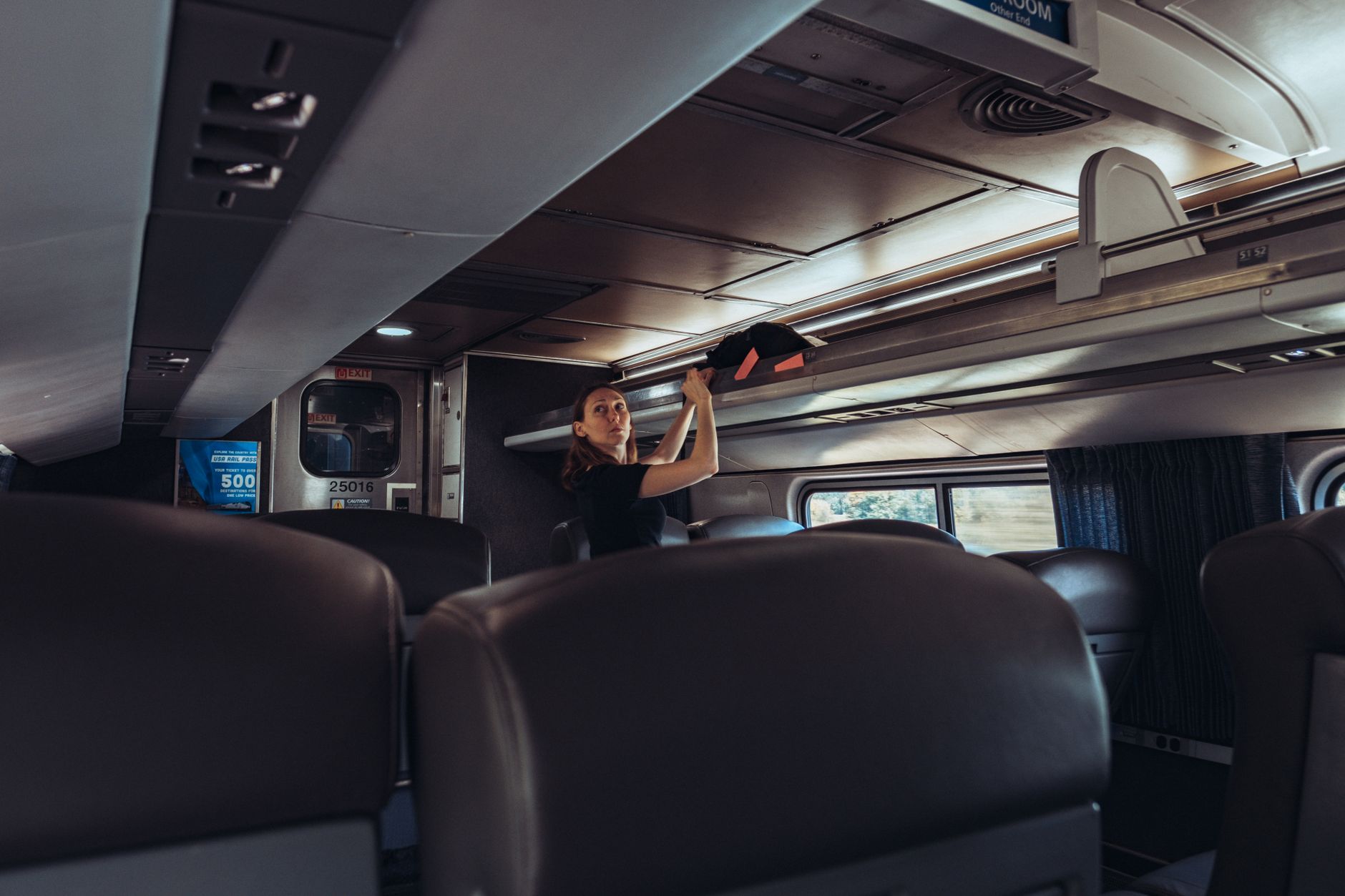
A 56-Passenger Motor Coach is the default choice when the headcount is near capacity and the group needs a single vehicle for several travel days. It carries people comfortably over long Nevada and California corridors, with reclining seats, overhead storage, a restroom, DVD or USB capability, and luggage bays under the floor. Confirm the actual passenger count, suitcase volume, coolers, mobility equipment, and any guide or staff seats before selecting the bus. A smaller vehicle may be easier at gateway hotels and tight parking areas, but splitting a full group can add coordination, vehicles, and driver cost.
| Vehicle | Seats | Best For | Notes |
|---|---|---|---|
| 56-Passenger Motor Coach | Up to 56 passengers | Use this for a full-group multi-day tour where everyone should ride together from a distant origin. | The workhorse of long-haul group travel, with reclining seats, overhead storage, restroom, DVD or USB, and large underfloor luggage bays, but it needs coach-legal roads and designated parking. |
| 40-Passenger Motor Coach | About 35-40 passengers | Use this when the roster is below full size but luggage and onboard comfort still favor one conventional coach. | Provides similar long-haul comfort and luggage capacity with less body length and easier loading at some hotels, though it still cannot use every restricted Death Valley road. |
| 24- to 32-Passenger Mini Coach | About 24-32 passengers | Use this for a mid-sized group or a route with more frequent stops and tighter access outside the park. | Easier to position at smaller hotels and parking lots, with useful underbody storage on many models but less restroom and luggage capacity than a full motor coach. |
| Executive Sprinter or Mini Bus | About 10-24 passengers | Use this for a small VIP group, airport transfer, guide vehicle, or supplemental shuttle rather than a 56-person group tour. | Best for small teams and short transfers, with limited luggage space and fewer onboard amenities; it may reach some tighter access points but remains subject to posted road limits. |
Routing, Timing, and On-the-Road Realities
From Las Vegas, the usual approach runs through Pahrump before entering the park from the east or southeast, with fuel and meal planning completed before the longest valley segments. From Los Angeles or Orange County, the coach may use Interstate 10 and Highway 127 or approach through Barstow, Baker, and the Death Valley corridor, depending on the destination and road status. Early pickup is preferable for winter sightseeing and essential during warmer months, but an early departure must be balanced against legal driver time and the hotel's loading schedule. Schedule a proper rest stop roughly every few hours, then protect time for fuel, passenger counts, and restroom use at planned facilities. Furnace Creek, Stovepipe Wells, Pahrump, and Beatty should be treated as staging points rather than interchangeable stops because each changes the next day's mileage. Avoid promising a sunrise or sunset viewpoint until the driver duty plan, parking availability, and coach dimensions have been checked.
Inside Death Valley, keep the 56-Passenger Motor Coach on paved roads and confirm every spur against the current park restrictions. National Park Service rules identify roads where vehicles over 25 feet long or 9 feet wide are prohibited, including restrictions affecting Artists Drive, Emigrant Canyon, and Dante's View, so a full-size coach may need a substitute viewpoint. Commercial tour buses generally must use designated parking and passenger loading areas; the driver should unload, clear the loading zone, and park rather than wait in travel lanes. Unpaved roads are generally not appropriate for commercial tour buses, even when a passenger vehicle could navigate them, and limited exceptions carry warnings about suitability. Driver hours are governed by applicable commercial motor-carrier rules, so a long arrival day followed by a full in-park loop may require a later start, a second driver, or an additional overnight. The operations sheet should include road closures, fuel locations, emergency contacts, hotel bus access, and a hard return time before passengers board.
What This Typically Costs
A Death Valley group tour in a 56-Passenger Motor Coach is normally quoted from a daily vehicle minimum, then adjusted for total mileage, routing days, and any deadhead from the coach's home market. A multi-day run commonly carries a few thousand dollars per operating day in most markets, but the final range depends heavily on season, origin, lodging, and driver requirements rather than passenger count alone. Expect higher pricing during November through March, spring-break periods, holiday weekends, and special-event dates when desert lodging and qualified coaches tighten. Deadhead miles, tolls, parking, park entrance charges, commercial permits, fuel adjustments, and driver hotel rooms may appear as separate line items or be built into the package. Driver gratuity is usually separate and is commonly budgeted as a percentage of the transportation charge or a daily amount agreed before dispatch. Ask whether the quote includes overnight driver lodging, meal allowance, taxes, cleaning, and a second driver if the schedule exceeds legal service limits.
Frequently Asked Questions
Why use a 56-Passenger Motor Coach for Death Valley?
A 56-Passenger Motor Coach works best for a full-group Death Valley group tour because it keeps passengers together across long Nevada and California corridors. The workhorse of long-haul group travel, it typically provides reclining seats, overhead storage, a restroom, DVD or USB entertainment, and luggage bays underneath. It is a strong fit for school, alumni, senior, faith-based, association, and destination tour groups traveling with checked bags. The tradeoff is turning radius and access: several Death Valley roads and smaller venue lots are not suitable for a full-size coach.
What are the best months for a Death Valley group tour?
The most workable travel window is generally November through March, with December through February offering the most comfortable daytime conditions for Badwater Basin, Zabriskie Point, Mesquite Flat Sand Dunes, and short walks. October and April can work, but heat rises quickly and spring demand can fill lodging. Late March and early April may bring wildflowers in favorable rainfall years, which also increases demand. June through September is a poor default for an outdoor group tour because valley-floor heat can exceed safe sightseeing conditions, and summer lodging and campground patterns change.
How many days should a Death Valley group tour take?
Plan on four to six days for a practical multi-day group tour from Las Vegas, Los Angeles, or Southern California, depending on how much travel is included. A Las Vegas-origin plan can use Day 1 for pickup, Pahrump, and the Amargosa Valley approach before staging near Furnace Creek or outside the park. Day 2 can cover Dante's View only if the vehicle and road restrictions permit, then Furnace Creek Visitor Center, Badwater Basin, and Artist's Palette alternatives suited to the coach. Day 3 can cover Zabriskie Point, Twenty Mule Team Canyon where conditions and vehicle limits allow, Harmony Borax Works, and Mesquite Flat Sand Dunes. A fourth day can add Stovepipe Wells, Scotty's Castle if open and accessible, or the return corridor through Beatty, Pahrump, or Mojave, with the actual sequence confirmed against road closures and coach limits.
What does a typical multi-day itinerary look like?
A realistic sample from Las Vegas is Day 1 pickup at a hotel or airport-area lot, travel through Pahrump, a meal and fuel stop, then arrival at Furnace Creek or a gateway hotel. Day 2 starts after a full pre-trip vehicle check and covers the Furnace Creek Visitor Center, Badwater Basin, and a scheduled overlook stop with walking kept short in heat or wind. Day 3 uses Zabriskie Point, Golden Canyon only for groups prepared for uneven walking, and Mesquite Flat Sand Dunes near Stovepipe Wells. Day 4 returns via Beatty or Pahrump, with a planned rest stop before the final hotel or airport drop. The itinerary should identify backup stops because flash flooding, heat, high winds, road work, and unpaved-road restrictions can change the operating plan.
Does a motor coach need permits inside Death Valley National Park?
Commercial bus tours in Death Valley should be handled through the National Park Service commercial-use process, and entrance fees are separate from transportation pricing. The park identifies bus tours as commercial activities requiring a Commercial Use Authorization, while commercial group fees and permits can vary by vehicle class and activity. A 56-Passenger Motor Coach should not be routed onto roads with posted limits that prohibit vehicles over 25 feet long or 9 feet wide; the park specifically lists restrictions affecting roads such as Artists Drive, Emigrant Canyon, and Dante's View. Large coaches must use designated parking and loading areas, unload passengers only where allowed, and avoid blocking traffic or idling outside designated spaces. The operator should verify current restrictions with the park before dispatch because road conditions, construction, and seasonal closures can change.
Can a 56-Passenger Motor Coach reach every Death Valley viewpoint?
A full-size motor coach usually cannot follow every scenic spur used by passenger cars. Death Valley rules include 25-foot length and 9-foot width limits on certain roads, and commercial tour buses are generally limited to paved park roads except where specific restrictions apply. Artists Drive, Emigrant Canyon, and Dante's View require particular scrutiny because a 56-Passenger Motor Coach may exceed posted dimensions or encounter tight grades and turns. Unpaved roads are generally off-limits to commercial tour buses, although the park identifies limited exceptions with warnings, including Devils Golf Course Road and Salt Creek Road. The dispatcher should build the route around coach-legal viewpoints and use local shuttles or smaller vehicles only if the client specifically wants restricted-road access.
Where should a group stay for a Death Valley tour?
Lodging is usually staged at Furnace Creek, Stovepipe Wells, Pahrump, Beatty, or another gateway community based on inventory and the daily mileage target. Furnace Creek is the most efficient in-park base for Badwater Basin, Zabriskie Point, and the visitor center, but rooms can sell out well ahead during winter, spring-break weeks, holiday weekends, and event periods. Stovepipe Wells is useful for Mesquite Flat Dunes and the park's west side, while Pahrump offers a larger supply of conventional hotels and services outside the park. Beatty can work for an eastern approach but adds valley-crossing mileage to many Furnace Creek stops. Confirm coach parking, bus loading space, driver rooms, breakfast timing, and late-arrival procedures directly with every property before finalizing the run.
How to Book
To quote the run, have the dates, pickup address, passenger count, luggage estimate, hotel list, preferred stops, and final drop-off ready. Include whether the itinerary is a private group tour, school trip, reunion, conference extension, or multi-day escorted program, because that affects timing and vehicle setup. US Bus Trips targets a quote turnaround within 4 business hours when the route and dates are complete. The confirmation should identify the coach class, operating days, pickup and drop-off points, planned routing, inclusions, cancellation terms, permits or entrance-fee assumptions, driver lodging responsibility, and dispatch contact.
Related Trips You Might Also Consider
- San Diego, CA to Las Vegas, NV
- Santa Ana, CA to San Diego, CA
- Scout Troop — Pacific Region
- Association Conference — Northeast Region
- Family Reunion — Southeast Region
- Non-Profit Fundraiser — Northeast Region
- Cross-Country Charter Bus Overview
- All Group Trip Types
- See the Full Fleet (Sprinters through 56-pax coaches)
- Get a Free Quote in 60 Seconds