
A Grand Canyon group tour in a 36-Passenger Mini Coach suits clubs, schools, churches, reunions, and corporate groups that need more room than a van but less equipment than a full-size motor coach.
Overview
A Grand Canyon group tour normally starts with a corridor decision: Phoenix and Las Vegas are common western gateways, while Flagstaff and Williams work as practical staging points for South Rim operations. Groups arriving from Southern California, Colorado, Texas, or the Midwest should treat the first day as a travel day rather than promising a full park schedule after a long morning departure. A 36-Passenger Mini Coach gives clubs, alumni groups, churches, family reunions, and corporate teams a useful middle size for these routes. It carries passengers in coach-style seats and usually provides more baggage capacity than a shuttle bus or executive van. The vehicle is still subject to the same driver-hours planning and commercial-vehicle restrictions that affect a larger motor coach. Build the itinerary around legal duty time, meal stops, fuel, weather, and the time required to load 36 passengers.
The most practical South Rim pattern is one approach day, two in-park days, and one return day for a regional origin, with additional travel days for farther markets. A sample first day from Phoenix could use Interstate 17 toward Flagstaff, a planned meal stop in the Flagstaff area, and an overnight in Flagstaff, Williams, or Tusayan rather than a late arrival at the rim. Day 2 can enter through the South Entrance, use Mather Point and the Grand Canyon Visitor Center area, and move the group onto the free South Rim shuttle system where applicable. Day 3 can cover the Rim Trail, Yavapai Point, Grand Canyon Village, and Desert View if the coach can use authorized stops and parking. A group traveling from Las Vegas may add a Hoover Dam stop only if the schedule preserves driver duty time and a legal overnight. Do not promise every overlook from one vehicle: park restrictions for vehicles over 22 feet can limit stopping locations.
Lodging is a major part of the operating plan because South Rim rooms book well ahead, especially for spring break, summer, and fall weekends. Grand Canyon Village minimizes daily repositioning but may have limited inventory and designated coach spaces, while Tusayan offers proximity to the entrance and Flagstaff offers a deeper hotel and restaurant base. Williams can be useful for groups following Route 66 or incorporating the Grand Canyon Railway, but the daily drive to the park must be included in the schedule. The South Rim remains open year round, while winter weather can affect roads, loading areas, and walking conditions at roughly 7,000 feet. Spring, summer, and fall bring heavier crowds and parking pressure; late fall through winter generally reduces crowds but adds weather risk. A 36-Passenger Mini Coach should be matched with a hotel that confirms bus access, legal overnight parking, and enough clearance for the actual vehicle dimensions.
Fleet Options
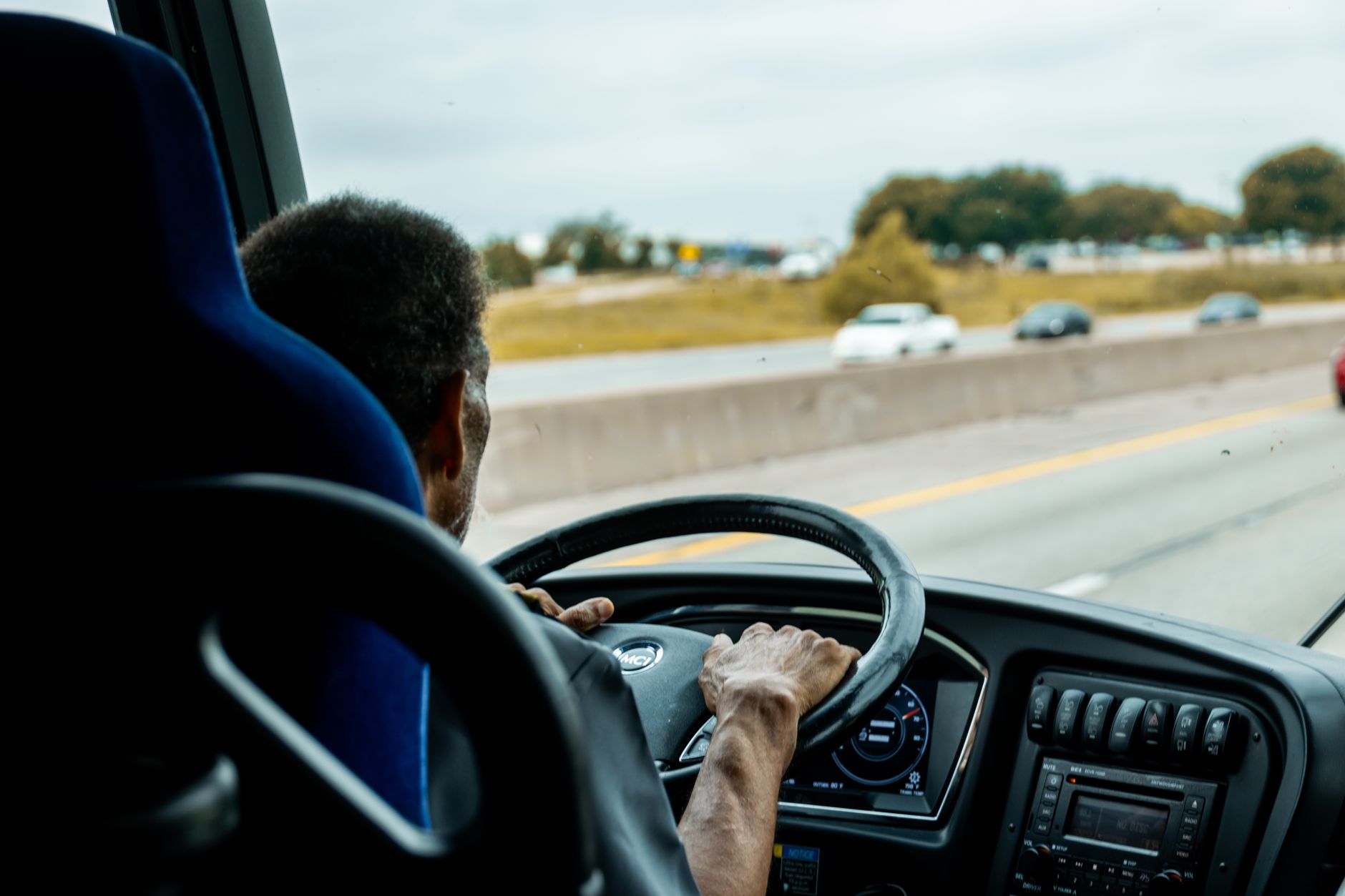
A 36-Passenger Mini Coach is a mid-size coach with a high-floor cabin, luggage bays, and coach-style seats, making it a strong fit for a 36-person group tour with overnight bags. It fills the gap between a 24-passenger vehicle that may run short on luggage capacity and a 56-passenger motor coach that may be unnecessarily large. The vehicle is comfortable for long corridors such as Phoenix to the South Rim, Las Vegas to Grand Canyon Village, or Flagstaff to Desert View, but it is still a large vehicle for park lots and hotel driveways. Confirm exterior length, turning clearance, baggage-bay capacity, restroom equipment, and whether the operator has a current plan for oversized parking before dispatch.
| Vehicle | Seats | Best For | Notes |
|---|---|---|---|
| 36-Passenger Mini Coach | Up to 36 passengers | Best for a 30-to-36-person group carrying overnight luggage when a full-size coach is more vehicle than the itinerary needs. | High-floor coach seating and underfloor luggage bays suit a full multi-day group, but verify exact dimensions and park-approved oversized parking. |
| 24-Passenger Mini Bus | Approximately 20-24 passengers | Fits a smaller group with lighter baggage or a separate luggage plan. | More maneuverable at hotels and urban pickup points, but cargo space and seat width may become restrictive for a multi-day Grand Canyon trip. |
| 56-Passenger Motor Coach | Approximately 49-56 passengers | Makes sense when the roster exceeds the 36-seat limit or when extra space is needed for bulky equipment and luggage. | Offers the most cabin and baggage capacity, but requires more turning room and careful oversized parking coordination at park and hotel stops. |
| Executive Sprinter | Approximately 10-14 passengers | Works for a small leadership group, support vehicle, or split movement rather than the primary 36-person group tour. | Handles tighter streets and smaller parking areas well, but limited luggage volume and a lower passenger count make it a poor substitute for a full group. |
Routing, Timing, and On-the-Road Realities
For a Phoenix-origin group tour, the usual approach follows Interstate 17 through the Flagstaff area before US 180 or another approved South Rim route, depending on conditions and the day's stops. Las Vegas departures commonly use US 93 and Interstate 40 toward Williams, with Hoover Dam only when the driver schedule and stop duration support it. Southern California groups typically travel through the Needles or Kingman corridor, while Denver and Texas groups may need a longer first and final day with an overnight near Flagstaff or Williams. Schedule the pickup early enough to absorb restroom, meal, fuel, and passenger-loading time without turning the first day into an excessive duty shift. At the South Rim, use the park's shuttle system for village circulation when practical rather than moving the motor coach between every overlook. Confirm road conditions, construction, weather, and current commercial routing before dispatch because seasonal controls and congestion can change the workable plan.
The driver-hours plan should separate driving time from the full on-duty window. Passenger-carrier rules generally allow up to 10 hours of driving after 8 consecutive hours off duty, but prohibit driving after 15 hours on duty, so a long route with multiple attractions may need a second driver or an overnight break. A 36-Passenger Mini Coach also needs additional time at loading zones because all passengers must board, stow bags, and be counted before departure. At Grand Canyon commercial stops, vehicles over 22 feet must use authorized oversized or commercial spaces, and the driver cannot treat a shuttle stop, viewpoint shoulder, or loading zone as a normal parking area. Current park conditions identify specific oversized parking locations and restrict some Desert View Drive stops to designated points such as Grandview Point and Desert View. Plan a passenger drop, a legal bus move, and a reunion point so the group is not waiting beside an unauthorized stop.
What This Typically Costs
Pricing for a Grand Canyon group tour in a 36-Passenger Mini Coach is usually built from a per-day vehicle rate, mileage, and any deadhead required to bring the motor coach to the pickup city. Multi-day runs commonly carry a daily minimum, so a short sightseeing day still has a full operating-day charge rather than being priced only by passenger movement. The quote may also reflect seasonal peaks, with spring break, summer, fall weekends, holiday periods, and major regional events tightening equipment availability. Ask whether driver overnight lodging, parking, tolls, fuel adjustments, and meals are included or billed separately; these line items vary by carrier and market. Driver gratuity is commonly handled separately and should be budgeted as a customary percentage or agreed per-day amount. In most markets, a multi-day Grand Canyon charter commonly runs a few thousand dollars per operating day before or after mileage and deadhead, with the final range driven by origin, duration, hotel staging, and itinerary complexity.
Frequently Asked Questions
Why choose a 36-Passenger Mini Coach for a Grand Canyon group tour?
A 36-Passenger Mini Coach fits 36 passengers in coach-style seats and is best when the roster is close to capacity but a full-size 56-passenger motor coach would be excessive. It typically provides a high-floor cabin and underfloor luggage bays, although usable cargo space depends on the vehicle and how many passengers bring large bags. A 24-passenger vehicle may be too tight for a multi-day trip with luggage, while a 36-Passenger Mini Coach gives a practical middle ground. Confirm the exact seat count, restroom availability, electrical outlets, and baggage dimensions before payment.
How many days should a 36-passenger Grand Canyon group tour take?
A realistic multi-day Grand Canyon group tour usually takes at least four days from a regional origin and five or more days from farther east or from Texas, the Midwest, or the Pacific Northwest. Day 1 is generally a travel day with scheduled meal and fuel stops, followed by arrival near Flagstaff, Williams, or Grand Canyon Village. Days 2 and 3 can cover Grand Canyon Village, Mather Point, Yavapai Point, the Rim Trail, and Desert View if road and parking conditions support it. Add a final travel day or a longer return schedule rather than compressing a distant origin into one driver shift.
What are the best months for this Grand Canyon group tour?
For the South Rim, late spring and early fall often offer the most workable balance of road access and temperatures, while November through February generally has fewer visitors. Spring break, summer months, and fall weekends bring heavier traffic and lodging pressure, so reservations should be made well ahead. Winter can be excellent for lower crowd levels but requires a weather plan for snow, ice, and reduced daylight. The North Rim is a separate operating plan because seasonal road closures commonly affect access from late October into mid-May.
How do driver hours affect the itinerary?
A driver cannot simply drive the entire route because the passenger-carrier rules generally allow up to 10 hours of driving after 8 consecutive hours off duty and prohibit driving after 15 hours on duty. The carrier must also track weekly on-duty limits, and time spent working another job can count toward those limits. A long approach from Denver, Dallas, Chicago, or the West Coast may require a planned overnight, a relief driver, or a split itinerary. Passenger loading, fueling, inspections, traffic, and park circulation consume on-duty time even when the vehicle is not moving.
Can a 36-Passenger Mini Coach park at every Grand Canyon viewpoint?
Park access and parking depend on the carrier's commercial authorization, the vehicle's actual length, and the specific stop. Grand Canyon commercial-use conditions identify designated oversized parking for vehicles over 22 feet and restrict stopping at many viewpoints and roadside areas. At Desert View Drive, vehicles over 22 feet are limited to specified stops such as Grandview Point and Desert View, while loading zones cannot be used as parking. Drivers must remain with the vehicle during authorized loading and unloading, then move to an approved parking area. The charter operator should verify current National Park Service conditions before dispatch because route and parking rules can change.
Where should a group stay near the Grand Canyon?
Most groups stage overnight in Flagstaff, Williams, Tusayan, or Grand Canyon Village depending on budget, availability, and the desired morning start. Flagstaff provides a larger hotel base and dining options but adds drive time to the South Rim, while Williams works well for groups using the historic Route 66 corridor. Tusayan is closer to the park entrance and often simplifies early departures, but inventory can be limited and seasonal. Grand Canyon Village minimizes daily repositioning but lodging books far in advance and may have strict coach parking instructions. Reserve a room and a legal bus parking plan together rather than assuming the hotel can accommodate a 36-Passenger Mini Coach.
What information is needed to quote this trip?
A detailed quote should include the pickup address, dates, passenger count, baggage expectations, driver schedule, hotel plan, and every planned stop. Provide whether the trip begins in Flagstaff, Las Vegas, Phoenix, Los Angeles, Denver, or another origin because deadhead and driver lodging can materially change the cost. Ask for the motor coach's exact dimensions and confirm whether the carrier handles park commercial authorization and oversized parking coordination. A quote commonly arrives within 4 business hours when the itinerary is complete, while complex multi-state routing may need carrier checks. The confirmation should identify vehicle type, passenger capacity, pickup details, operating dates, inclusions, exclusions, cancellation terms, and the dispatch contact.
How to Book
To book, have the travel dates, pickup address, headcount, luggage estimate, preferred lodging area, and complete stop list ready. Tell US Bus Trips whether the group is traveling from Phoenix, Las Vegas, Flagstaff, Los Angeles, Denver, or another city because deadhead and driver lodging affect the quote. A complete request can usually receive a realistic quote within 4 business hours, subject to vehicle and carrier availability. The confirmation should show the 36-Passenger Mini Coach or approved substitute, pickup and drop-off details, operating dates, inclusions, exclusions, cancellation terms, and dispatch contact information.
Related Trips You Might Also Consider
- Honolulu, HI to North Shore, HI
- Mesa, AZ to Sedona, AZ
- Family Reunion — Northeast Region
- Agriculture FFA/4-H — Midwest Region
- Boston Freedom Trail — 14-Passenger Sprinter
- Mammoth Cave — 14-Passenger Sprinter
- Cross-Country Charter Bus Overview
- All Group Trip Types
- See the Full Fleet (Sprinters through 56-pax coaches)
- Get a Free Quote in 60 Seconds