
A Mount Rushmore group tour works best when the vehicle, hotel staging, attraction windows, and driver duty plan are built together.
Overview
A Mount Rushmore group tour usually starts with a long approach from a regional hub rather than an airport-only transfer. Common corridors include I-90 from Sioux Falls, Omaha, Minneapolis, or Chicago; I-25 and I-90 from Denver and Wyoming; and I-90 from Billings or the Pacific Northwest, with Rapid City serving as the practical Black Hills staging point. Schools, churches, veterans groups, alumni associations, family reunions, and commercial tour operators are common customers for a 56-Passenger Motor Coach. The vehicle keeps the group together and gives passengers underfloor luggage storage for a multi-day schedule. Build the trip around the actual pickup city, because deadhead miles and the first driver's overnight can materially change the quote. A group tour that begins with an early morning departure may still need a hotel stop before the memorial if the origin is several states away.
The usual Black Hills program combines Mount Rushmore with nearby venues rather than treating the memorial as a standalone stop. A practical day can include the Avenue of Flags and memorial viewing, then Crazy Horse Memorial, Custer State Park, or Hill City, subject to road and coach restrictions. Badlands National Park is often paired with an eastbound arrival or departure through Wall, while Deadwood and Lead fit better as a northern Black Hills option. The Sturgis Motorcycle Rally, summer holiday weekends, and large convention or reunion movements can fill hotels and reduce coach availability even when attraction reservations are not required. Evening lighting or special programs require attention to closing traffic patterns and bus loading locations. The dispatcher should verify every venue's current commercial-bus instructions instead of assuming a passenger car reservation applies to a 56-Passenger Motor Coach.
Mount Rushmore's visitor facilities are open year-round except December 25, with longer posted grounds and parking hours from March 10 through September 30 than during the shoulder and winter periods. Summer offers the most predictable attraction schedules but also the heaviest coach traffic, limited large-vehicle space, and higher lodging pressure. Late May, June, September, and early October can be workable alternatives, provided the group accepts changing weather and confirms seasonal operations at every stop. Hotel staging is usually easiest in Rapid City for interstate access and inventory, Keystone for short memorial transfers, Hill City for a central Black Hills base, or Custer for a southern loop. No overnight bus parking is permitted inside the Mount Rushmore memorial, so the coach returns to the group's hotel or an approved off-site location after service. Plan fuel, meals, restroom stops, and driver lodging before the first attraction day rather than trying to solve them at the entrance gate.
Fleet Options
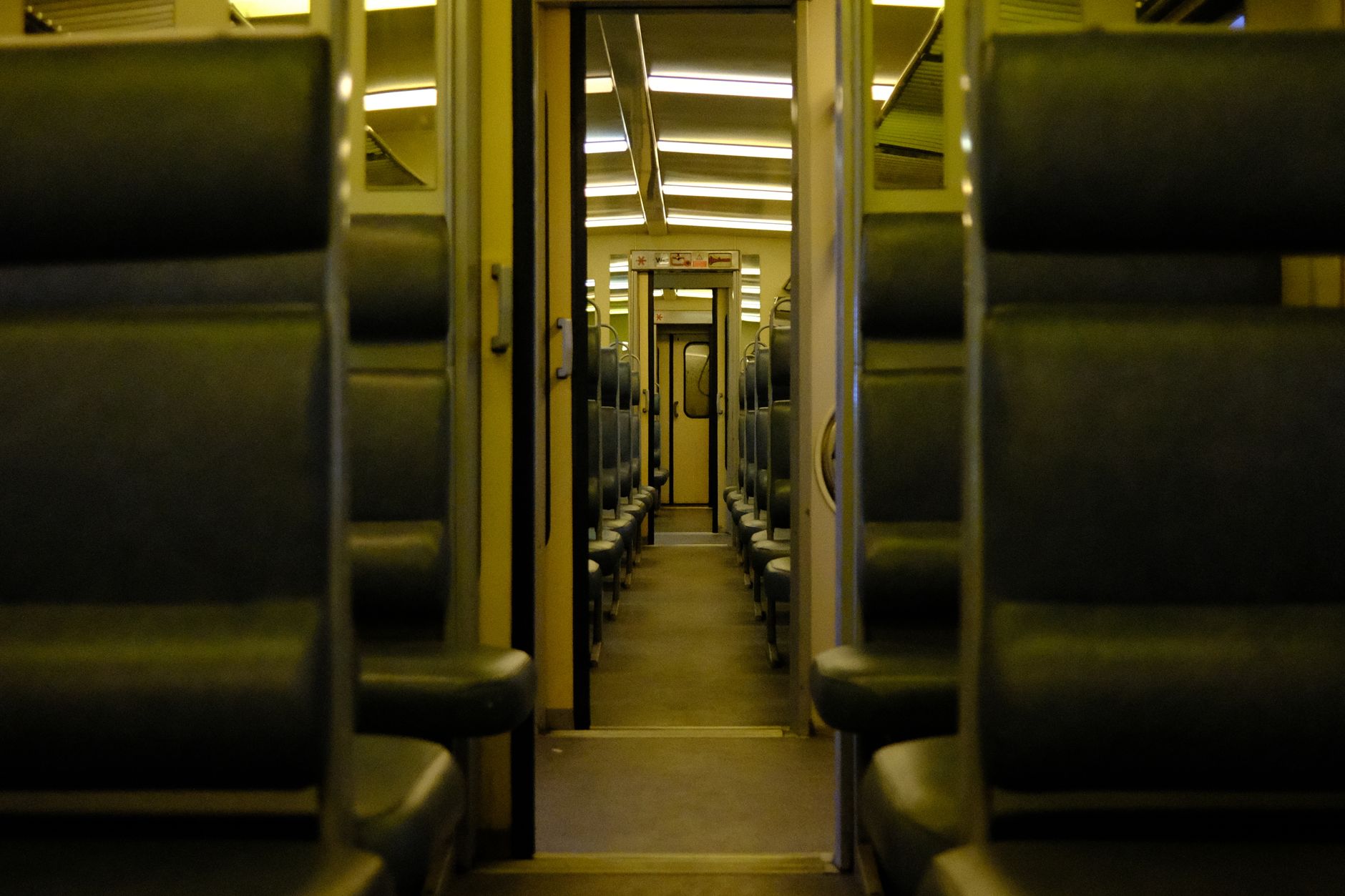
A 56-Passenger Motor Coach is the workhorse of long-haul group travel when the headcount is close to capacity and everyone needs to remain together. It provides reclining seats, overhead storage, a restroom, DVD or USB features depending on the assigned coach, and underfloor luggage bays for a multi-day trip. Confirm the passenger count together with suitcase volume because a full roster plus large luggage can use cargo capacity faster than expected. For Mount Rushmore and the Black Hills, the coach works well on interstates and primary highways but needs route review for tight streets, tunnels, steep grades, and limited attraction parking. If the group is smaller or the itinerary includes narrow local roads, a mini coach or executive Sprinter may be easier to stage.
| Vehicle | Seats | Best For | Notes |
|---|---|---|---|
| 56-Passenger Motor Coach | Up to 56 passengers | Choose this when the group needs one vehicle for a long-haul itinerary with substantial luggage and repeated hotel-to-attraction moves. | Reclining seats, overhead storage, restroom, onboard entertainment or USB depending on equipment, and underfloor luggage bays; best for full-group multi-day travel on primary highways. |
| 40- to 50-Passenger Motor Coach | 40-50 passengers | Use this when the confirmed headcount is below 50 or when extra seating and cargo margin matter more than maximum capacity. | Provides similar highway comfort and luggage-bay capacity with a little more flexibility at hotel drives and smaller attraction lots than a fully loaded coach. |
| 24- to 35-Passenger Mini Coach | 24-35 passengers | Choose this for a regional group tour with moderate luggage and a route that includes tighter streets or smaller parking areas. | More maneuverable than a full-size motor coach and useful for smaller groups, though restroom and underfloor cargo features vary by vehicle. |
| Executive Sprinter or Mini Bus | 10-24 passengers | Use this for airport transfers, local shuttles, or a small VIP group rather than a 56-passenger Mount Rushmore tour. | Best for short transfers and compact groups, with limited luggage space and less ride comfort for a long multi-day interstate run. |
Routing, Timing, and On-the-Road Realities
For a full-size motor coach, the normal approach is to stage in Rapid City or Keystone and use US-16A, US-16, and SD Highway 244 according to the day's stops. Mount Rushmore directs buses, large RVs over 29 feet, trailers, and commercial vehicles to the designated bus lane, and commercial bus parking is limited enough that early arrival is the safer plan during peak summer. The driver should avoid promising a scenic-road loop until the carrier checks vehicle dimensions, clearances, grades, switchbacks, construction, and weather. Iron Mountain Road is especially sensitive because its pigtail turns and low-clearance tunnels can make it unsuitable for some full-size coaches. When a route is not approved, use primary highways and schedule a separate viewpoint or attraction that can accept the coach. Keep boarding windows generous because 56 passengers take longer to unload, walk through a venue, use restrooms, and reboard than a small private group.
Driver planning should treat travel days and sightseeing days as one duty record, not separate bookings. Passenger-carrier rules generally allow up to 10 hours of driving after 8 consecutive hours off duty, limit the on-duty window to 15 hours, and impose a 60-hour or 70-hour weekly on-duty ceiling depending on the carrier's schedule. A departure from Denver, Omaha, Minneapolis, or another distant origin may require an overnight stop, a second driver, or a different first-night destination before the group reaches the Black Hills. Pickups should be early enough to protect interstate traffic, construction delays, mountain weather, meal stops, fueling, and attraction loading. Avoid scheduling the memorial immediately after a maximum-duty travel day; a half-day arrival with a local first stop is more reliable. Mount Rushmore does not permit overnight parking, and bus operators should follow posted idle limits, use only open public roads and designated parking, and account for special-event closures around the amphitheater.
What This Typically Costs
A 56-Passenger Motor Coach quote usually combines a daily vehicle rate, a mileage component, and any deadhead miles needed to bring the motor coach to the pickup city and return it after the group tour. In most markets, long-haul work commonly runs a few thousand dollars per service day, with the final range moving substantially by season, origin, total days, and whether the coach is already positioned in the Black Hills. Carriers may apply a daily minimum, especially when the bus travels several hundred miles for a short local assignment, while a multi-day itinerary is often priced as a package of service days, route miles, driver expenses, and overnight requirements. Peak summer, Sturgis Motorcycle Rally dates, holiday periods, and major Black Hills events can tighten availability and raise rates, so early booking matters. Typical line items include driver lodging, meals or per diem, tolls where applicable, parking fees, fuel adjustments, and a customary driver gratuity that is generally paid separately. Ask for the rate basis in writing: daily hours, included miles, deadhead treatment, cancellation terms, parking responsibility, and whether a second driver is required.
Frequently Asked Questions
How many days should a Mount Rushmore group tour take? An efficient regional plan is three days, with travel and an initial stop on day 1, a full Black Hills sightseeing day on day 2, and return travel on day 3. Groups coming from the Midwest, Mountain West, or farther east commonly need four to six days so the motor coach can cover the approach without forcing an excessive driving day. A longer multi-day schedule can add Badlands National Park, Custer State Park, Crazy Horse Memorial, Deadwood, and Rapid City. The right trip length depends on the pickup city, required arrival time, and whether the group wants a full Mount Rushmore evening program.
How many days should a Mount Rushmore group tour take?
What months work best for a 56-Passenger Motor Coach trip to Mount Rushmore? Late May through September generally offers the most dependable access to Black Hills attractions, with June through August carrying the heaviest visitor and event traffic. September often gives groups a useful balance of milder temperatures, fall conditions, and somewhat less congestion than the core summer period. Spring and October can work, but weather, shorter operating windows, and attraction schedules require confirmation before contracting the route. Avoid assuming normal availability around the Sturgis Motorcycle Rally, holiday weekends, and major regional events. Mount Rushmore facilities operate year-round except December 25, but winter travel requires snow and wind contingencies.
What months work best for a 56-Passenger Motor Coach trip to Mount Rushmore?
Can a full-size motor coach park at Mount Rushmore? Yes, commercial buses use the memorial's designated bus lane and visitor parking facility, but the driver should enter Lane Four for buses, large RVs over 29 feet, trailers, and commercial vehicles. The commercial tour bus parking fee is generally charged at the entrance and is valid for 24 hours; nonprofit educational buses have a different fee category. Large-vehicle space is limited during peak summer, so an early arrival is operationally safer than scheduling the coach for the middle of the day. Overnight parking is not permitted within the memorial, and diesel idling in the commercial bus area is restricted to loading, unloading, and reasonable warm-up. The carrier should verify current gate directions and any temporary traffic control before departure.
Can a full-size motor coach park at Mount Rushmore?
Does a group need a special permit for a Mount Rushmore bus tour? A normal sightseeing group entering the visitor facility generally uses the commercial bus parking process rather than obtaining a special-use permit for ordinary admission. Permits may become relevant for organized activities, commercial filming, special events, demonstrations, or uses beyond standard sightseeing. Mount Rushmore also applies South Dakota vehicle size, weight, and load limits within the memorial. The itinerary should identify any planned ceremony, performance, meal service, branded activation, or private event so the venue can confirm requirements. A motor coach does not receive permission to use restricted administrative roads or closed lots simply because it has a reservation.
Does a group need a special permit for a Mount Rushmore bus tour?
What route works best for a 56-Passenger Motor Coach in the Black Hills? Most groups stage in Rapid City, Keystone, Hill City, or Custer and use US-16A, US-16, and SD Highway 244 according to the day's stops and vehicle conditions. A standard sightseeing loop can connect Mount Rushmore, Iron Mountain Road, Custer State Park, Crazy Horse Memorial, and Hill City, but the order should account for coach length, curves, construction, and scheduled parking. Iron Mountain Road includes tight turns, low-clearance tunnels, and pigtail sections that can be unsuitable for a full-size motor coach depending on the specific vehicle and direction. The dispatcher should obtain the carrier's approved route before promising that every scenic road is available. Oversize routing is a field decision based on posted restrictions, weather, roadwork, and the actual coach dimensions.
What route works best for a 56-Passenger Motor Coach in the Black Hills?
How do driver hours affect a multi-day Mount Rushmore group tour? Passenger-carrier rules generally limit a driver to 10 hours of driving after at least 8 consecutive hours off duty, with a 15-hour on-duty window and a 60-hour limit in 7 days or 70 hours in 8 days depending on the carrier's operating schedule. Hotel stops, loading, inspections, fueling, and other work count toward on-duty time, not just time moving on the highway. A day that looks manageable on a map can fail once rest breaks, meal stops, attraction loading, traffic, and mountain roads are included. Long approaches from Denver, Minneapolis, Omaha, Chicago, or the Pacific Northwest may require a planned overnight stop, a second driver, or a split itinerary. The carrier must review the complete duty history, including other jobs, before approving the schedule.
How do driver hours affect a multi-day Mount Rushmore group tour?
What does a 56-Passenger Motor Coach include for this trip? It is the workhorse of long-haul group travel, with reclining seats, overhead storage, a restroom, DVD or USB features depending on the assigned coach, and luggage bays underneath. It fits a full school, church, alumni, military, association, or tour group without splitting passengers across several vehicles. The underfloor bays handle rolling luggage better than a smaller shuttle, but passengers should still keep day bags, cameras, water, and medication at their seats. A full load increases stopping time, so the itinerary needs realistic boarding windows at hotels and attractions. The coach is comfortable on interstate corridors but less suitable for tight downtown streets, narrow scenic roads, or venues with limited turning radii.
What does a 56-Passenger Motor Coach include for this trip?
How to Book
To book, have the travel dates, pickup address, passenger count, luggage estimate, destination hotels, and preferred Mount Rushmore itinerary ready. Include every planned stop, including Badlands National Park, Custer State Park, Crazy Horse Memorial, Deadwood, Rapid City, or evening programs, because each one affects miles and driver duty time. US Bus Trips can commonly return a workable quote within 4 business hours when the route and dates are complete. Confirmation should identify the assigned vehicle class, service dates, pickup and drop-off instructions, mileage or daily-hour basis, driver lodging plan, parking responsibilities, cancellation terms, and contact procedures; reach us through the booking channel or phone contact provided by US Bus Trips.
Related Trips You Might Also Consider
- Alumni Tour — Pacific Region
- Senior Tour Group — Mountain West Region
- Santa Ana, CA to Anaheim, CA
- Military Reunion — Mountain West Region
- Aurora, CO to Vail, CO
- Las Vegas, NV to Grand Canyon, AZ
- Cross-Country Charter Bus Overview
- All Group Trip Types
- See the Full Fleet (Sprinters through 56-pax coaches)
- Get a Free Quote in 60 Seconds