
US Bus Trips books Niagara Falls group tour transportation for schools, reunions, senior groups, associations, and private travel parties starting across the United States.
Overview
A Niagara Falls group tour works best when the organizer treats it as a transportation project rather than a simple attraction transfer. The usual customers are school and university groups, church and senior organizations, family reunions, alumni associations, and private tour operators combining the falls with Buffalo, Toronto, the Finger Lakes, or upstate New York. A 56-Passenger Motor Coach is the workhorse for a full roster because everyone departs from the same pickup point, luggage stays in the lower bays, and the group does not have to coordinate a convoy of vans. Common approach corridors include I-90 from the Albany, Syracuse, Rochester, and Buffalo markets, I-81 from the Southern Tier, and I-90 or I-80 connections for groups starting in New England, Pennsylvania, Ohio, or the Midwest. Day 1 should include realistic meal, restroom, fuel, and driver-break planning before the bus reaches Niagara Falls.
The park day should be built around walking and timed attractions, not continuous curbside repositioning. On the New York side, Niagara Falls State Park identifies Parking Lot 3 at 50 Goat Island Road for automobiles, RVs, and buses, while Lots 1 and 2 are automobile-only and Lot 4 is not bus parking. Lot 3 does not allow overnight parking, and the park notes restrictions for RVs or trailers over 40 feet, so the dispatcher should confirm the current coach dimensions, fees, hours, and same-day re-entry procedure. Attraction patterns commonly include Prospect Point, the Observation Tower or Maid of the Mist, Cave of the Winds, Goat Island, Three Sisters Islands, the Aquarium of Niagara, and a scheduled meal away from the busiest curb areas. A motor coach should unload once near the planned park route and return at a fixed time, rather than circulate through congested streets while passengers explore.
Venue and border details can change the trip more than the highway mileage. A US-only itinerary can stage hotels in Niagara Falls, New York, Amherst, Williamsville, or Buffalo depending on rate, parking, and the next day's direction; a Canadian itinerary may stage in Niagara Falls, Ontario, but requires passport or other accepted travel documents for every passenger and crew member. Niagara Falls State Park states that commercial walking or cycling tours require a commercial activities permit and that group operators can contact the park regarding group registration and rates. Hotels need a coach-capable entrance, legal loading space, driver room or a lodging plan, and enough clearance for a full-size motor coach. Summer weekends, fireworks, concerts, marathons, weddings, school calendars, and holiday travel can consume rooms and curb space well before the attraction reservations sell out. Confirm the entire multi-day sequence with the hotel, park, cruise or boat operator, and any border crossing plan before publishing passenger times.
Fleet Options
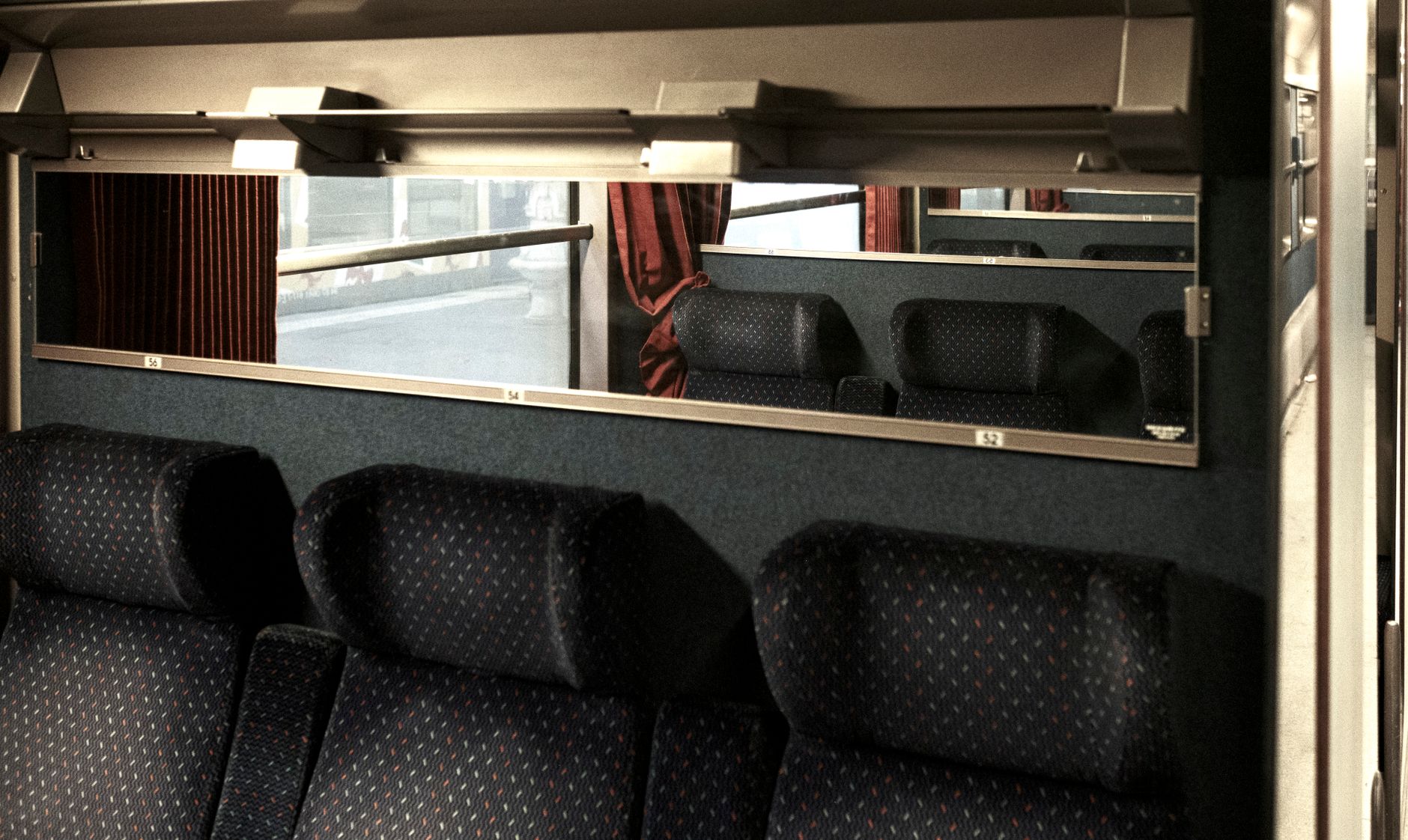
Vehicle choice starts with the headcount, baggage plan, route geometry, and number of daily stops. A 56-Passenger Motor Coach is the right baseline for a full group tour when everyone needs to ride together with luggage below, reclining seats, overhead storage, a restroom, and onboard USB or entertainment equipment. Smaller vehicles can be easier at hotel drives and tight downtown approaches, but splitting a group adds coordination and usually more vehicles. For Niagara Falls, confirm the hotel's coach entrance, the park's designated bus lot, and any Canadian-side loading restrictions before choosing equipment.
| Vehicle | Seats | Best For | Notes |
|---|---|---|---|
| 56-Passenger Motor Coach | 50-56 passengers | Use for a full multi-day group tour traveling together between distant pickup markets, Buffalo, and Niagara Falls. | Best long-haul comfort with reclining seats, overhead storage, restroom, DVD or USB, and underfloor luggage bays; verify clearance and turning room at every hotel and attraction. |
| 40-44 Passenger Motor Coach | 35-44 passengers | Use when the group has fewer than 45 travelers or when a little more seating and baggage margin is needed without a full 56-seat coach. | Provides similar highway comfort with somewhat easier maneuvering and may be a better fit when the roster or luggage count is below full capacity. |
| 24-35 Passenger Mini Coach | 24-35 passengers | Use for a mid-sized group, a feeder leg, or a secondary vehicle serving an itinerary with tighter streets and more frequent short stops. | More practical on narrow hotel approaches and smaller excursion stops, but cargo space and restroom availability vary and should be confirmed in writing. |
| Executive Sprinter Van | 8-14 passengers | Use for a small VIP group, airport transfer, scout vehicle, or overflow movement rather than a 56-passenger tour. | Easy to place at restaurants and downtown hotels, but luggage capacity, standing room, and onboard amenities are limited compared with a motor coach. |
Routing, Timing, and On-the-Road Realities
For a long-haul group tour, schedule the first pickup with the driver's legal duty day in mind, not simply the distance shown on a map. I-90 is the primary east-west approach through Buffalo and Rochester, but construction, lake-effect weather, toll stops, and weekend traffic can make the final approach slower than expected. Groups from New York City, New England, Pennsylvania, Ohio, or the Midwest may need an overnight en route or a second driver if the first day includes multiple pickups. A practical day 1 uses one consolidated pickup window, one or two planned service stops, a meal stop with coach parking, and one arrival-side activity only if the driver's hours support it. Avoid promising a same-day dinner reservation immediately after arrival when the route includes several pickup points. Share the passenger manifest and emergency contact process with the driver, but keep the operating schedule in the dispatch packet so changes can be communicated quickly.
At Niagara Falls State Park, send the coach to the designated bus-capable parking area and plan walking connections between attractions. Do not direct a full-size motor coach into automobile-only lots, residential streets, low-clearance garages, or unverified downtown loading zones. For the Canadian city, local parking and traffic rules restrict where large motor vehicles can stop or park, and city permit programs may not be available for large buses or vehicles over 21 feet, so hotel and venue instructions must be confirmed in advance. Border crossings require time for passenger documents, inspections, and possible secondary processing; keep the schedule flexible and do not place a nonrefundable attraction immediately against the crossing. Driver hours include driving, passenger loading, waiting, inspections, fueling, and other on-duty work, while Ontario rules for commercial buses include daily driving and on-duty limits, off-duty requirements, and weekly or biweekly cycle limits. If the run exceeds one driver's legal window, arrange a second qualified driver or a proper overnight layover before the trip is confirmed.
What This Typically Costs
A 56-Passenger Motor Coach is usually quoted from a daily charter rate plus mileage, with a daily minimum even when the bus runs fewer hours. A multi-day group tour commonly runs a few thousand dollars per day before fuel, tolls, taxes, parking, and lodging, while longer Northeast corridors add mileage and deadhead from the coach's home market. Peak summer weekends, holiday periods, fall foliage dates, and large event weekends around Buffalo and Niagara Falls can tighten availability and raise rates. Ask whether the quote includes the outbound deadhead, return deadhead, driver overnight lodging, meals or per diem, and any cross-border operating requirements. Typical pass-through items include Niagara Falls State Park motorcoach parking, attraction tickets, tolls, fuel adjustments, and driver gratuity. A realistic budget should carry a contingency for traffic-related overtime, an added driver, or a hotel night if the schedule cannot legally be completed by one driver.
Frequently Asked Questions
How much road space does a 56-Passenger Motor Coach need?
For a full-size 56-Passenger Motor Coach, plan on roughly 10 to 12 feet of clear width, about 13 to 14 feet of vertical clearance, and approximately 45 to 50 feet of length, subject to the carrier's equipment. The exact turning radius and rear overhang matter at hotel drives, attraction entrances, and older downtown streets. Have the dispatcher verify the coach dimensions before confirming any garage, loading zone, or restricted approach. Never assume a route that works for passenger cars will work for a motor coach.
Where can a motor coach park at Niagara Falls State Park?
The New York side is generally the simplest base for a US-only group tour, with Niagara Falls State Park providing motorcoach parking in Lot 3 at 50 Goat Island Road. The park identifies that lot for automobiles, RVs, and buses, prohibits overnight parking, and restricts RVs or trailers over 40 feet; confirm current commercial bus fees and seasonal hours before arrival. Lots 1 and 2 are not bus parking, and Lot 4 is also not designated for buses. The coach should use a planned passenger drop-off and reunification point rather than circling the park while the group visits attractions.
Does a Niagara Falls group tour need a bus permit?
For the US side, the State Park may require group registration or attraction coordination, and commercial walking or cycling tours require a commercial activities permit. A regular bus transporting guests is not the same as an operator conducting a commercial guided walking tour, so the itinerary should identify which activities are ticketed and which are guided. If the group crosses into Canada, border documentation, carrier authority, insurance, and Canadian operating requirements must be checked before dispatch. The broker should confirm permits and venue instructions with the current park and attraction contacts rather than relying on an old trip sheet.
What are the best months for a Niagara Falls group tour?
May through October is the main operating season for a Niagara Falls group tour, with the warmest weather and full attraction schedules but heavier traffic, higher lodging demand, and more crowded weekends. Late spring and early fall can offer a better balance of walkability and hotel availability. July and August require earlier reservations for Maid of the Mist, Niagara City Cruises on the Canadian side, Cave of the Winds, and hotels. Winter can work for an indoor-focused itinerary, but ice, wind, reduced attraction schedules, and weather-related highway delays require flexible timing.
How many days should a 56-passenger Niagara Falls tour take?
A practical five-day multi-day itinerary might use day 1 for pickup, the I-90 corridor, a meal stop, and an arrival-side stop such as Old Fort Niagara or Buffalo's Canalside if timing permits. Day 2 can cover Niagara Falls State Park, Prospect Point, the Observation Tower or Maid of the Mist, and Cave of the Winds, with scheduled walking time rather than repeated bus moves. Day 3 can add the Aquarium of Niagara, Whirlpool State Park, or a Canadian-side visit if every traveler has the required documents. Day 4 can use a regional excursion to Buffalo, Lockport, or Niagara-on-the-Lake, depending on border plans and the group's interests. Day 5 is the return run with a planned meal and fuel stop, not an optimistic door-to-door estimate.
What does a 56-Passenger Motor Coach include?
A full 56-Passenger Motor Coach normally has reclining seats, overhead storage, a restroom, DVD or USB equipment, and luggage bays underneath. Those features make it the workhorse for a full-group multi-day tour because passengers stay together and checked bags remain below the cabin. The coach is less suitable for tight historic districts, low-clearance garages, or hotel approaches designed for cars. Build the itinerary around a few deliberate unload points, then let the group walk between nearby attractions instead of repositioning the bus every hour.
How are driver hours handled on a multi-day Niagara Falls trip?
A driver can often cover a long transfer day, but legal driving time is not the same as the itinerary's total duty time. Loading, fueling, inspections, traffic, passenger stops, border processing, and waiting at attractions all consume the driver's on-duty window. US and Canadian rules differ, and Ontario commercial bus rules include daily limits on driving and on-duty time, required off-duty periods, and cycle limits. For a long first day followed by late attractions or a same-day return, the carrier may need a second driver or an overnight stop. The dispatcher should build the log schedule before promising departure and arrival times.
How to Book
To price the trip, send the travel dates, passenger count, pickup address, luggage estimate, preferred hotel area, and a stop-by-stop itinerary if one exists. Include whether the group will remain on the US side or cross into Canada, since documents, routing, carrier authority, and timing may change. US Bus Trips typically returns a workable quote within 4 business hours, subject to carrier availability and complete trip details. The confirmation should identify the vehicle class, pickup and drop-off times, routing assumptions, parking and toll responsibility, driver lodging, cancellation terms, and the dispatch contact.
Related Trips You Might Also Consider
- Austin, TX to San Antonio, TX
- Anaheim, CA to San Diego, CA
- Long Beach, CA to Los Angeles, CA
- Alumni Tour — Mountain West Region
- Everglades — 14-Passenger Sprinter
- Wedding Guest Block — Southeast Region
- Cross-Country Charter Bus Overview
- All Group Trip Types
- See the Full Fleet (Sprinters through 56-pax coaches)
- Get a Free Quote in 60 Seconds