
A 56-Passenger Motor Coach is built for organized groups moving together from Seattle, Portland, or another regional origin into Olympic National Park.
Overview
An Olympic group tour needs more planning than a simple Seattle sightseeing run because Olympic National Park is spread across a large Peninsula with no single road connecting every major area. A 56-Passenger Motor Coach commonly starts in Seattle, Tacoma, or another Puget Sound pickup zone and stages through Port Angeles before reaching Hurricane Ridge, Lake Crescent, or the north coast. West-side touring is usually based around Forks or Kalaloch for Hoh Rain Forest, Rialto Beach, Ruby Beach, and the coastal corridor. Groups coming from Portland often route through Olympia and Aberdeen, while Eastern Washington groups may approach through Tacoma or the Hood Canal side. The right itinerary uses geographic clusters instead of sending the motor coach across the Peninsula repeatedly. That matters for fuel, driver hours, passenger fatigue, and the chance of losing a planned stop to traffic or weather.
The typical customer is a school, church, alumni association, nature club, family reunion, or packaged group tour organizer that needs one manifest and predictable movement over several days. Day 1 is usually a travel and orientation day, with a morning pickup, meal stop, ferry or highway routing if selected, and an arrival at Port Angeles, Sequim, or another staging town. Days 2 through N can divide the Olympic visit into north, west, and coastal sectors rather than treating the park as one compact venue. Hurricane Ridge is a common first park stop from Port Angeles, while Lake Crescent can fit on the same side of the itinerary when road and parking conditions support it. Hoh Rain Forest deserves its own timing plan because summer parking and entrance queues can create waits of up to two hours during busy periods. A multi-day motor coach plan should leave recovery time for weather, meal breaks, passenger loading, and an alternate stop.
Summer provides the best operational access, with June through September generally offering the broadest road and facility availability, but it also brings the highest demand for Olympic lodging and parking. July and August are the most crowded months for Hoh Rain Forest, Hurricane Ridge, Lake Crescent, and coastal pullouts, so groups should target early arrivals and reserve lodging well ahead. Late spring and early fall can reduce pressure but may bring rain, construction, reduced services, or temporary closures. Winter touring is possible, but Hurricane Ridge access is weather dependent and commonly scheduled on selected days rather than treated as a guaranteed daily stop. The park requires vehicles traveling above Heart O' the Hills to carry chains or approved traction devices during the winter period, including four-wheel-drive vehicles. Before a 56-Passenger Motor Coach departs, the dispatcher should check the park alerts, recorded road and weather information, and every planned facility for current restrictions.
Fleet Options
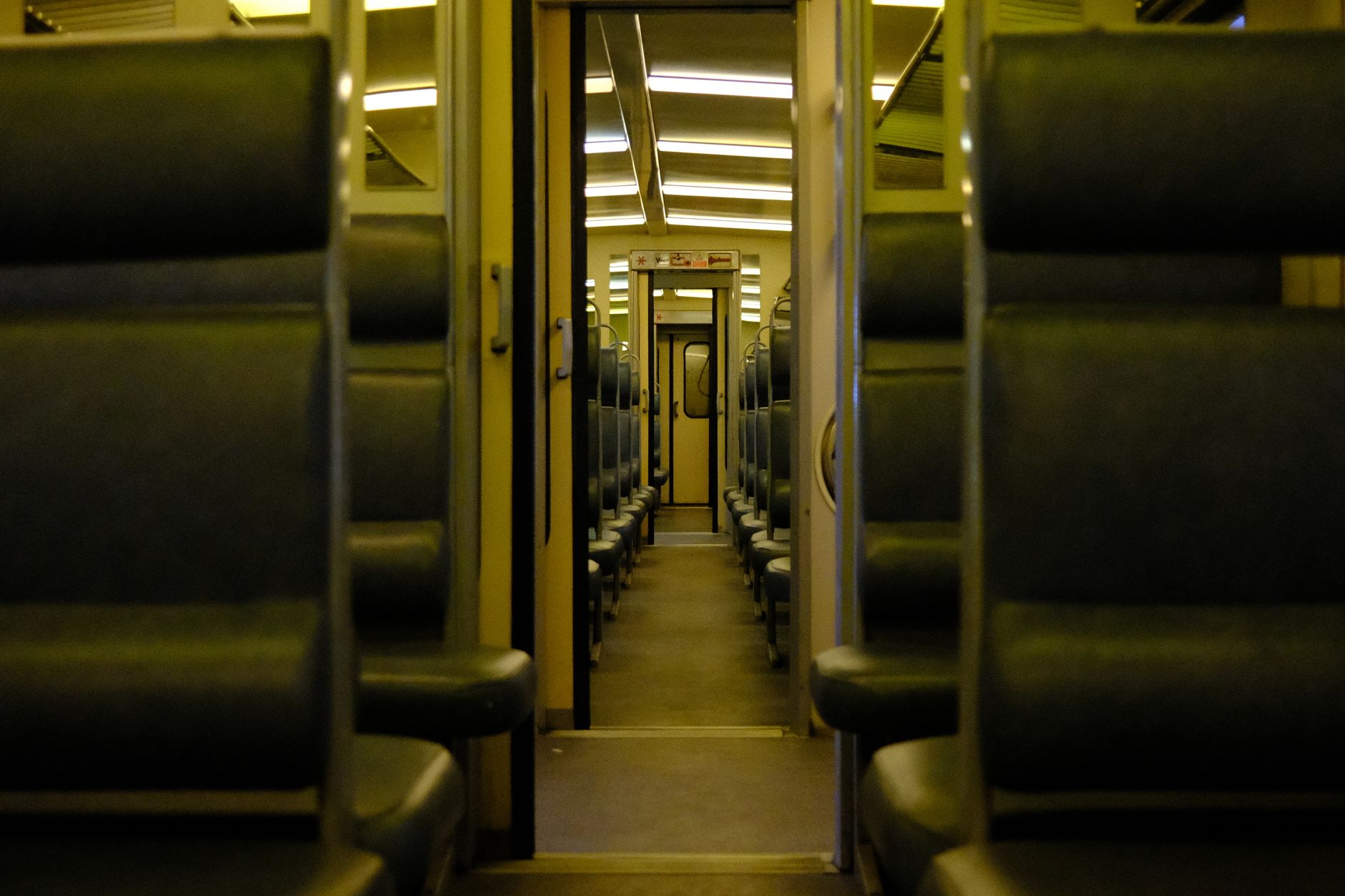
Vehicle choice starts with the actual headcount, luggage volume, and road plan, not just the number of seats. A 56-Passenger Motor Coach is the strongest fit when 40 to 56 passengers need to stay together for a multi-day group tour with checked bags, coolers, and outdoor gear. The coach provides reclining seats, overhead storage, a restroom, entertainment connections, and underfloor luggage bays, but its size affects ferry reservations, hotel access, turnaround space, and park parking. If the itinerary includes tight downtown streets, small lodging driveways, or bus-incompatible trailheads, a smaller motor coach or split fleet may be more workable. Confirm the carrier's actual seat count and equipment because restroom, USB, Wi-Fi, and entertainment specifications vary by vehicle.
| Vehicle | Seats | Best For | Notes |
|---|---|---|---|
| 56-Passenger Motor Coach | 40-56 passengers | Use it when the group wants one vehicle for a full Olympic multi-day itinerary and has enough luggage to justify the underfloor bays. | Best long-haul comfort and luggage capacity, with reclining seats, overhead bins, restroom, and underfloor bays; requires bus-compatible parking and wider turning room. |
| 40-47 Passenger Motor Coach | 32-47 passengers | Use it when the group is below full capacity or the route includes more constrained hotel entrances and visitor-center parking. | Still offers coach seating and luggage storage while reducing length and parking pressure, although it may not carry a full 56-person roster. |
| 24-35 Passenger Mini Coach | 20-35 passengers | Use it for a smaller group or a split operation where Olympic access points and lodging cannot comfortably receive a full-size coach. | More maneuverable for urban pickups and smaller lots, but cargo space and onboard features are typically less generous than a full-size motor coach. |
| Executive Sprinter Van | 8-14 passengers | Use it for scouting, airport transfers, or a small overflow group rather than a 56-passenger Olympic group tour. | Useful for small executive groups and short transfers, but luggage, restroom availability, and long-haul comfort are limited compared with a motor coach. |
Routing, Timing, and On-the-Road Realities
A practical four-day Olympic group tour from Seattle might use Day 1 for pickup, a controlled meal stop, ferry or highway travel, and overnight staging in Port Angeles. Day 2 can cover Hurricane Ridge and Lake Crescent, with the coach returning to Port Angeles or relocating toward Forks if the hotel plan supports it. Day 3 can focus on Hoh Rain Forest and the west coast, with Rialto Beach, Ruby Beach, or Kalaloch selected according to bus access, daylight, and parking. Day 4 can provide a shorter coastal morning followed by the return corridor through Aberdeen and Olympia, or it can serve as a fifth day when the group must reach Portland, Spokane, or another distant endpoint. Seattle-area traffic on Interstate 5, the Tacoma corridor, and ferry queues can consume the schedule before the Peninsula portion begins. Pickup before the main commuter peak is usually preferable, and ferry reservations, if used, must be coordinated with the carrier because a late bus arrival can affect the entire day.
A 56-Passenger Motor Coach needs a confirmed bus route at every major stop, not simply a passenger-car map pin. Hurricane Hill Road and Obstruction Point Road are not suitable for buses, and road-based park tours must stay on appropriate paved routes and use designated parking or pullout areas. At Hoh Rain Forest, limited summer parking and entrance congestion make an early arrival, often before 8 a.m., materially better than an open-ended midday arrival. At Hurricane Ridge, the lot can fill and road access can be temporarily restricted, so the itinerary should include a weather and capacity fallback. Drivers should load and unload only where permitted, avoid blocking traffic, and limit idling to active passenger movement. The dispatch plan must also account for federal driver hours-of-service, ferry loading, fueling, inspections, meal stops, and a legal overnight rest period rather than assuming the coach can operate from dawn through a late return.
What This Typically Costs
A 56-Passenger Motor Coach for an Olympic group tour is usually quoted from a daily charter rate, a mileage component, or a blended package, with a daily minimum applying even on shorter operating days. The quote should separate revenue miles from deadhead miles, including the coach's trip from its home yard to pickup and its return after the tour. Multi-day pricing commonly includes driver lodging, parking, tolls, ferry charges when applicable, and meal or per diem arrangements, but these items should be confirmed rather than assumed. Summer and holiday periods commonly run higher because Olympic demand, Seattle events, weddings, school travel, and limited Peninsula lodging compete for vehicles and rooms. Fuel adjustments, park entrance charges, driver gratuity, and special venue fees may appear as separate line items. In most markets, a full-size motor coach for several days commonly runs a few thousand dollars per operating day before itinerary-specific mileage, lodging, and access costs, so a firm quote requires dates, pickup location, passenger count, and the complete route.
Frequently Asked Questions
How many days should a 56-passenger Olympic group tour take?
For a standard Olympic group tour, plan on four to six days from a Seattle-area origin: one travel day to reach the Peninsula and three or four park days, with a final return day if the group is coming from farther away. A Seattle pickup can reach Port Angeles or the west side with stops, but a 56-Passenger Motor Coach should not be scheduled around an overly ambitious same-day loop. Groups starting in Portland, Spokane, Boise, or California generally need additional travel time or a separate staging night. A multi-day plan gives the driver room for ferry delays, weather, loading, and regulated rest.
What are the best months for an Olympic group tour?
The most dependable window is June through September, when Olympic roads and visitor services generally have their broadest seasonal operation. July and August offer the longest daylight but also the heaviest traffic, full parking areas, and highest lodging pressure. Late May and early October can work for groups willing to accept rain, reduced services, and possible construction or weather changes. Winter is a specialized option: Hurricane Ridge operations are weather dependent, scheduled mainly on selected days, and require traction equipment during the winter chain period. Check the park alerts and road conditions immediately before departure because roads and facilities can close temporarily.
What does a 56-Passenger Motor Coach fit well?
A 56-Passenger Motor Coach works well when the group wants one vehicle, one manifest, and underfloor luggage storage for a multi-day itinerary. It is the workhorse of long-haul group travel, with reclining seats, overhead storage, a restroom, DVD or USB features depending on the assigned coach, and luggage bays underneath. It fits full-group movement between lodging, ferry terminals, visitor centers, and paved park corridors better than a collection of cars. It does not turn or park like a small shuttle, so narrow roads, informal trailhead pullouts, and crowded lots must be screened in advance. For Olympic, the coach should be treated as a road-based transport platform, not as permission to enter every spur or trailhead.
Does an Olympic bus tour need a park permit?
Commercial road-based tour operators should confirm the applicable Olympic National Park commercial-use requirements before arrival. The park states that packaged road-based commercial tour operators transporting clients between points of interest on improved roads generally pay the commercial tour entrance fee for each entry rather than using a CUA, while interpretive tours and other commercial services can require a Commercial Use Authorization. A CUA application may have lead-time requirements, and a CUA does not override road, parking, or capacity restrictions. The operator must keep permits, insurance, vehicle documents, and the itinerary available for inspection. US Bus Trips should verify the exact service type with the park and the local carrier before finalizing the trip.
Where can a motor coach park inside Olympic National Park?
A full-size motor coach must use legal bus spaces, designated pullouts, or other areas where the vehicle can remain clear of traffic. At Olympic facilities, buses may load and unload only in designated zones when those zones are provided, and blocking a roadway during passenger movement is prohibited. Parking at Hurricane Ridge and the Hoh Rain Forest can fill quickly, especially in summer, so an early arrival and a bus-compatible backup plan are operationally necessary. Hurricane Hill Road and Obstruction Point Road are identified by the park as unsuitable for buses, so they should not appear as motor-coach destinations. The driver should never assume a passenger-car lot can absorb a 56-Passenger Motor Coach.
Where should a group stay during an Olympic tour?
The practical staging pattern is to sleep in Port Angeles for Hurricane Ridge and northern Peninsula touring, then use Forks, Kalaloch, or nearby west-side lodging for Hoh Rain Forest, Rialto Beach, and the Pacific coast. Sequim can work as a quieter base for groups that prioritize room inventory and are willing to backtrack toward Port Angeles. Aberdeen, Ocean Shores, or Tacoma may be useful arrival or departure staging points, but they create longer park-day runs. Lodging should be booked with a bus-accessible entrance, overnight coach parking, driver room, and a clear loading time. On peak summer dates, keeping the same hotel for the entire trip may be less efficient than a planned one-night relocation across the Peninsula.
How do driver hours affect a multi-day Olympic itinerary?
The driver must follow federal hours-of-service limits, including limits on driving time, on-duty time, and required off-duty rest; the carrier controls the compliance log and final schedule. A long Seattle pickup, ferry wait, Peninsula transfer, and evening hotel move can consume the driver's day even when the group has not traveled far. Build the itinerary around a legal driving window, not around every scenic stop the group requests. For longer tours, use a second qualified driver or add a true overnight break rather than expecting one driver to cover consecutive extended days. Passenger loading, fueling, inspections, traffic, and ferry queuing all need to be included in dispatch planning.
How to Book
To quote an Olympic group tour, have the travel dates, passenger count, pickup address, luggage estimate, lodging locations, and a stop-by-stop itinerary ready. Include whether the group plans Hurricane Ridge, Hoh Rain Forest, Rialto Beach, Lake Crescent, Port Angeles, Forks, or ferry travel, because each affects routing and coach feasibility. US Bus Trips can typically return an initial quote within 4 business hours when the dates and route are complete, with a revised operating plan after carrier and venue checks. The confirmation should identify the vehicle class, service hours, mileage or deadhead treatment, driver arrangements, parking and toll assumptions, cancellation terms, and contact details for day-of dispatch.
Related Trips You Might Also Consider
- Veterans Group — South Central Region
- Great Smoky Mountains — 36-Passenger Mini Coach
- Nashville, TN to Memphis, TN
- Corpus Christi, TX to Houston, TX
- Senior Tour Group — Southeast Region
- Mount Rushmore — 36-Passenger Mini Coach
- Cross-Country Charter Bus Overview
- All Group Trip Types
- See the Full Fleet (Sprinters through 56-pax coaches)
- Get a Free Quote in 60 Seconds