
US Bus Trips books Zion group tour transportation for families, clubs, corporate retreats, and small escorted tours that need one vehicle across several states.
Overview
A Zion group tour in a 24-Passenger Mini Bus is usually built around a three- to five-day operating window, not a rushed overnight run. Las Vegas, St. George, Salt Lake City, Phoenix, Southern California, and Denver are common origin markets, with travel routed through I-15, US-89, UT-9, or connecting corridors depending on the itinerary. A day-one pickup, highway meal stop, fuel plan, and Springdale arrival gives passengers time to check in before the next morning's park movement. Groups coming from Las Vegas commonly use the St. George corridor, while Salt Lake City departures may stage through Cedar City or arrive late enough to require an overnight before Zion sightseeing. The customer profile is usually a family reunion, alumni group, hiking club, corporate retreat, wedding party, or escorted tour that wants one vehicle rather than several rental cars. The 24-Passenger Mini Bus keeps the party together, but it does not eliminate the need for reservations, realistic walking schedules, or a backup plan for weather and crowded parking.
The Zion Canyon Visitor Center, Springdale pedestrian entrance, Zion Lodge, and Kolob Canyons are different operating points and should not be treated as interchangeable stops. During the park shuttle season, personal vehicles generally cannot use Zion Canyon Scenic Drive, so a group tour normally parks at the Visitor Center or in Springdale and transfers to the free park shuttle. The shuttle serves the canyon stops, but the 24-Passenger Mini Bus cannot use shuttle stops for passenger loading or parking. Zion Lodge access for a bus depends on a qualifying reservation or coordination, and the driver must use designated bus spaces. A full-size motor coach needs even more care because long vehicles may not pass the Zion-Mount Carmel Tunnel or continue beyond certain points. For a multi-day booking, the itinerary should separate park transportation from hotel transfers, restaurant moves, Bryce Canyon excursions, and airport or event work.
Lodging is usually staged in Springdale when morning pedestrian access and reduced transfer time matter most, with Hurricane, La Verkin, St. George, Cedar City, Kanab, or Virgin used when rates, inventory, or the next corridor make them more practical. Springdale hotels can simplify a Zion day but may have narrow loading areas, limited coach turning space, and strict arrival windows. Hurricane and La Verkin often provide more room for a 24-Passenger Mini Bus and can work well for groups willing to accept a longer morning transfer. St. George is useful for airport connections, restaurant capacity, and a southern Utah base, but it adds road time before the park. A group arriving for a wedding, retreat, or conference should reserve rooms and bus parking together because lodging availability tightens sharply in spring, summer, and fall. Confirm whether the hotel has a legal bus staging area rather than assuming the vehicle can idle at the front entrance.
Fleet Options
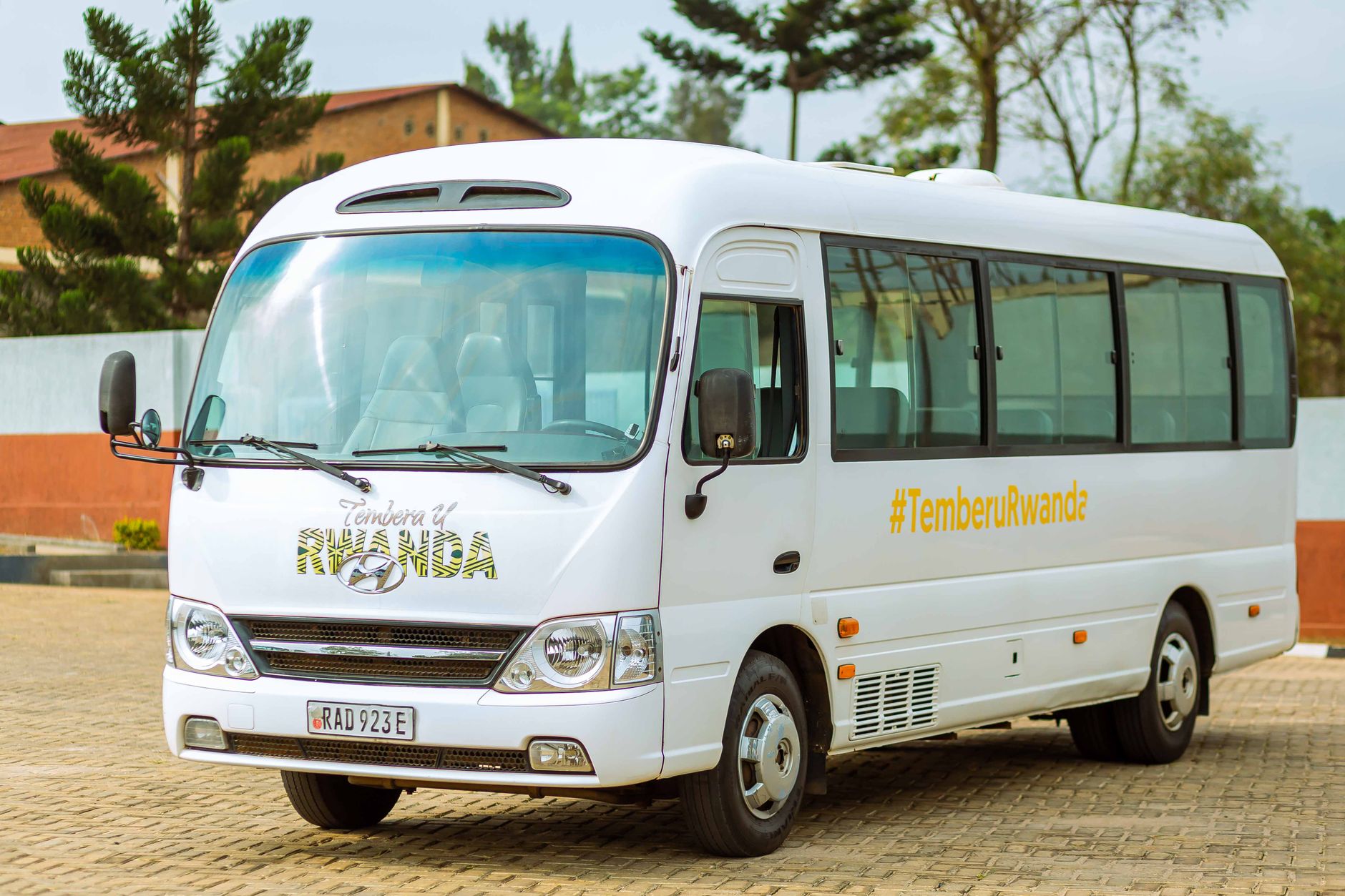
A 24-Passenger Mini Bus is a strong fit when the manifest is close to 24 passengers and the group values a compact footprint over the storage and restroom capacity of a full-size motor coach. These buses typically provide coach-style seats, with luggage carried in a rear compartment or on a roof system depending on the unit, so the operator needs the actual bag count before assigning the vehicle. The format works well for small tours, executive retreats, and first-class-only groups that want everyone together without paying for unused full-size capacity. It is easier to stage at hotels and urban pickup points, but it still may be too long, wide, or tall for some Zion road segments and park lots. Confirm passenger count, luggage volume, mobility equipment, and the vehicle's measured dimensions before final routing.
| Vehicle | Seats | Best For | Notes |
|---|---|---|---|
| 24-Passenger Mini Bus | Up to 24 passengers | Best for a small Zion group tour, executive retreat, or first-class-only group traveling together over several days. | Compact mini bus with coach-style seating and rear or roof luggage capacity; verify the assigned unit's tunnel dimensions and cargo limit. |
| 28- to 35-Passenger Mini Coach | 28-35 passengers | Use when the headcount is above 24 or the group needs more luggage capacity without moving to a full-size motor coach. | Adds seat and cargo margin for late additions or larger bags, but its increased dimensions can reduce flexibility on mountain roads and at hotel loading areas. |
| 40- to 56-Passenger Motor Coach | 40-56 passengers | Fits larger tours, school or association movements, and groups whose luggage volume is more important than compact park access. | Provides the best underfloor luggage capacity and highway comfort, but requires more careful Zion parking, staging, tunnel, and access planning. |
| Executive Sprinter Van | 8-14 passengers | Fits an executive retreat or family group below 14 when premium seating and easy urban access outweigh keeping the entire party in one vehicle. | Comfortable for a small premium group with limited luggage, but a lower seat count can require multiple vehicles and separate coordination at trailheads and hotels. |
Routing, Timing, and On-the-Road Realities
The usual Las Vegas to Zion approach uses I-15 north through Mesquite and St. George before turning toward Hurricane, La Verkin, and Springdale on UT-9. From Salt Lake City, the bus commonly uses I-15 south through Provo, Cedar City, and the Hurricane corridor, while Phoenix and Southern California groups need additional drive time and should avoid promising a same-day park hike after pickup. The best pickup time depends on the origin, but early departures are operationally safer for summer weekends because they reduce heat exposure and improve the chance of securing large-vehicle parking. Build fuel and meal stops outside the park where possible; canyon-side stops can consume the driver's legal duty window without moving the group. If the plan includes Bryce Canyon, the route normally uses US-89 and UT-12, and the bus should not be scheduled to complete a long Bryce day and a late Zion transfer without checking driver hours. Winter weather near Cedar City, Mount Carmel, and higher passes can require a lower-speed plan or an alternate overnight.
Inside Zion, the driver should treat the Visitor Center large-vehicle lot, approved Zion Lodge bus spaces, and designated Kolob Canyons areas as planned operating locations rather than backup parking. The Zion Canyon shuttle runs frequently during its operating season, but queues, pedestrian loading, and trail timing still require a group meeting point and headcount procedure. Loading and unloading zones can have short time limits, so the driver should arrive with passengers ready and avoid using shuttle stops as a layover. Before routing through the Zion-Mount Carmel Tunnel, verify actual width, height, and length; oversized vehicles may require one-way traffic control and a fee, while vehicles beyond posted limits may be barred. A 24-Passenger Mini Bus can be easier to manage than a full-size motor coach, but the assigned unit's roof luggage, mirrors, and equipment determine clearance. The dispatch plan should include a daily driver release time, hotel parking location, fuel window, shuttle transfer instructions, and a weather or road-closure check.
What This Typically Costs
A Zion group tour in a 24-Passenger Mini Bus is usually quoted from a daily vehicle minimum, then adjusted for mileage, routing, wait time, and deadhead miles from the bus's home market. In most markets, a multi-day motor coach-style booking commonly runs a few thousand dollars per operating day, with higher totals during spring break, summer weekends, fall color season, holiday periods, and major events in Las Vegas, Salt Lake City, St. George, or southern Utah. Distance is priced either through a mileage allowance or a per-mile schedule, and an empty repositioning leg can add meaningful deadhead cost when the bus must travel to the pickup city or return after the final drop. Driver lodging, parking, tolls, tunnel-control charges when applicable, park or commercial-use fees, and extra service hours are normally separate line items. Ask whether fuel adjustments apply, especially for long interstate corridors, and budget driver gratuity as a customary but separate operating expense.
Frequently Asked Questions
How many days should a group plan for Zion in a 24-Passenger Mini Bus?
Most groups should plan on three to five days for a practical Zion itinerary. A three-day group tour works when the pickup point is Las Vegas, Salt Lake City, or St. George and the group wants one travel day plus two park days. Four or five days is more realistic from Phoenix, Denver, Southern California, or a multi-city pickup because the 24-Passenger Mini Bus needs legal driver rest and the group benefits from a buffer for weather and traffic. A longer multi-day plan can add Bryce Canyon, Cedar Breaks, Grand Canyon North Rim when open, or a return night in Las Vegas.
What are the best months for a Zion group tour?
April through May and late September through October usually offer the best operating balance for a Zion group tour, with milder hiking temperatures than peak summer and better daylight than winter. June through August provides long days but brings heat, crowded parking, full lodging, and heavy demand on the Zion Canyon shuttle system. November through March can be quieter and less expensive, but snow, ice, short daylight, and seasonal road or trail closures require flexibility. The 24-Passenger Mini Bus should be routed with weather checks because mountain corridors around Cedar City, Mount Carmel, and the East Entrance can change faster than the valley forecast.
What does a realistic multi-day Zion itinerary look like?
A common plan starts with pickup in Las Vegas, Salt Lake City, St. George, or a nearby airport on day one, followed by a meal and an arrival stop at Springdale or the Zion Canyon Visitor Center if timing allows. Day two can use the park shuttle from the Visitor Center or Springdale pedestrian entrance for the Pa'rus Trail, Zion Lodge, Emerald Pools area, West Rim access, or Temple of Sinawava, subject to trail and shuttle conditions. Day three can cover Checkerboard Mesa and the Zion-Mount Carmel Highway only if the vehicle's dimensions meet current restrictions, or it can use Kolob Canyons and a Springdale afternoon. A fourth day can add Bryce Canyon through US-89 and UT-12, with lodging staged in Springdale, Hurricane, La Verkin, St. George, Cedar City, or Kanab depending on the next leg. The driver needs a real loading plan rather than repeated curbside stops because Zion commercial tour loading zones can be limited to five minutes.
Does a 24-Passenger Mini Bus need a permit inside Zion?
A 24-Passenger Mini Bus may qualify as a commercial tour vehicle, so the operator should confirm the current Zion National Park commercial-tour requirements before arrival. The park identifies approved bus parking and loading areas including the large-vehicle area at the Zion Canyon Visitor Center, designated Zion Lodge bus parking, and certain Kolob Canyons locations. Road-based tours cannot use Zion Canyon Scenic Drive shuttle stops or ordinary shuttle parking areas, and buses may not wait in those stops. During shuttle season, private vehicles are generally excluded from the Scenic Drive, so passengers transfer to the park shuttle rather than expecting the mini bus to reach every trailhead. Commercial access, special activities, or a Zion Lodge reservation may require advance coordination, while ordinary park entry and shuttle riding generally do not require a shuttle reservation.
Can this mini bus use the Zion-Mount Carmel Tunnel and East Entrance?
Measure the actual dispatched vehicle, including mirrors and roof equipment, before routing through the Zion-Mount Carmel Tunnel. Vehicles at or above 7 feet 10 inches wide or 11 feet 4 inches high require one-way traffic control and a tunnel-control fee, and vehicles over the park's posted length or height limits may be prohibited on parts of the highway. Vehicles longer than 19 feet face restrictions beyond the Zion Lodge area unless they have the required access arrangement, and buses over 50 feet or over 13 feet 1 inch high are listed as prohibited. A 24-Passenger Mini Bus is often more manageable than a full-size motor coach, but its exact wheelbase, height, width, and roof-mounted luggage must be verified. If dimensions do not work, route through the west side, use Springdale or the Visitor Center as the transfer point, and avoid promising an East Entrance crossing.
Where does a 24-Passenger Mini Bus park at Zion?
The driver should plan to arrive before the Zion Canyon Visitor Center fills, especially on summer Saturdays, holiday weekends, and peak fall dates. The park has designated large-vehicle spaces, but those spaces are limited and normal cars are not permitted to use them; a full lot may require parking in Springdale and walking or using the town shuttle to the pedestrian entrance. The 24-Passenger Mini Bus should unload only at approved areas, keep loading brief, and never block a park shuttle stop. Zion Lodge access for a large vehicle depends on a reservation or approved operational arrangement, and bus parking is in designated spaces rather than wherever a driver finds curb room. Include a passenger count procedure and a meeting point because the group may return on different park shuttles.
How do driver hours affect a Zion group tour?
Passenger-carrier hours are governed by federal hours-of-service rules, not by the group's preferred sightseeing schedule. The dispatcher must account for the driver's on-duty time during pickup, loading, interstate travel, fuel stops, park circulation, waiting, and the return to the hotel. A long first day from Southern California, Denver, or Phoenix can make a same-day Zion arrival impractical even when the road distance appears manageable. For a multi-day group tour, the cleanest plan is usually one driver with a properly scheduled overnight and a second driver only when the itinerary genuinely requires extended movement; adding a relief driver does not remove the need for accurate records. Build spare time around construction, canyon congestion, shuttle queues, and weather instead of using the legal limit as the sightseeing schedule.
How to Book
To quote a Zion group tour, send the travel dates, pickup address, passenger count, luggage estimate, accessibility needs, and every planned stop or hotel. Include whether the route starts in Las Vegas, Salt Lake City, St. George, Phoenix, Southern California, Denver, or another market because deadhead miles and driver staging can change the price. US Bus Trips typically returns a preliminary quote within 4 business hours, subject to vehicle availability and a dimension check for the requested route. The confirmation should identify the assigned vehicle class, operating dates and times, pickup instructions, itinerary assumptions, included mileage or service hours, driver lodging responsibility, and known park or parking constraints; call or submit the trip details through US Bus Trips to start the review.
Related Trips You Might Also Consider
- Omaha, NE to Des Moines, IA
- Choir Competition — Mid-Atlantic Region
- Wedding Guest Block — South Central Region
- Non-Profit Fundraiser — Pacific Northwest Region
- Oakland, CA to San Jose, CA
- Long Beach, CA to Las Vegas, NV
- Cross-Country Charter Bus Overview
- All Group Trip Types
- See the Full Fleet (Sprinters through 56-pax coaches)
- Get a Free Quote in 60 Seconds