
US Bus Trips arranges charter bus and motor coach service for studios traveling to regionals, nationals, showcases, and training weekends across Washington, Oregon, and Alaska.
Overview
Pacific Northwest Dance Competition travel is usually a Friday-to-Sunday operation built around early venue calls, long performance blocks, awards, and a return after the final routine. Studio owners, team directors, school programs, and parent committees commonly book one vehicle for dancers and chaperones, then add a second vehicle when parents or a second roster travels on the same schedule. Washington schedules are concentrated around Seattle, Bellevue, Renton, Tacoma, Everett, and Spokane, while Oregon demand commonly runs through Portland, Tigard, Salem, Eugene, Bend, and Ashland. A published competition order can change the required arrival time by several hours, so dispatch needs the first call, not just the doors-open time. The same charter bus may shuttle from a hotel to rehearsal, wait through performances, and return after awards. That standby pattern is different from a simple airport transfer and should be priced and planned as service time.
The I-5 spine is the most repeatable Pacific Northwest group travel corridor, linking Seattle, Tacoma, Olympia, Vancouver, and Portland with frequent weekend traffic near Seattle, Tacoma, and the Columbia River crossing. Teams may also take scenic or slower routes toward the Oregon Coast, Central Oregon, the Rogue Valley, Mount Vernon, Leavenworth, or Spokane, where winter conditions and limited coach parking affect the schedule. Seattle-area events may use Renton hotels such as Hyatt Regency Lake Washington, Bellevue properties, Seattle Center facilities, or school theaters; Portland-area competitions may use downtown hotels, Tigard, or Washington Square-area venues. Youth event calendars often show heavier activity from late winter into spring, with additional summer nationals, conventions, and fall showcases. A regional example is a Seattle-Renton competition running Friday through Sunday with solos, duos, trios, and group productions, a format that creates staggered call times and long dwell periods. A charter bus keeps the team together, but the itinerary must still account for costume loading, meal stops, venue security, and a reliable post-awards pickup.
The group profile is equipment-heavy even when the passenger count is not. Dancers may travel with garment bags, rolling costume cases, makeup stations, portable speakers, props, coolers, backpacks, and recovery supplies, while directors may carry registration materials and music equipment. Instruments are not central to most dance trips, but audio gear and stage accessories can occupy the same storage space as luggage. Wheelchairs, walkers, or other mobility devices should be disclosed at booking so the carrier can confirm lift access, securement, and aisle clearance. Large studios may need two motor coaches, a coach plus mini coach, or a passenger vehicle paired with a cargo van when racks and props exceed underfloor-bay capacity. For Alaska-related work, Seattle cruise-terminal transfers and port excursions require separate planning because ship schedules, controlled loading zones, and local operators govern the movement. The right group travel plan protects performance readiness without treating the dancers' equipment as an afterthought.
Fleet Options
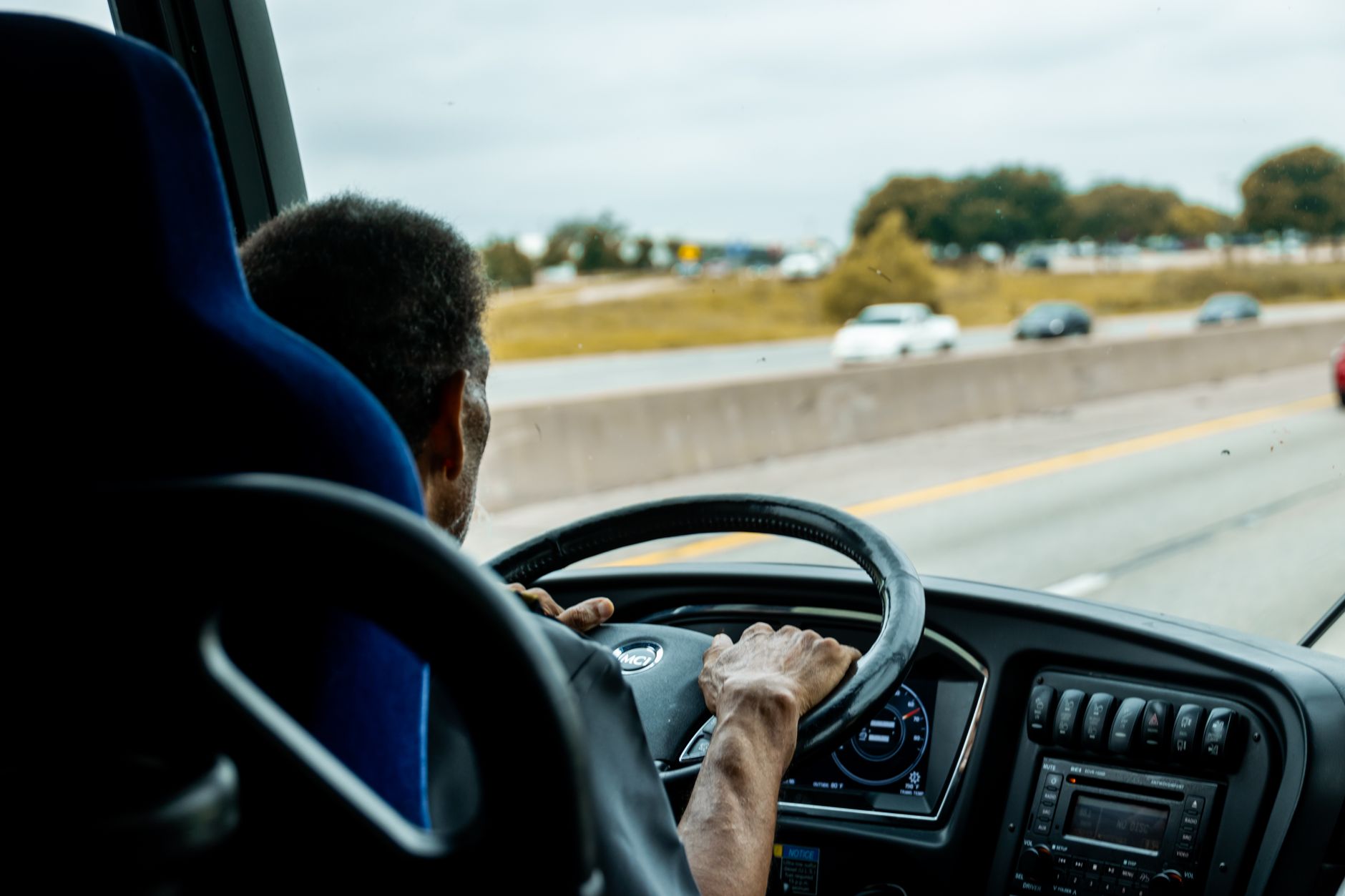
Vehicle selection starts with the passenger manifest, not the nominal seat count. A team carrying costume racks, garment bags, props, coolers, and personal luggage may need a larger charter bus even when the dancer count appears modest. Full-size motor coaches provide the best comfort and underfloor storage for I-5 travel, long mountain legs, and multi-day group travel. Mini coaches and Sprinters can work better for smaller teams or tight hotel approaches, but cargo space and aisle movement must be checked. Seattle, Portland, Bellevue, downtown Tacoma, and some waterfront or school venues may have restricted curb space, so the operating plan should identify legal loading points before arrival.
| Vehicle | Seats | Best For | Notes |
|---|---|---|---|
| 56-passenger motor coach | Up to 56 passengers | Use for large studios, shared-team travel, or long I-5, Spokane, Bend, and multi-day Pacific Northwest itineraries. | Best underfloor luggage capacity and onboard comfort for costume cases, garment bags, props, and multi-day travel; confirm venue bus parking and curb access. |
| 40-passenger charter bus | Approximately 35-40 passengers | Use when one studio or two smaller groups need a full-day or weekend vehicle without the footprint of a 56-seat coach. | Balances coach comfort and maneuverability while retaining useful luggage storage for a regional team; verify rear-bay capacity for racks and props. |
| 24-35 passenger mini coach | Approximately 24-35 passengers | Use for compact teams, airport or hotel shuttles, showcase transfers, and venues with constrained parking. | Fits smaller rosters and tighter urban approaches, but luggage bays are limited and bulky costume racks may require a separate cargo plan. |
| Executive Sprinter van | Approximately 8-14 passengers | Use for small crews, overflow movements, VIP transfers, or split schedules between Seattle, Portland, and nearby venues. | Useful for directors, judges, small groups, or support staff, but not a substitute for a team coach when costumes and equipment fill the cabin. |
Routing, Timing, and On-the-Road Realities
For Seattle-Portland Dance Competition moves, schedule pickup with a buffer before the required venue arrival rather than driving directly from doors-open time. I-5 congestion commonly builds through central Seattle, the Tacoma corridor, Olympia, and the Columbia River crossing, with additional delays from weekend events and construction. A motor coach may need a legal staging point outside the venue before making a short final approach, especially around downtown Seattle, Seattle Center, Bellevue, downtown Portland, and school theaters. Confirm whether the venue has dedicated bus parking, a loading lane, a height restriction, or a requirement to unload and relocate. For a Friday competition, many teams depart after school or work, making an evening hotel arrival more realistic than a same-night venue transfer. The return should include the awards release time, baggage loading, driver break requirements, and a contingency for late results.
Puget Sound ferry travel needs a sailing-specific plan with vehicle reservation details, passenger count, coach length, and terminal check-in time. Build a buffer for traffic approaching Colman Dock, the Seattle-Bainbridge route, or the Bremerton terminal, and do not schedule a ferry arrival so tightly that one delayed rehearsal causes a missed sailing. Mountain and coastal routes require additional attention to weather, fuel stops, limited rest areas, narrow approaches, and venues without coach-sized parking; winter trips toward Snoqualmie Pass, Stevens Pass, Bend, or eastern Washington may need schedule flexibility. Alaska cruise-ship work is usually a controlled transfer or local shore-excursion operation in Seattle, Juneau, Skagway, Ketchikan, or Anchorage, not a normal interstate charter. Ship departure times, port security, passenger release procedures, and coach staging rules should be confirmed before committing to a return deadline. Driver-hours planning must account for empty repositioning, venue standby, ferry delays, and the legal rest period before the next performance movement.
What This Typically Costs
Pacific Northwest Dance Competition transportation is usually priced around vehicle type, service days, mileage, and the amount of time the coach must remain available. Multi-day trips commonly carry daily minimums, with longer I-5 runs, mountain routes, and Alaska-related movements adding distance and scheduling complexity. The quote may include deadhead miles to reach the first pickup, repositioning between hotels and venues, driver overnight lodging, parking, tolls, ferry charges, and fuel adjustments. Seasonal peaks commonly occur from late winter through spring regionals, summer nationals, and selected fall showcases, when availability tightens and rates rise. Driver gratuity is normally listed separately or budgeted as a customary line item, while meals and lodging policies vary by carrier. A practical quote should show the vehicle, service dates, estimated mileage, driver accommodations, parking or ferry assumptions, and any change-order terms rather than presenting a single unexplained total.
Frequently Asked Questions
When should a youth dance team book a charter bus for a Pacific Northwest competition?
A charter bus is usually the cleanest fit when the team travels together between a home studio, hotel, and competition venue. An itinerary may include early call times, costume changes, awards, and late returns, so keeping the vehicle with the group reduces missed pickups. On the Seattle to Portland corridor, a motor coach can also handle hotel moves and rehearsal transfers without splitting chaperones across cars. Confirm the number of dancers, adults, rolling racks, coolers, and oversized bags before selecting the coach.
How many dancers fit on a motor coach?
Most youth teams fall into the 20-to-56-passenger range, but the headcount alone does not determine the vehicle. A group of 30 dancers may need more usable capacity because of garment bags, rolling costume cases, portable speakers, props, and parent luggage. A 56-seat motor coach can be more comfortable than a smaller vehicle when the trip includes several hotel nights or mountain mileage. Request a manifest that separates dancers, chaperones, parents, equipment, and accessibility needs.
What Pacific Northwest cities are common for dance competitions?
Common Washington and Oregon patterns include Seattle, Bellevue, Renton, Tacoma, and Everett moving south through Olympia and Vancouver to Portland, Tigard, or Salem. Competition schedules may use convention hotels, civic facilities, performing-arts centers, and school theaters rather than one consistent venue. Seattle-area examples include the Hyatt Regency Lake Washington in Renton, Seattle Center-area facilities, and Bellevue hotels; Portland-area events may use downtown hotels or the Washington Square area. Spokane, Bend, Ashland, and Eugene create longer cross-state runs that require an earlier review of driver hours and overnight positioning.
Can a charter bus take a dance team on a Puget Sound ferry?
Ferries require a firm vehicle length, passenger count, sailing, and check-in plan, especially for routes serving Bainbridge Island, Bremerton, or the San Juan Islands. The bus normally needs to arrive before the published vehicle cutoff, and a late studio release can turn a short crossing into a missed sailing. Reserve the coach and sailing assumptions together because a larger motor coach may have different space and loading requirements than a mini bus. Build a backup plan for wind, vessel disruption, event traffic, and limited curb space near terminals.
Can US Bus Trips arrange coach support for Alaska cruise travel?
Alaska work is usually structured as separate movements rather than a single continuous Pacific Northwest road trip. A coach may transfer a group between Seattle hotels, airport facilities, and cruise terminals, or support a shore-excursion program in Juneau, Skagway, Ketchikan, or Anchorage through local operators. Cruise-port calls have fixed ship departure times, controlled loading zones, and limited tolerance for late returns. Confirm whether the request is a Seattle pre-cruise transfer, an Alaska port excursion, or a land itinerary, because equipment, vehicle sourcing, and driver rules differ.
What dance equipment should be included in the bus request?
Bring portable speakers, costume racks, garment bags, makeup cases, props, coolers, and any mobility equipment to the first planning call. Instruments are less common than in marching-band travel, but teams may still carry audio equipment, stage accessories, and personal bags for a full weekend. Wheelchairs, walkers, and other mobility devices should be disclosed before quoting so the carrier can verify lift access and securement space. A charter bus with underfloor bays generally handles more rolling gear than a mini coach or executive Sprinter.
What information is needed to quote Pacific Northwest group travel?
A useful request includes the competition name, all service dates, pickup address, hotel address, venue address, headcount, equipment volume, and the required arrival time. Add rehearsal transfers, awards timing, ferry crossings, border or mountain segments, and whether the bus waits during rehearsals or performances. US Bus Trips can commonly return an initial quote within 4 business hours when these details are complete, subject to carrier availability. The confirmation should identify the vehicle class, service window, itinerary, inclusions, cancellation terms, driver lodging assumptions, and the dispatch contact.
How to Book
Start with the competition dates, studio or school pickup address, headcount by dancers and adults, hotel, venue, equipment list, and every planned rehearsal or awards movement. Include whether the route follows I-5, crosses Puget Sound by ferry, reaches Bend or Spokane, or involves Seattle cruise-terminal or Alaska shore-excursion work. With complete details, US Bus Trips can commonly provide an initial quote within 4 business hours, subject to carrier availability. The confirmation identifies the vehicle class, service window, itinerary, driver and lodging assumptions, included mileage, parking or ferry assumptions, and the dispatch contact; call or submit the trip details through US Bus Trips to begin.
Related Trips You Might Also Consider
- Choir Competition — Pacific Northwest Region
- Oklahoma City, OK to Dallas, TX
- DC Monuments — 36-Passenger Mini Coach
- Scout Troop — Mid-Atlantic Region
- Lexington, KY to Cincinnati, OH
- High School Band Tour — Mid-Atlantic Region
- Cross-Country Charter Bus Overview
- All Group Tour Destinations
- See the Full Fleet (Sprinters through 56-pax coaches)
- Get a Free Quote in 60 Seconds