
Schools book a High School Band Tour for bowl-game appearances, Disney competitions, spring performance trips, and festival programs in California and Hawaii.
Overview
A Pacific High School Band Tour usually combines a scheduled performance with several controlled group movements rather than one transfer. California programs commonly center on Los Angeles, Anaheim, San Diego, San Francisco, San Jose, Sacramento, Pasadena, or Las Vegas, while Hawaii programs usually use Honolulu as the base for Waikiki, Ala Moana, Kailua, and North Shore runs. Typical customers are public and private high schools, district music departments, university-linked youth ensembles, festival organizers, and parent-supported performance groups. The itinerary may include Disneyland Imagination Campus, Universal Studios Hollywood performance programs, Walt Disney Concert Hall, the Hollywood Bowl, the Rose Bowl, or a parade appearance. Bowl-game travel can add stadium transfers, pep-band equipment, early call times, and postgame return service. A motor coach keeps students, directors, and chaperones together when parking and venue queues make independent cars impractical.
Group size ranges from a small choir or section traveling in a Sprinter to a 100-plus student band requiring multiple vehicles. One full-size charter bus may carry a typical school group, but a large marching band often needs two buses because passenger seats and underfloor compartments compete with uniforms, percussion, tubas, music stands, and personal luggage. Wheelchair users, adult chaperones, clinicians, and school staff should be included in the first headcount, not added after the quote. California routing often follows I-5 between Los Angeles and San Diego or Anaheim, US-101 or I-5 toward San Francisco, and I-15 toward Las Vegas, with local moves on I-405, I-10, CA-91, and Bay Area bridges. Ski programs may run from Southern California toward Mammoth or Lake Tahoe and need snow-chain policies, weather buffers, and equipment handling. Wine-country tours around Napa and Sonoma are possible, but narrow approaches, parking limits, and tasting-room reservation times make a smaller vehicle or staggered arrival useful.
The Pacific seasonal calendar is uneven, so dates drive availability and operating cost. Fall brings football bowl-related travel, competition weekends, and campus or festival programs, while December can create demand around holiday performances, Disneyland, the Hollywood Christmas Parade, and Rose Parade week in Pasadena. Spring is the main period for performance trips, adjudicated festivals, Disney competition programs, and Honolulu events such as the Pacific Basin Music Festival or Honolulu Festival. Ski shuttles peak when Mammoth and Tahoe roads are active, and mountain weather can turn a simple day run into a long operating day. Hawaii adds a separate island-market pattern: most group travel is Oahu-based, with airport transfers and repeated Waikiki, North Shore, Kailua, downtown Honolulu, and Ala Moana movements. The quote should identify whether the group is flying with instruments, renting equipment locally, or moving cases between mainland airports, hotels, and venues. These details determine whether one charter bus is enough or whether a dedicated equipment plan is required.
Fleet Options
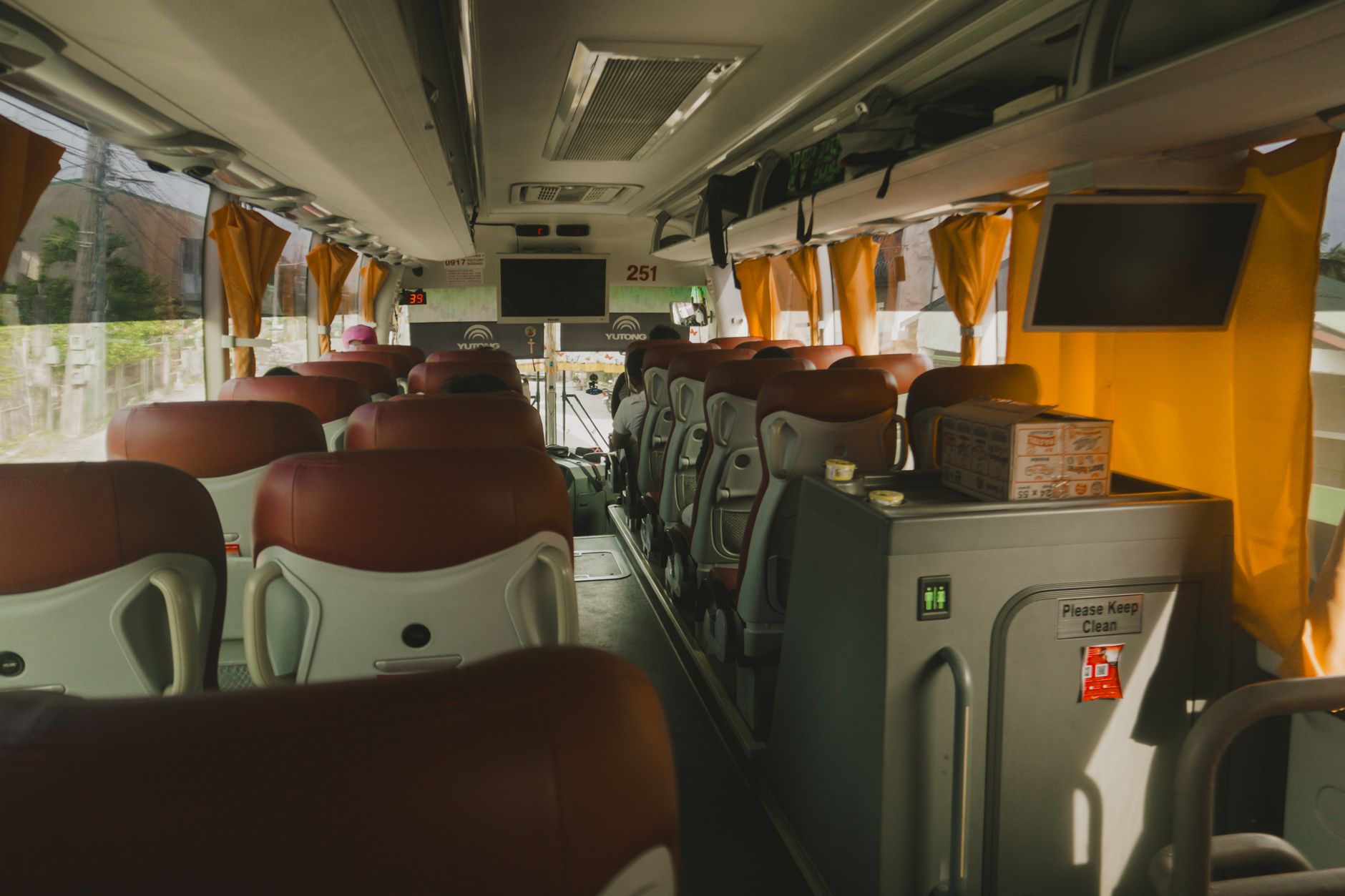
Vehicle selection for a Pacific High School Band Tour starts with headcount, instrument inventory, luggage, and the number of daily moves. A full-size motor coach is usually the most comfortable option for a large group travel program, but a coach full of students may still lack room for bulky percussion and marching equipment. Mini coaches and Sprinters help with smaller ensembles, staff, airport transfers, and streets where a large bus has limited turning or staging options. In Los Angeles, San Francisco, Honolulu, and Waikiki, the vehicle plan should account for curb access, hotel loading windows, venue parking, and whether the bus can remain nearby between performances.
| Vehicle | Seats | Best For | Notes |
|---|---|---|---|
| 56-passenger motor coach | Up to 56 passengers | Use for a full band, choir, orchestra, or combined student group traveling between Pacific cities and major venues. | Best passenger comfort and underfloor storage, but large instrument inventories may require a second coach, cargo vehicle, or trailer. |
| 40-passenger motor coach | Approximately 30-40 passengers | Use when enrollment is below full coach capacity but the group still needs climate control, restrooms, and meaningful cargo space. | A useful middle option for moderate groups with luggage and cases, with better maneuverability than a full-size coach at some venues. |
| Mini coach | Approximately 20-35 passengers | Use for smaller ensembles, section movements, chaperone groups, or overflow service around Los Angeles, San Diego, San Francisco, or Honolulu. | Fits tighter urban approaches and short transfers, though cargo capacity varies and may not support large percussion or marching-band loads. |
| Executive Sprinter | Approximately 10-14 passengers | Use for staff, soloists, small choirs, or compact group travel where a full charter bus would be excessive. | Comfortable for directors, clinicians, airport transfers, and small ensembles, but limited luggage and instrument capacity make it unsuitable for a complete band. |
Routing, Timing, and On-the-Road Realities
California schedules need realistic buffers because the map rarely reflects school-group operating time. Los Angeles departures should allow extra time on I-405, I-5, US-101, and surface streets near Anaheim, Hollywood, Pasadena, Downtown LA, Santa Monica, and Burbank. San Francisco service should account for weekday congestion, Bay Bridge delays, steep or narrow streets, limited curb space, and venue-specific bus staging near the waterfront or downtown. A pickup before the morning peak is usually easier than trying to move a full group after classes or a late hotel breakfast. At Disneyland, Universal Studios Hollywood, the Rose Bowl, Hollywood Bowl, and major parade areas, the driver needs a confirmed bus entrance, drop point, waiting rule, and reunification plan. San Diego and Las Vegas runs should include meal, restroom, and driver-break locations rather than relying on a nonstop map estimate. For a multi-day charter bus assignment, dispatch should build the schedule around legal driver hours, required rest, hotel parking, and the next day's first call.
Hawaii routing is concentrated but still requires appointment discipline. Waikiki hotels may have narrow loading zones and heavy pedestrian traffic, while the Hawaii Convention Center, Ala Moana Center Stage, Waikiki Beach Walk, Hawaii Theatre, Kapiolani Bandstand, and Waikiki Shell can each use different access points and staging procedures. North Shore and Kailua trips should be scheduled with road, meal, and photo-stop time because a bus cannot recover easily from a late departure on a single-island itinerary. Honolulu airport pickups require flight monitoring, baggage time, instrument handling, and a clear curbside meeting plan. Large groups should use timed waves or multiple vehicles when hotel loading space cannot hold an entire fleet. On mainland routes, a second coach should have its own manifest, radio or phone procedure, lead-and-follow plan, and designated relief locations. On every Pacific group travel program, the dispatcher should confirm venue parking and curb rules directly with the school, hotel, and event contact before finalizing the run.
What This Typically Costs
Pricing for a Pacific High School Band Tour is usually built around a daily minimum, total service days, mileage, and the time the motor coach remains committed to the group. Short local programs in Los Angeles, Anaheim, San Diego, or Honolulu commonly price differently from multi-day runs between Los Angeles and San Francisco, Las Vegas, or Tahoe because distance and deadhead miles change the operating plan. Peak demand around Rose Parade week, spring festivals, Disney competition dates, ski season, and graduation-season travel can tighten availability and raise market rates. Multi-day itineraries normally include driver overnight lodging, meals or per diem, parking, tolls, and any ferry or airport transfer costs where applicable. Fuel adjustments, additional service hours, split-day coverage, and extended staging may appear as separate line items. Driver gratuity is commonly handled separately, and in most markets a full-service multi-day charter bus program commonly runs a few thousand dollars per day rather than a simple point-to-point fare.
Frequently Asked Questions
What vehicle is best for a High School Band Tour?
A standard motor coach is usually the safest starting point for a full ensemble because it provides passenger seating, undercarriage luggage space, climate control, and a driver familiar with long-distance group travel. Instrument cases should be counted separately from people because tubas, percussion hardware, string basses, timpani, uniforms, and risers can consume cargo capacity quickly. For a large band, the practical solution may be two coaches or a passenger coach plus a separate cargo vehicle. The final assignment depends on case dimensions, whether equipment travels inside the cabin, and how often the group unloads.
How many students fit on a Pacific charter bus?
A 45 to 56 passenger motor coach commonly fits one large choir, concert band, or mixed student group when luggage and instruments are moderate. A 30 to 40 passenger coach is useful for smaller programs, adult chaperones, or a split movement plan. A 14 to 27 passenger mini coach can handle a section, staff, or overflow group but usually has less cargo volume than a full-size coach. Executive Sprinters work well for directors and small ensembles, not as a substitute for a full band bus.
Can one charter bus cover a multi-city California tour?
Yes, a charter bus can cover California corridors such as Los Angeles to San Diego, Los Angeles to Anaheim, Los Angeles to San Francisco, San Francisco to Sacramento, and Los Angeles to Las Vegas. A Pacific itinerary should be planned by duty time and actual stops rather than map distance alone. Congestion on I-5, I-405, US-101, I-10, I-15, and Bay Area bridges can materially extend the operating day. For long runs, the quote should identify driver lodging, rest requirements, overnight staging, and whether a second driver is needed.
How do we move instruments and uniforms on the bus?
Instrument cargo needs to be measured before the vehicle is assigned. Percussion cases, marching uniforms, music stands, cymbals, sousaphones, basses, and personal luggage can exceed the usable underfloor space even when the passenger count appears acceptable. Directors should provide an inventory with approximate case dimensions and identify fragile or temperature-sensitive equipment. A separate cargo trailer or second vehicle may be appropriate, subject to carrier equipment and state operating rules. Never assume a passenger coach can carry a full marching band load without a physical cargo review.
Can the bus accommodate a student using a wheelchair?
Wheelchair access should be requested when the quote is built, not added after vehicle assignment. Accessible motor coaches may require a lift-equipped vehicle, reduced seating, and additional loading time. The operator needs the number of mobility devices, their dimensions, whether they fold, and whether passengers remain seated in the chair while traveling. Boarding plans should allow extra time at hotels, venues, and meal stops. The same information is useful for airport transfers and Hawaii inter-island itinerary planning.
Which California destinations work well for school music tours?
Los Angeles-area trips often include Disneyland Resort, Universal Studios Hollywood, Walt Disney Concert Hall, the Hollywood Bowl, the Rose Bowl in Pasadena, the Hollywood Christmas Parade, and the Tournament of Roses Parade. Anaheim and Pasadena require precise curb instructions because event traffic, restricted staging, and pedestrian controls can change day of travel. Bay Area programs may route through San Francisco, San Jose, Sacramento, Oracle Park, museums, universities, or performance venues while managing bridge and downtown access. San Diego itineraries often combine performance activities with hotel and waterfront transfers. Venue access should be confirmed with the event or school coordinator rather than assumed from a map pin.
What should we know about a Hawaii band or choir tour?
Honolulu is the primary Hawaii hub for many school music programs, with group patterns around Waikiki, Ala Moana, downtown Honolulu, Kailua, and the North Shore. Festival and performance locations may include the Hawaii Convention Center, Ala Moana Center Stage, Waikiki Beach Walk, Hawaii Theatre, Kapiolani Bandstand, and Waikiki Shell. Hotel loading zones in Waikiki can be constrained by curb rules, traffic, and limited staging space, so buses often use timed arrivals instead of waiting curbside. A Hawaii quote should separate airport transfers, daily island touring, and any inter-island flights or ferry assumptions. Oahu routing is not interchangeable with a mainland road tour because equipment movement, flight schedules, and island geography control the timetable.
How to Book
To start a quote, have the school name, travel dates, pickup address, student and adult headcount, instrument inventory, wheelchair needs, hotel locations, performance venues, and complete itinerary ready. Include whether the group needs airport transfers, daily rehearsal shuttles, ski or sightseeing moves, or a separate equipment vehicle. US Bus Trips targets a quote turnaround within 4 business hours when the routing and passenger details are complete. Confirmation documents should identify the carrier, vehicle type, seating plan, pickup instructions, driver contact process, service hours, parking assumptions, and included or excluded charges. Reach US Bus Trips through the trip inquiry channel with the subject line High School Band Tour and the primary school coordinator's contact information.
Related Trips You Might Also Consider
- Milwaukee, WI to Chicago, IL
- Houston, TX to San Antonio, TX
- Veterans Group — Northeast Region
- Family Reunion — Pacific Northwest Region
- Corporate Roadshow — Southeast Region
- Fort Worth, TX to Oklahoma City, OK
- Cross-Country Charter Bus Overview
- All Group Tour Destinations
- See the Full Fleet (Sprinters through 56-pax coaches)
- Get a Free Quote in 60 Seconds