
US Bus Trips arranges charter bus transportation for unit, ship, squadron, and regiment reunions, military academy anniversary weekends, and veterans homecomings across California and Hawaii.
Overview
A Pacific Military Reunion usually involves more than one transfer: airport pickups, hotel shuttles, a formal ceremony, museum or ship visits, group meals, and departures spread across two to four days. Unit, ship, squadron, and regiment associations often bring veterans, spouses, adult children, speakers, and a color guard, creating a broad mix of ages and mobility needs. In California, San Diego is a frequent anchor for naval and Marine groups because the waterfront, USS Midway Museum, military installations, and reunion-capable hotels can be combined in one program. Los Angeles and Orange County add airport access, larger hotel inventory, and connections to San Diego or Las Vegas. San Francisco groups may use the Marines' Memorial Club near Union Square, veterans organizations, memorial sites, and Bay Area hotels. The charter bus plan should be built around scheduled loading windows and event release times, not just the banquet start time.
Group sizes range from small academy or officer gatherings using an executive Sprinter to association reunions requiring several full-size motor coaches. A typical mid-sized group may need one motor coach for 35 to 55 passengers, while a larger homecoming can require multiple vehicles assigned by hotel, airport arrival bank, or accessibility needs. Common California group travel corridors include Los Angeles to San Diego on Interstate 5, Los Angeles to San Francisco on Interstate 5 or US 101, and Los Angeles to Las Vegas on Interstate 15. Ski-oriented groups run toward Mammoth Lakes or Lake Tahoe and need winter contingency time, luggage capacity for bulky gear, and a plan for traction restrictions. Wine-country programs commonly depart from San Francisco, Oakland, Sacramento, or San Jose for Napa, Sonoma, Healdsburg, or Paso Robles, where estate driveways and parking lots may not accept a large coach. A motor coach that stays with the group all day is often more reliable than arranging separate point-to-point rides for every stop.
Hawaii programs are usually island-specific, with Oahu the most practical market for a concentrated Military Reunion itinerary. Typical group travel includes Daniel K. Inouye International Airport transfers, Waikiki hotel loops, Pearl Harbor visits, ceremonies in Honolulu, and day runs toward Kailua, Kaneohe, Ko Olina, or the North Shore. Groups may also use Kualoa Ranch, the Polynesian Cultural Center in Laie, Turtle Bay, or a private banquet venue, but each stop needs its own loading and parking check. Maui, Kauai, and the Island of Hawaii require separate local vehicle planning, and an inter-island itinerary adds flights, baggage handling, and a new ground operator on arrival. Summer, military anniversary periods, school breaks, holiday weekends, and winter ski season create the strongest demand in different Pacific markets. Reserve early when the reunion depends on accessible equipment, multiple buses, or a vehicle remaining available for several days.
Fleet Options
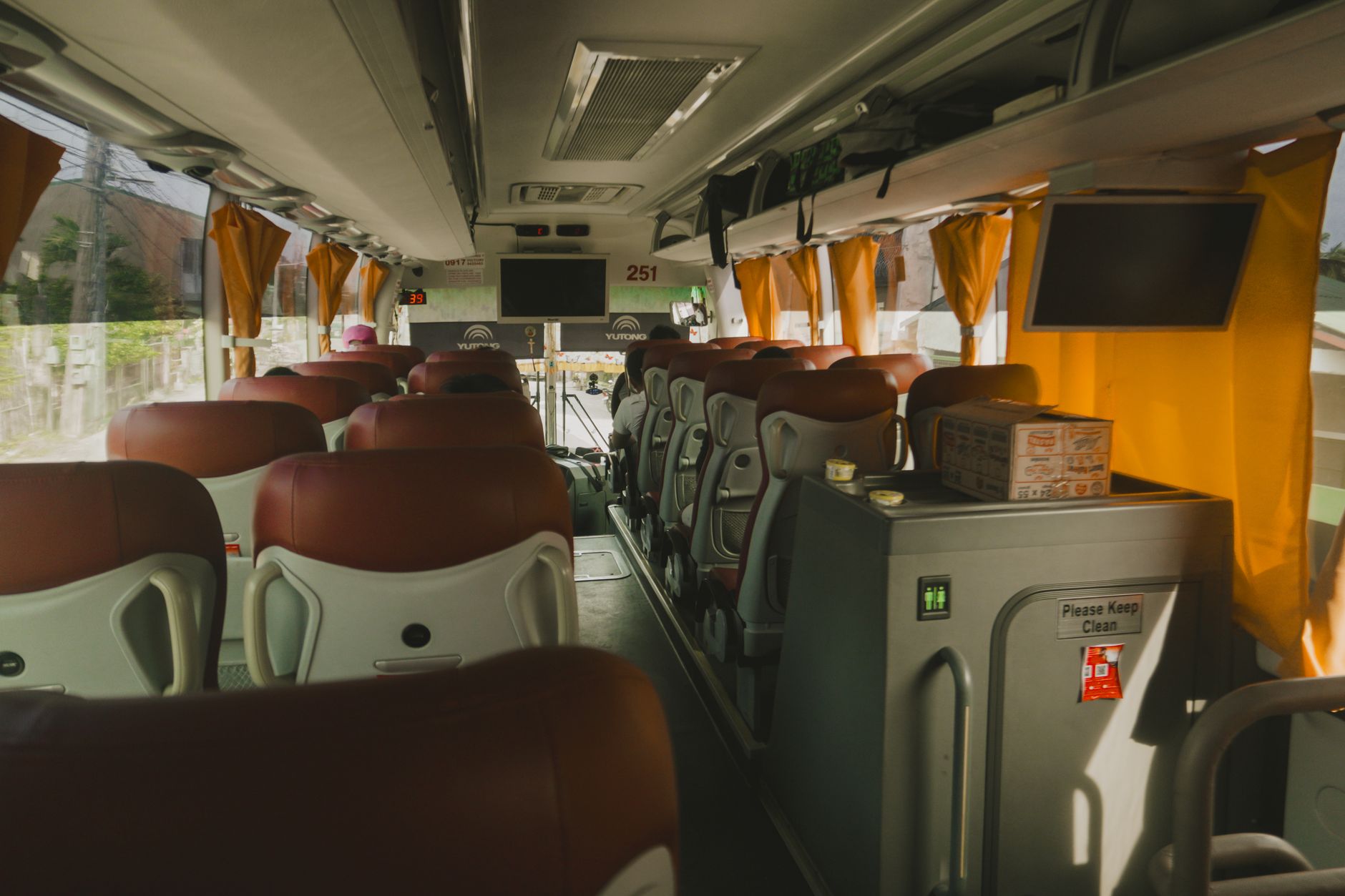
Choose the vehicle around the actual passenger count, baggage volume, and number of daily stops rather than the headcount alone. A charter bus provides the best long-distance comfort for groups carrying uniforms, luggage, mobility equipment, or reunion materials, while a mini coach can handle tighter streets and smaller venue lots. On Oahu, hotel loading zones in Waikiki, winding Kailua and North Shore roads, and limited parking at historic sites can favor smaller vehicles or timed staging. For a multi-day Pacific itinerary, confirm restroom expectations, luggage-bay capacity, wheelchair access, overnight parking, and whether the vehicle remains with the group between events.
| Vehicle | Seats | Best For | Notes |
|---|---|---|---|
| Full-size motor coach | 40-56 passengers | Use for the main reunion movement, airport transfers, intercity California corridors, and full-day tours with substantial baggage or equipment. | Best highway comfort and underfloor luggage capacity, but requires a planned loading zone and may not fit narrow rural driveways, small tasting rooms, or constrained historic-site parking. |
| Mini coach | 24-38 passengers | Use when the group is mid-sized or the itinerary includes frequent stops, tighter venues, or roads where a large coach would be difficult. | More manageable at hotels, mountain resorts, wine-country properties, and Oahu streets, with less luggage capacity than a full-size coach and limited room for bulky ceremonial gear. |
| Minibus | 14-24 passengers | Use for hotel-to-banquet loops, airport waves, staff movements, or split schedules within one metro area. | Works well for short shuttles and overflow but has limited cargo space, so uniforms, instruments, wheelchairs, and large luggage may require a second vehicle or advance storage plan. |
| Executive Sprinter | 8-14 passengers | Use for speakers, officers, family members, airport meet-and-greet staff, or a small group traveling on a separate schedule. | Comfortable for small leadership groups and advance teams, with flexible curb access but limited baggage volume and no substitute for an accessible vehicle when lift service is required. |
Routing, Timing, and On-the-Road Realities
On the California mainland, dispatch should treat Los Angeles to San Diego, Los Angeles to San Francisco, and Los Angeles to Las Vegas as separate operating profiles rather than simple mileage runs. Interstate 5 through Orange County and San Diego can lose substantial time during weekday peaks, while Bay Area approaches through Oakland, San Francisco, San Jose, and the bridges require exact pickup windows and loading instructions. For San Diego waterfront venues, confirm whether the coach may stage near the USS Midway Museum, the Embarcadero, or the hotel before the group unloads; curb space can be controlled by venue staff or city restrictions. Downtown San Francisco hotel pickups near Union Square and Marines' Memorial Club need a designated curb plan because a full-size coach may not remain at the entrance. Early morning departures, midday venue releases, and post-dinner returns should include buffer time for traffic, passenger counts, restroom stops, and driver breaks.
Mountain and rural routes need a different plan. Mammoth Lakes and Lake Tahoe schedules should include weather checks, chain-control contingencies, snow storage for luggage, and extra time for loading winter equipment. Napa and Sonoma itineraries should confirm coach access with every tasting room because some properties have narrow roads, low branches, or limited turnaround space. On Oahu, Waikiki pickups should use the hotel's approved loading area rather than an unscheduled curb stop, and North Shore runs should allow for Kamehameha Highway congestion, visitor stops, and limited parking near beaches and historic sites. Kailua and Kaneohe routes can be shorter on a map but still require staging discipline around hotel driveways and local streets. Driver-hours planning must account for the entire duty window, including standby during ceremonies and dinners; a second driver or relief vehicle may be required when a long transfer is combined with a full-day program. For multi-vehicle operations, assign a lead bus, fixed hotel departure times, vehicle numbers, passenger manifests, and one reunion coordinator who can approve changes.
What This Typically Costs
A Pacific Military Reunion quote is usually built from vehicle days, route mileage, and the amount of time the coach must remain available between functions. Most markets apply a daily minimum, while multi-day California runs also account for deadhead miles to the first pickup and back to the garage. Peak pricing commonly appears during summer reunion season, holiday weekends, ski season, major conventions, and high-demand Hawaii travel periods. A multi-day motor coach itinerary may require driver lodging, meal allowances, parking, tolls, ferry or airport access fees, and an additional driver when hours-of-service limits make a single-driver schedule impractical. Common line items include fuel adjustments, driver gratuity, cleaning, wheelchair-lift service, and late-night or standby time. In most markets, a local single-day shuttle costs less than a long-distance charter bus that crosses California or requires a vehicle and driver to remain away from home for several nights.
Frequently Asked Questions
How far in advance should a Pacific Military Reunion be booked? A California reunion with hotel blocks, banquet functions, and museum visits should be requested several months ahead, especially for summer weekends and San Diego dates. Hawaii programs need earlier planning because vehicle supply, driver availability, inter-island flights, and hotel inventory are separate constraints. A short-notice charter bus may still be possible, but vehicle choice, pickup times, and exact routing become less flexible. Send the dates, headcount, hotel addresses, event venues, and accessibility needs before requesting a firm schedule.
How far in advance should a Pacific Military Reunion be booked?
Can one motor coach cover a reunion moving between Los Angeles and San Diego? Yes, if the itinerary allows adequate time for Interstate 5 traffic, meal breaks, venue loading, and the driver's legal duty limits. Common patterns include hotel transfers in Los Angeles or Orange County, a San Diego day at the USS Midway Museum or Marine Corps Recruit Depot area, and return service to the same hotel or a second hotel block. A coach should not be planned around optimistic freeway travel times during weekday peaks. For a group with separate airport arrivals, staggered functions, or late evening departures, a second shuttle vehicle is often more practical than keeping one large coach on standby.
Can one motor coach cover a reunion moving between Los Angeles and San Diego?
What Pacific California routes are common for veterans and military units? Frequent corridors include Los Angeles to San Diego, Los Angeles to San Francisco, San Diego to Palm Springs, and Los Angeles to Las Vegas. Reunion groups also request Bay Area service between San Francisco, Oakland, San Jose, Travis Air Force Base-area hotels, and wine-country venues in Napa or Sonoma. Northern California itineraries may combine a hotel block with the Marines' Memorial Club near Union Square, a memorial service, and a group dinner. Southern California programs often include Pearl Harbor-style historical interests locally through ships, bases, museums, and memorial sites, with the USS Midway and nearby waterfront venues being common anchors.
What Pacific California routes are common for veterans and military units?
Can a charter bus reach ski and wine-country destinations? Yes, but mountain and rural routing needs a vehicle assessment rather than an automatic promise of access. Mammoth Lakes and Lake Tahoe trips require winter weather monitoring, tire-chain or traction planning, luggage space for cold-weather gear, and extra schedule margin on mountain approaches. Wine-country groups commonly travel from San Francisco, Oakland, Sacramento, or San Jose toward Napa, Sonoma, Healdsburg, or Paso Robles, where narrow driveways, low-clearance branches, and limited venue parking can affect coach access. A smaller motor coach or mini coach may be better for tasting rooms and estate properties than a full-size bus.
Can a charter bus reach ski and wine-country destinations?
How does Hawaii group travel differ from California reunion transportation? Hawaii group travel is usually organized around one island at a time because moving a large group between islands requires flights, separate ground transportation, and careful baggage coordination. On Oahu, typical runs connect Waikiki, Daniel K. Inouye International Airport, Pearl Harbor, Honolulu, Kailua, Kaneohe, Ko Olina, and the North Shore. A Waikiki to North Shore day can consume much of the operating window because Kamehameha Highway traffic and visitor stops make the route slower than the map suggests. Large groups should reserve airport transfers, event shuttles, and island touring vehicles separately when the schedule has overlapping movements.
How does Hawaii group travel differ from California reunion transportation?
What equipment should we disclose before booking a Military Reunion bus? Provide an inventory of display cases, banners, ceremonial items, uniforms, musical instruments, mobility devices, golf or ski equipment, and checked baggage. Most charter bus luggage bays handle standard suitcases, but bulky cases and instruments can reduce usable capacity and may require seats or a dedicated support vehicle. Tell the operator whether wheelchairs will remain folded, whether a lift is required, and whether passengers need level boarding at every stop. Uniform changes, color guards, band equipment, and memorial materials also affect loading time, so they should be included in the itinerary rather than added at the curb.
What equipment should we disclose before booking a Military Reunion bus?
When does a large group need multiple vehicles? Multiple vehicles make sense when attendance exceeds the practical capacity of one coach, hotels are spread across several cities, or airport arrivals occur in waves. They are also useful when part of the group needs wheelchair access, ceremonial equipment, late-night return service, or a separate airport and venue schedule. A common setup is one full-size motor coach for the core group, a mini coach for overflow or accessible service, and an executive Sprinter for officers, speakers, or advance staff. Dispatch should assign vehicle numbers, loading zones, radio or phone contacts, lead and sweep vehicles, and a written movement plan before the first pickup.
When does a large group need multiple vehicles?
How to Book
To request a quote, have the dates, passenger count, pickup address, hotel block, event venues, airport details, destination cities, equipment inventory, and wheelchair requirements ready. Include whether the vehicle is needed continuously, whether drivers must remain overnight, and whether separate movements are required for ceremonies, dinners, or airport arrivals. US Bus Trips can typically return an initial quote or routing review within 4 business hours when the itinerary is complete. Confirmation should identify the vehicle type, passenger capacity, pickup instructions, operating dates, inclusions, exclusions, cancellation terms, and dispatch contact; reach us with the schedule and a coordinator can build the movement plan.
Related Trips You Might Also Consider
- Church Retreat — Midwest Region
- Military Reunion — Pacific Northwest Region
- Niagara Falls — 14-Passenger Sprinter
- Government Agency Shuttle — Northeast Region
- Wichita, KS to Tulsa, OK
- Shenandoah — 36-Passenger Mini Coach
- Cross-Country Charter Bus Overview
- All Group Tour Destinations
- See the Full Fleet (Sprinters through 56-pax coaches)
- Get a Free Quote in 60 Seconds