
San Francisco to Los Angeles is a standard long-haul charter bus lane for tours, sports travel, corporate roadshows, wedding blocks, and family reunions.
Overview
San Francisco to Los Angeles is one of the clearest long-haul charter bus corridors in California because it serves the same repeat trip patterns all year. Band tours use it to connect venues, load-in calls, and hotel blocks between the Bay Area and Southern California. Sports teams use it for away games, tournaments, and training-camp moves when flying would break the equipment plan or the group needs one controlled manifest. Corporate roadshows book this lane for multi-city meetings, especially when the schedule includes a San Francisco hotel, a Silicon Valley stop, and a Los Angeles boardroom sequence. Family reunions and wedding blocks also use a charter bus or motor coach because the group wants everyone on the same timetable, with the luggage staying with the coach instead of getting split across rideshares.
In San Francisco, the most practical pickup points are hotel curbs near Union Square, Moscone Center loading areas, and SFO Millbrae staging when the group is arriving by air. Those locations work because they are familiar to drivers, but each one still needs a confirmed load zone and enough time to board without creating a traffic problem. This matters more on a charter bus than people expect, because a full-size motor coach cannot improvise at the curb the way a sedan can. If the pickup is a wedding block, the load order should be set before the bus arrives so bags, gifts, and formalwear do not slow the departure. For corporate groups, the San Francisco portion often includes a single consolidated pickup, then a direct run south with one meal stop and a timed arrival in Los Angeles. That is the cleanest way to keep the charter bus schedule inside the workday and avoid wasting the driver's on-duty window.
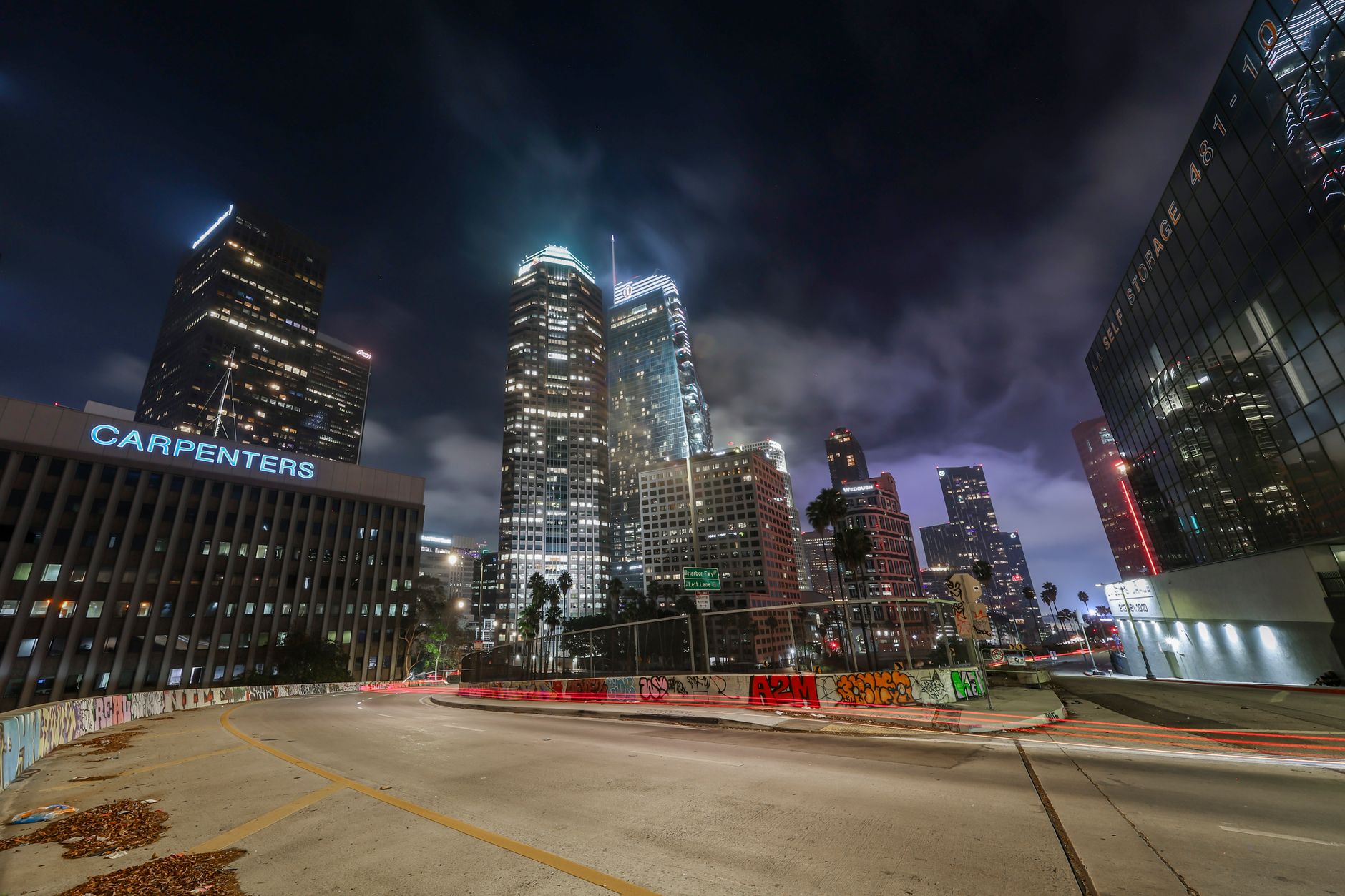
Los Angeles drop-off planning needs just as much attention as the departure side, especially for downtown hotels, convention centers, stadiums, and performance venues. A charter bus can reach many Los Angeles destinations, but curb space, bus loading rules, and event traffic often determine whether the arrival feels smooth or messy. Sports team travel usually needs a bus lane or prearranged venue drop, while wedding groups often want a hotel front drive or a nearby staging curb with short walk-in access. For band tours, the driver needs a clear load-in and load-out pattern because the motor coach may have to hold gear while the crew handles stage access. This is a long-haul move, so the customer profile is usually not a casual day tripper; it is a planner, travel manager, tour manager, or family organizer who needs one vehicle to solve the whole movement problem. In that context, the charter bus is less about luxury and more about keeping San Francisco to Los Angeles transportation predictable, legal, and on time.
Fleet Options
Choosing the right vehicle on a San Francisco to Los Angeles charter bus run comes down to headcount, bags, and how much comfort the group expects over a long-haul day. A full-size motor coach is the standard for large groups, checked luggage, and trips that need restroom access and aisle room. Smaller groups can save space with a mini coach or mini bus, but the tradeoff is tighter legroom and less cargo volume. An executive Sprinter works for VIPs, sales teams, and small family groups, though it is not ideal when everyone has multiple suitcases or the itinerary involves a full day on the road. In San Francisco and Los Angeles, tight streets and curb rules also matter, so the cleanest vehicle choice is often the one that fits both the group and the loading zone.
| Vehicle | Seats | Best For | Notes |
|---|---|---|---|
| 56-passenger motor coach | 50-56 | Use this when the group wants the most space and the trip is all-day or multi-day between San Francisco and Los Angeles. | Best for full-size groups with luggage, instruments, or team gear, and it gives the most comfortable long-haul ride on this corridor. |
| 40-passenger charter bus | 35-40 | Use this for corporate roadshows, school groups, and wedding parties that want a motor coach feel without maximum size. | A strong middle-ground option for medium groups that need real luggage capacity without booking the largest coach. |
| 24-passenger mini coach | 18-24 | Use this for smaller San Francisco to Los Angeles groups that want a proper charter bus but do not need a full coach. | Good for smaller groups that still need a dedicated cargo area and better comfort than a van. |
| Executive Sprinter | 8-14 | Use this when the headcount is low and the group values flexibility over luggage volume. | Works well for small VIP teams, airport transfers, and premium point-to-point travel, but cargo space is limited compared with a motor coach. |
Routing, Timing, and On-the-Road Realities
The standard routing choice for most San Francisco to Los Angeles charter bus trips is US 101, with Bay Bridge timing and Peninsula traffic baked into the departure plan. A coach leaving central San Francisco can lose meaningful time before it even clears the Bay Area, so dispatch usually favors an early-morning load when possible. I-280 can help with local Bay Area movement depending on the origin point, but the important thing is not the freeway name; it is getting the coach out of the city before commuter pressure builds. CA-1 is the scenic option and can work for a tour-style itinerary, but it adds variability and is not the first choice for sports teams, corporate roadshows, or same-day Los Angeles deadlines. For a charter bus, the route decision is usually about reliability and schedule discipline, not just mileage. The motor coach should be planned around meal breaks, restroom use, and a realistic arrival window rather than a best-case drive time.
Driver-hours planning is the line that most often determines whether San Francisco to Los Angeles stays a same-day charter bus move or needs a second day of service. Under the federal rules used for interstate passenger work, the driver can generally drive up to 11 hours within a 14-hour on-duty window after 10 consecutive hours off duty. That means a long-haul run from San Francisco can be legal in one shift, but only if load time, traffic, detours, and drop-off all stay inside the window. If the itinerary adds sightseeing, dinner before arrival, or multiple Los Angeles stops, the schedule can push the motor coach past what is practical for one driver day. Parking at the destination also matters because a coach that cannot unload efficiently can burn the same on-duty clock while sitting at the curb. For that reason, dispatch should confirm exact hotel, venue, or event access before a charter bus is assigned, especially when the run is tied to a live show or timed corporate agenda.
What This Typically Costs
Pricing for a San Francisco to Los Angeles charter bus usually follows long-haul pricing, not a simple hourly local shuttle model. In most markets, the quote is built from a one-way base, deadhead miles, driver time, and whether the coach must stay with the group for a return move or deadhead back empty. Multi-day trips often add a daily minimum, driver lodging, parking, tolls, and fuel adjustments, and summer weekends or major event dates can push the rate higher. For a one-way run, the outbound leg is only part of the bill because the vehicle and driver often need to return to their home market or reposition for the next assignment. A round-trip can look more efficient on paper, but it often costs more overall once the second day of driver time and any overnight hotel are included. The cleanest quote usually comes from the exact itinerary, since a charter bus, motor coach, or smaller coach can price very differently depending on where the run starts and ends.
Frequently Asked Questions
Who usually books a charter bus from San Francisco to Los Angeles?
Yes, this corridor is a classic long-haul charter bus lane for band tours, sports team travel, corporate roadshows, family reunions, and wedding blocks. San Francisco groups use it for venue-to-venue movement, hotel blocks, and airport-to-hotel transfers, while Los Angeles groups often book the reverse for tour routing, away games, and destination weddings. A motor coach is the usual fit when the group has luggage, instruments, or production gear. For large groups, a second coach is often easier than forcing one oversized vehicle to handle bags and people at the same time.
How long is the drive from San Francisco to Los Angeles?
The road distance is roughly 380 miles, and the run usually takes about 6 to 8 hours before traffic, meal stops, and loading time. Bay Area departure time matters because Bay Bridge congestion and Peninsula traffic can add real delay before the coach even clears the metro area. In peak conditions, US 101 is usually the most predictable full freeway option, while CA-1 is more scenic but slower and less reliable for strict schedules. If the group needs same-day arrivals for a performance call time, a very early San Francisco departure is the practical move.
What DOT driver-hours rules apply to this trip?
For interstate passenger operations, the driver generally works under the federal 11-hour driving limit inside a 14-hour on-duty window, after 10 consecutive hours off duty. On a San Francisco to Los Angeles charter bus trip, that means the run is workable as a single-day leg if the pickup, load time, stops, and final drop all fit inside the duty window. If the group asks for sightseeing, multiple hotel stops, or a late evening San Francisco departure, the schedule can become tight fast. That is why dispatch planning matters more than raw mileage on this corridor.
Where should the pickup and drop-off be staged?
San Francisco pickups usually stage best at a Union Square hotel curb, Moscone Center loading area, or SFO Millbrae staging if the group is coming from the airport side. The main issue is not distance, it is curb access, hotel loading rules, and whether the coach can hold position long enough to load bags without blocking traffic. In Los Angeles, hotel and venue drop-offs often need a bus zone, a loading dock, or a timed curb window because many downtown streets and event areas have tight restrictions. A good dispatcher confirms exact curb locations before the quote so the motor coach is not hunting for space after arrival.
What vehicle type is best for a San Francisco to Los Angeles charter bus?
The usual mix is a full-size charter bus or motor coach for large groups, a mini coach for medium-size travel parties, a mini bus for tighter urban moves, and an executive Sprinter for small VIP teams. For San Francisco to Los Angeles, luggage and comfort usually matter more than seat count alone because the trip is long enough that recliner spacing and restroom access become relevant. If the group has instruments, bags for multiple nights, or production cases, a larger motor coach is usually the safer call. If the group is small and the schedule is point-to-point, a Sprinter can work, but it is not the best choice for heavy luggage or all-day comfort.
Is a one-way charter bus cheaper than a round-trip?
One-way pricing is common for one-direction moves like tours, relocations, and event travel, but the price still has to cover the bus getting back to base or repositioning to its next job. Round-trip pricing is often structured as a multi-day charter with daily minimums, overnight driver lodging, and mileage or hour blocks across both directions. In practice, a round-trip San Francisco to Los Angeles charter bus can be efficient if the group keeps the same coach and driver for the whole run. If the return is empty or on a different date, the quote usually reflects that deadhead and the extra driver day.
Should the charter bus take US 101 or CA-1?
Yes, but the route choice should match the schedule, not just the map. US 101 is usually the most dependable long-haul corridor for a charter bus because it stays on freeway miles and is easier to time around Bay Area departure windows. CA-1 can be useful for a scenic program or coastal tour, but it adds variability and can be a poor fit for strict Los Angeles arrival times. For sports or corporate roadshows, dispatch usually treats US 101 as the default and only switches to CA-1 when the itinerary allows extra buffer.
How to Book
To quote a San Francisco to Los Angeles charter bus accurately, have the date, pickup address, drop-off address, headcount, luggage count, and any hotel or venue stops ready. Include whether the move is one-way or round-trip, because that changes the driver plan, deadhead, and overnight structure. Most quotes can be turned around within 4 business hours once the itinerary is clear. The confirmation should spell out vehicle type, pickup window, mileage or hour basis, and any lodging or parking assumptions. Reach out with the route, the event type, and the target arrival time so dispatch can match the right motor coach to the run.
Related Trips You Might Also Consider
- Redwoods — 14-Passenger Sprinter
- Indianapolis, IN to Louisville, KY
- Fresno, CA to Sequoia, CA
- Riverside, CA to Los Angeles, CA
- Niagara Falls — 56-Passenger Motor Coach
- Church Retreat — Southeast Region
- All Group Tour Destinations
- All Group Trip Types
- See the Full Fleet (Sprinters through 56-pax coaches)
- Get a Free Quote in 60 Seconds