
San Jose to Sacramento charter bus work is usually booked by teams, corporate groups, wedding blocks, and family reunions that want one vehicle and one clock.
Overview
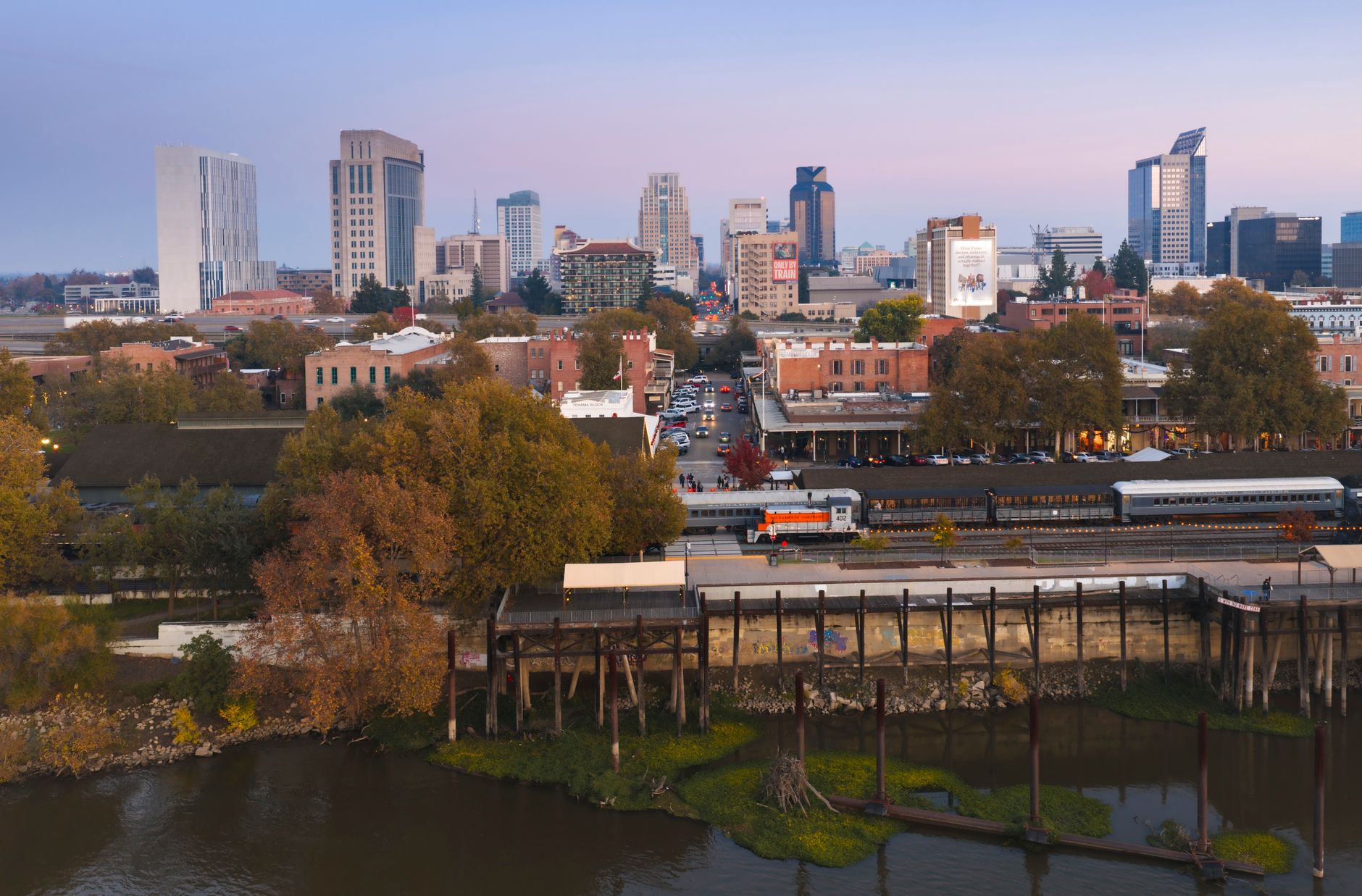
San Jose to Sacramento is a common charter bus lane for groups that want a direct long-haul move without splitting into separate cars. The typical passenger profile includes band tours, sports teams, corporate roadshows, family reunions, and wedding blocks that need one coach and one arrival time. In San Jose, these trips often start from a Downtown SJ hotel, a Cupertino or Mountain View corporate campus, or a controlled staging point such as the SJC cell lot. In Sacramento, the arrival is usually tied to a hotel, convention area, arena event, or another venue with a defined unload plan. The lane is short in mileage, but the operational work is real because the driver still has to stage, load, and land the coach cleanly on both ends. For a charter bus or motor coach, the best bookings are the ones where the group knows the exact pickup window and the drop point before the quote is issued.
A San Jose to Sacramento charter bus is often used for trips that look simple on paper but have cargo or timing issues in practice. Sports teams travel with coolers, uniforms, and gear bags, while band tours carry instruments and hard cases that make a standard shuttle a poor fit. Corporate teams use this corridor for roadshows, off-sites, and client events where keeping everyone together matters more than shaving a few minutes off the trip. Wedding blocks and family reunions also book this lane when the group wants one departure out of San Jose and one coordinated arrival in Sacramento. On a motor coach, the group can keep bags together and avoid parking multiple vehicles at a downtown hotel or venue. That is usually the deciding factor on a long-haul booking, not the highway mileage itself.
The route is usually planned around Bay Area freeway access, then northbound movement toward Sacramento with a realistic buffer for weekday traffic. San Jose pickups often work best when the coach can use a hotel loading lane, a campus lot, or a designated curb rather than trying to wedge into a busy urban block. Sacramento arrival works best when the venue has coach instructions, because downtown curb space can disappear quickly around event start times and hotel check-in peaks. For a charter bus, the driver-hours clock also matters even on a short interstate run because staging, delays, and layovers count against the schedule. A same-day round-trip is common, but it still needs a clean return window so the driver stays inside the federal hours-of-service limits. For long-haul planning, the trip is manageable, but it is never casual once a full group and luggage are involved.
Fleet Options
For this San Jose to Sacramento charter bus lane, the vehicle choice comes down to headcount, luggage, and how tight the pickup and drop-off points are. A motor coach is the standard answer for larger groups because it handles passengers and bags without turning the trip into a packed shuttle run. If the load is smaller, a mini bus or executive Sprinter can be easier to stage in San Jose and simpler to unload in downtown Sacramento. For corporate roadshows, wedding blocks, and sports teams, the right call is usually the smallest vehicle that still leaves room for gear and keeps the long-haul ride comfortable.
| Vehicle | Seats | Best For | Notes |
|---|---|---|---|
| Executive Sprinter | 8 to 14 | Use this for small executive teams, airport transfers, or compact family moves with light bags. | Best when the group is small, the itinerary is tight, and the pickup point in San Jose or the drop in Sacramento has limited curb space. Cargo is modest, so it works best for carry-on bags, briefcases, and light luggage rather than heavy event gear. |
| Mini bus | 18 to 32 | Use this for wedding blocks, alumni groups, and smaller corporate teams with moderate luggage. | A strong fit for medium-small groups that want one vehicle and easier maneuvering on downtown streets or hotel drives. It offers better baggage capacity than a Sprinter, but it is still less roomy than a full charter bus. |
| Mini coach | 28 to 38 | Use this for band travel, mid-size sports teams, and roadshows with extra cargo. | A practical middle ground for groups that are too large for a shuttle van but do not need a full motor coach. It usually handles sports bags, display materials, and event luggage better while staying easier to place at hotels and venues. |
| Motor coach | 47 to 56 | Use this for large wedding groups, school or club travel, sports travel, and full corporate moves. | The standard long-haul charter bus choice for large groups, especially when luggage, coolers, uniforms, or instruments have to ride with the passengers. It is the best fit when San Jose pickup or Sacramento arrival needs a single consolidated load and a professional on-board setup. |
Routing, Timing, and On-the-Road Realities
Most San Jose to Sacramento charter bus plans use US-101 and I-880 on the Bay side before connecting to the northbound freeway network and the Sacramento approach. The exact path depends on where the San Jose pickup starts, because a Downtown SJ hotel, a Cupertino campus, and an SJC staging point each have different outbound patterns. Morning departures usually run cleaner than late-morning or Friday afternoon moves, especially when the first leg has to clear local traffic before the coach settles into freeway speed. A motor coach can handle the mileage easily, but the schedule still needs a traffic buffer for merge zones, bridge approaches, and any unexpected slowdowns near the East Bay. If the group is headed to a Sacramento arena event, hotel block, or downtown function, the last few miles matter as much as the freeway miles. That final approach is where a charter bus can lose time if the drop point is not pre-cleared.
Driver-hours planning is straightforward on this lane, but it should still be documented before dispatch. The 11-hour driving limit and 14-hour on-duty window after 10 hours off are the core rules, and they apply whether the coach is a full-size motor coach or a smaller charter bus. Because the San Jose to Sacramento drive is usually well under the federal maximum driving time, the more common problem is not exceeding the legal limit but losing time to staging, loading, parking, or a longer-than-expected return. Sacramento venues with limited coach parking may require unload and move, so the driver needs a second plan for staging after drop-off. If the itinerary includes a midday break, a side stop, or an evening return to San Jose, that extra time should be built into the duty window from the start. On long-haul group work, clean hours management is what keeps a one-day run from turning into an avoidable compliance issue.
What This Typically Costs
Pricing for a San Jose to Sacramento charter bus usually follows a trip-day model, not a simple point-to-point fare. A one-way charter bus or motor coach move often includes a daily minimum, deadhead miles from the nearest dispatch point, the loaded miles between San Jose and Sacramento, and driver time that still counts even if the bus returns empty. For a same-day round-trip, the quote often pencils out higher because the motor coach and driver are blocked for the full day, plus fuel adjustments and possible peak-day premiums around Sacramento event weekends or San Jose corporate dates. If the schedule pushes into a second day, overnight lodging for the driver and any layover time are usually separate line items. Gratuity, tolls if routed that way, parking, and any venue fees are normally listed separately so the charter bus quote is clean on paper and easier to reconcile after the trip.
Frequently Asked Questions
Which San Jose pickup points work best for a charter bus?","a":"The cleanest San Jose pickup is usually a Downtown SJ hotel curb, a corporate campus in Cupertino or Mountain View with a pre-cleared loading area, or a controlled lot such as the SJC cell lot when the group needs to assemble before boarding. For a charter bus or motor coach, the real issue is not the address itself but whether the driver can stage, load luggage, and pull out without blocking traffic or crossing private property rules. Tight downtown streets, low canopy areas, and hotel valet lanes can complicate a long-haul departure if the bus is oversized. The dispatch plan should lock the exact curb, the load window, and the backup contact before the coach rolls."},{
For a typical San Jose to Sacramento run, plan on about 117 to 121 driving miles and roughly 1 hour 50 minutes to a little over 2 hours in free-flow traffic. On a charter bus or motor coach, the practical door-to-door time is usually longer once you add hotel curb staging, campus loading, freeway merges, and Sacramento arrival traffic. If the group is moving during weekday peaks, leave more margin because US-101, I-880, I-80, and local approaches can add real delay. For long-haul planning, this is short enough for a one-day move but still long enough that timing matters.
Where does a charter bus usually drop in Sacramento?","a":"Sacramento drop-off is best when it is tied to the venue's coach plan, hotel loading zone, or a designated curb with enough room for a motor coach to unload without idling in traffic. For downtown Sacramento, event access near the convention and government district can be manageable if the bus has a prearranged slot, but street parking is limited and most drivers avoid guessing on arrival. For stadium, arena, and downtown hotel work, the safest move is to assign a clear unload point, then send the coach to staging or off-site parking if the stop is longer than a quick drop. On a long-haul charter bus run, Sacramento curb control matters as much as the route itself.
What should Sacramento drop-off look like for a motor coach?
What kinds of groups book San Jose to Sacramento charter buses?","a":"This corridor is common for band tours, youth sports, corporate roadshows, family reunions, and wedding blocks that need a direct long-haul coach instead of splitting into multiple cars. San Jose groups often move to Sacramento for tournament weekends, university events, government and tech meetings, or hotel-and-venue itineraries that start south of the Bay and finish in the capital. A motor coach works well when a group has luggage, uniforms, instruments, or a tight same-day program that does not fit ride shares. A charter bus is less about luxury on this lane and more about keeping the whole group together on a reliable timeline."},{
What venues and trip types most often use this corridor?
What size charter bus is best from San Jose to Sacramento?","a":"For 10 to 20 passengers, a mini bus or executive Sprinter is often the cleanest fit if the group has limited luggage and wants easier curb access in San Jose and Sacramento. For 20 to 40 passengers, a mini coach or mid-size coach balances capacity and maneuverability, especially for hotel fronts, campus pickups, and downtown unloading. For larger groups, a full-size motor coach is the workhorse because it handles luggage, instruments, coolers, and sports gear better on a long-haul day. The right answer depends less on the line-haul distance and more on how much cargo has to ride with the passengers.
Which vehicle size fits this route best?
Should I book one-way or round-trip charter bus San Jose Sacramento?","a":"One-way and round-trip pricing are usually structured differently even on the same San Jose to Sacramento charter bus lane. A one-way move may be efficient if the coach can deadhead into a new assignment, while a round-trip often costs more because the driver and motor coach stay tied up for the full cycle. If the group is returning the same day, the operator will usually price the total time, mileage, and any delay risk rather than just the road miles. For long-haul planning, the schedule, not the direction, drives the quote."},{
Is this a one-way or round-trip booking?
What DOT rules apply to a San Jose to Sacramento charter bus?","a":"For this length of run, the key FMCSA limits are the 11-hour driving limit and the 14-hour on-duty window after 10 consecutive hours off duty. The San Jose to Sacramento move is short enough that it usually fits comfortably inside those limits, but the driver still needs time for staging, loading, traffic, fueling, and any layover work. A long-haul planner should never assume that a short road distance means unlimited flexibility, because the duty clock starts when the driver reports, not when the coach leaves the curb. If the group adds side trips in Sacramento or a late-night return to San Jose, the hours have to be checked before the schedule is confirmed.
How do driver-hours rules affect this trip?
What route is best for a charter bus from San Jose to Sacramento?","a":"Most charter bus plans on this corridor use Bay Area connectors to US-101 and I-880 before heading north toward the Sacramento side, with I-80 and local arterials handling the final approach. Weekday peaks around San Jose and the East Bay can slow the first hour of the run, and Sacramento inbound congestion can stack up around downtown event windows or afternoon commuter traffic. Because this is a long-haul move with a fairly short mileage count, a 30 to 45 minute delay can change the whole same-day program. The safest plan is an early load in San Jose, a clean freeway exit strategy, and a buffer for Sacramento arrival and unloading.
What traffic patterns matter most between San Jose and Sacramento?
How to Book
To book a San Jose to Sacramento charter bus, have the date, pickup address, headcount, luggage estimate, and full itinerary ready before requesting quotes. The most useful details are whether the group needs a Downtown SJ hotel curb, a Cupertino or Mountain View campus pickup, or another staged load point, plus the exact Sacramento drop location. Most quotes can be turned around within 4 business hours when the schedule is clear and the vehicle size is known. The confirmation should spell out the motor coach type, pickup window, route assumptions, included mileage, and any time-based or overnight line items. To get started, send the trip details and dispatch can match the right charter bus, motor coach, or long-haul alternative to the run.
Related Trips You Might Also Consider
- Military Reunion — Mountain West Region
- Agriculture FFA/4-H — Pacific Northwest Region
- Scout Troop — Southeast Region
- Honolulu, HI to Waikiki, HI
- Seattle, WA to Portland, OR
- Agriculture FFA/4-H — Midwest Region
- All Group Tour Destinations
- All Group Trip Types
- See the Full Fleet (Sprinters through 56-pax coaches)
- Get a Free Quote in 60 Seconds