
This Bryce Canyon group tour is built for 16 to 24 travelers who want coach-style comfort without a full-size motor coach.
Overview
A Bryce Canyon group tour is usually more efficient when treated as a corridor operation rather than a single park visit. Groups from Salt Lake City commonly use Interstate 15 through Cedar City or connect through US 89, while Las Vegas departures often combine Interstate 15 with the approach through St. George and Utah 20 or US 89. Phoenix and southern California groups need additional travel time and should avoid promising a full first-day park program after pickup. The 24-Passenger Mini Bus is especially common for family reunions, church groups, alumni travel, corporate retreats, and packaged western national-park tours. A multi-day schedule protects the sightseeing window and gives the driver legal rest between long movements.
The first planning question is whether the group wants Bryce Canyon alone or a linked southern Utah circuit. Zion National Park, Cedar Breaks, Grand Staircase-Escalante, Capitol Reef, and the North Rim of Grand Canyon can be logical additions, but each one adds drive time, lodging changes, and vehicle staging. A practical group tour often sleeps in Bryce Canyon City, at Ruby's Inn, or in nearby park-adjacent lodging so the 24-Passenger Mini Bus is not repositioning from a distant base each morning. In-park lodging at Bryce Canyon Lodge can reduce morning movement but has limited inventory and specific vehicle access considerations. Restaurants, trailheads, and event venues should be checked for coach loading areas rather than assumed to accept a bus at the front door.
Bryce Canyon's operational rules matter more than a simple map distance. The National Park Service restricts vehicles 23 feet or longer from parking in much of the Bryce Amphitheater area during shuttle operations, including the Visitor Center, Sunrise Point, Sunset Point, Inspiration Point, Bryce Point, and Bryce Lodge unless the group is staying in a permitted lodging unit. A qualifying large-capacity vehicle may receive instructions or a parking permit at an entrance fee station, but the driver must use designated spaces and cannot use park shuttle stops for commercial loading. The free park shuttle is the normal solution for the core amphitheater viewpoints, while the Southern Scenic Drive allows oversized vehicles to travel and park at its viewpoints. Build the itinerary around those rules instead of treating the 24-Passenger Mini Bus like a private car.
Fleet Options
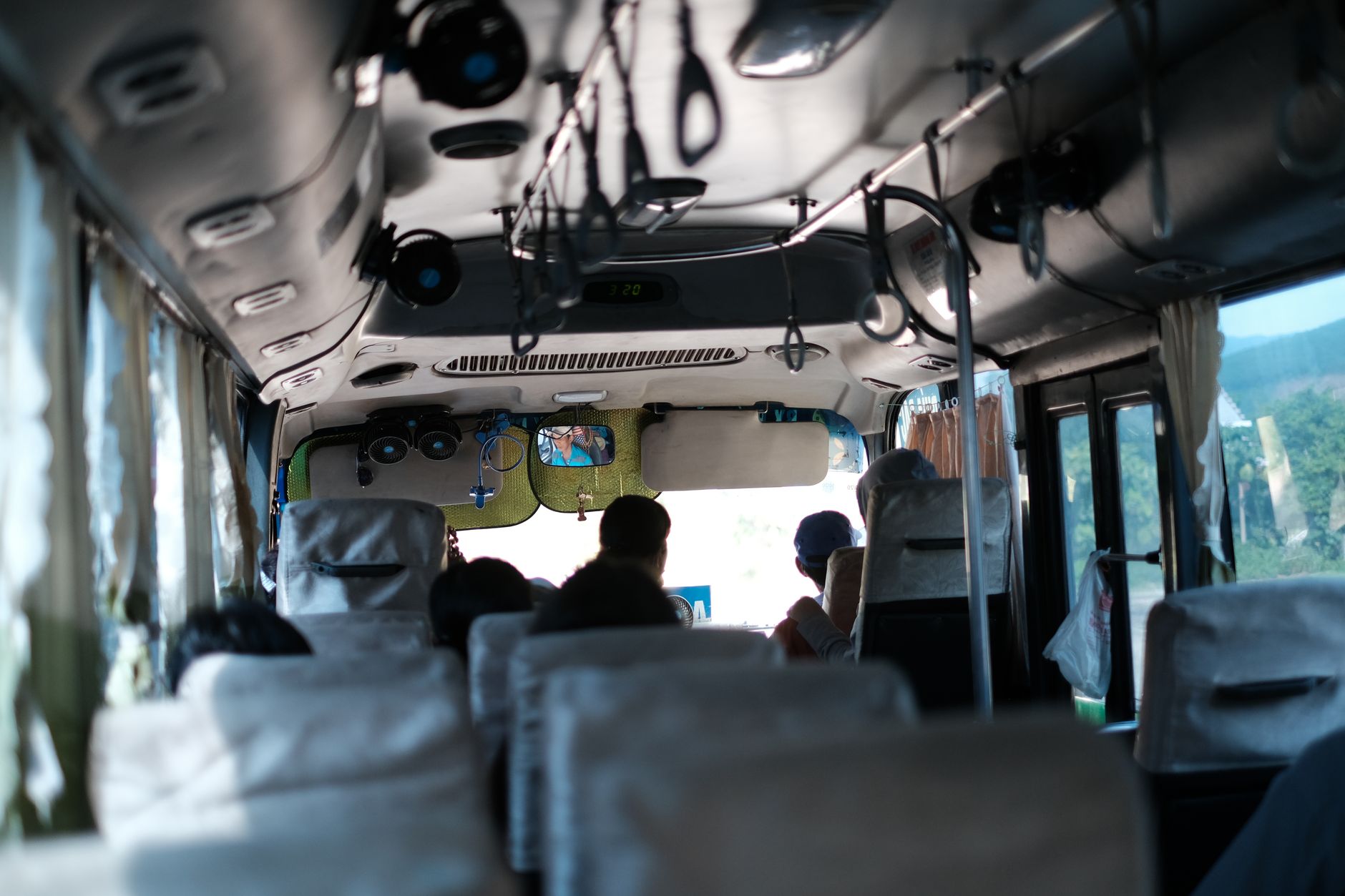
A 24-Passenger Mini Bus works best when the group has roughly 16 to 24 travelers, moderate luggage, and a preference for coach-style seats over a large motor coach. Compact mini bus layouts commonly place luggage in a rear compartment or roof carrier, so the final bag count and any coolers, mobility devices, or equipment must be reviewed before assignment. The smaller footprint helps at hotel entrances, restaurants, and regional attractions, but Bryce Canyon still has specific oversize parking controls and narrow or busy visitor areas. If the group expects extensive luggage, frequent roadside stops, or a fully enclosed restroom, a larger motor coach may be operationally safer.
| Vehicle | Seats | Best For | Notes |
|---|---|---|---|
| 24-Passenger Mini Bus | 16-24 passengers | Choose it for a group tour that stays near 24 travelers and needs comfortable highway travel without the footprint of a full-size motor coach. | Compact mini bus with coach-style seats and luggage in the rear or roof; well suited to small tours, executive retreats, and first-class-only groups. |
| 30-35 Passenger Mini Coach | 25-35 passengers | Use it when the roster may grow beyond 24 or when the group needs more luggage capacity than a compact mini bus provides. | Adds seating and baggage flexibility while retaining a smaller profile than a full motor coach, but parking and oversize rules still require review. |
| Motor Coach | 40-56 passengers | Select it for larger groups, substantial baggage, or long multi-state movements where capacity and storage outweigh compact access. | Provides the strongest underfloor luggage capacity and highway comfort, but requires more careful hotel access, turnaround, and Bryce Canyon parking coordination. |
| Executive Sprinter | 8-14 passengers | Use it for an executive retreat or small first-class-only group below the 24-passenger requirement. | Offers premium seating and easy access at hotels and restaurants, but cargo space becomes limited quickly and it is not a substitute for a coach when every passenger carries a large suitcase. |
Routing, Timing, and On-the-Road Realities
For a Salt Lake City pickup, dispatch should allow the Wasatch Front morning traffic pattern before committing to an afternoon Bryce Canyon arrival. Las Vegas departures should account for Interstate 15 congestion near the city, St. George, and construction or weekend traffic, while the final approach through rural Utah requires fuel planning because services are farther apart. Phoenix and California origins generally need a staging night before the park, especially when the group wants an early trail or shuttle start. Pickups should be scheduled with a loading buffer for luggage, restroom stops, passenger counts, and late arrivals. A motor coach or 24-Passenger Mini Bus should not be routed into a hotel entrance, restaurant, or trailhead solely because a passenger vehicle can reach it; confirm turning radius, clearance, and bus parking first.
Once in Bryce Canyon, park the 24-Passenger Mini Bus at the Bryce Canyon Shuttle Station, the additional parking lot across from the Visitor Center, or approved hotel, campground, or designated bus space as directed by park staff. Shuttle-season restrictions generally operate during daytime shuttle hours, with longer summer hours and shorter shoulder-season hours, so the daily movement plan should be checked against the current park schedule. The Southern Scenic Drive from the amphitheater area toward Rainbow Point is a better fit for a bus sightseeing loop because oversized vehicles are permitted to drive and park at its viewpoints, subject to current conditions. Drivers should never idle or load in shuttle stops, stop outside marked pull-offs, or block a narrow viewpoint circulation lane. For a multi-day operation, schedule the legal driver break and overnight rest before the park day, not after a full day of trails and an evening transfer.
What This Typically Costs
A Bryce Canyon group tour in a 24-Passenger Mini Bus is usually priced from a daily vehicle-and-driver minimum, then adjusted for route miles, deadhead, trip length, and seasonal demand. A multi-day run commonly carries a minimum for each operating day, even when the bus is parked between sightseeing days. Fuel, tolls, parking, park access requirements, driver lodging, and meals or per diem may appear as separate line items, while driver gratuity is normally handled separately by the group. Spring shuttle season, summer weekends, fall color travel, school breaks, and holiday periods can tighten equipment supply and raise rates. Ask whether the quote includes deadhead from the bus home base, overnight storage, mileage overages, fuel adjustments, and a second driver if the itinerary requires one. In most markets, a regional multi-day charter commonly runs a few thousand dollars per day before optional add-ons, but the final range depends more on operating days and repositioning than on passenger count alone.
Frequently Asked Questions
Why use a 24-Passenger Mini Bus for a Bryce Canyon group tour?
A 24-Passenger Mini Bus is a strong fit for a compact group tour when the passenger count is close to 24 and the itinerary uses paved highways, hotel loading areas, and established park facilities. It gives a smaller group coach-style seats without committing to a full-size motor coach. The vehicle may carry luggage in a rear compartment or roof pod, but baggage capacity varies by chassis and passenger load. For a multi-day trip, provide a bag count rather than only a headcount so dispatch can protect aisle space and weight limits.
How many days should a Bryce Canyon group tour take?
Plan on at least three days from a major regional origin, with four to five days more practical for groups traveling from Salt Lake City, Las Vegas, Phoenix, Denver, or southern California. Day one is primarily travel and staging, while the Bryce Canyon sightseeing days should not be overloaded with long transfers. A one-day out-and-back from distant cities creates excessive driver duty and leaves little time for the park. The right trip length depends on the pickup market, required hotel nights, and whether Zion, Capitol Reef, Grand Staircase-Escalante, or the North Rim is included.
What are the best months to visit Bryce Canyon?
May through June and September through early October usually offer the best operating balance for a Bryce Canyon group tour. Summer has long daylight but heavier traffic, fuller lodging, warmer conditions on approach corridors, and more pressure on parking. Winter can be visually rewarding but brings snow, ice, short daylight, possible road restrictions, and a greater need for schedule flexibility. April and October overlap with park shuttle operations on portions of the season, so the dispatcher should verify current shuttle hours and oversize parking conditions before finalizing the run.
What does a realistic Bryce Canyon itinerary look like?
A practical itinerary starts with pickup before the worst commuter period, highway travel to the overnight staging town, and a low-risk first stop such as a scheduled meal or viewpoint with bus parking. The next day can cover the Bryce Amphitheater area through the park shuttle, including Sunrise Point, Sunset Point, Inspiration Point, and Bryce Point, while the 24-Passenger Mini Bus remains at an approved lot. A third day can use the Southern Scenic Drive toward Natural Bridge, Agua Canyon, and Rainbow Point, where vehicles over 23 feet are permitted to drive and park at viewpoints. The return day should include weather and traffic margin rather than a tightly timed flight or event connection.
Does a commercial group tour need a Bryce Canyon permit?
The National Park Service states that road-based commercial tours need a Commercial Use Authorization beginning January 1, 2026, and a packaged group tour using a vehicle with 16 or more seats can fall within the applicable road-based commercial category. The operator or tour company should confirm the current CUA process, scope, fees, insurance, and reporting requirements before entry. A commercial vehicle should not assume that an ordinary entrance payment replaces a required authorization. US Bus Trips can coordinate the carrier, but the tour organizer remains responsible for supplying the commercial itinerary and confirming permit obligations with the park.
Where can a 24-Passenger Mini Bus park at Bryce Canyon?
During shuttle season, vehicles 23 feet or longer face parking restrictions around the Visitor Center, Sunrise Point, Sunset Point, Inspiration Point, Bryce Point, Bryce Lodge, and Paria View. A large-capacity vehicle with 20 or more passengers may qualify for designated permit parking, and the park may issue a free parking permit or hang tag at an entrance fee station. The driver must follow ranger instructions and use marked oversize or bus spaces; commercial buses cannot use park shuttle stops for passenger loading. The safest plan is to stage at the Bryce Canyon Shuttle Station, the additional lot across from the Visitor Center, or approved hotel or campground parking, then use the free park shuttle.
How do driver hours affect a Bryce Canyon multi-day trip?
Passenger-carrier hours are governed by federal hours-of-service rules, not by how relaxed the sightseeing schedule appears. A driver may need a 10-hour off-duty period before a new driving window, and the total on-duty and driving limits must be checked against the actual carrier operation, split breaks, traffic, meal stops, and loading delays. A long pickup day followed by an evening arrival can make the next morning departure illegal or unsafe even if the mileage looks manageable. For extended corridors, dispatch may use a second qualified driver, add a hotel night, shorten the sightseeing day, or divide the movement into separate operating days.
How to Book
To quote the run, have the pickup address, travel dates, passenger count, luggage estimate, preferred hotels, and every planned stop ready. Include whether the group needs Zion, Capitol Reef, Grand Staircase-Escalante, Las Vegas, Salt Lake City, or another corridor added to the Bryce Canyon itinerary. A realistic quote turnaround is within 4 business hours when the operating dates and pickup details are complete. Confirmation should identify the carrier, vehicle class, driver plan, schedule, inclusions, exclusions, cancellation terms, parking assumptions, and any permit responsibilities; contact US Bus Trips with the trip details for dispatch review.
Related Trips You Might Also Consider
- San Francisco, CA to Monterey, CA
- Milwaukee, WI to Chicago, IL
- San Jose, CA to Sacramento, CA
- Academic Decathlon — Midwest Region
- Philadelphia Historic — 14-Passenger Sprinter
- Aurora, CO to Vail, CO
- Cross-Country Charter Bus Overview
- All Group Trip Types
- See the Full Fleet (Sprinters through 56-pax coaches)
- Get a Free Quote in 60 Seconds