
A Denali group tour works best when the charter coach, park bus reservations, lodging, and driver schedule are planned as separate operating pieces.
Overview
A Denali group tour is usually built around Anchorage, the Parks Highway, and several nights near the park entrance rather than a single continuous bus ride. Most groups arrive through Ted Stevens Anchorage International Airport, use the first day for airport pickup and downtown or Midtown hotel movement, and then travel north toward Talkeetna and Denali. Talkeetna works as a useful meal, scenic, or flightseeing stop, but it can add loading time and should not be treated as a guaranteed quick break during peak summer. The Denali entrance is near Mile 237 of the Parks Highway, with the Denali Visitor Center and Bus Depot serving as the operational hub for park activities. Family reunions, alumni groups, corporate incentive programs, and escorted tour operators commonly choose a 36-Passenger Mini Coach because their headcount is too high for vans but below a full 56-passenger motor coach. The group should reserve park bus seats separately and keep the charter coach focused on highway, hotel, restaurant, and activity transfers.
The best months for a Denali group tour are generally late May through early September, with June through August offering the broadest operating schedule and longest usable daylight. Peak summer also creates the hardest availability problem for hotels, park buses, restaurants, and coach parking, so a 36-Passenger Mini Coach should be requested as soon as dates are firm. A realistic five-day plan is day 1 Anchorage arrival and first stops, day 2 northbound travel with a Talkeetna or Nenana stop, days 3 and 4 based near Denali with one reserved park bus experience and one flexible local activity, and day 5 return to Anchorage or onward to Fairbanks. Current National Park Service information says buses may be limited to East Fork at Mile 43 during the Pretty Rocks road project, so older itineraries showing full-road access to Kantishna should not be copied without checking the current season. Lodging near the entrance, in Healy, or at a resort along the access corridor reduces repeated coach movements and protects the group against late park-bus returns. September can be quieter and visually strong, but operators should expect fewer departures, shorter services, and more weather variability.
The charter coach and the park bus serve different functions. Private vehicles are generally allowed only through the first 15 miles of the Denali Park Road, while travel farther into the park is largely restricted to authorized bus services; the current road project has limited 2026 bus travel to Mile 43 according to National Park Service updates. A 36-Passenger Mini Coach can deliver passengers to the entrance, visitor center, hotels, restaurants, and approved activity sites, but it should not be promised as the vehicle carrying the group deep into the park. Park tour or transit bus tickets, accessibility requests, and any backcountry arrangements must be handled with the park or its concessioner and should be reconciled with the charter schedule. Commercial access, special event activity, or service inside park boundaries may require authorization or a concession arrangement, so the broker needs the exact operating description before quoting. Alaska weather, wildlife delays, construction, and limited parking can turn a nominally short transfer into a full duty-day issue, which is why a multi-day itinerary needs recovery time.
Fleet Options
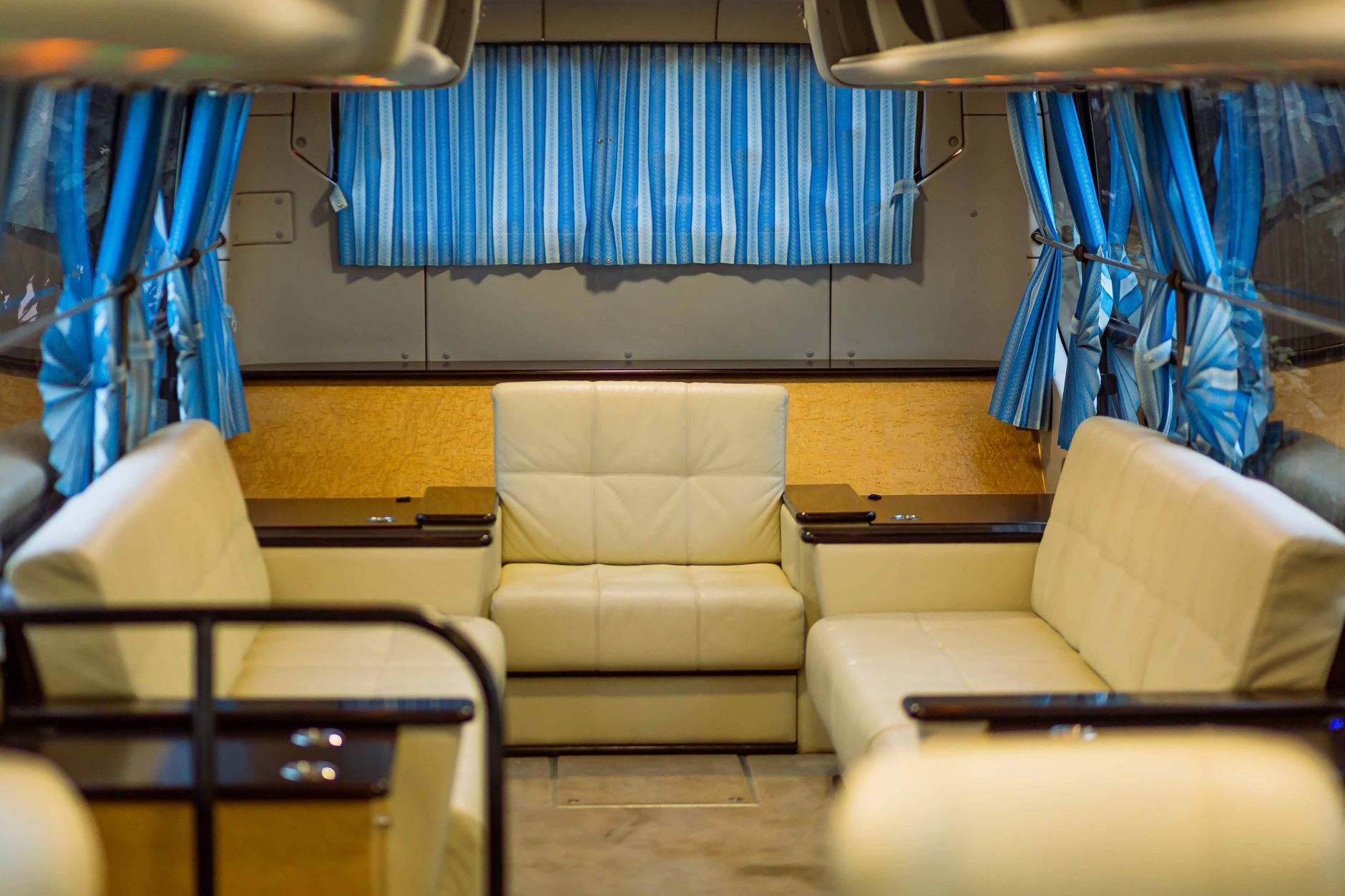
For a Denali group tour, select the vehicle after counting passengers, luggage, outdoor gear, and the number of hotel moves. A 36-Passenger Mini Coach is a high-floor mid-size coach with coach-style seats and luggage bays, fitting medium groups where a 56-passenger motor coach is excessive and a 24-passenger vehicle is tight. It handles the Anchorage to Denali and Parks Highway corridors well, but it still needs coach-friendly hotel approaches and designated parking. Smaller vehicles can simplify trailhead or downtown access, while a larger motor coach offers more bay capacity but may be harder to stage at local lots. Confirm accessibility needs, child seats, coolers, and equipment before final assignment.
| Vehicle | Seats | Best For | Notes |
|---|---|---|---|
| 36-Passenger Mini Coach | Up to 36 passengers | Best for a group tour with roughly 25 to 36 travelers, substantial luggage, and a multi-day Anchorage, Talkeetna, and Denali routing. | High-floor coach with coach-style seating and luggage bays; a practical balance of comfort and maneuverability for highway travel and medium-size groups. |
| 24-Passenger Mini Bus | Approximately 18 to 24 passengers | Fits smaller groups with light luggage or a shorter Denali itinerary where tight access matters more than maximum cargo space. | More compact and easier at smaller hotel drives and trailhead approaches, but cargo capacity and seat spacing are more limited for a long multi-day run. |
| 56-Passenger Motor Coach | Approximately forty-five to 56 passengers | Fits large groups, shared departures, or programs carrying extensive luggage and equipment with confirmed coach parking. | Provides the most passenger and underfloor luggage capacity, but its turning radius, staging needs, and parking footprint demand careful site checks. |
| Executive Sprinter | Approximately 10 to 14 passengers | Fits a small leadership group, airport transfer, or support vehicle operating alongside the main Denali group tour. | Useful for compact groups and premium airport or hotel transfers, but its limited luggage volume and lower capacity make it unsuitable for a full 36-person group. |
Routing, Timing, and On-the-Road Realities
The standard south-to-north corridor runs from Anchorage to Wasilla, along the Parks Highway through Willow and Talkeetna Junction, then past Cantwell and Nenana toward the Denali entrance. For a group traveling from Anchorage, an early departure avoids some local congestion and preserves daylight for a Talkeetna stop, but the driver still needs loading time at the airport, hotel check-out, meals, and legal rest. A day 1 arrival should not be paired with a guaranteed same-day transfer to Denali unless flight times, baggage, and driver duty are firmly controlled. Fairbanks-origin groups can approach from the north and may use Nenana or Healy as staging points, while open-jaw Anchorage-to-Fairbanks programs can reduce backtracking. The 36-Passenger Mini Coach should be routed to coach-capable hotels and activity sites before the trip, with exact addresses checked for turning radii, low wires, gravel approaches, and seasonal construction. Pickup windows should be set before park-bus departures because the charter coach cannot recover a missed reserved departure inside the park.
At Denali, stage the charter coach at the hotel or an approved entrance-area location while passengers use the park's transit or narrated bus system. The Denali Bus Depot is near the park entrance, and visitors are advised to arrive before scheduled departures; groups should build a substantial walk, loading, restroom, and ticket-check buffer rather than arriving at the listed departure minute. Parking availability can change, and very limited parking exists at some remote trailhead areas, so the motor coach should not be sent to Savage River or other small lots without confirmation. The Parks Highway and park access road can have wildlife, weather, gravel, and roadwork delays, particularly in shoulder season. A driver may need to remain nearby for a timed return transfer, but waiting time counts toward the driver's duty plan even if the coach is stationary. Keep the final evening flexible enough to absorb a late park-bus return, and never schedule the next long highway leg on the assumption that the last bus will run exactly on time.
What This Typically Costs
A Denali group tour is usually quoted as a transportation package rather than a simple ticket price, with daily minimums, mileage, and any deadhead miles priced together. In most markets, a 36-Passenger Mini Coach for a multi-day Alaska run commonly reaches a few thousand dollars per operating day before lodging, park tickets, meals, and special permits, with peak summer dates at the higher end. The quote should separate revenue miles from empty repositioning miles, including delivery to Anchorage or Fairbanks and the coach's return movement. Driver lodging, parking, ferry or toll charges, fuel adjustments, and overtime are typical line items, while driver gratuity is commonly budgeted separately. Ask whether the rate includes a second driver, because a long Anchorage to Denali movement followed by an in-park day can exceed a practical single-driver schedule. Park transit or narrated bus tickets are separate from the motor coach charter, and weather delays or road restrictions can create standby or change-order exposure.
Frequently Asked Questions
How many days should a Denali group tour take?
A practical group tour is usually four to seven days. A four-day plan can cover Anchorage, Talkeetna, Denali, and a return to Anchorage, but it leaves limited weather recovery time. Five or six days gives the group a usable Denali in-park day plus a buffer for road conditions, flight changes, or a late arrival. Longer multi-day programs can add Fairbanks, Seward, or a second Denali activity without forcing the motor coach into back-to-back long days. The exact length should be set before requesting park and lodging availability.
What are the best months for a Denali group tour?
The most reliable operating window is generally late May through early September, when visitor services and park buses are running. June through August usually offers the broadest tour, lodging, and daylight availability, but it also brings the highest demand and the least flexibility for a 36-Passenger Mini Coach. May and September can reduce crowd pressure, though shoulder-season schedules and weather need confirmation. For 2026, National Park Service information lists summer bus operations from May 20 through September 17, with schedules subject to change. Winter and early spring are not suitable for a standard in-park motor coach itinerary because regular park bus access is unavailable.
Can our 36-Passenger Mini Coach drive the Denali Park Road?
A 36-Passenger Mini Coach normally takes the group to the Denali entrance area, visitor center, hotels, restaurants, and scheduled activity operators, but it does not replace the park's restricted-access transit system. Private vehicles are generally limited to the first 15 miles of the Park Road, while travel farther into the park is largely handled by authorized bus services. Current National Park Service updates have limited buses to East Fork at Mile 43 during the Pretty Rocks road project, rather than the full 92-mile road. The group should reserve the appropriate transit or narrated bus separately and keep the charter coach staged outside the restricted route. Do not promise a private motor coach ride to Kantishna unless park officials and the authorized operator specifically approve that arrangement.
Do charter buses need permits or special parking at Denali?
The National Park Service and its concessioners control the bus services that carry visitors beyond the private-vehicle section of the road. A charter operator may need commercial authorization, a concession arrangement, or a specific park permit for any service conducted inside the park, so the itinerary must identify whether the coach is transporting guests to the entrance or operating a permitted park service. Oversize routing should be confirmed with the carrier because Alaska highways, bridge clearances, construction zones, and local access roads can affect a full-size vehicle. Parking at the visitor center and entrance area is limited in places, and overnight parking rules can change by season. A 36-Passenger Mini Coach should use designated coach loading and parking areas, not hotel or trailhead spaces intended for passenger cars.
Where should a group stay when touring Denali?
Use Anchorage as the primary arrival and departure gateway when the group is flying into Ted Stevens Anchorage International Airport. A common sequence is Anchorage on day 1, a northbound Parks Highway movement on day 2 with a Talkeetna or viewpoint stop, Denali lodging on days 2 through 4, and a return to Anchorage or onward movement to Fairbanks. Talkeetna, Healy, Nenana, and the Denali entrance are practical staging points, while lodging inside the park or at nearby resorts can reduce repeated loading. Fairbanks is useful for northbound or open-jaw programs, but it changes the mileage and driver plan. Leave room for one night near the entrance before an early park bus departure rather than scheduling a long transfer immediately beforehand.
Why choose a 36-Passenger Mini Coach for this trip?
A 36-Passenger Mini Coach is a high-floor, mid-size coach with coach-style seats and luggage bays, making it a strong fit for a group that is too large for a 24-passenger vehicle but does not need a 56-passenger motor coach. It carries a medium group comfortably for highway legs and keeps loading more manageable at hotels and activity sites. The coach is still larger than a shuttle van, so narrow hotel drives, low-clearance entrances, small trailhead lots, and seasonal construction zones require advance review. Checked luggage for a multi-day trip can consume more bay space than the passenger count suggests, especially when the group carries outdoor gear. A final manifest should include bags, coolers, mobility equipment, and any oversized equipment before the vehicle is assigned.
How do driver hours affect a Denali multi-day charter?
Drivers must plan the trip around federal hours-of-service limits, required off-duty periods, and the carrier's safety policy rather than the sightseeing schedule alone. Anchorage to Denali is a substantial highway movement, and an in-park day can involve long waits, slow travel, loading, and return staging even when the coach is not moving continuously. A single driver may need a hotel night, a shorter duty day, or a relief plan before the next long leg. Two-driver coverage can be considered for compressed schedules, but it does not eliminate the need for legal rest and realistic loading time. Build a buffer for weather, wildlife, road work, passenger delays, and the possibility that the last available park bus should not be used as the group's only connection.
How to Book
To book, have the travel dates, passenger count, pickup address, airport details, luggage estimate, accessibility needs, hotel list, and intended Denali park-bus activity ready. Include whether the trip begins in Anchorage, Fairbanks, or another Alaska gateway, plus any Talkeetna, Seward, or event stops. US Bus Trips can typically return a preliminary quote within 4 business hours when the dates and itinerary are complete, subject to carrier and lodging availability. The confirmation should identify the vehicle class, operating dates, mileage and deadhead assumptions, driver plan, inclusions, exclusions, cancellation terms, and pickup contacts; reach us with the itinerary so dispatch can review the run before booking.
Related Trips You Might Also Consider
- Carlsbad Caverns — 14-Passenger Sprinter
- New Orleans, LA to Biloxi, MS
- San Francisco, CA to Sacramento, CA
- Milwaukee, WI to Wisconsin Dells, WI
- Grand Canyon — 36-Passenger Mini Coach
- Senior Tour Group — Southeast Region
- Cross-Country Charter Bus Overview
- All Group Trip Types
- See the Full Fleet (Sprinters through 56-pax coaches)
- Get a Free Quote in 60 Seconds