
A 36-Passenger Mini Coach is a practical fit for medium-size groups traveling to the Everglades with overnight luggage and several park days.
Overview
A typical Everglades group tour begins with a long-haul move into South Florida, not with an immediate trailhead stop. Groups from the Northeast, Midwest, Texas, Atlanta, and Orlando often stage in Miami, Fort Lauderdale, Homestead, Florida City, Naples, or Everglades City depending on their selected entrance. A 36-Passenger Mini Coach is well suited to this customer profile because it carries a medium group in coach-style seats without the footprint of a full-size motor coach. Common customers include school and university groups, conservation organizations, birding clubs, family reunions, and corporate teams combining a park day with Miami, the Florida Keys, or Biscayne National Park. The itinerary should identify whether the priority is wildlife, hiking, tram service, boating, photography, or a general park overview because the most efficient entrance changes with that objective. A multi-day plan also prevents the driver from having to make a same-day arrival, park tour, and long return move.
The park is not one compact attraction with a single bus entrance. The Homestead side serves the Ernest F. Coe Visitor Center, Royal Palm, Anhinga Trail, and the road toward Flamingo, while Shark Valley operates along the Tamiami Trail corridor and the Gulf Coast side is associated with Everglades City and water-based access. A group tour that tries to cover all three areas in one day will spend much of its time repositioning rather than visiting. The dry season, generally November through April and especially December through April, brings more comfortable weather, lower humidity, fewer mosquitoes, stronger wildlife viewing conditions, and heavier visitation. The wet season from about May through November can be quieter and greener but brings heat, rain, mosquitoes, and fewer ranger-led programs. US Bus Trips should build weather flexibility into any multi-day booking and verify attraction schedules before promising a specific boat, tram, or ranger program.
Lodging should be selected around the first and last operating area, not simply the lowest room rate. Homestead or Florida City is operationally efficient for early starts at the Coe Visitor Center and Royal Palm, while Miami and Fort Lauderdale provide more airport inventory but add urban traffic and southbound deadhead. Naples and Everglades City are better staging points for Gulf Coast tours and boat departures, though they may be less convenient for eastern park features. Many groups combine the Everglades with Miami Beach, Key Largo, Key West, or a cruise departure, so hotel loading windows and luggage storage must be coordinated before the coach arrives. A motor coach can often reach major hotels, but some properties have tight porte-cocheres, low canopies, limited bus parking, or street restrictions. Confirming a bus-accessible hotel and a legal overnight parking location is part of the transportation plan, not a final-day detail.
Fleet Options
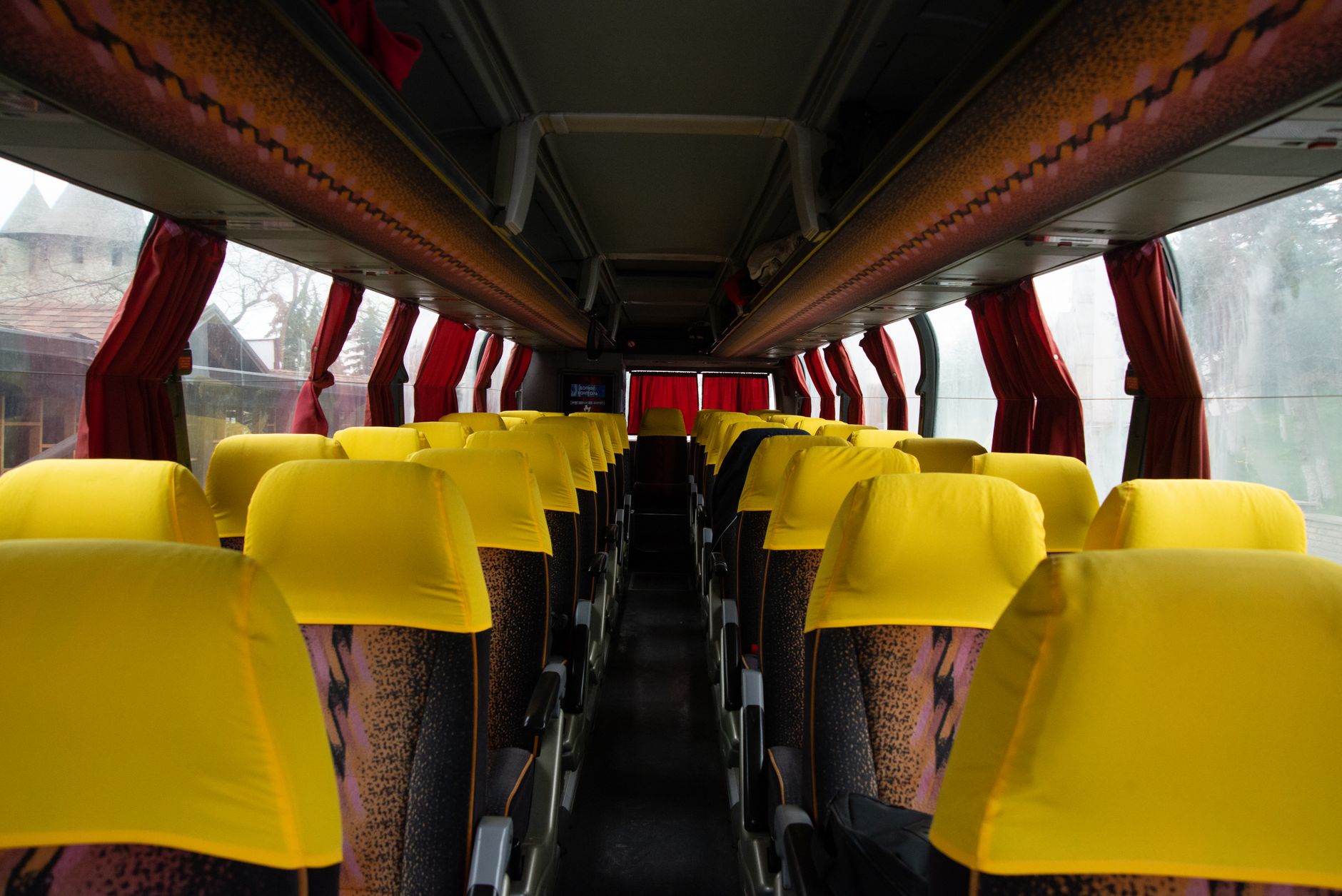
The 36-Passenger Mini Coach is the normal middle option for a group that needs more capacity and luggage space than a van or 24-passenger mini bus but does not need a full 56-passenger motor coach. Its high floor, coach-style seats, and luggage bays handle overnight bags and long Florida transfer legs better than shuttle-style equipment. Confirm the actual cargo configuration because a full passenger load, coolers, mobility devices, and bulky activity gear can use available storage quickly. The vehicle is more manageable than a full-size motor coach at many hotels and trailhead approaches, but it still requires bus-aware routing and designated parking.
| Vehicle | Seats | Best For | Notes |
|---|---|---|---|
| 36-Passenger Mini Coach | 28-36 passengers | Best when the group has roughly 28 to 36 travelers, overnight luggage, and several consecutive days of highway travel. | High-floor motor coach seating and luggage bays suit a full medium group, but confirm cargo capacity and designated bus parking before park activities. |
| 24-Passenger Mini Bus | 18-24 passengers | Fits smaller groups that need a bus but can keep luggage modest and avoid carrying extra staff or equipment. | More compact for hotel loops and tighter urban access, but luggage capacity and ride comfort are usually lower for a full multi-day load. |
| 56-Passenger Motor Coach | 45-56 passengers | Makes sense when attendance exceeds the practical capacity of a 36-Passenger Mini Coach or when the group needs substantial gear space. | Provides the most underfloor storage and aisle capacity, but its length and turning radius require confirmed bus lots, wider hotel approaches, and more deliberate park routing. |
| Executive Sprinter | 8-14 passengers | Works for a small VIP party, staff advance team, or separate airport movement rather than the main group tour. | Comfortable for a small leadership or family group, but limited luggage volume and fewer seats make it a poor substitute for a medium-group charter. |
Routing, Timing, and On-the-Road Realities
For an eastern park day, the usual corridor runs south from Miami or Fort Lauderdale through Florida's Turnpike and US 1 toward Homestead and Florida City, then to the park's Homestead entrance. The coach should leave before the Miami morning commute when the schedule includes an early ranger program, trail stop, or reserved activity. Shark Valley is a separate operating pattern along US 41 and the Tamiami Trail, with different traffic conditions, visitor volumes, and bus-parking needs than the Homestead entrance. The Gulf Coast route toward Everglades City commonly uses I-75 or US 41 connections from the Naples area and should be timed around a boat operator's fixed departure. Do not combine Shark Valley, Flamingo, and Everglades City as casual same-day stops; the distances, loading windows, and passenger walking time make that plan unreliable. A 36-Passenger Mini Coach is easier to position than a full-size motor coach, but it still needs a verified turnaround and unloading plan at every venue.
Driver hours are usually the limiting factor on an interstate group tour, especially when the origin is outside Florida. Passenger-carrier rules generally limit driving to 10 hours after 8 consecutive hours off duty, prohibit driving after a 15-hour on-duty window, and impose 60-hour or 70-hour weekly limits depending on the carrier's operating schedule. The driver's duty day includes more than wheel time: vehicle inspection, fueling, passenger loading, waiting, hotel moves, and other assigned work can reduce the available schedule. A long first-day run may therefore end at a South Florida staging hotel before any park activity, with the first park visit on day 2. Schedule a second driver or a protected overnight when the origin, event timing, or return deadline cannot fit one driver's legal window. The final dispatch sheet should show pickup time, planned driving, meal and restroom stops, park dwell time, hotel check-in, and the next legal start time.
What This Typically Costs
A 36-Passenger Mini Coach is normally quoted from a daily charter rate, then adjusted for mileage, routing, service days, and market availability. Multi-day work commonly carries a daily minimum even when the coach moves only for short local transfers, while long Florida arrivals add deadhead miles from the vehicle's home market and return positioning. Peak demand is usually tied to winter travel, spring-break schedules, holidays, festivals, and major Miami, Fort Lauderdale, Naples, or Orlando events. The quote may separate driver overnight lodging, parking, tolls, permits, fuel adjustments, and any required second-driver coverage. Driver gratuity is commonly treated as a separate customer-paid line item rather than folded into the base rate. In most markets, a multi-day Everglades group tour can run a few thousand dollars per service day before lodging, meals, admissions, and specialty activities, but the final range depends heavily on pickup city, deadhead, dates, and hours.
Frequently Asked Questions
What are the best months for an Everglades group tour?
For most groups, the best operating window is November through April, when South Florida is generally drier, less humid, and more comfortable for walking and wildlife viewing. Everglades National Park identifies a dry season that is typically December through April, with the largest winter visitation and stronger wildlife concentration. May through November is wetter, hotter, and more mosquito-prone, although visitors may find fewer crowds and a greener landscape. Wet-season plans need rain contingencies, flexible outdoor timing, and confirmation that ranger programs or private operators are running.
How many days should we plan for an Everglades group tour?
A practical multi-day group tour usually takes three to five days from a distant origin, with an additional day if the group is crossing several states. Day 1 is travel to a staging city such as Miami, Fort Lauderdale, Homestead, or Naples, with a meal stop and a short first attraction if arrival time permits. Day 2 can cover the Ernest F. Coe Visitor Center, Royal Palm, Anhinga Trail, and a reserved boat or naturalist activity where available. Another park day may use the Shark Valley area or the Gulf Coast and Flamingo areas, but these are not efficient to combine without allowing substantial driving time. Day 3 or later can include a return transfer, Biscayne National Park, a Florida Keys extension, or a planned overnight toward the group's home corridor.
What does a 36-Passenger Mini Coach fit best?
A 36-Passenger Mini Coach fits a medium group that is too large for a 24-passenger vehicle but does not justify a full-size 56-passenger motor coach. It provides high-floor seating, coach-style seats, underfloor or rear luggage capacity, and easier boarding for a group carrying overnight bags. It works well for airport transfers, hotel staging, visitor-center visits, and road-based sightseeing. The bus still needs a confirmed route because bridge clearances, narrow access roads, tight hotel drives, and crowded trailhead lots can limit maneuverability. Passenger capacity also depends on luggage volume, mobility equipment, coolers, and whether every seat must remain available.
Do buses need permits or special parking arrangements in the Everglades?
Everglades National Park access is divided among separate areas, including the Homestead entrance, Shark Valley, and the Gulf Coast area near Everglades City. A charter operator should verify current commercial-use requirements, activity-specific permits, entrance procedures, and parking instructions directly with the National Park Service and any concessionaire before dispatch. Oversize routing matters because a coach cannot be treated like a passenger car on every park road, and a driver may need to use designated bus areas or unload only at approved locations. Do not assume a private boat tour, tram, kayak launch, or naturalist program includes bus parking or group admission. The final run sheet should list the entrance, reservation holder, unloading point, parking location, and contact number for each activity.
How do driver hours affect a multi-day Everglades charter?
The carrier must schedule under passenger-carrier hours-of-service rules rather than treating the driver as available for unlimited sightseeing. Federal rules generally allow up to 10 hours of driving after at least 8 consecutive hours off duty, with a 15-hour on-duty window and applicable 60-hour or 70-hour weekly limits. A long arrival from Atlanta, the Northeast, Texas, or the Midwest may require a planned overnight, relief driver, or split routing rather than a same-day park program. Hotel check-in, fueling, inspections, passenger loading, and waiting at attractions all affect the driver's on-duty plan. The dispatcher should build a legal rest period into every multi-day schedule before promising an early park departure.
Where should a group stay when visiting the Everglades?
Hotels are usually staged in Miami, Fort Lauderdale, Homestead, Florida City, Naples, or near Everglades City depending on the selected park entrance. Homestead and Florida City reduce the early run to the Coe Visitor Center, Royal Palm, and Flamingo side of the park. Miami and Fort Lauderdale offer more airline access and hotel inventory but add traffic and a longer southbound transfer. Naples or Everglades City is more practical for Gulf Coast touring, boat departures, and west-side activities. A group tour that covers both the eastern and western sides should normally use two staging nights or accept a long repositioning day.
What pickup and routing details should we plan?
Miami-area traffic makes pickup timing a major part of the operating plan, especially on weekday mornings, holiday weekends, and major event dates. For a park-bound departure, the coach should generally leave before the heaviest urban commute and carry a confirmed restroom and meal strategy rather than relying on an unscheduled stop. The Homestead route uses Florida's Turnpike and US 1 before reaching the park entrance, while Shark Valley is approached from the Tamiami Trail corridor and has different parking constraints. Gulf Coast routing through Naples and Everglades City can require more time than map estimates suggest because boat departure times and two-lane segments leave little recovery margin. The dispatcher should set a hard passenger call time, a loading cutoff, and a return buffer for rain, wildlife stops, and attraction delays.
How to Book
To quote the run, have the travel dates, pickup address, passenger count, luggage estimate, hotel locations, park entrances, activity reservations, and return deadline ready. A realistic quote turnaround is within 4 business hours when the itinerary and pickup market are complete, although peak dates may require additional carrier checks. Confirmation should identify the vehicle class, service hours, mileage basis, driver lodging responsibility, parking and permit assumptions, cancellation terms, and known exclusions. Send the itinerary to US Bus Trips by phone or through the booking request channel so the operations team can test the routing before equipment is assigned.
Related Trips You Might Also Consider
- Charlotte, NC to Atlanta, GA
- Austin, TX to Houston, TX
- Robotics Competition — Midwest Region
- Corporate Roadshow — Northeast Region
- Las Vegas, NV to Phoenix, AZ
- College Band Tour — Southeast Region
- Cross-Country Charter Bus Overview
- All Group Trip Types
- See the Full Fleet (Sprinters through 56-pax coaches)
- Get a Free Quote in 60 Seconds