
A Glacier National Park group tour works well for families, alumni groups, corporate retreats, and escorted small-group programs that want one vehicle and a controlled schedule.
Overview
A Glacier National Park group tour usually starts with a highway move into the Flathead Valley rather than an immediate climb into the park. Groups from Spokane commonly use US 2 through north Idaho and along the southern edge of the park before staging in Whitefish, Columbia Falls, Kalispell, or West Glacier. A Seattle-origin group may need a full travel day or an overnight break, while Calgary and Alberta groups often approach through the Sweetgrass or Chief Mountain region after confirming border timing and vehicle documents. Corporate retreats may combine a lodge program with one or two controlled sightseeing days, while family reunions and alumni groups often prioritize Lake McDonald, Logan Pass, Many Glacier, and a boat or ranger activity. The booking conversation should establish whether the group wants the bus moving each day or parked at one hotel while passengers use park transportation. That decision changes the driver schedule, hotel location, parking plan, and total deadhead.
The 24-Passenger Mini Bus is particularly useful when the passenger list is close to capacity but the group does not need a full motor coach. Coach-style seats make the long approach from Spokane, Calgary, Bozeman, or the Dakotas more manageable, and rear or roof luggage storage can handle standard soft bags when the group packs to a stated limit. It is a practical match for a small tour, executive retreat, church group, wedding party, or first-class-only itinerary that values one vehicle and consistent departure times. It is not a guarantee of access to every Glacier National Park road, overlook, or parking lot. Before quoting a route over Going-to-the-Sun Road, the dispatcher needs the vehicle's measured length, width including mirrors, and height, plus the operator's commercial authorization position. If the road segment is restricted, the group may need to transfer at Apgar, St. Mary, Logan Pass, or another approved staging point rather than asking the driver to improvise.
Lodging is an operating decision, not just a room-block decision. Whitefish and Kalispell provide the broadest inventory, restaurants, fuel, and driver amenities, but they lengthen the morning approach to west-side park stops and can create busy departure windows on US 2. West Glacier and Columbia Falls reduce that approach but may have fewer large-group room blocks and limited bus parking. St. Mary, Browning, East Glacier, and the Many Glacier area are useful for east-side touring, although availability, meal service, and coach access require early confirmation. A split-stay plan can reduce daily running but adds a loaded relocation day and possible cancellation exposure. Ask each hotel where a 24-Passenger Mini Bus may park overnight, whether the entrance can accept the turning radius, and whether breakfast is available before the group's required trailhead departure.
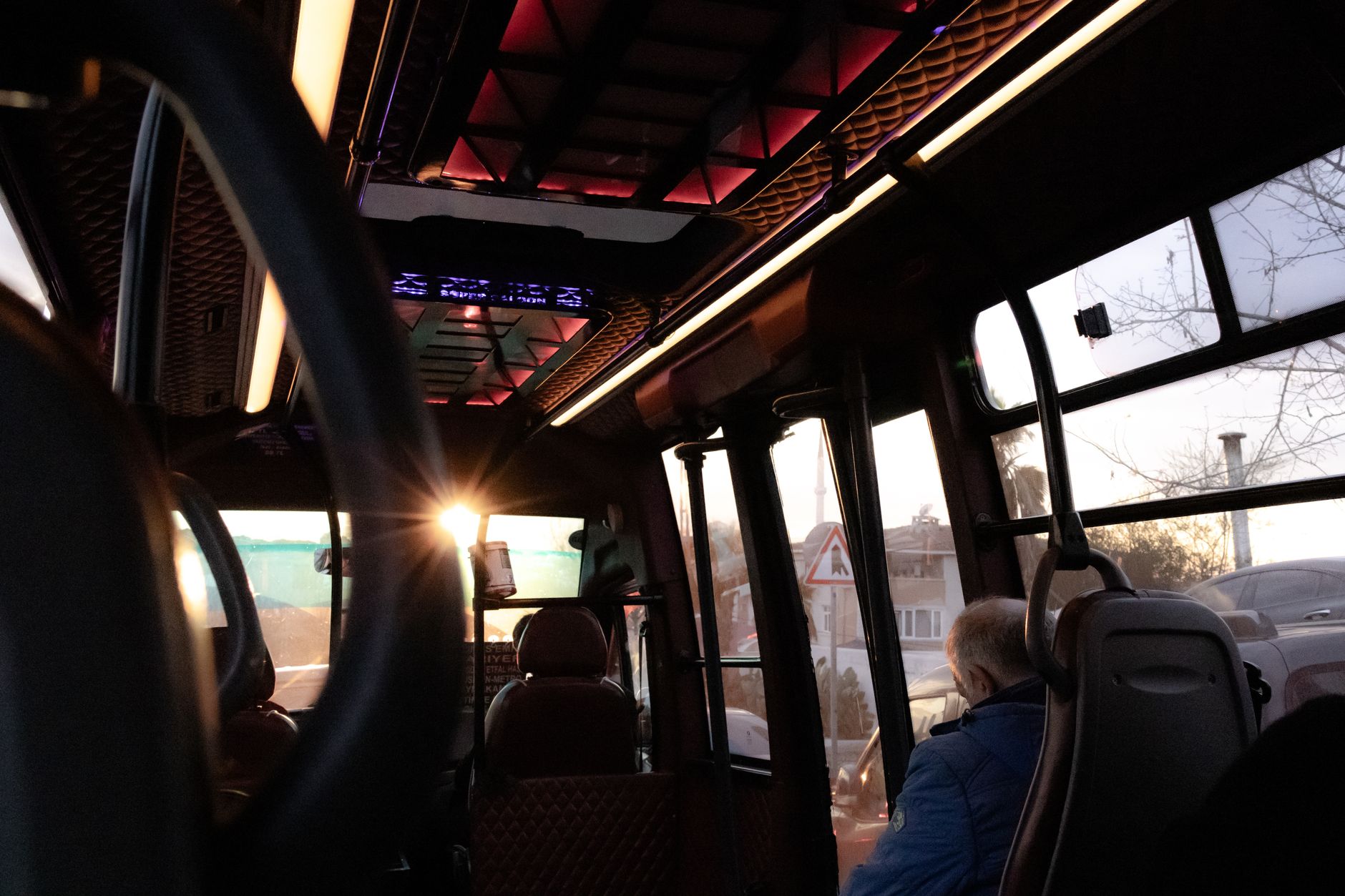
Fleet Options
A 24-Passenger Mini Bus is a strong fit when the group has about 18 to 24 travelers and wants compact handling without giving up coach-style seats. It works especially well for small tours, executive retreats, family reunions, and first-class-only groups carrying soft luggage in a rear bay or roof-mounted carrier. Confirm the bus's exact exterior dimensions before routing it toward restricted sections of Going-to-the-Sun Road, because seating capacity does not determine park clearance. A larger motor coach provides more luggage volume and restroom options but may be less practical at small trailhead lots, lodge drives, and mountain turnarounds. The final choice should balance passenger count, baggage, driver visibility, and the number of times the vehicle must load or relocate.
| Vehicle | Seats | Best For | Notes |
|---|---|---|---|
| 24-Passenger Mini Bus | 18-24 passengers | Choose it when the group is near 24 travelers and needs comfortable point-to-point service without the footprint of a full motor coach. | Compact mini bus with coach-style seats and luggage in the rear or roof; well suited to small tours, executive retreats, and first-class-only groups, subject to exact park dimensions. |
| Executive Sprinter | 10-14 passengers | Use it for a smaller executive retreat or a split vehicle plan when the travelers value privacy and frequent scenic stops. | Best for lighter baggage and premium seating, but cargo capacity and passenger movement are tighter for a multi-day group tour. |
| Mini Coach | 25- thirty passengers | Use it when the headcount exceeds a 24-Passenger Mini Bus or the group has bulky luggage and wants more separation between passengers and cargo. | Provides more underfloor or rear cargo space than many compact vans and may improve ride comfort, but dimensions must still be checked against park limits. |
| Full-Size Motor Coach | 40-56 passengers | Choose it for a larger group sharing one vehicle on highway segments, with shuttle or smaller-vehicle connections for restricted park roads. | Offers the greatest luggage capacity, high-back seating, and often an onboard restroom, but requires wider staging areas, larger parking spaces, and stricter mountain-road screening. |
Routing, Timing, and On-the-Road Realities
The most reliable west-side operating pattern is to stage near Whitefish, Columbia Falls, Kalispell, or West Glacier and enter through West Glacier or Apgar according to the day's stops. Apgar Visitor Center, Lake McDonald Lodge, Trail of the Cedars, Avalanche-area access, and the Loop require separate checks for bus dimensions, parking, and current road status. A 24-Passenger Mini Bus that exceeds the 21-foot length or 8-foot width limit cannot use the restricted section between Avalanche Campground and the Rising Sun picnic area parking. Vehicles over 10 feet tall may also face rock-overhang difficulty westbound from Logan Pass toward the Loop. For east-side days, St. Mary, Rising Sun, Many Glacier, and Two Medicine can be more workable staging points, but the driver still needs current construction, weather, and parking information. Commercial tours should not promise a full west-to-east Going-to-the-Sun Road crossing unless the operator has verified the applicable authorization and vehicle clearance.
Schedule the first park departure early enough to absorb entry queues, passenger loading, restroom stops, and limited lot capacity, but do not promise a pre-dawn access plan that exceeds the driver's duty window. Highway approaches through US 2, US 93, and Montana 49 can be slow around summer weekends, construction zones, wildlife activity, and town-center congestion in Whitefish, Columbia Falls, Kalispell, and St. Mary. Trailhead parking is often the limiting resource, so the bus may need to drop passengers at a designated area and stage elsewhere rather than occupy several car spaces. The Glacier shuttle and concessionaire tours can be useful connections, but their operating dates, reservations, boarding points, and baggage rules must be checked for the travel year. Plan a minimum of 8 consecutive hours off duty before a new passenger-driving shift and keep the 10-hour driving and 15-hour on-duty limits visible in the run sheet. If a day combines a long approach, a full park loop, dinner, and a return to an outlying hotel, quote a second driver or a shorter program instead of relying on an exhausted single-driver turn.
What This Typically Costs
A Glacier National Park group tour in a 24-Passenger Mini Bus is usually quoted as a multi-day charter, not a simple point-to-point transfer. The cost structure commonly combines a daily minimum, mileage or zone pricing, and deadhead miles for bringing the vehicle and driver to the pickup city and returning them after the run. In most markets, a summer charter commonly runs a few thousand dollars per day, with higher totals when the itinerary requires long repositioning, several hotel nights, or a second driver. Peak pricing is most common from late June through September, especially around Independence Day, Glacier summer operations, weddings, and corporate retreats. Budget separately for driver lodging, parking, tolls where applicable, fuel adjustments, and a customary driver gratuity. A written quote should identify included mileage, daily hours, overtime, cancellation terms, lodging responsibility, and any park or venue fees rather than hiding those items inside one lump sum.
Frequently Asked Questions
How many days should a 24-passenger Glacier National Park group tour take? a 24-Passenger Mini Bus works best for a multi-day itinerary of how long?
The most workable season for a Glacier National Park group tour is generally July through early September, when Going-to-the-Sun Road is most likely to be open across the Continental Divide. Late June and late September can work, but snow, road work, wildfire smoke, and reduced shuttle or concession operations create more schedule risk. July and August offer the strongest access to Logan Pass, Many Glacier, and boat or lodge activities, but they also bring the highest demand and tightest parking. A 24-Passenger Mini Bus should be planned around current road status and the vehicle's actual height, width, and length, not just the published itinerary.
Can a 24-Passenger Mini Bus drive the entire Going-to-the-Sun Road?
Five to seven days is a realistic planning window for a regional group tour, including travel into northwest Montana and at least three in-park days. Groups coming from Seattle, Spokane, Calgary, Bozeman, or the Dakotas may need an extra travel day depending on pickup timing and driver availability. A common structure is one arrival day, three park days, one flex or departure day, and travel home. Longer tours can add Waterton Lakes, Whitefish, Flathead Lake, or a second trail and lake day, but each addition affects driver duty time and hotel staging. The right trip length depends on whether the bus is moving daily or remaining staged at one base hotel.
Does a group tour need a Glacier National Park commercial permit?
Do not assume that a 24-Passenger Mini Bus can cross the full Going-to-the-Sun Road. Glacier National Park prohibits vehicles longer than 21 feet, wider than 8 feet including mirrors, between Avalanche Campground and the Rising Sun picnic area parking, and vehicles over 10 feet may have difficulty westbound from Logan Pass toward the Loop because of rock overhangs. Many commercial tours are permitted to reach Lake McDonald Lodge from the west or Rising Sun from the east but cannot carry passengers across the central corridor unless operating under the park's authorized commercial arrangements. The dispatcher should verify the bus dimensions, planned entrance, and current park direction before confirming a cross-park run. A practical plan often uses the mini bus for west-side or east-side touring and scheduled park transportation for the restricted central segment.
Where should a 24-Passenger Mini Bus stay for a Glacier National Park tour?
The answer depends on how the trip is sold and operated. The National Park Service identifies authorized commercial operators for motor vehicle tours on the Going-to-the-Sun Road between Lake McDonald Lodge and Rising Sun, while infrequent commercial tours that are incidental to a larger tour may have limited entry rights without written authorization. Those tours generally cannot drive the full corridor between the west and east endpoints. Many Glacier and Two Medicine may have different access conditions, but a broker should still confirm commercial-use requirements before dispatch. The operator should keep its permit or authorization details, insurance documents, and passenger itinerary available for inspection.
What does a typical multi-day Glacier National Park itinerary look like?
West-side groups commonly stage in Whitefish, Columbia Falls, Kalispell, or near West Glacier, depending on lodging inventory and the first day's pickup plan. East-side groups use St. Mary, Browning, East Glacier, or lodges near the Many Glacier approach when the itinerary emphasizes the park's eastern valleys. Kalispell and Whitefish offer more full-service lodging, restaurants, and driver facilities, but they add approach time to park trailheads. A split stay can reduce daily deadhead but requires loading luggage and moving the bus between hotels. Choose properties with a bus-accessible entrance, adequate turning space, group breakfast timing, and a legal overnight parking area before contracting rooms.
How do passenger driver-hours rules affect a Glacier group tour?
Day 1 can cover pickup, travel toward northwest Montana, lunch near Spokane or Kalispell depending on origin, and a first stop in Whitefish, Columbia Falls, or the Flathead Valley. Day 2 can use the west side for Apgar Village, Lake McDonald Lodge, Trail of the Cedars, or Avalanche-area access if the bus dimensions and current restrictions permit. Day 3 can stage from the east for St. Mary Lake, Rising Sun, Many Glacier, or Two Medicine, with park shuttle or authorized tour connections used where the mini bus cannot travel. Day 4 can be a flex day for Logan Pass access, a ranger program, a boat reservation, or weather recovery. The final day should allow for driver rest and a realistic return schedule rather than promising a long hike followed by an overnight-distance departure.
What should passengers expect from a 24-Passenger Mini Bus on this trip?
Passenger-carrying commercial vehicles generally allow up to 10 hours of driving after 8 consecutive hours off duty, with a 15-hour on-duty window. The carrier must also stay within the applicable 60-hour or 70-hour weekly on-duty limit, and time worked for another employer can count toward the driver's total. Park sightseeing is not automatically off duty if the driver is waiting with the group, handling the bus, or remaining responsible for the vehicle. Long approaches from major cities, early trailhead departures, and evening dinners can therefore require a second driver, a layover, or a shorter itinerary. The dispatcher should build the run from actual duty periods, not just highway drive time.
How to Book
To book, provide the travel dates, pickup address, passenger count, baggage estimate, vehicle dimensions if known, hotel plan, and every requested park or venue stop. Include whether the group needs a one-way transfer, a staged bus, daily sightseeing, or a multi-day motor coach with the driver remaining overnight. US Bus Trips can commonly return an initial quote within 4 business hours when the origin, destination, dates, and itinerary are complete. The confirmation should identify the vehicle class, included hours and miles, deadhead treatment, driver lodging, parking or permit assumptions, cancellation terms, and dispatch contact; reach us with the itinerary and operating constraints before placing deposits.
Related Trips You Might Also Consider
- Senior Tour Group — Northeast Region
- Boston Freedom Trail — 24-Passenger Mini Bus
- Las Vegas, NV to Grand Canyon, AZ
- Williamsburg — 14-Passenger Sprinter
- Boston Freedom Trail — 36-Passenger Mini Coach
- Association Conference — Pacific Region
- Cross-Country Charter Bus Overview
- All Group Trip Types
- See the Full Fleet (Sprinters through 56-pax coaches)
- Get a Free Quote in 60 Seconds