
A Grand Canyon group tour in a 24-Passenger Mini Bus fits executive retreats, escorted family travel, and first-class-only groups that want coach-style comfort without a full-size motor coach.
Overview
A Grand Canyon group tour is usually built around the South Rim because it has the strongest lodging base, year-round services, and practical access from Flagstaff, Phoenix, Las Vegas, and southern California. A typical customer is an executive retreat, family reunion, school or alumni group, church tour, or escorted vacation party that wants one vehicle and one operating plan across several states. The 24-Passenger Mini Bus keeps the group together for long highway segments while allowing a more personal boarding experience than a large motor coach. Common arrival corridors include Interstate 17 from Phoenix, US 180 or State Route 64 from Flagstaff, US 89 from Page, and US 93 through Kingman or Las Vegas. The itinerary should distinguish between a bus-accessible arrival stop and a viewpoint reached by park shuttle, walking, or a separate permitted service. Do not promise direct bus access to every overlook before checking the current park restrictions and vehicle dimensions.
Lodging staging is usually easiest in Tusayan, just outside the South Entrance, or inside Grand Canyon Village when rooms are available. Tusayan reduces daily park repositioning and gives the driver practical access to hotels, restaurants, and group pickup points, while Flagstaff provides a broader hotel inventory for shoulder nights or overflow. Williams can work as a staging point for groups using the Grand Canyon Railway or for a lower-cost overnight before park entry, but it adds a daily drive to the rim. Page is useful when the program combines the Grand Canyon with Horseshoe Bend, Antelope Canyon, or Lake Powell, although that creates a longer northbound routing plan. Las Vegas and Phoenix are common origin markets, not sensible same-day return points for a full park day unless the schedule is tightly limited. Reserve rooms for the driver near the bus parking area and verify that the property can accept a 24-Passenger Mini Bus.
A 24-Passenger Mini Bus has the right scale for a compact multi-day group tour, but it still operates under commercial vehicle and park rules. The National Park Service requires commercial tour operators entering Grand Canyon National Park to carry the applicable Commercial Use Authorization, and the vehicle must display it at entry. Park terms require designated parking, prohibit stopping at NPS shuttle stops, and restrict idling except during active loading or unloading. Vehicles over 22 feet face additional road and parking restrictions, so the carrier should measure the bus rather than relying on the name mini bus. Commercial entry fees, driver lodging, fuel, and deadhead miles belong in the operating budget from the beginning. A motor coach may be more economical per passenger for a larger group, but the 24-Passenger Mini Bus is often the better operational match when the roster, luggage, and access needs remain controlled.
Fleet Options
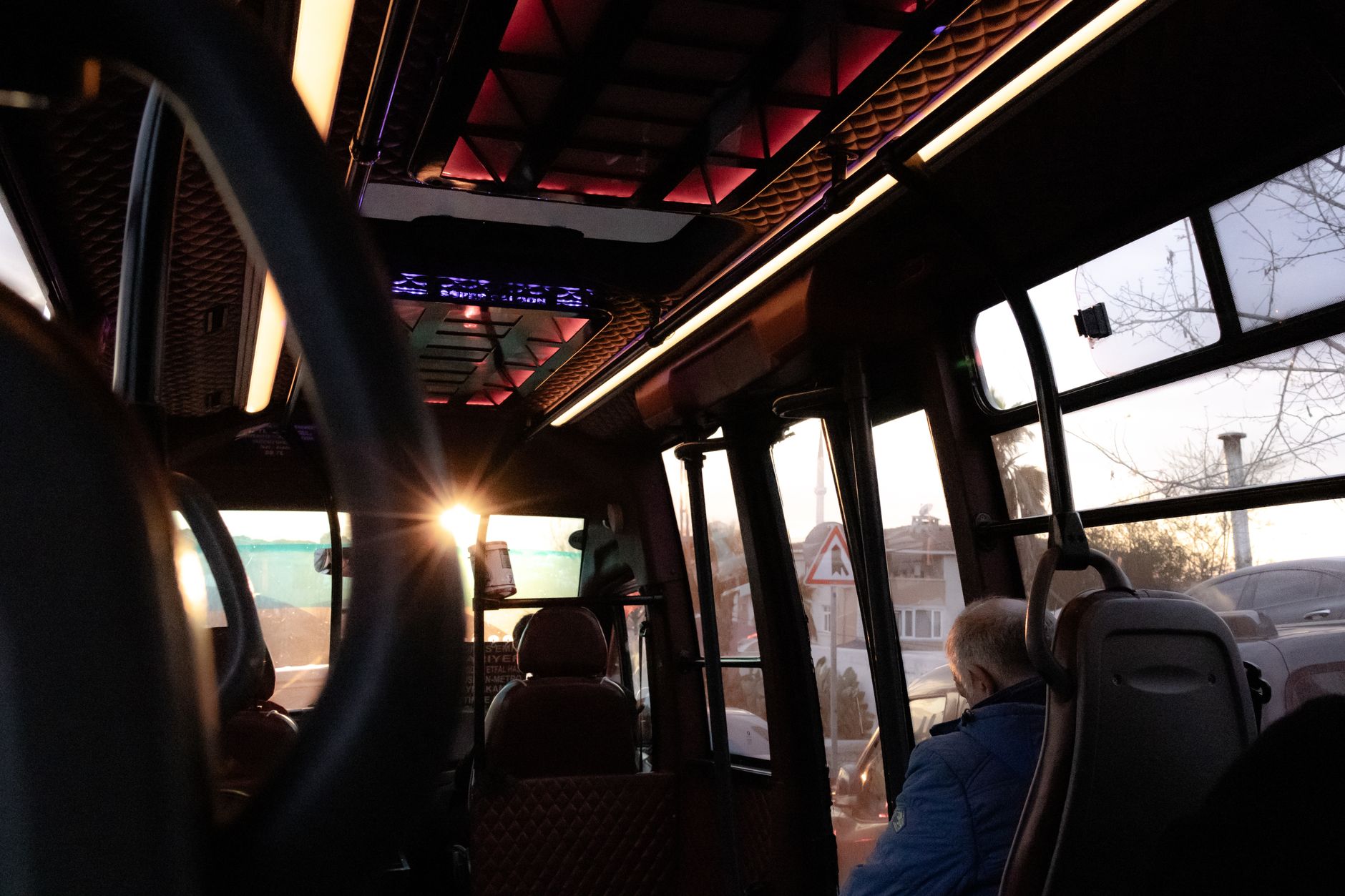
A 24-Passenger Mini Bus is best when the headcount is close to 24 and the group values direct loading, coach-style seats, and a smaller operating footprint. It suits executive retreats, family travel, escorted tours, and first-class-only groups better than a casual party with bulky camping gear. Rear or roof luggage capacity must be checked against each passenger's suitcase, cooler, wheelchair, or equipment needs. A full-size motor coach offers more underfloor storage and restroom options but can create tighter turns and more restrictive parking at hotels, overlooks, and park lots. For the Grand Canyon, confirm total vehicle length because a compact bus is not automatically exempt from over-22-foot routing rules.
| Vehicle | Seats | Best For | Notes |
|---|---|---|---|
| 24-Passenger Mini Bus | Up to 24 passengers | Best for a full small group tour, executive retreat, or first-class-only group traveling with moderate luggage. | Coach-style seating with rear or roof luggage; confirm cargo volume and total exterior length before booking park stops. |
| Executive Sprinter | 8-14 passengers | Fits a reduced headcount that wants premium seating and easier hotel or restaurant access. | Comfortable for smaller groups but usually has less luggage capacity and fewer seats than a 24-Passenger Mini Bus. |
| Mini Coach | 25-35 passengers | Works when the roster may grow beyond 24 or the group needs more luggage space without moving to a full-size coach. | Adds seating and storage margin while retaining a smaller footprint than a full motor coach; verify length restrictions at Grand Canyon lots. |
| Motor Coach | 40-56 passengers | Fits a larger group, extensive luggage load, or long multi-day route where underfloor storage and onboard comfort outweigh access limits. | Best cargo and onboard amenity package, but the larger turning radius and length require careful oversize routing and parking coordination. |
Routing, Timing, and On-the-Road Realities
From Phoenix, dispatch commonly uses Interstate 17 through Camp Verde and Flagstaff before continuing toward the South Rim; from Las Vegas, the route typically uses US 93, Kingman, and Williams or an approach through the South Entrance. From southern California, the group may come through Needles, Kingman, and Williams, while Colorado or New Mexico departures often add a northern Arizona overnight. Pickups should leave margin for metro traffic, especially around Phoenix, Las Vegas, and weekend Flagstaff congestion. A day-1 plan with a Sedona, Flagstaff, Williams, or Route 66 stop is more reliable than trying to combine a full travel day with multiple rim viewpoints. Schedule fuel and meal stops where a 24-Passenger Mini Bus can enter and exit without backing into crowded commercial lots. Once in the park, assign one unloading point and a legal parking location instead of assuming the bus can wait curbside. During the busy season, Hermit Road is closed to private vehicles from March through November, so groups should expect park shuttle use or an authorized commercial arrangement rather than direct bus travel.
The bus length should be confirmed against every planned parking lot, particularly around the Grand Canyon Visitor Center, Yavapai facilities, North Rim facilities, and scenic-road pullouts. Park rules identify designated oversize spaces and restrict vehicles over 22 feet from specified roads and lots; North Rim access also changes seasonally and Highway 67 commonly closes for winter after weather conditions take effect. Use the South Rim as the default for a multi-day itinerary unless the group specifically wants a seasonal North Rim program. Build driver duty time around the passenger-carrier limits: generally no more than 10 hours of driving after 8 hours off duty and no driving after 15 hours on duty. Loading, inspections, fuel, meals, traffic delays, and passenger stops consume the operating day even when the wheels are not turning. For long corridors, plan a hotel night near Flagstaff, Tusayan, Williams, or another approved staging city rather than asking the driver to make a late return after a full park day. A second driver may be necessary when the origin, sightseeing schedule, and return mileage cannot fit inside the carrier's legal and safety plan.
What This Typically Costs
A 24-Passenger Mini Bus is usually quoted with a daily minimum, mileage, and any deadhead required to position the vehicle from its home market. A short local day may still carry a full-day minimum, while a multi-day Grand Canyon group tour commonly runs a few thousand dollars per day in most markets before park fees, lodging, and meals. Long repositioning corridors such as Phoenix to the South Rim, Las Vegas to the South Rim, or Denver through northern Arizona add billable miles and driver time. Seasonal peaks in spring, summer, fall-break weeks, and holiday periods can tighten availability and raise the operating rate. Budget separately for driver hotel rooms, parking, tolls, fuel adjustments, Grand Canyon commercial entry fees, and driver gratuity. The quote should identify whether the carrier includes deadhead, daily mileage allowances, overnight layovers, and any second-driver requirement rather than burying those items in a single trip total.
Frequently Asked Questions
How many days should a Grand Canyon group tour take?
For a practical Grand Canyon group tour, plan on three to five days from a nearby Southwest origin and five to seven days when the group starts farther away. A Phoenix or Las Vegas departure can use day 1 for travel and an arrival stop, then two or more days around the South Rim. From California, Colorado, Texas, or the Pacific Northwest, add travel days or reduce park time. A 24-Passenger Mini Bus works best when the itinerary leaves room for traffic, meal stops, and driver rest instead of treating every segment as a fixed transfer.
What are the best months for this trip?
For the South Rim, April through May and late September through October usually offer a workable balance of temperatures, daylight, and crowd levels. June through August provides long daylight but brings heat, school-tour volume, and heavier parking pressure. Winter can be attractive for quieter viewpoints, but snow and icy conditions may affect roads, and North Rim access is seasonal. Grand Canyon weather changes sharply with elevation, so the group should carry layers and keep schedule flexibility. Confirm current road and shuttle conditions before departure.
What does a realistic itinerary look like?
A sample five-day group tour from Phoenix could run as follows: day 1, depart early, stop in Sedona or Flagstaff, and overnight near Tusayan or the South Rim. Day 2, enter the park, visit the Grand Canyon Visitor Center and Mather Point, then use permitted vehicle access and park shuttles where required. Day 3, cover Desert View Drive, including Grandview Point, Moran Point, and Desert View Watchtower, with time for short walks. Day 4, schedule sunrise, a guided geology or cultural program, and additional rim viewpoints without moving the bus repeatedly. Day 5, depart through Flagstaff, with an optional Meteor Crater or Route 66 stop before returning. Exact stops depend on vehicle length, parking availability, weather, and the group's walking ability.
Does a bus need a permit to enter Grand Canyon National Park?
A commercial tour operator entering Grand Canyon National Park generally needs a Commercial Use Authorization, and the commercial vehicle must show the authorization at entry. The park lists commercial entry fees by vehicle capacity, with vehicles carrying 1 to 25 passengers handled differently from vehicles carrying 26 or more. A 24-Passenger Mini Bus therefore falls in the smaller-capacity category, but the carrier should verify current fees and permit terms before quoting. A CUA does not create priority access or reserve parking. It also does not authorize every road, trailhead, loading area, or shuttle stop. If the itinerary includes a special commercial activity, separate park coordination may be required.
Can a 24-passenger bus reach every Grand Canyon viewpoint?
Measure the bus end to end, including any equipment or trailer, before selecting stops. Grand Canyon restrictions apply to vehicles over 22 feet on specified South Rim and North Rim roads and parking areas. Oversize vehicles may need designated parking, and some visitor-center lots are unavailable to longer buses. Drivers must use marked spaces, avoid NPS shuttle stops, remain with the vehicle in loading areas, and move to authorized parking after unloading. Commercial buses may idle only while actively loading or unloading. Hermit Road, Yaki Point Road, and other restricted areas may require park shuttles or an itinerary approved through the appropriate park office rather than direct bus access.
How do driver hours affect the itinerary?
Federal passenger-carrier rules generally limit a driver to 10 hours of driving after at least 8 consecutive hours off duty and prohibit driving after 15 hours on duty. The carrier also has cumulative weekly limits, so a long multi-day group tour must be planned across the whole run rather than one day at a time. A dispatch plan should include fuel, meal, restroom, loading, and inspection time because those activities consume the duty window even when the bus is not moving. Phoenix to the South Rim, Las Vegas to the South Rim, and Colorado-to-Arizona runs may require an overnight layover, a second driver, or a split itinerary. Driver rest cannot be replaced by passengers agreeing to leave earlier. The carrier's safety department makes the final hours-of-service determination from the actual schedule and logs.
What can a 24-Passenger Mini Bus carry comfortably?
A 24-Passenger Mini Bus is a strong fit for a compact group tour, executive retreat, family reunion, or first-class-only group that wants coach-style seating without a full-size motor coach. It normally provides rear luggage storage or roof cargo, but capacity depends on suitcase size, coolers, mobility equipment, and how many seats are occupied. A full passenger load with large checked bags can require a luggage trailer or a larger motor coach, subject to carrier approval and park routing. The smaller footprint helps on regional roads and hotel approaches, but it does not exempt the vehicle from Grand Canyon length restrictions or designated parking rules. Ask the carrier for the vehicle's actual exterior length and cargo dimensions before promising specific viewpoints or hotel access.
How to Book
To request a quote, provide travel dates, pickup address, passenger count, luggage expectations, overnight cities, and every planned Grand Canyon stop. Include whether the group needs sunrise departures, accessibility equipment, a guide, hotel shuttles, or stops in Sedona, Flagstaff, Las Vegas, Phoenix, or other corridor cities. US Bus Trips can usually return a realistic preliminary quote within 4 business hours when the itinerary and headcount are complete. The confirmation should identify the vehicle class, carrier, pickup instructions, mileage and deadhead treatment, driver lodging, park-related assumptions, cancellation terms, and major exclusions. Call or submit the trip details through US Bus Trips so an operations specialist can resolve routing and parking questions before dispatch.
Related Trips You Might Also Consider
- Las Vegas Casinos — 56-Passenger Motor Coach
- Big Bend — 24-Passenger Mini Bus
- Stockton, CA to Yosemite, CA
- Riverside, CA to Palm Springs, CA
- Alumni Tour — Northeast Region
- Tulsa, OK to Dallas, TX
- Cross-Country Charter Bus Overview
- All Group Trip Types
- See the Full Fleet (Sprinters through 56-pax coaches)
- Get a Free Quote in 60 Seconds