
A Big Bend group tour in a 24-Passenger Mini Bus suits small tour groups, executive retreats, alumni groups, and first-class-only travelers who want coach-style seating without a full-size motor coach.
Overview
A Big Bend group tour is a long-haul operating plan, not simply a hotel shuttle with a national-park stop added. Groups commonly originate in Dallas-Fort Worth, Houston, Austin, San Antonio, El Paso, Midland-Odessa, or regional airports and need a multi-day schedule to reach the park without exhausting the driver or passengers. The 24-Passenger Mini Bus is especially useful for corporate retreats, university alumni trips, family reunions, photography groups, and guided sightseeing parties that want one vehicle. The bus provides coach-style seating and a smaller exterior footprint than a full-size motor coach, but it still needs planned loading areas and turning space. Build the trip around paved roads and developed areas because primitive Big Bend roads require true four-wheel drive and high clearance. The group should also carry water, sun protection, and realistic expectations about cellular coverage and long distances between services.
A practical arrival corridor from San Antonio or Austin usually uses Interstate 10 west before turning toward Alpine, Marathon, or the park entrances; a Dallas-Fort Worth or Houston departure generally needs a planned overnight or a very early start with a legally protected driver schedule. El Paso groups have a shorter approach but still need to account for the distance from the west entrance to interior stops. On day 1, the bus can travel, make a planned meal and fuel stop, and use Panther Junction Visitor Center or a west-side community stop as the first orientation point if arrival time allows. Days 2 and 3 are better reserved for the park itself, with combinations such as Chisos Basin, Ross Maxwell Scenic Drive, Santa Elena Canyon, Castolon-area viewpoints, Rio Grande overlooks, or the paved portion of the Boquillas corridor. Terlingua and Study Butte are useful for meals, supplies, and west-side lodging, while Alpine and Marathon offer broader hotel inventory but add daily mileage. A group should not promise every trailhead in one day because parking controls and bus restrictions can change the sequence.
The National Park Service lists October through April as the primary visitor season, with late fall through early spring generally the most comfortable period for outdoor stops. Thanksgiving, Christmas-New Year's, spring break, and holiday weekends create the highest planning pressure for rooms, campsites, and parking. Chisos Mountains Lodge and park campgrounds can fill well ahead, so many commercial groups stage in Terlingua, Study Butte, Alpine, Marathon, or near an entrance and run day trips into the park. A 24-Passenger Mini Bus may enter paved visitor facilities and approved bus stops, but it cannot be treated as a private passenger vehicle at every overlook or trailhead. The park's bus guidance includes drop-off-only locations, limited Chisos Basin parking, restrictions beyond the Boquillas Canyon Overlook, and a prohibition on idling during passenger loading. These details make a written stop plan more valuable than a broad promise to 'see the whole park.'
Fleet Options
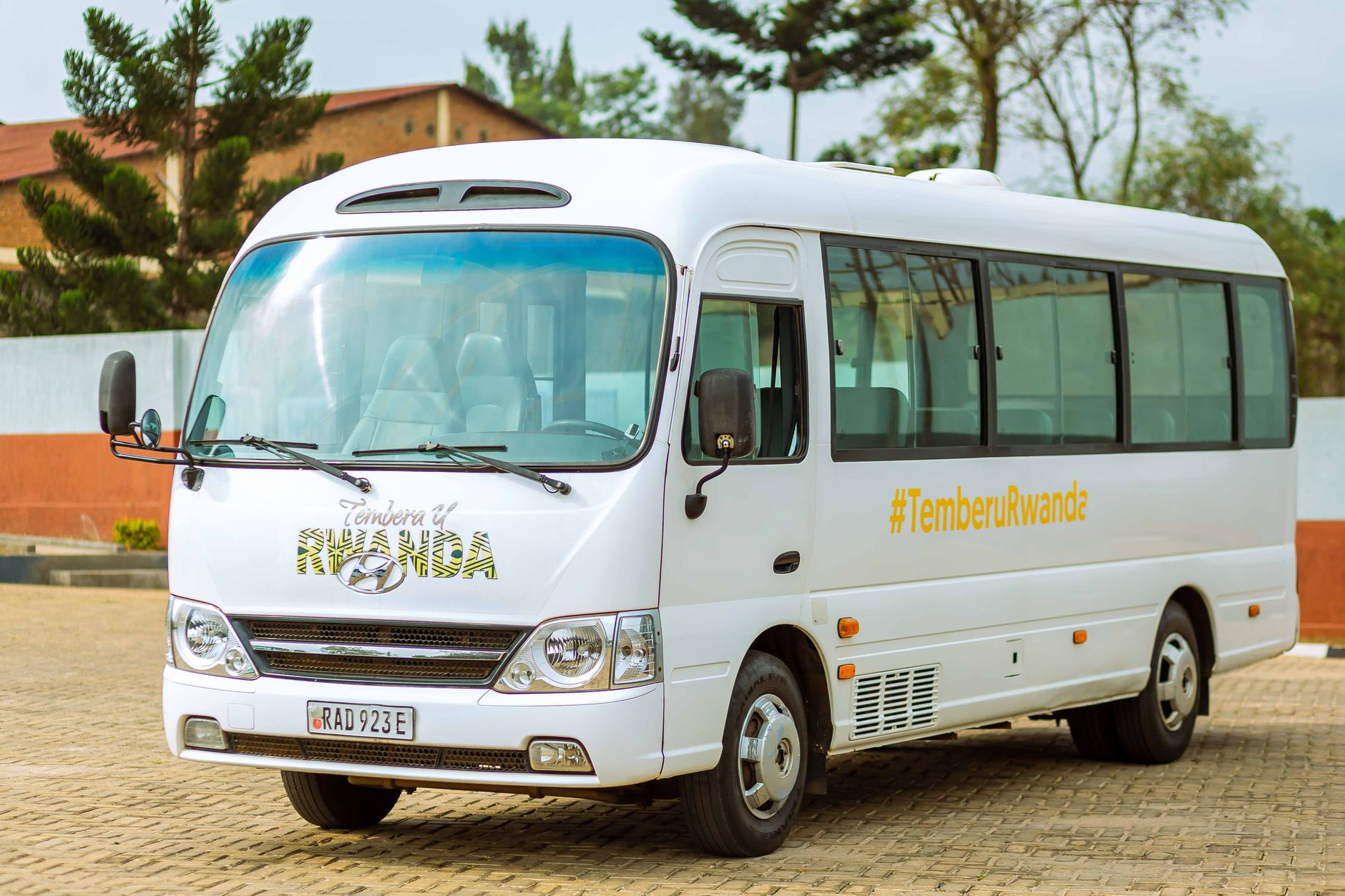
A 24-Passenger Mini Bus is best when the confirmed headcount is close to 24 and the group values coach-style seats over maximum cargo volume. Compact mini bus layouts can carry luggage in a rear compartment or on the roof, but the usable space depends on the vehicle model and how many bags each passenger brings. The vehicle is a practical fit for small tours, executive retreats, and first-class-only groups that want one professional driver without the footprint of a full-size motor coach. Big Bend's paved-road network is manageable for this equipment, but crowded trailheads, narrow pullouts, limited turnarounds, and restricted bus parking require a disciplined stop plan. If the group will carry camping gear, coolers, camera cases, or oversized bags, request a luggage review before booking.
| Vehicle | Seats | Best For | Notes |
|---|---|---|---|
| 24-Passenger Mini Bus | Up to 24 passengers | Use it for a small group tour, executive retreat, or first-class-only group that wants one comfortable vehicle and a professional driver. | Compact mini bus with coach-style seating and rear or roof luggage; best for a full 24-passenger group staying on paved park roads. |
| 15-Passenger Van | Up to 15 passengers | Choose it when the itinerary depends on areas restricted to 15-passenger vans or when the group is materially smaller than 24. | Easier at restricted roads and smaller parking areas, but it has less seat capacity and less coach-style comfort than the 24-Passenger Mini Bus. |
| 35- to 40-Passenger Motor Coach | Approximately 35-40 passengers | Use it when the headcount exceeds the mini bus or luggage volume requires a larger coach, while keeping the itinerary on approved paved routes. | Provides more underfloor luggage and restroom options, but it needs more turning room and faces tighter parking limitations at Big Bend stops. |
| Executive Sprinter | Approximately 10-14 passengers | Use it for a smaller executive group, a support vehicle, or a split movement plan rather than a 24-passenger group tour. | Offers a premium cabin and smaller exterior footprint, but cargo capacity is limited and passenger comfort depends heavily on the exact seat and luggage configuration. |
Routing, Timing, and On-the-Road Realities
For a multi-day Big Bend itinerary, dispatch normally protects the first day for the long approach and avoids scheduling a full park loop immediately after an overnight interstate run. San Antonio and Austin departures use the I-10 corridor toward Fort Stockton, then route south through Alpine or Marathon depending on lodging and entrance choice. Dallas-Fort Worth and Houston groups need more recovery time, while El Paso departures can favor the west entrance and Terlingua side but still have substantial in-park mileage. The best pickup time is usually early enough to clear metro traffic before the main interstate movement, but not so early that the driver begins a second demanding day without required rest. Fuel in larger towns before entering the park because services are sparse and the bus may need fuel, restroom, and meal buffers. Treat the final approach as a scheduled movement with passenger counts, not an informal scenic drive.
Inside Big Bend, a 24-Passenger Mini Bus should stay on paved park roads and use developed pullouts and approved loading areas. Chisos Basin requires advance coordination for the limited bus parking behind the visitor center, while Fossil Discovery Exhibit has no large-bus turnaround and should be handled as a drop-off with a clear reboarding plan. The bus cannot continue beyond the Boquillas Canyon Overlook on Boquillas Canyon Road, and crowded areas such as Santa Elena Canyon, Hot Springs, Lost Mine Trail, and Chisos Basin may use one-in, one-out controls during busy periods. Drivers must not idle while passengers load, unload, or wait to reboard, and the vehicle must not occupy multiple parking spaces or block emergency access. Put a backup stop or time window into the run sheet because rangers may redirect traffic when lots fill. Driver hours should include all approach, park, repositioning, fueling, and return movements, not just the miles shown in the sightseeing outline.
What This Typically Costs
A Big Bend group tour in a 24-Passenger Mini Bus is normally quoted by operating day, mileage, and any deadhead needed to bring the vehicle and driver to the pickup city. Expect a daily minimum in most markets, with the total rising for long repositioning legs, multi-day utilization, and peak-season dates. The quote should separate revenue miles from deadhead miles, because a West Texas itinerary may require the bus to travel empty from Dallas-Fort Worth, San Antonio, El Paso, Midland-Odessa, or another home terminal. Driver overnight lodging, meals or per diem, tolls, parking, park entrance charges, and any fuel adjustment may appear as separate line items or be built into the package. Driver gratuity is commonly handled by the group and should be budgeted separately from transportation. Thanksgiving, Christmas-New Year's, spring break, holiday weekends, and the October-through-April visitor season can tighten availability and increase the practical cost of a multi-day motor coach or mini bus run.
Frequently Asked Questions
Why use a 24-Passenger Mini Bus for a Big Bend group tour?
A 24-Passenger Mini Bus is a strong fit for a 24-passenger group tour when the group wants coach-style seats, a professional driver, and a smaller footprint than a full-size motor coach. It works well for executive retreats, alumni groups, family reunions, photography groups, and first-class-only tours. Confirm whether the advertised capacity includes the driver; Texas CDL rules apply when a vehicle is designed to carry 16 or more passengers including the driver. Cargo space varies, so a full passenger load with large suitcases may require a luggage trailer, roof luggage, or a second vehicle.
How many days should a multi-day Big Bend tour take?
Plan on at least four days from a major Texas origin, with five days giving the group more useful time inside Big Bend. Day 1 is generally a travel day with a meal stop and a first visit to the Panther Junction Visitor Center or a west-entrance stop if arrival timing permits. Days 2 and 3 can cover paved-road highlights such as Chisos Basin, Ross Maxwell Scenic Drive, Santa Elena Canyon, and the Rio Grande corridor. A fourth day allows a slower departure, a Terlingua or Study Butte meal, and an overnight break before the final return leg. From El Paso or Midland-Odessa, a three-day outline can work, but it leaves less recovery time and less flexibility for road delays.
What are the best months to visit Big Bend?
Late fall through early spring is the most workable season for a Big Bend group tour because daytime conditions are generally more comfortable for outdoor stops. October through April is also the primary visitor season, so Thanksgiving, Christmas-New Year's, spring break, and holiday weekends bring heavier demand and tighter parking. Summer can be extremely hot, making exposed trails and long outdoor stops poor fits for groups without strong heat planning. Reserve Chisos Mountains Lodge, developed campgrounds, or private lodging well ahead of time; winter lodging and campgrounds may fill nightly. Always check current road and closure conditions before dispatch because primitive roads require true four-wheel drive and high clearance, which a 24-Passenger Mini Bus is not designed to provide.
Does a 24-Passenger Mini Bus need a permit in Big Bend?
A commercial 16-to-25-seat mini bus is subject to Big Bend's commercial mini-bus entrance fee and requires the applicable park authorization process; confirm current requirements with the park before arrival. Big Bend does not issue road-based commercial tour CUAs for motorcoach or bus tours, but commercial road tours must follow the park's bus rules and pay the applicable entrance fee. Paved park roads, developed areas, scenic waysides, facilities, and vehicle pullouts are the practical operating envelope. Bus access and parking are restricted at locations including Fossil Discovery Exhibit, Chisos Basin, Boquillas Canyon, and other popular areas. A group tour involving a special event, school activity, organized hike, or other nontraditional use may need a Special Use Permit, so the itinerary should be sent to the park well in advance.
Where can a mini bus park inside Big Bend National Park?
Do not plan a 24-Passenger Mini Bus as though it can use every trailhead or scenic pullout like a passenger SUV. At Fossil Discovery Exhibit, buses may drop off but there is no large-bus turnaround; at Chisos Basin, one bus may park behind the visitor center when requested, and overnight parking requires advance written approval. The rules also limit bus parking across multiple spaces, prohibit blocking emergency access, and require the engine to be off while passengers load or unload. Boquillas Canyon Road is restricted beyond the overlook for larger buses, with the farther section limited to 15-passenger vans. The dispatcher should carry an approved stop sequence and avoid promising independent parking at crowded trailheads.
How do driver hours affect a Big Bend motor coach itinerary?
A driver can legally be available for a long multi-day trip without driving continuously, but the schedule must still protect federal hours-of-service limits, required off-duty time, and the carrier's fatigue policy. A long Texas approach from Dallas-Fort Worth, Houston, Austin, San Antonio, or El Paso may require a split schedule, an overnight stop, or a second qualified driver rather than a same-day sightseeing plan. Once in Big Bend, the wide distances between Panther Junction, Chisos Basin, Santa Elena Canyon, and the west entrance make a full day of park driving tiring even at low traffic volumes. Build meal, restroom, fueling, and passenger-loading buffers into the dispatch sheet instead of using every minute as revenue time. The final quote should identify whether driver lodging is included and whether an additional driver is needed for the planned mileage and duty cycle.
Where should a group stay for a Big Bend tour?
Lodging is usually staged outside the park in Terlingua, Study Butte, Alpine, Marathon, or near the east entrance, depending on the route and available inventory. Terlingua and Study Butte are practical west-side bases for Santa Elena Canyon, Ross Maxwell Scenic Drive, and the west entrance, while Alpine and Marathon provide more conventional hotel inventory but add daily park mileage. Chisos Mountains Lodge is convenient for an in-park stay but has limited capacity and should not be treated as a last-minute group block. For a large group, confirm bus access, passenger drop-off, luggage handling, breakfast timing, and coach parking directly with the property. A multi-day schedule should avoid changing hotels every night unless the group accepts additional loading time and driver-duty pressure.
How to Book
To quote the trip, send the travel dates, pickup address, passenger count, luggage estimate, preferred lodging area, and every planned park stop. Include whether the group needs Santa Elena Canyon, Chisos Basin, Boquillas Canyon, Terlingua, Alpine, or other specific venues, because each affects mileage, parking, and driver time. US Bus Trips can typically return a practical quote within 4 business hours when the itinerary and headcount are complete. Confirmation should identify the vehicle class, operating dates, pickup and drop-off details, included mileage or daily minimums, driver lodging treatment, park fees, cancellation terms, and the dispatch contact.
Related Trips You Might Also Consider
- Association Conference — Pacific Region
- Government Agency Shuttle — Midwest Region
- Bryce Canyon — 24-Passenger Mini Bus
- Shenandoah — 24-Passenger Mini Bus
- Government Agency Shuttle — Mid-Atlantic Region
- Choir Competition — South Central Region
- Cross-Country Charter Bus Overview
- All Group Trip Types
- See the Full Fleet (Sprinters through 56-pax coaches)
- Get a Free Quote in 60 Seconds