
US Bus Trips arranges school, college, and community choir transportation across Texas, Oklahoma, Arkansas, Louisiana, and Mississippi.
Overview
A South Central Choir Competition trip often begins before sunrise at a school, church, university, or community rehearsal site and ends after a performance, awards session, or return meal. School groups usually include singers, a director, accompanists, chaperones, and sometimes a second ensemble moving on a separate schedule. College and community choirs may add alumni, donors, production staff, or family passengers, creating a wider range of pickup points and luggage needs. Texas groups frequently travel within the Dallas-Houston-San Antonio-Austin triangle, while Oklahoma, Arkansas, Louisiana, and Mississippi groups often cross state lines for festivals, university invitations, convention programming, and invitational concerts. A charter bus keeps the roster together and gives the director one dispatch contact for traffic changes, loading, and headcounts.
The venues dictate the operating plan. San Antonio's Henry B. Gonzalez Convention Center and nearby Hemisfair facilities can require specific coach approaches, curb staging, and timed unloading, while high-school contests at sites such as PSJA Southwest High School, Sharyland Pioneer High School, McAllen High School, or Steele High School may have limited bus lanes and active student traffic. Dallas-Fort Worth movements may involve university performance halls, civic theaters, or school campuses; Houston itineraries often combine rehearsal space, hotel shuttles, and downtown or campus venues. Oklahoma City and Norman, Little Rock and Fayetteville, Shreveport, Baton Rouge, New Orleans, Jackson, and Hattiesburg add different parking, hotel, and road conditions. The trip sheet should identify the exact entrance, bus staging instructions, unloading side, accessibility needs, and whether the driver must remain nearby between sessions.
The seasonal pattern is predictable enough to affect fleet planning. Texas school audition and contest calendars build from fall district and region activities into January area events, February convention travel, and March through May concert, sight-reading, and festival periods. College choir invitations and community festivals also cluster in spring, while fall demand competes with rodeos, HBCU football classics, university weekends, and destination weddings. Long-haul group travel may run from Dallas to Austin and San Antonio on I-35, Houston to San Antonio on I-10, or west and east across Texas before continuing toward New Orleans or Jackson. Directors should separate rehearsal, performance, awards, and lodging movements instead of treating the day as one simple transfer. A reliable motor coach schedule protects warm-up time, keeps equipment out of weather where possible, and leaves room for meal and restroom stops.
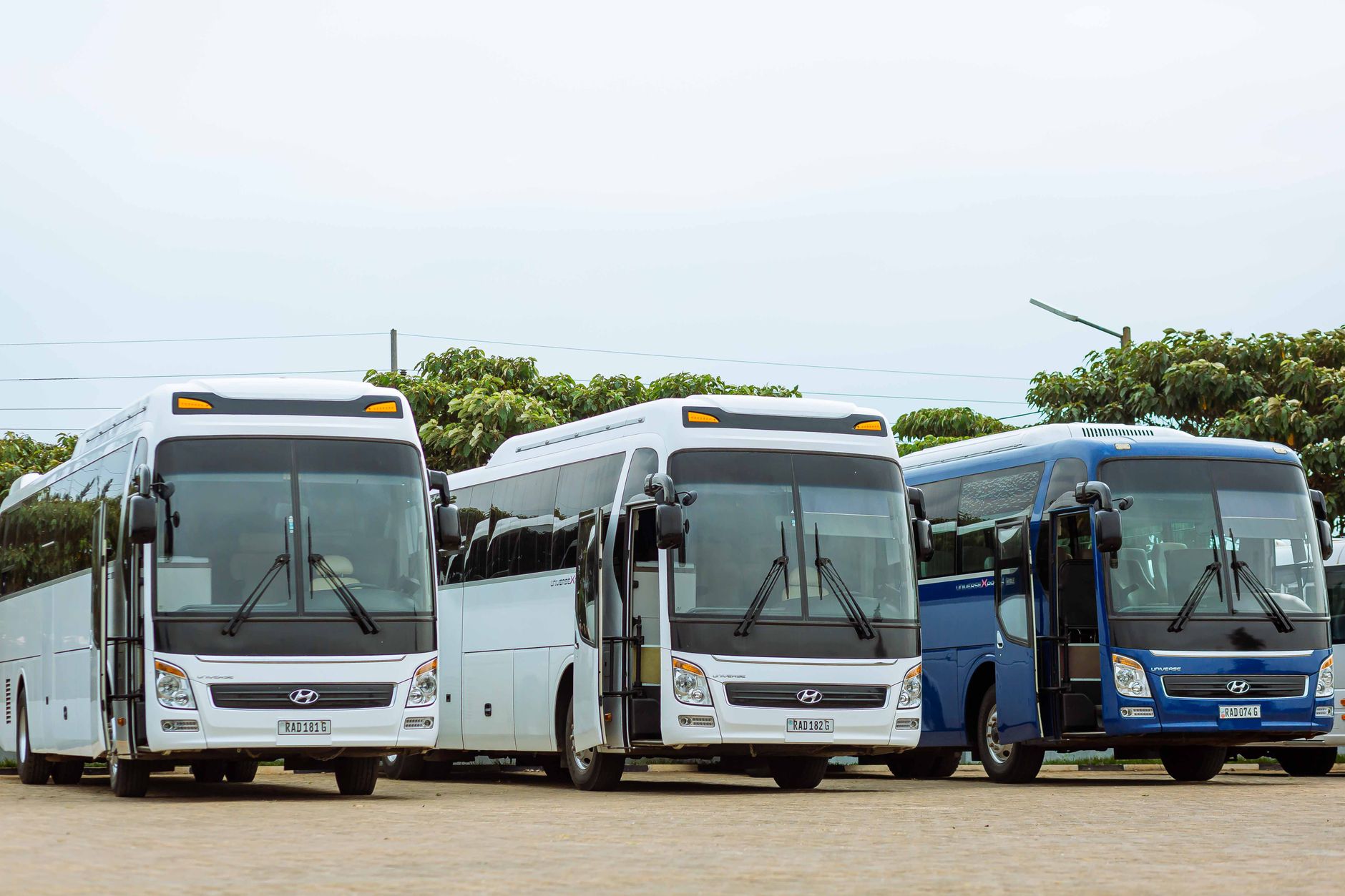
Fleet Options
Choose the vehicle from the full movement plan, not just the singer count. A charter bus needs enough seats for passengers plus reasonable room for garment bags, music folders, carry-ons, and any mobility equipment, while large instruments may require separate cargo planning. A motor coach is the practical choice for long South Central corridors because it provides onboard restrooms, high-back seating, and underfloor bays. Mini buses and executive Sprinters work better for airport transfers, hotel shuttles, staff movements, and venues with tight streets or limited coach parking. For large groups, several smaller vehicles may load more easily than one coach, but dispatch must coordinate every vehicle's timing and staging location.
| Vehicle | Seats | Best For | Notes |
|---|---|---|---|
| 56-passenger motor coach | 46-56 passengers | Use it for a full school choir, college ensemble, or multi-day South Central group travel assignment covering routes such as Dallas to San Antonio, Houston to New Orleans, or Oklahoma City to Dallas. | Best long-distance comfort with a restroom and large underfloor bays; confirm venue height, curb access, and whether the equipment load will reduce usable seating. |
| 40-passenger charter bus | 32-40 passengers | Use it when the choir, directors, and chaperones exceed mini-bus capacity but do not need a full 56-seat motor coach. | Offers coach seating and useful luggage capacity for a medium choir, but large keyboards, risers, and extensive uniform bags should be listed before dispatch. |
| 24- to 32-passenger mini coach | 20-32 passengers | Use it for a regional festival, college choir, staff shuttle, or overflow vehicle between hotels, rehearsal sites, and venues. | Handles shorter transfers and smaller equipment loads well, with better maneuverability at high schools, downtown hotels, and campus streets where full-size coaches may have staging limits. |
| Executive Sprinter or mini bus | 10-20 passengers | Use it for accompanists, directors, adjudicators, wedding-party transfers, airport movements, or a small community choir traveling within one metro. | Fits small groups and tight pickup points, but cargo space is limited and passengers may need to keep garment bags and instruments inside the seating area. |
Routing, Timing, and On-the-Road Realities
I-35 is the main north-south spine for South Central choir travel through Gainesville, Denton, Dallas-Fort Worth, Waco, Temple, Austin, San Marcos, New Braunfels, and San Antonio, with Oklahoma City and Norman connecting to the north. The Texas segment is long and traffic-sensitive, and current conditions can add well over an hour to an otherwise normal run. I-10 handles Houston to San Antonio, then continues toward El Paso or east through Beaumont, Lafayette, Baton Rouge, and New Orleans, with I-12 often relevant for Louisiana routing. Pickups in Dallas, Houston, Austin, or San Antonio should normally be scheduled outside the most difficult morning and afternoon commuter periods when the performance timetable allows. Leave extra time at the I-35/I-10 interchange, downtown San Antonio, Austin approaches, Houston loops, and New Orleans crossings. A dispatcher should also check construction, storms, flooding, special events, and school-zone restrictions on the day of travel.
Venue timing matters as much as highway mileage. For a morning performance, the coach should arrive early enough to unload uniforms and music, locate the warm-up room, complete attendance, and move singers inside without blocking the bus lane. Convention centers may require a designated loading dock or timed curb slot, while school campuses may close gates, change traffic patterns, or assign buses to remote staging. New Orleans routes require additional planning for downtown hotel access, bridge and tunnel approaches, parade activity, and narrow streets around the French Quarter; full-size coaches may need to stage away from the final entrance. Driver-hours planning must include repositioning, legally required rest, meal breaks, overnight parking, and the return leg, not only the scheduled performance. For multi-vehicle group travel, assign a lead coach, keep buses together where practical, and give every driver the same emergency contact, venue map, and release instructions.
What This Typically Costs
Pricing for a South Central Choir Competition trip is built from vehicle days, mileage, routing, and the amount of time the equipment and drivers must remain committed. Most operators apply a daily minimum, with longer I-10, I-35, or multi-state itineraries priced by mileage and total service hours. Seasonal peaks commonly include February through May school contests, the TMEA convention period, spring college festivals, fall football-classic weekends, and major wedding dates. Quotes may include deadhead miles to reach the first pickup and return miles after the final drop, especially outside Dallas-Fort Worth, Houston, San Antonio, Austin, Oklahoma City, Tulsa, Little Rock, Shreveport, Baton Rouge, New Orleans, Jackson, or nearby service areas. Multi-day work normally requires driver lodging, parking, and meal arrangements, while driver gratuity and fuel adjustments may appear as separate line items. A typical multi-day motor coach assignment commonly runs a few thousand dollars per day, but the final range depends on headcount, vehicle count, dates, distance, overnight requirements, and venue access.
Frequently Asked Questions
How early should a choir reserve a charter bus for a South Central competition?
Yes, especially when the choir is traveling to a UIL, TMEA, college, or community festival and the group must arrive together with uniforms, risers, garment bags, music folders, and personal luggage. A charter bus keeps students, directors, chaperones, and equipment on one manifest instead of splitting the group among private cars. For routes such as Dallas to San Antonio, Houston to Austin, or Oklahoma City to Fort Worth, the motor coach also gives the director a controlled schedule for rehearsals, meals, and call times. The trip planner should receive the complete itinerary, not only the performance address, because rehearsal, hotel, warm-up, and return movements often require separate loading windows.
What group sizes can US Bus Trips handle for choir travel?
Reserve as soon as the contest or festival date is confirmed, with several months of lead time preferred for February through May. Texas school calendars create concentrated demand around UIL contest periods, TMEA activities, spring festivals, and graduation-season travel. Fall weekends can also tighten availability because the same fleet serves college football classics, rodeos, weddings, and general group travel. A short-notice charter bus may still be possible in Dallas-Fort Worth, Houston, Austin, San Antonio, Oklahoma City, or New Orleans, but the available vehicle mix and departure times may be narrower.
Which South Central cities and venues commonly appear on choir itineraries?
A small community choir may fit in an executive Sprinter or mini bus, while a school choir commonly needs a 40- to 56-seat motor coach. Large district, college, or combined-choir movements may require several vehicles running on the same dispatch plan. Headcount should include singers, directors, accompanists, chaperones, technicians, and any guests riding between hotels and venues. The quote should also identify whether instruments, uniforms, wheelchairs, and luggage ride inside the passenger cabin or require dedicated storage space.
Can a charter bus carry choir instruments and uniforms?
Texas itineraries commonly connect Dallas-Fort Worth, Houston, Austin, San Antonio, Waco, Fort Worth, McAllen, and other school districts along I-35, I-10, US 290, and regional highways. San Antonio events may use the Henry B. Gonzalez Convention Center, including TMEA convention programming, while school contests may be hosted at high schools such as PSJA Southwest, Sharyland Pioneer, McAllen, or Steele High School. Oklahoma movements often involve Oklahoma City, Norman, Tulsa, or regional university and civic venues; Arkansas routing commonly centers on Little Rock, Fayetteville, and university campuses. Louisiana and Mississippi work may connect Shreveport, Baton Rouge, New Orleans, Jackson, Hattiesburg, or Gulf Coast destinations, sometimes alongside weddings, rodeos, or HBCU football classic travel.
How are multiple charter buses coordinated for a large choir?
Usually, but the equipment plan must be confirmed before assigning the vehicle. Concert folders, garment bags, small keyboards, music stands, percussion accessories, and personal bags may fit in underfloor bays or interior storage, depending on the coach. Upright pianos, large risers, drum kits, bulky staging, and full production equipment generally require a trailer, cargo van, box truck, or separate support vehicle rather than passenger storage. Provide an itemized list with dimensions, weight, and loading order so dispatch can protect aisle clearance, emergency exits, wheelchairs, and passenger seating.
How much time should be allowed for Dallas, Houston, Austin, and San Antonio routes?
Dispatch assigns each vehicle a passenger manifest, lead contact, pickup position, radio or phone protocol, and loading sequence. A large South Central group may use separate buses for singers, directors, chaperones, alumni, or equipment, but all vehicles need the same venue entrance and release plan. At convention centers and downtown theaters, one coach may stage while another loads because curb space is limited. The operating plan should include staggered departures, a headcount procedure at every movement, a contingency contact, and a designated bus captain for each vehicle.
Can the same motor coach support a choir trip and a football classic or wedding?
Build buffer into every I-35 and I-10 movement rather than using a map's best-case estimate. Houston to San Antonio is often about 200 miles and roughly 3 to 3.5 hours before event-day congestion, while Dallas-Fort Worth to San Antonio commonly takes about 4 to 4.5 hours in normal conditions. Austin and San Antonio are close geographically, but New Braunfels, downtown approaches, school traffic, and venue loading can materially change the schedule. For a Choir Competition, plan arrival well before warm-up and account for restroom, meal, parking, and unloading time rather than scheduling the coach to arrive at curtain time.
How to Book
To request a quote, have the dates, pickup address, headcount, passenger age range, equipment list, destination venues, hotel address, performance times, and complete itinerary ready. Include wheelchairs, instruments, uniforms, luggage, separate staff movements, and any required arrival or warm-up time. US Bus Trips typically returns a quote within 4 business hours when the routing details are complete, subject to carrier availability and final venue access review. Confirmation includes the vehicle type, passenger capacity, pickup and drop-off schedule, service dates, pricing structure, cancellation terms, and operating contact, and the team can be reached through the US Bus Trips booking channel.
Related Trips You Might Also Consider
- Sports Team Travel — Mountain West Region
- Academic Decathlon — Southeast Region
- Big Bend — 24-Passenger Mini Bus
- Las Vegas, NV to Phoenix, AZ
- Robotics Competition — Pacific Northwest Region
- New York, NY to Boston, MA
- Cross-Country Charter Bus Overview
- All Group Tour Destinations
- See the Full Fleet (Sprinters through 56-pax coaches)
- Get a Free Quote in 60 Seconds