
US Bus Trips books Sports Team Travel for JV and varsity programs, club teams, showcase tournaments, and college bowl-game movements across the Mountain West.
Overview
Mountain West Sports Team Travel is usually a multi-day operation, not a simple transfer between a school and an arena. A JV or varsity program may travel from Denver, Colorado Springs, Fort Collins, Boulder, or Grand Junction to Salt Lake City, Provo, Laramie, Cheyenne, or Albuquerque for league play, showcases, and postseason events. Club teams frequently move between hotel blocks and tournament fields around Denver, Phoenix, Las Vegas, Salt Lake City, Boise, Reno, and the Front Range. College groups may need airport transfers, practice runs, team meals, media stops, and a bowl-game schedule built around stadium access. Air Force Academy, Canvas Stadium, Moby Arena, University Stadium, Albertsons Stadium, Allegiant Stadium, Mackay Stadium, and similar venues each have different bus staging and curb rules. The booking process should begin with the complete movement plan rather than only the first pickup.
A typical group includes athletes, coaches, athletic trainers, managers, school administrators, and sometimes parents or recruiting staff. Smaller club and showcase groups may fit in one mini coach or mini bus, while a varsity roster with staff commonly needs a full-size motor coach even when the headcount appears to fit in fewer seats. Underfloor bays must be sized for uniforms, helmets, pads, balls, net bags, coolers, treatment supplies, and personal luggage; instruments may also be present when a school combines an athletic trip with a band or pep group. Wheelchairs, crutches, walkers, and other mobility equipment need to be disclosed before vehicle assignment because accessible inventory is limited in some markets. Larger groups often split passengers, equipment, and staff across multiple charter bus vehicles instead of forcing every item into one coach. A written loading plan prevents late departures at school campuses, hotels, and tournament complexes.
Mountain West group travel follows long corridors with uneven service density between major metros. Teams may run I-25 between Denver, Colorado Springs, Fort Collins, and Cheyenne, I-80 across Wyoming, I-15 between Idaho, Utah, Nevada, and Arizona, or I-25 and I-40 between Albuquerque, Denver, Phoenix, and southern destinations. Salt Lake City is a common staging point for Utah, Idaho, Nevada, and Wyoming movements, while Denver supports Front Range and eastern-Mountain West departures. Boise, Reno, Las Vegas, Phoenix, Tucson, Albuquerque, Billings, Missoula, and Bozeman can each serve as origin, destination, or overnight market depending on the bracket. High-elevation routes require realistic service days, winter traction planning, and backup timing rather than optimistic consumer-map estimates. A charter bus itinerary should also account for stadium security, team entrances, venue bus parking, hotel loading limits, and postgame congestion.
Fleet Options
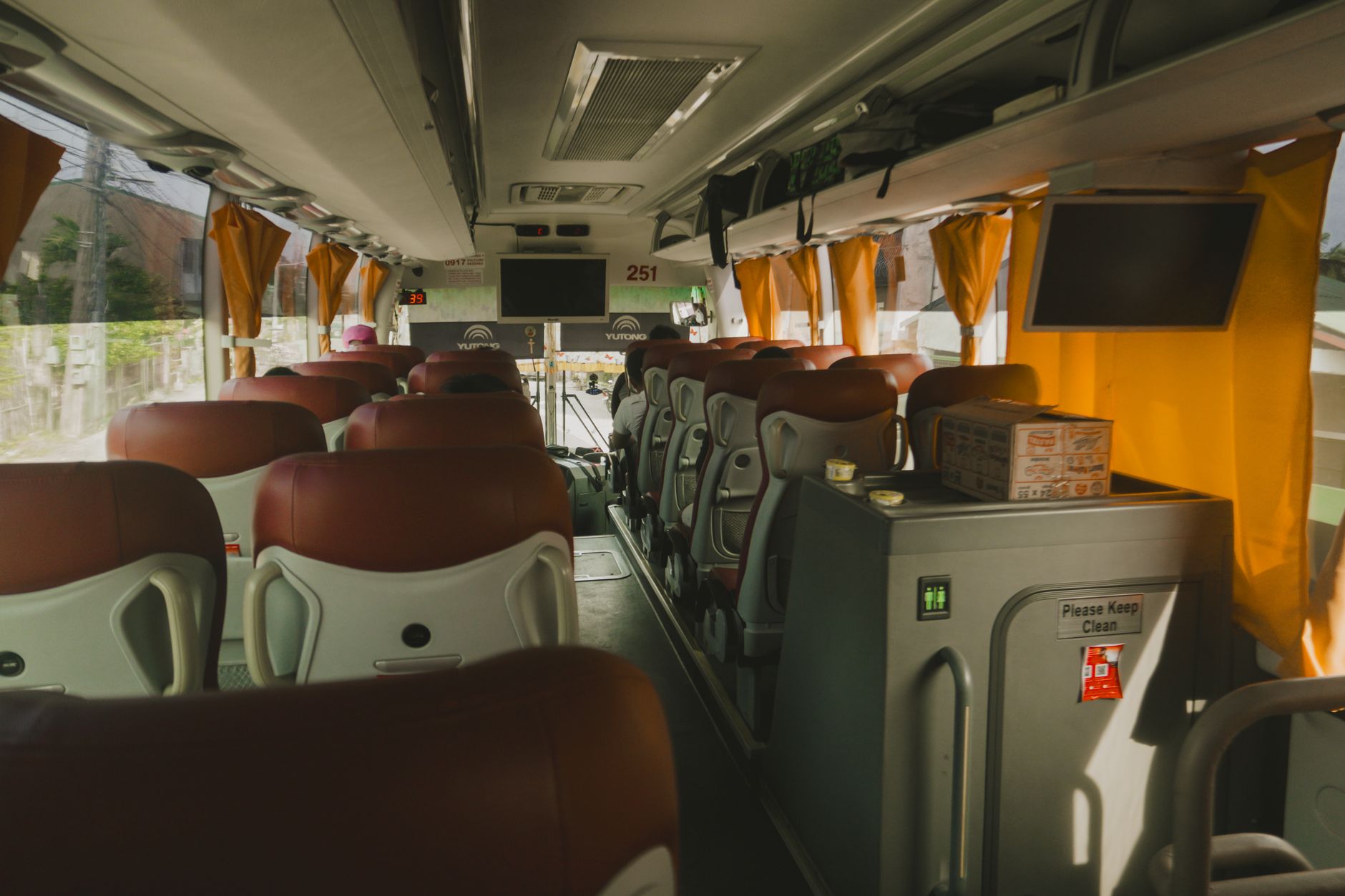
Vehicle selection for Mountain West Sports Team Travel starts with passenger count, baggage volume, and the number of daily stops. A full-size motor coach is usually the practical choice for 35 to 56 travelers because it combines assigned seating, climate control, and underfloor storage for uniforms and luggage. Smaller groups may need a mini coach or executive Sprinter, especially when pickups involve school campuses, hotel alleys, or tight urban streets. Parking and curb access matter at arenas, college stadiums, convention centers, and tournament complexes, so the itinerary should identify loading zones before dispatch assigns equipment.
| Vehicle | Seats | Best For | Notes |
|---|---|---|---|
| Executive Sprinter | 8-14 passengers | Use for coaches, scouts, athletic staff, or a compact club group moving between airports, hotels, and practices. | Best for small staff or recruiting groups with light luggage; limited cargo space makes it a poor fit for a full team equipment load. |
| Mini bus | 18- thirty passengers | Use for smaller JV, club, or showcase groups that need more seats than a Sprinter without a full motor coach. | More maneuverable than a full-size coach at school lots and local tournament sites, but luggage and sports gear capacity varies by body style. |
| Mini coach | thirty-one to forty passengers | Use when the roster and staff are below full-coach capacity but equipment, luggage, and longer highway comfort still matter. | A useful middle ground with better passenger comfort and storage than many mini buses, while remaining easier to stage at tight venues. |
| Full-size motor coach | forty-one to fifty-six passengers | Use for varsity teams, large club rosters, showcase tournaments, bowl games, and long intercity Mountain West corridors. | Best underfloor storage and highway comfort for multi-day runs; confirm venue clearance, bus parking, and curb instructions before arrival. |
Routing, Timing, and On-the-Road Realities
Mountain West routing is driven by game times, tournament brackets, and the limited number of practical highway corridors. Denver and Colorado Springs traffic can delay I-25 departures around weekday school release, Air Force events, and downtown venue activity, so early loading is usually safer than a last-minute curb pickup. Salt Lake City movements may encounter I-15 congestion, ski traffic toward Park City, and restricted hotel or arena access downtown. Las Vegas service requires a clear plan for Allegiant Stadium, convention properties, and Strip traffic because a bus may need to stage away from the final passenger entrance. Boise, Reno, Albuquerque, Phoenix, and Tucson also need venue-specific curb instructions rather than a generic street address. For college stadiums such as Albertsons Stadium, Mackay Stadium, University Stadium, or Air Force venues, request the event bus map and credential instructions before dispatch.
Driver-hours planning must include deadhead, fueling, meal breaks, postgame loading, and the return leg, not only the scheduled game. A Denver to Salt Lake City run, Salt Lake City to Boise movement, or Albuquerque to Phoenix trip may look straightforward but can become a long service day when the bus waits through warmups and the game. In Colorado, commercial vehicles must carry chains or approved alternative traction devices during the seasonal period, and designated mountain routes include portions of I-70, US 40, US 50, US 285, US 160, and US 550. Dispatch should monitor pass conditions, chain controls, closures, and wind before committing to a pickup window. Yellowstone, Zion, and Rocky Mountain National Park require separate checks for commercial bus access, permits, seasonal road restrictions, timed entry, and loading locations. Build a recovery option for weather or a late game, and never assume a coach can park at the same curb used by passenger cars.
What This Typically Costs
Mountain West Sports Team Travel pricing is built from vehicle days, route miles, service hours, and positioning rather than a single flat fare. A charter bus or motor coach commonly carries a daily minimum, with longer Colorado, Utah, Wyoming, Montana, New Mexico, Arizona, Nevada, and Idaho runs priced around mileage, overnight days, and the number of service locations. Winter and tournament peaks can tighten supply, especially around ski corridors, college football weekends, basketball showcases, spring break, and bowl games. Deadhead miles may apply when a vehicle must reposition from Denver, Salt Lake City, Phoenix, Las Vegas, Albuquerque, Boise, or another operating base. Driver overnight lodging, parking, tolls, permits, fuel adjustments, and driver gratuity are typical line items, while a multi-vehicle plan may add dispatch coordination and staging requirements. In most markets, a multi-day team movement commonly runs a few thousand dollars per vehicle per day, with the final range depending on headcount, equipment, routing, and schedule.
Frequently Asked Questions
How many people can a Mountain West sports team charter bus carry?
For a JV or varsity roster, start with the players, coaches, athletic trainers, managers, and any family or school staff traveling on the bus. A group of roughly 30 to 40 passengers often fits a motor coach with room for underfloor bags, but uniforms, ball bags, coolers, treatment supplies, and luggage can consume capacity quickly. Club teams and showcase groups may range from fewer than 20 people to several busloads. Give the operator the true passenger count and cargo list so the charter bus is sized for both seats and gear.
What Mountain West cities and venues are common for team travel?
Common Mountain West routing connects Denver, Colorado Springs, Fort Collins, and Boulder with Salt Lake City, Provo, Park City, and St. George. Other frequent corridors include Salt Lake City to Boise, Reno, Las Vegas, or Logan; Albuquerque to Denver, Colorado Springs, or Phoenix; and Phoenix or Tucson to Las Vegas, Flagstaff, Albuquerque, or southern Utah. College and tournament movements may serve Air Force Academy, Canvas Stadium, Moby Arena, Mackay Stadium, Allegiant Stadium, University Stadium in Albuquerque, Albertsons Stadium, and major convention or field-sport complexes. The exact route depends on tournament brackets, hotel blocks, practice sites, and venue loading instructions.
How does winter weather change a charter bus itinerary?
Winter planning starts with elevation, not just the weather at the departure city. I-70 through the Colorado high country, US 6, US 40, US 50, US 285, US 160, US 550, I-80 across Wyoming, and routes through Utah mountain passes can require additional time or a weather hold. Colorado requires commercial vehicles over the applicable weight threshold, including vehicles carrying at least 16 passengers, to carry chains or approved alternative traction devices during the seasonal period; buses have specific drive-tire requirements. Dispatch should build a buffer, identify chain-control checkpoints, and avoid promising a tight same-day arrival after a mountain crossing.
What vehicle works best for uniforms, gear, and team luggage?
A motor coach normally provides the best balance for 35 to 56 passengers, reclining seats, climate control, restrooms on many models, and underfloor luggage bays. A mini coach or mini bus can fit smaller club teams and may maneuver more easily at school lots, urban hotels, and narrow venue approaches. Executive Sprinters work for small recruiting groups, coaches, or staff but have limited equipment capacity compared with a full-size coach. A second vehicle is often more reliable than overloading one bus with seats, trunks, treatment tables, and team bags.
Can a charter bus accommodate athletes with mobility needs?
Tell the booking team about wheelchairs, walkers, crutches, oxygen equipment, or passengers who need a lift or low-step boarding before a vehicle is assigned. Accessible motor coaches are not interchangeable with standard coaches, and lift-equipped inventory can be limited during tournament peaks. Sports equipment may require a separate cargo vehicle or a second charter bus when bags, instruments, coolers, and medical supplies exceed underfloor space. The confirmation should identify the accessibility plan, loading order, and whether equipment remains with the group during hotel and venue stops.
Can a sports team charter bus enter Yellowstone, Zion, or Rocky Mountain National Park?
National-park access is a separate planning issue from ordinary group travel. Yellowstone, Zion, and Rocky Mountain National Park may have seasonal restrictions, timed-entry or reservation requirements, commercial-use rules, road limits, and designated loading areas that change by date and vehicle type. A charter bus should not be sent into a park based only on a consumer GPS route; the operator needs the exact park entrance, destination, passenger activity, and requested date. For field trips or team sightseeing, confirm commercial bus permitting and parking or unloading instructions directly with the park before finalizing the itinerary.
How are multi-bus sports team movements coordinated?
Large teams should be planned as a movement system rather than simply two buses following each other. Assign each vehicle a passenger manifest, captain, radio or phone contact, hotel rooming information, equipment allocation, and separate loading sequence. Staggering departures can prevent a school driveway, hotel porte cochere, or arena curb from becoming a bottleneck. For a tournament with multiple fields, one bus may remain on a hotel-to-venue shuttle while another handles equipment, staff, or a split roster. A lead dispatcher should track driver hours, parking instructions, late-game changes, and the next legal pickup location.
How to Book
To request a quote, have the dates, pickup address, passenger count, equipment list, accessibility needs, hotel locations, venue schedule, and return plan ready. Include practice windows, game times, airport details, national-park stops, and whether the group needs one bus, multiple vehicles, or a dedicated equipment plan. US Bus Trips typically returns an initial quote within 4 business hours, subject to itinerary complexity and vehicle availability. Confirmation normally covers the assigned vehicle type, pickup and drop-off points, service dates, driver and parking assumptions, included line items, and dispatch contact information.
Related Trips You Might Also Consider
- Military Reunion — Pacific Region
- Sports Team Travel — Northeast Region
- Redwoods — 56-Passenger Motor Coach
- Zion — 56-Passenger Motor Coach
- Mount Rushmore — 24-Passenger Mini Bus
- Military Reunion — Midwest Region
- Cross-Country Charter Bus Overview
- All Group Tour Destinations
- See the Full Fleet (Sprinters through 56-pax coaches)
- Get a Free Quote in 60 Seconds