
A Zion group tour works best when the route, coach dimensions, lodging, and driver schedule are planned together.
Overview
A Zion group tour is usually booked by travelers who want one vehicle from a distant origin rather than a series of rental cars. Common customers include church groups, school and university programs, senior travel clubs, family reunions, outdoor organizations, and commercial tour operators building a Southwest loop. The most common corridors include Las Vegas to Springdale, Salt Lake City to Zion, Los Angeles through Interstate 15, Phoenix through US 93 and Interstate 15, and Denver or Albuquerque connections through southern Utah. A 56-Passenger Motor Coach keeps the group together through long travel days and gives the driver one manifest, one vehicle inspection, and one planned loading operation. It also gives the group underfloor luggage capacity for a multi-day schedule, but the baggage plan still needs to be reviewed at booking. Zion's canyon roads, shuttle operations, and limited bus spaces mean the coach should be treated as a scheduled asset, not a vehicle that can wait anywhere.
A realistic itinerary starts with Day 1 travel from the origin, a scheduled meal and fuel stop, and a first-night staging location selected around driver hours and hotel availability. Groups from Las Vegas may reach St. George or Springdale on Day 1, while groups from farther east or west commonly use St. George, Cedar City, or Las Vegas as a controlled overnight point. Day 2 can begin at the South Entrance, use the Zion Canyon Shuttle for the Scenic Drive, and include the Zion Canyon Visitor Center, Zion Human History Museum area, Riverside Walk, or another hike matched to the group's ability. Days 3 through N can add a second Zion day, Kolob Canyons, Bryce Canyon, Cedar Breaks, or a return corridor with planned rest. Springdale is the most convenient lodging base for early park access, but St. George and Cedar City often provide more room-block and motor coach options. The itinerary should also account for meal loading, restroom breaks, park entrance processing, shuttle queues, weather, and the coach's required parking location.
The park is the operational center of the trip, but surrounding venues often drive the booking pattern. Groups may pair Zion with Bryce Canyon National Park, Cedar Breaks National Monument, Snow Canyon State Park, Valley of Fire State Park, the Las Vegas Strip, or a Grand Canyon North Rim routing when seasonal roads permit. St. George supports group meals, hotel staging, and airport connections, while Springdale supports early park access and walking-distance dinners but has tighter streets and limited coach parking. A commercial group entering Zion should verify current National Park Service requirements, commercial-tour rules, entrance arrangements, and any activity reservations before dispatch releases the final run sheet. If the group has a Zion Lodge dining, lodging, auditorium, or tram reservation, access and loading instructions may differ from a road-based visit. For a multi-day group tour, the quote should separate the motor coach movement from park shuttles, guides, meals, lodging, and attraction admissions.
Fleet Options
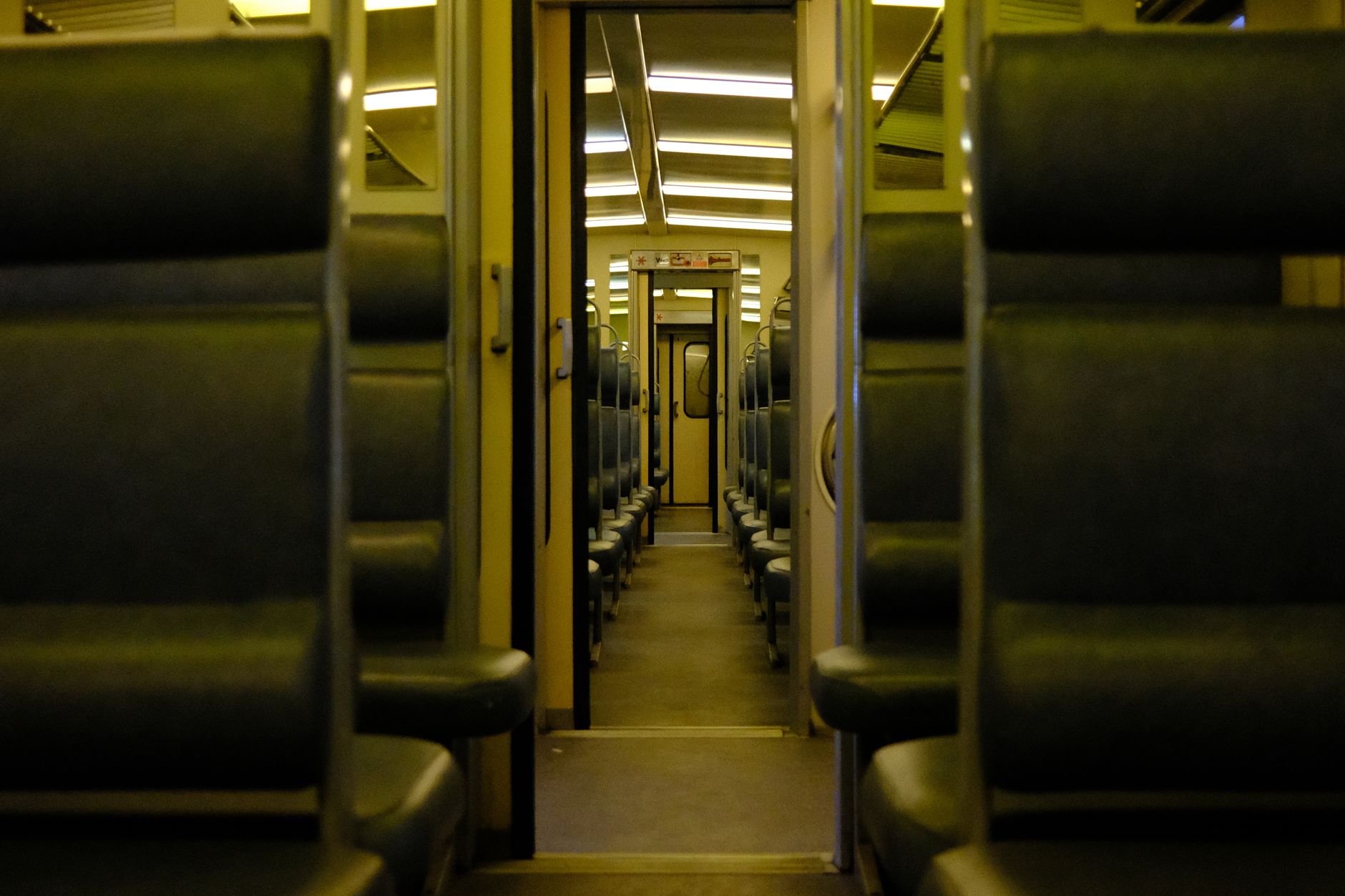
For a 56-passenger group, the 56-Passenger Motor Coach is usually the correct starting point because it keeps the party together and carries luggage below deck. Reclining seats, overhead storage, a restroom, DVD and USB capability, and climate control make long corridors such as Las Vegas to Zion or Denver to southern Utah more manageable. Confirm the passenger count, suitcase volume, mobility equipment, and any coolers or hiking gear before choosing the final coach. Zion also requires attention to vehicle dimensions, designated loading zones, and parking, so a smaller vehicle may be easier for tight hotel approaches but may not carry the whole group.
| Vehicle | Seats | Best For | Notes |
|---|---|---|---|
| 56-Passenger Motor Coach | Up to 56 passengers | Use this when the group wants one vehicle for a long-haul Zion group tour with substantial luggage and everyone riding together. | Best for full-group multi-day travel with reclining seats, overhead storage, restroom, DVD and USB capability, and underfloor luggage bays, but confirm height, width, length, and designated Zion parking before routing. |
| 40 to fifty passenger motor coach | 40 to 50 passengers | Use this when headcount is below full capacity or the itinerary combines Zion with roads and hotels where a slightly shorter coach is useful. | Provides similar touring comfort and underfloor cargo with a little more flexibility at lodging approaches, but it may require stricter baggage planning when near capacity. |
| 24 to thirty-five passenger mini coach | 24 to 35 passengers | Use this for a medium-sized group tour that values easier local maneuvering over maximum luggage and seating capacity. | More manageable at smaller hotel lots and local stops, with less cargo volume and fewer onboard amenities than a full motor coach. |
| Executive Sprinter or mini bus | 10 to twenty-four passengers | Use this for airport transfers, split groups, dinners, or short Zion-area movements rather than a 56-passenger long-haul itinerary. | Fits short local transfers and smaller parties but offers materially less luggage capacity and restroom support, making it a weak choice for a full multi-day Zion run. |
Routing, Timing, and On-the-Road Realities
The usual southern approach runs on Interstate 15 through Las Vegas, Mesquite, St. George, and Hurricane before reaching Springdale and the South Entrance. Pickup timing matters: Las Vegas departures should avoid the morning resort and airport congestion, while Los Angeles and Phoenix groups need a controlled departure window that protects the first driver's legal hours. Salt Lake City traffic and the I-15 corridor can add delay near Provo, downtown Salt Lake City, and major construction zones, so the dispatcher should not schedule a tight park arrival after a long same-day transfer. From the South Entrance, the 56-Passenger Motor Coach should use only approved large-vehicle areas and should not wait at shuttle stops. During shuttle season, the group normally leaves the coach at the visitor-center or lodging staging point and uses the free Zion Canyon Shuttle for the canyon road. Springdale lodging should provide written bus unloading instructions because sidewalks, one-way approaches, and limited turning space can make an apparently nearby hotel unsuitable for a full-size motor coach.
The Zion-Mount Carmel Highway and tunnel require a dimension check before any itinerary sends a motor coach toward the East Entrance. Current park guidance identifies height, width, length, weight, and combined-vehicle limits, and vehicles over the applicable limits must route around through the South Entrance rather than crossing the restricted segment. A 56-Passenger Motor Coach may therefore need to use Springdale, US 89, and the alternate approach when a group combines Zion with Bryce Canyon or Kanab. The driver should receive the exact hotel addresses, designated bus parking locations, Zion Lodge reservation details if applicable, and the planned shuttle boarding point before departure. Avoid scheduling a bus to load, unload, or idle at a Zion shuttle stop; at authorized lodge loading areas, unloading and waiting are tightly limited and the driver remains with the coach. Build the daily plan around federal driver-hours rules, including inspection, fueling, traffic, meal, rest, and overnight time, with a second driver or layover considered for long-haul origins.
What This Typically Costs
A 56-Passenger Motor Coach is normally quoted by a daily charter rate, with a minimum number of billable days set by the operating market and the trip length. The final price also reflects total mileage, route complexity, tolls, parking, permits, driver overnight lodging, and any deadhead miles required to bring the motor coach to the pickup point and return it after the group tour. Long-haul work commonly runs a few thousand dollars per day, while a multi-day Zion trip can price higher during spring break, summer, fall-color weekends, holidays, and major St. George or Las Vegas event periods. Fuel may appear as a separate adjustment when diesel costs change materially between quote and departure. Typical line items include driver gratuity, hotel rooms for the driver, entrance or activity fees, meal arrangements, and designated bus parking. Ask for an itemized quote showing whether mileage, deadhead, lodging, taxes, tolls, fuel adjustments, and waiting time are included.
Frequently Asked Questions
What does a 56-Passenger Motor Coach include for a Zion group tour?
A 56-Passenger Motor Coach is the workhorse of long-haul group travel. It has reclining seats, overhead storage, a restroom, DVD and USB capability, and luggage bays underneath. That combination suits a full-group, multi-day Zion group tour where everyone rides together instead of splitting into vans. It is most useful when the group has checked luggage, hiking gear, coolers, or event materials. The operator still needs the actual passenger count and baggage volume because a full 56 passengers with large suitcases can use cargo capacity quickly.
How many days should a multi-day Zion motor coach trip take?
Plan on at least three days for a practical Zion group tour from a distant pickup market, with four to six days more comfortable for long-haul departures. Day 1 is usually travel plus a meal stop and a first-night staging stop near Las Vegas, St. George, Cedar City, or Springdale, depending on the origin. Day 2 can cover the park's South Entrance, the Zion Canyon Visitor Center, the shuttle system, and an easy orientation walk. Additional days allow hikes, weather flexibility, Bryce Canyon, Cedar Breaks, or a return route without forcing the driver into an unsafe schedule. A multi-day itinerary is usually more reliable than trying to cover Zion as a single long day.
What are the best months for a Zion group tour?
April through May and late September through October usually offer the best balance of hiking conditions, daylight, and manageable heat, although weather can change quickly in the canyon. June through August brings long daylight and dependable vacation scheduling but also heat, crowded shuttle operations, limited parking, and higher lodging demand. November through March can work for a quieter group tour, but snow, ice, shorter days, and seasonal facility changes require a flexible plan. During shuttle operating periods, private vehicles cannot use Zion Canyon Scenic Drive, so the group should budget time for the park shuttle. Confirm current shuttle dates, road conditions, and lodging availability before finalizing the departure schedule.
Where can a motor coach park at Zion National Park?
A 56-Passenger Motor Coach must use designated large-vehicle areas and cannot treat shuttle stops, road shoulders, or hotel frontage as bus parking. Zion lists authorized motor coach locations including the large-vehicle area at the Zion Canyon Visitor Center, designated Zion Lodge bus parking when the group has a qualifying lodge reservation, and specified Kolob Canyons areas. At Zion Lodge, loading and unloading is limited to the designated zone and generally cannot exceed five minutes; the driver must remain with the vehicle and then move it to authorized parking. During shuttle operations, road-based tours cannot use Zion Canyon Scenic Drive shuttle stops or parking areas. A group should confirm commercial-tour requirements and current restrictions with the park before arrival because access rules can change by season and vehicle dimensions.
Can a 56-Passenger Motor Coach use the Zion-Mount Carmel Highway?
Measure the actual motor coach, including mirrors and equipment, before routing through the Zion-Mount Carmel Highway and tunnel. Current park guidance identifies restrictions involving vehicle height, width, length, weight, and combined vehicles, and vehicles over the limits must use an alternate route rather than crossing between Canyon Junction and the East Entrance. A 56-Passenger Motor Coach commonly needs routing through the South Entrance and Springdale, with the driver avoiding assumptions based only on a navigation-app route. The dispatcher should collect the coach's height, width, length, and weight and send the dimensions to the carrier before confirming an east-side transfer. If the itinerary includes Bryce Canyon or the East Entrance, build extra time for the legal oversize route.
Where should a large group stay near Zion?
The group can stay in Springdale for direct South Entrance access, although large-group room blocks often sell out well ahead of spring, summer, and fall dates. St. George offers more inventory, restaurants, and staging space but adds the daily drive to Zion and requires a firm first-departure plan. Cedar City can work for groups combining Zion with Cedar Breaks or Bryce Canyon, while Las Vegas is practical for fly-in groups but creates a longer transfer on arrival or departure days. Place the motor coach hotel near a bus-accessible road and confirm coach parking, unloading instructions, driver rooms, and late-arrival procedures in writing. The best staging choice depends on whether the priority is canyon access, room availability, airport connectivity, or a broader Southwest loop.
How do driver hours affect a multi-day Zion trip?
A motor coach driver must follow federal hours-of-service limits, including limits on driving time and required off-duty periods, rather than simply driving until the itinerary is complete. A long transfer from a distant city can consume the driver's available hours before the group reaches Utah, especially with urban pickup traffic, meal stops, fuel, inspections, and weather delays. For a long-haul multi-day group tour, the carrier may assign a second driver, add a layover, or require a hotel night to keep the schedule legal and rested. Keep the daily Zion sightseeing plan separate from the driver's maximum driving window because park congestion and shuttle coordination can create unplanned dwell time. Provide the carrier with exact pickup times, intermediate stops, hotel addresses, and planned return time so dispatch can build a compliant run.
How to Book
To book, have the travel dates, pickup address, passenger count, baggage estimate, hotel plan, and intended Zion itinerary ready, including Bryce Canyon or other side trips. Include every major stop and the desired arrival and return windows so dispatch can check mileage, deadhead, driver hours, coach dimensions, and parking requirements. US Bus Trips can typically return a quote within 4 business hours, subject to carrier availability and complete trip details. Confirmation should identify the vehicle class, service dates, pickup instructions, itinerary, inclusions, exclusions, cancellation terms, and payment schedule; contact US Bus Trips through its booking channel with the route and group information.
Related Trips You Might Also Consider
- New Orleans Mardi Gras — 14-Passenger Sprinter
- Minneapolis, MN to Chicago, IL
- Badlands — 14-Passenger Sprinter
- Sports Team Travel — Mid-Atlantic Region
- Senior Tour Group — Midwest Region
- Senior Tour Group — Northeast Region
- Cross-Country Charter Bus Overview
- All Group Trip Types
- See the Full Fleet (Sprinters through 56-pax coaches)
- Get a Free Quote in 60 Seconds