
US Bus Trips books Sports Team Travel for JV and varsity programs, college teams, clubs, showcase groups, and bowl-game travelers moving through Maryland, Virginia, West Virginia, Delaware, and DC.
Overview
Mid-Atlantic Sports Team Travel usually means several connected movements rather than a single transfer. A Maryland high school team may leave Baltimore or Montgomery County for a tournament in Richmond, while a Delaware club may travel through Wilmington, Philadelphia, Baltimore, and northern Virginia over one weekend. College groups commonly combine airport arrival, hotel check-in, practice, competition, meals, and return travel in a two- to four-day schedule. Common venues and event areas include the Baltimore County athletic complex network, Navy-Marine Corps Memorial Stadium in Annapolis, Audi Field and Entertainment and Sports Arena in DC, Richmond-area fields in Henrico, and college campuses in Charlottesville, Harrisonburg, Blacksburg, Morgantown, Newark, and Williamsburg. The customer is often an athletic director, coach, school travel coordinator, tournament director, or parent organization that needs one accountable transportation plan. A charter bus is most useful when the group must stay together, protect equipment, and avoid relying on separate rideshare or rental-car movements.
The regional geography creates distinct group travel patterns. I-95 links Baltimore, Washington, Richmond, Fredericksburg, and the Tidewater approaches, but afternoon congestion around the Capital Beltway, Baltimore, and northern Virginia can change an otherwise simple schedule. Routes from Annapolis, Kent Island, or the Eastern Shore may cross the Chesapeake Bay Bridge on US 50, with summer and holiday traffic affecting travel toward Ocean City, Dover, and Delaware beaches. Western trips toward Winchester, Harrisonburg, Roanoke, Morgantown, or Front Royal use I-66, I-81, US 29, or West Virginia mountain corridors and need extra attention to grades, weather, and limited late-night services. Scenic Blue Ridge and Shenandoah runs can be part of the itinerary, but the coach still needs legal loading areas and a dependable rest plan rather than an informal roadside stop. Airport-shuttle work is frequent because teams arrive through BWI, DCA, and IAD, each serving different hotel and campus clusters. The dispatcher should confirm terminal, baggage, vehicle staging, and the time the team is actually ready to load.
Seasonality follows school calendars, tournament calendars, and college sports schedules. Spring brings lacrosse, baseball, softball, soccer, rowing, and weekend invitationals across Maryland, Virginia, Delaware, and DC. Summer is heavy for club tournaments, recruiting showcases, camps, and baseball events that may use several venues in Richmond, Henrico, Virginia Beach, Hampton Roads, Baltimore, or suburban Washington. Fall creates football, soccer, volleyball, and cross-country movements, with college travel extending to Morgantown, Charlottesville, Blacksburg, Newark, and bowl-related destinations later in the year. Winter adds indoor tournaments, wrestling, basketball, volleyball, and holiday events, often requiring repeated hotel-to-facility shuttles. Typical team sizes range from 12 to 25 for small club groups, 25 to 45 for school teams, and 45 to 100 or more for combined athletes, coaches, staff, and families. Equipment must be counted separately from people because garment bags, instrument cases, athletic trunks, wheelchairs, coolers, and medical supplies can consume the underfloor storage on a motor coach.
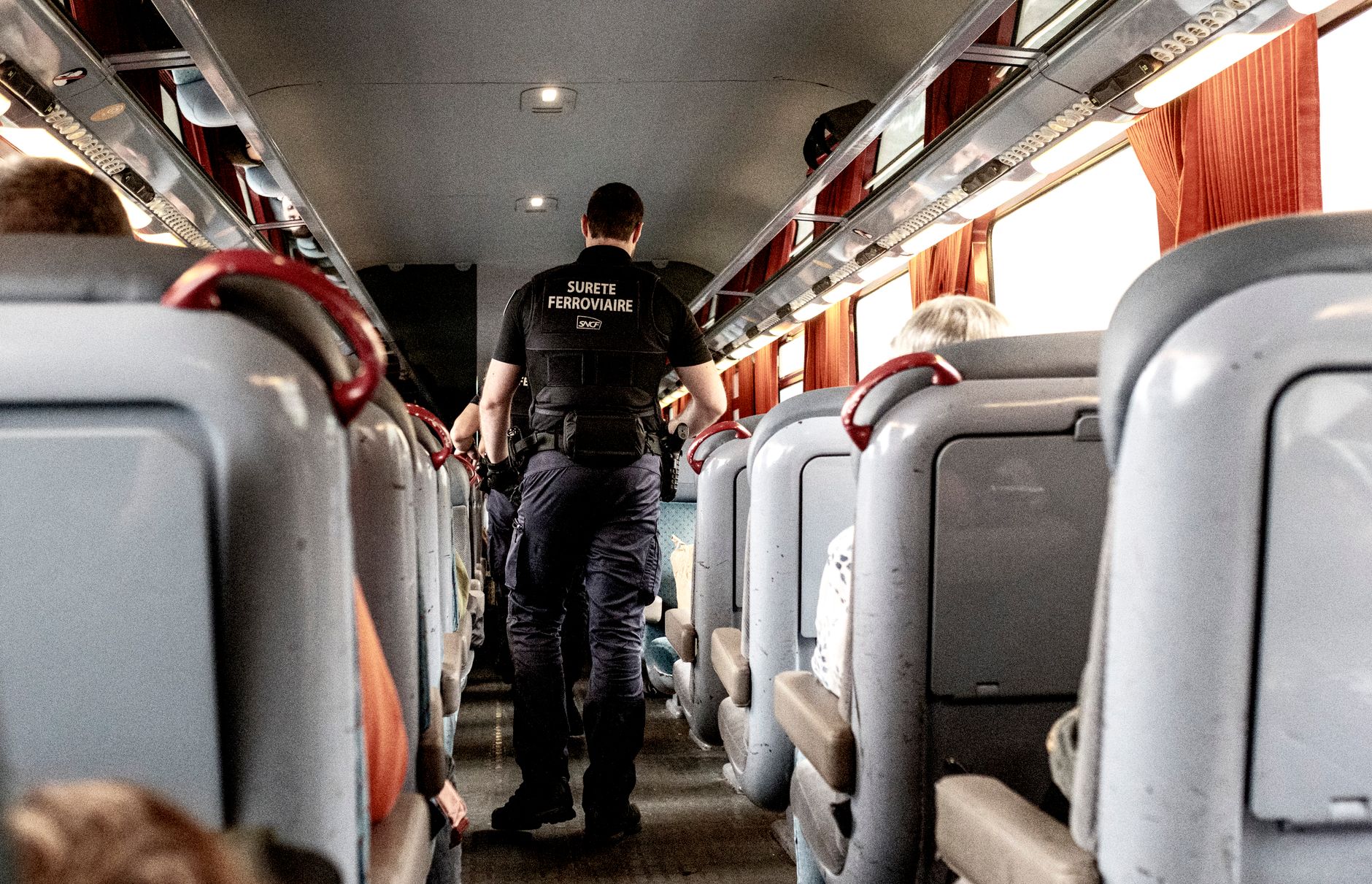
Fleet Options
Vehicle selection for Sports Team Travel starts with the headcount, but cargo and the full daily schedule decide the practical answer. A charter bus gives the best balance for teams carrying uniforms, coolers, balls, medical kits, and overnight luggage on longer Mid-Atlantic routes. A mini coach or mini bus can fit smaller club or JV groups and may handle campus roads or hotel driveways more easily. Executive Sprinters are useful for coaches, scouting staff, airport VIP movements, and small groups, but they have limited sports-equipment capacity. Confirm venue parking, low-clearance areas, loading zones, and whether all passengers and gear must remain together before choosing a fleet plan.
| Vehicle | Seats | Best For | Notes |
|---|---|---|---|
| Full-size motor coach | 40-56 passengers | Use for varsity and college teams, multi-day tournaments, bowl trips, and groups traveling with substantial luggage or equipment. | Best cargo capacity and comfort for underfloor bags, uniforms, coolers, and long I-95 or I-64 runs; needs a designated bus zone or suitable lot. |
| Mini coach | 24-35 passengers | Use for smaller teams, club squads, staff groups, or short Mid-Atlantic transfers where cargo is controlled. | More maneuverable at schools, athletic complexes, and hotel entrances than a full-size coach, with moderate luggage capacity and less room for bulky gear. |
| Mini bus | 14-28 passengers | Use for JV groups, practice shuttles, overflow passengers, or repeated hotel-to-venue movements. | Useful for local shuttles and tight campus circulation, but cargo space is limited and equipment may require a second vehicle or trailer arrangement. |
| Executive Sprinter | 8-14 passengers | Use for coaches, recruiters, officials, small club groups, or executive movements rather than a complete team with equipment. | Fits tight urban pickup points and airport hotel transfers, but passengers must pack lightly because sports gear and full-size luggage can fill the rear quickly. |
Routing, Timing, and On-the-Road Realities
For I-95 group travel, pickup timing should be set backward from team check-in, not from the scheduled game start alone. A Baltimore-to-DC or DC-to-Richmond move may need a morning departure buffer for Capital Beltway, Baltimore-Washington Parkway, I-95, Fredericksburg, and venue-area congestion. Stadium and campus access can add time because coaches may be directed to a remote bus lot rather than a passenger curb. At BWI, DCA, and IAD, the team should have one airport contact, a baggage completion trigger, and a defined commercial-vehicle meeting point. DCA is especially sensitive to curb activity and urban traffic, while IAD spreads arrivals over a large airport footprint and can add time between terminal, coach, and hotel. BWI commonly serves Baltimore and Washington-area groups, but the final hotel direction still affects the route and driver schedule. For a morning game, the bus should arrive early enough for unloading, equipment staging, and team preparation rather than targeting the opening whistle.
The Chesapeake Bay Bridge and Blue Ridge corridors require different planning than a direct interstate run. For Eastern Shore events, dispatch watches US 50 and bridge conditions, leaves a meaningful buffer, and considers the northern I-95 and Tydings Bridge route only when it fits the origin and destination. For Shenandoah, Charlottesville, Harrisonburg, Winchester, or West Virginia travel, the plan should account for rolling terrain, weather, fewer late-night food or fuel options, and venue roads that may not suit a large coach. Multi-vehicle group travel needs numbered buses, separate manifests, radio or phone check-in procedures, and a single operations lead who can approve changes. If teams play at simultaneous venues, each vehicle needs its own driver-hours plan and parking instructions; one bus cannot reliably cover overlapping games. Drivers also need a legal break and overnight plan, especially when a team departs before dawn, finishes after a night game, or returns across multiple states.
What This Typically Costs
Sports Team Travel pricing in the Mid-Atlantic is built around vehicle class, service days, mileage, and the amount of time the bus must remain available. A local day run may price with a daily minimum, while a multi-state tournament itinerary commonly runs a few thousand dollars per day in most markets, with the final range driven by distance, dates, and equipment requirements. Peak demand usually falls during spring tournaments, summer showcases, fall football, and winter holiday or bowl travel, when availability tightens and rates rise. Deadhead miles from the vehicle's garage to pickup and back are normally included in the operating calculation, especially for smaller Mid-Atlantic markets or one-way airport moves. Multi-day quotes may include driver overnight lodging, parking, tolls, and meal or per diem provisions where applicable. Fuel adjustments, venue parking, driver gratuity, and extra waiting or split-day service should be identified as separate line items or clearly stated inclusions before confirmation.
Frequently Asked Questions
How far in advance should a Mid-Atlantic sports team reserve a bus? A charter bus or motor coach should be requested as soon as tournament dates and venues are known, particularly for spring weekends, summer showcase periods, fall football, and bowl travel. Four to eight weeks may work for ordinary dates, but larger groups and airport-shuttle schedules often need several months of lead time. A preliminary itinerary is enough to check vehicle availability before every hotel and practice time is final. Earlier booking also improves the chance of keeping the same bus and driver team across multiple days.
How far in advance should a Mid-Atlantic sports team reserve a bus?
What vehicle works for a 35-person team with uniforms and equipment? A full-size motor coach is usually the starting point when the group has checked bags, garment bags, coolers, balls, medical supplies, or bulky team cases. Motor coaches provide underfloor luggage capacity and better seating comfort for I-95, I-64, and longer Blue Ridge runs. A 35-passenger mini coach can work when gear is limited and the route includes tighter hotel or campus access. The final choice should be based on passenger count plus cargo volume, not seats alone.
What vehicle works for a 35-person team with uniforms and equipment?
Can one charter bus cover multiple tournament venues? Yes, if the venue sequence, parking rules, and driver-hours plan leave enough recovery time between games. This is common for showcase events using fields around Richmond, Henrico, Virginia Beach, Baltimore County, Wilmington, or suburban Washington. The itinerary should include realistic loading time, equipment transfer time, and a buffer for game overruns. If simultaneous games occur at separate sites, separate vehicles are usually required rather than asking one bus to shuttle continuously.
Can one charter bus cover multiple tournament venues?
How are airport pickups handled at BWI, DCA, and IAD? The reservation should include airport, terminal, arrival numbers, baggage needs, and a group contact who can confirm when the team is ready. BWI, DCA, and IAD each have designated commercial ground-transportation procedures that can change by terminal, so the dispatcher confirms the meeting point and curb instructions before service. Airport runs often need a staging plan because a coach may not be able to wait indefinitely at the passenger curb. For larger teams, one lead vehicle may collect passengers while a second vehicle handles overflow bags or delayed arrivals.
How are airport pickups handled at BWI, DCA, and IAD?
Can a bus cross the Chesapeake Bay Bridge with a team? Yes, but the crossing should be treated as a schedule risk during summer weekends, holiday periods, and heavy US 50 traffic. The Chesapeake Bay Bridge connects the western shore with Eastern Shore routes toward Annapolis, Kent Island, Ocean City, and Delaware, and delays can affect game arrival times. Dispatchers normally plan an early departure, monitor bridge conditions, and identify a northbound I-95 and Tydings Bridge alternative when the itinerary allows. A coach cannot make up substantial bridge delays without cutting into unloading, warmup, or driver-rest time.
Can a bus cross the Chesapeake Bay Bridge with a team?
How many buses are needed for a 100-person athletic group? A common plan is two full-size motor coaches, but the correct count depends on roster size, coaches, families, luggage, equipment, and whether all passengers travel together. Two buses also create useful redundancy for airport transfers and separate hotel-to-venue movements. A third vehicle may be justified when equipment is bulky, games overlap, or the group needs a dedicated equipment shuttle. Each bus should receive its own passenger manifest, loading order, dispatch contact, and venue parking instructions.
How many buses are needed for a 100-person athletic group?
Can US Bus Trips arrange accessible transportation for a team member? Accessible service can be requested, but the reservation must state the mobility device type, dimensions, passenger count, and whether the rider can transfer into a seat. Not every charter bus has a lift, and a lift-equipped vehicle may have different luggage capacity or availability constraints. Wheelchairs, sports chairs, power equipment, and medical gear should be discussed before quoting so the carrier can assign a suitable vehicle. The same accessibility plan should be sent to hotels, airports, and venues when curb access or loading space is restricted.
Can US Bus Trips arrange accessible transportation for a team member?
How to Book
To request a Sports Team Travel quote, have the dates, pickup address, passenger count, equipment estimate, hotel, airports, practice times, game venues, and complete itinerary ready. US Bus Trips can typically return a realistic quote or availability update within 4 business hours when those details are available. Confirmation should identify the vehicle type, passenger capacity, pickup instructions, driver contact process, schedule, inclusions, and any parking, toll, lodging, or fuel provisions. Reach us through the US Bus Trips booking team by phone or online request form, and report changes promptly because tournament times and venue assignments often move.
Related Trips You Might Also Consider
- Shenandoah — 24-Passenger Mini Bus
- Death Valley — 56-Passenger Motor Coach
- Stockton, CA to Yosemite, CA
- Mesa Verde — 56-Passenger Motor Coach
- Dance Competition — Pacific Northwest Region
- Church Retreat — South Central Region
- Cross-Country Charter Bus Overview
- All Group Tour Destinations
- See the Full Fleet (Sprinters through 56-pax coaches)
- Get a Free Quote in 60 Seconds