
US Bus Trips arranges charter bus and motor coach service for unit, ship, squadron, and regiment reunions across the Midwest.
Overview
A Midwest Military Reunion may be a 20-person squadron dinner, a shipmates gathering with spouses, a regiment anniversary, or a veterans homecoming that fills several hotel blocks. The usual customer is an association officer, reunion committee, family coordinator, academy class representative, or convention planner who needs one accountable transportation plan. Chicago is a frequent hub because attendees can arrive through O'Hare or Midway and then move toward Naval Station Great Lakes, Gurnee, Chicago Southland, Cantigny First Division Museum, or downtown banquet venues. Other practical Midwest bases include Detroit and Grand Rapids in Michigan, Cleveland and Columbus in Ohio, Indianapolis and South Bend in Indiana, Milwaukee and Madison in Wisconsin, Minneapolis and Bloomington in Minnesota, Des Moines and Waterloo in Iowa, and St. Louis, Kansas City, Branson, or Point Lookout in Missouri. The itinerary often combines formal business, a memorial or museum visit, a group photo, and an evening banquet. A charter bus keeps the group together when the schedule moves between hotels, campuses, bases, and venues with limited parking.
The region has predictable travel patterns but not predictable operating conditions. A Chicago-origin group may run west on I-80 toward Des Moines, north on I-94 toward Milwaukee and Madison, east on I-90 toward South Bend, Cleveland, and Columbus connections, or south and west toward Indianapolis, St. Louis, Branson, or Kansas City. Long legs can be paired with local shuttle days so the motor coach is not repeatedly sent through downtown traffic. Military and maritime groups may favor places with relevant history, including Naval Station Great Lakes, USS Silversides in Muskegon, LST 393 in Muskegon, the Gerald R. Ford Presidential Museum, Veterans Memorial Park, the First Division Museum, or Iowa veterans facilities. Branson's Veterans Homecoming Week creates a concentrated November pattern with memorials, veteran gatherings, parade activity, and hotel-to-venue movements. Wisconsin Dells can suit reunions that need flexible lodging, meeting space, restaurants, and family activities. The bus plan should be built around actual venue access rather than a generic city loop.
Seasonality is driven by reunion calendars, school and college schedules, weather, and available hotel blocks. May through October brings many anniversary weekends, academy events, outdoor memorials, and Big Ten sports-team and high-school marching-band travel, which can tighten charter bus supply and increase downtown and campus congestion. Veterans Day in November can create concentrated demand in Branson and other Missouri destinations, while winter weather can affect I-80, I-90, and I-94 crossings in Illinois, Indiana, Ohio, Michigan, Wisconsin, Minnesota, and Iowa. Equipment planning is central when the group travels with uniforms, flags, display boards, instruments, mobility aids, or ceremonial supplies. Marching-band volume means percussion and large brass cases may exceed ordinary luggage capacity, while a reunion may need garment racks or protected storage for medals and archival materials. For a large group, US Bus Trips may assign several vehicles by hotel or passenger category, with one lead vehicle, one accessible unit, and a separate equipment solution when the cargo manifest requires it.
Fleet Options
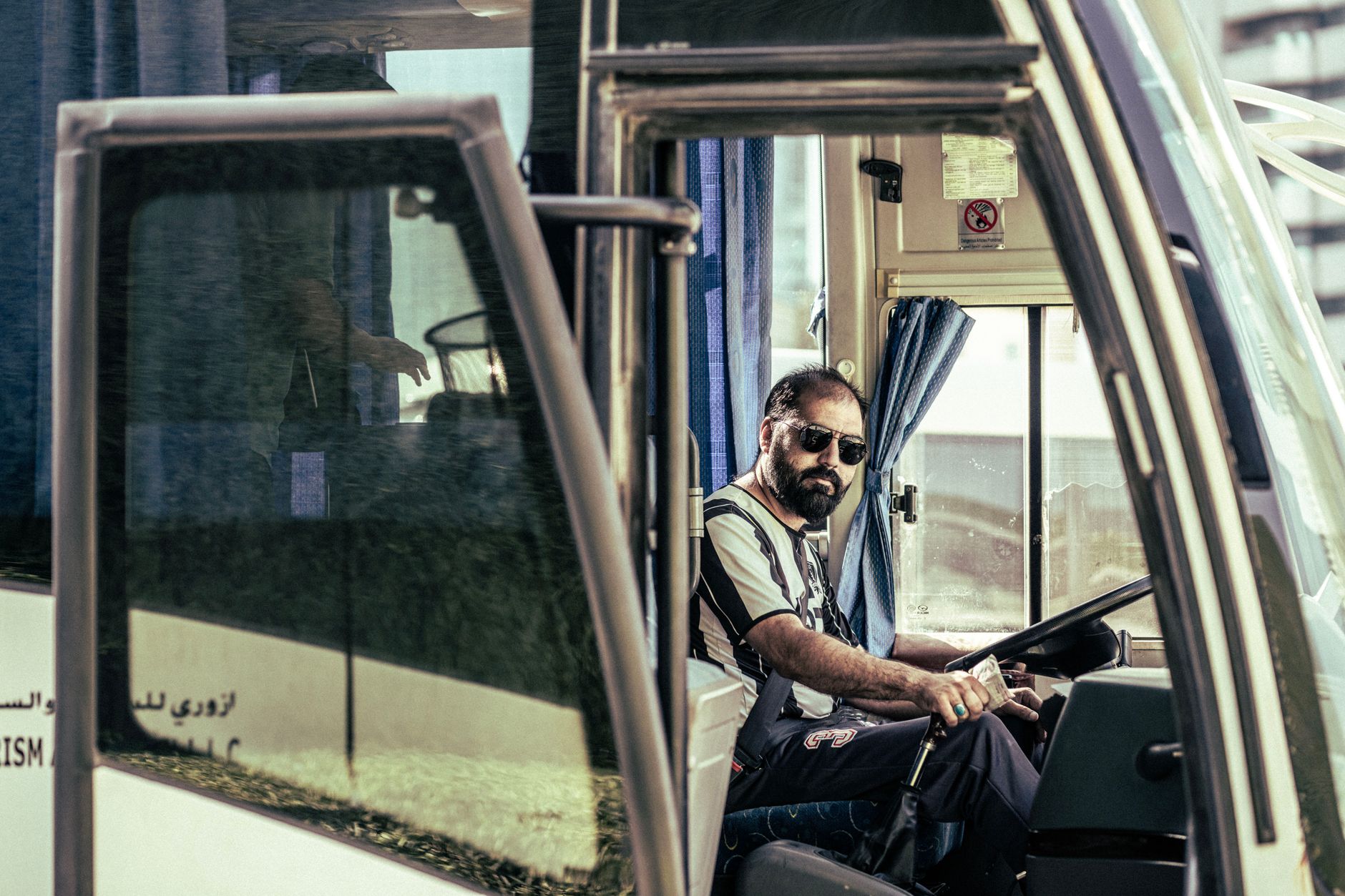
Choose the vehicle around passenger count, cargo volume, accessibility, and the roads serving each stop. A charter bus with underfloor storage is usually the most efficient choice for a full reunion group traveling with suitcases, uniforms, and ceremony materials. Smaller vehicles work better for hotel shuttles, airport transfers, and tight downtown or campus approaches where large coaches face curb and turning limits. For a large Midwest group travel program, separate passenger and equipment capacity may matter more than the nominal seat count.
| Vehicle | Seats | Best For | Notes |
|---|---|---|---|
| Executive Sprinter van | 8-14 passengers | Use for airport transfers, advance teams, VIP movements, or a small Military Reunion traveling between nearby hotels and venues. | Best for small officer, staff, or family groups with light luggage; limited cargo space and no underfloor bay make it a poor fit for large equipment loads. |
| Mini bus | 18-32 passengers | Use for a compact unit, academy class, local ceremony circuit, or overflow shuttle between a hotel and banquet venue. | Useful on campus streets and hotel loops, with easier curb access than a full motor coach; storage is limited for marching-band cases, large reunion displays, or extended luggage. |
| Mini coach | 24-40 passengers | Use for a medium-sized Midwest group travel itinerary involving airport service, museum visits, and regional day trips. | Balances maneuverability and comfort with more storage than a mini bus, but verify bay dimensions when carrying folded wheelchairs, garment bags, or bulky ceremonial gear. |
| Full-size motor coach | 40-56 passengers | Use for a full regiment, ship, squadron, academy anniversary, veterans homecoming, or multiple-day charter bus movement across I-80, I-90, or I-94. | The strongest fit for 40-56 passengers and multi-day luggage because of reclining seats, restrooms on many models, and underfloor bays; arrange venue staging before arrival. |
Routing, Timing, and On-the-Road Realities
Chicago-area departures require schedule discipline because I-90, I-94, I-80, the Kennedy, Dan Ryan, Bishop Ford, and Kingery corridors can all affect the same pickup window. Avoid placing a downtown pickup immediately before a fixed ceremony unless the bus has a protected staging location and a generous buffer. O'Hare, Midway, hotel loading zones, and convention-center curbs may require separate arrival instructions, luggage staging, or timed access. For northern Illinois and southern Wisconsin, I-94 and the Tri-State may be preferable to crossing downtown, while I-80 and I-355 can support western-suburban routing toward Joliet, Naperville, and Iowa connections. Eastbound groups should account for toll plazas, Indiana traffic, and approach congestion around South Bend, Indianapolis, Detroit, Toledo, Cleveland, or Columbus. A dispatcher should set pickup times from the ceremony call time backward, adding boarding, headcount verification, restroom, fueling, and parking time rather than relying only on map mileage.
Venue operations vary widely across the Midwest. Convention centers such as DeVos Place in Grand Rapids can handle larger programs, but the bus still needs a designated curb and a clear unloading sequence; museums, bases, memorial parks, college campuses, and historic ships may have different security or turn-around rules. Confirm whether a charter bus can enter the property, where it may wait during a banquet, and whether drivers need credentials or advance vehicle information. For Naval Station Great Lakes or any military installation, obtain current visitor and access instructions from the host rather than assuming ordinary public-entry procedures. A full-day event may require the driver to relocate to legal parking, return at a dispatch time, and observe required rest rather than waiting curbside. Multi-vehicle group travel needs a lead coordinator, numbered buses, radio or phone communication, synchronized meal and fuel stops, and a manifest that identifies passengers assigned to each vehicle. Snow, construction, football traffic, festival closures, and downtown event restrictions can affect routes, so the operating plan should include alternate pickup points and realistic recovery time.
What This Typically Costs
Pricing is usually built from a daily minimum, mileage or deadhead, vehicle class, and the number of service days. A one-day local charter bus may have a shorter minimum, while a multi-day Midwest run commonly carries a two-day or multi-day minimum even when the group is parked for part of the reunion. Long I-80, I-90, and I-94 legs, driver repositioning, tolls, and out-of-area deadhead miles can move the quote from a typical local range into a few thousand dollars per day or more, depending on the fleet size. Seasonal peaks around May through October, college football weekends, Veterans Day programs, and major city conventions generally reduce vehicle availability and raise operating costs. Overnight driver lodging, parking, fuel adjustments, tolls, and required permits may appear as separate line items. Driver gratuity is commonly handled separately, with the group choosing an amount based on service, schedule complexity, and luggage handling.
Frequently Asked Questions
How many people can a Midwest military reunion charter serve?
Most groups fall between 20 and 56 travelers, but a Military Reunion can range from a small squadron gathering to several hundred attendees. A 24-passenger mini coach often fits a local unit or academy class, while a 40- to 56-seat motor coach is more common for a full ship, regiment, or veterans organization. Large reunions may need several charter bus vehicles split by hotel, arrival city, or mobility needs. A final headcount should include spouses, family members, staff, and any guests who will ride only on selected days.
Why is Chicago a common hub for Midwest group travel?
Chicago works well as a Midwest connection point because groups can branch toward Milwaukee, Madison, Grand Rapids, Detroit, Indianapolis, Cleveland, Columbus, Minneapolis, Des Moines, St. Louis, or Kansas City. The practical route depends on the reunion venue, hotel block, airport arrivals, and whether the group is visiting a base or museum. Common corridors include I-80 through Joliet and Iowa, I-90 across northern Illinois and Indiana toward Ohio, and I-94 between Chicago, Milwaukee, Madison-area connections, and Detroit. A charter bus is especially useful when attendees arrive from multiple states and need one coordinated movement plan.
Can the bus carry uniforms, instruments, and reunion equipment?
Yes, but instruments need a different loading plan from ordinary luggage. Big Ten sports-team and high-school marching-band volume means instrument cases, uniforms, percussion hardware, props, and garment bags can fill underfloor bays quickly. A motor coach can carry standard luggage and many smaller cases, but oversized bass drums, tubas, sousaphones, and display equipment may require a dedicated cargo vehicle or a second charter bus. The manifest should identify dimensions, weight, and whether items can be stacked before equipment is assigned to a vehicle.
How are wheelchairs and mobility equipment handled?
Share the mobility count during quoting rather than at final boarding. A lift-equipped charter bus may be needed for passengers using wheelchairs, while a standard motor coach can usually accommodate limited folded mobility equipment if bay space is available. Confirm whether chairs are manual or powered, their folded dimensions, and whether a passenger remains seated during travel. The operations team can then assign lift service, accessible hotel loading, and extra boarding time at venues such as convention centers or veterans museums.
What Midwest destinations work well for a Military Reunion?
Typical Midwest routing may combine a hotel, airport, banquet venue, base, memorial, and museum over two or three days. Examples include Chicago or Gurnee with Naval Station Great Lakes, the First Division Museum at Cantigny, or Chicago Southland venues; Grand Rapids with the Gerald R. Ford Presidential Museum, Veterans Memorial Park, or USS Silversides; and Branson with Veterans Homecoming Week programs around Veterans Village, Patriot Park, and downtown events. Other practical bases include Indianapolis, Columbus, Cleveland, Detroit, Milwaukee, Minneapolis, Des Moines, and St. Louis. Each stop needs a bus-accessible curb, staging plan, and realistic dwell time.
Can one charter bus cover a multi-state reunion itinerary?
Yes, if the itinerary is built around legal driver hours and actual loading time. A long first-day move from Chicago to Minneapolis, Detroit, Cleveland, or St. Louis may require an early departure, a relief plan, or an overnight stop depending on the schedule. Drivers also need meal, fueling, inspection, and parking time; they cannot simply remain available indefinitely while a banquet or ceremony runs late. For multi-day group travel, the quote should identify driver lodging, bus storage, and the daily dispatch window.
How far in advance should a Midwest military reunion be booked?
Request the trip at least several weeks ahead, and earlier for May through October, Veterans Day events, college football weekends, or large academy anniversaries. Supply dates, pickup address, estimated headcount, accessible passenger count, luggage and equipment details, hotel address, venue schedule, and every planned stop. US Bus Trips can generally return a quote within 4 business hours when those details are complete, subject to vehicle availability and route review. The confirmation should identify the vehicle class, service dates, pickup instructions, itinerary, included and excluded charges, payment schedule, cancellation terms, and dispatch contact.
How to Book
Start with the dates, pickup address, headcount, passenger mobility needs, luggage and equipment list, hotel, venues, and a stop-by-stop itinerary. Include whether the group needs airport arrivals, a base or museum visit, banquet transportation, parade staging, or daily hotel shuttles. US Bus Trips can typically return a quote within 4 business hours when the operating details are complete, subject to fleet availability and route review. The confirmation identifies the vehicle, service window, itinerary, inclusions, exclusions, payment terms, cancellation policy, and dispatch contact; reach us through the US Bus Trips booking team.
Related Trips You Might Also Consider
- Non-Profit Fundraiser — Southeast Region
- Hershey — 14-Passenger Sprinter
- Everglades — 14-Passenger Sprinter
- Mount Rushmore — 36-Passenger Mini Coach
- Oakland, CA to San Francisco, CA
- Corporate Roadshow — Southeast Region
- Cross-Country Charter Bus Overview
- All Group Tour Destinations
- See the Full Fleet (Sprinters through 56-pax coaches)
- Get a Free Quote in 60 Seconds