
US Bus Trips coordinates charter bus, motor coach, mini coach, mini bus, and executive Sprinter service for galas, capital-campaign donor tours, and mission travel across the Southeast.
Overview
A Southeast Non-Profit Fundraiser may be a single gala shuttle or a multi-day capital-campaign program for donors, board members, sponsors, and staff. Typical trips move between hotels, reception sites, campuses, service projects, and evening venues rather than following a simple point-to-point transfer. Atlanta groups may use the Georgia World Congress Center, Mercedes-Benz Stadium area, or Buckhead hotels, while Charlotte programs often center on the Charlotte Convention Center, Bank of America Stadium district, or university facilities. Raleigh and Durham itineraries may include the Raleigh Convention Center, Duke University, North Carolina State University, or Research Triangle offices. In Charleston, Savannah, Myrtle Beach, Jacksonville, Orlando, and South Florida, gala schedules often combine waterfront or resort venues with off-site dinners and airport movements.
The Southeast produces long group travel legs because major metros are spread across several states. I-85 links Atlanta, Greenville-Spartanburg, Charlotte, Greensboro, Durham, and the broader Research Triangle, while I-95 supports north-south movement through Fayetteville, Florence, Savannah, Jacksonville, and Florida. I-75 is central to Atlanta, Macon, Valdosta, Gainesville, Tampa, and Orlando routing, and I-24 and I-65 connect Nashville, Chattanooga, Birmingham, Louisville, and Lexington. Common donor-tour patterns include Atlanta-Charlotte-Raleigh, Nashville-Atlanta-Orlando, and Charlotte-Charleston-Savannah-Jacksonville. A charter bus itinerary needs more than highway mileage because meal breaks, venue access, passenger loading, and driver rest can control the actual schedule.
The customer profile ranges from a 12-person leadership delegation to a 250-person donor or mission team divided across several vehicles. Gala passengers often bring garment bags, auction materials, sponsor signage, and presentation equipment; mission groups may add tools, boxed supplies, uniforms, medical equipment, or donated goods. College-football weekends around Athens, Clemson, Columbia, Chapel Hill, Knoxville, Lexington, Nashville, Tuscaloosa, Auburn, Gainesville, Tallahassee, and Orlando can tighten inventory and complicate parking. Beach-season demand also increases around the Carolinas, Savannah, Jacksonville, and Florida destinations. Groups that disclose cargo, wheelchair requirements, and venue restrictions early are easier to place in the right motor coach or mixed vehicle fleet.
Fleet Options
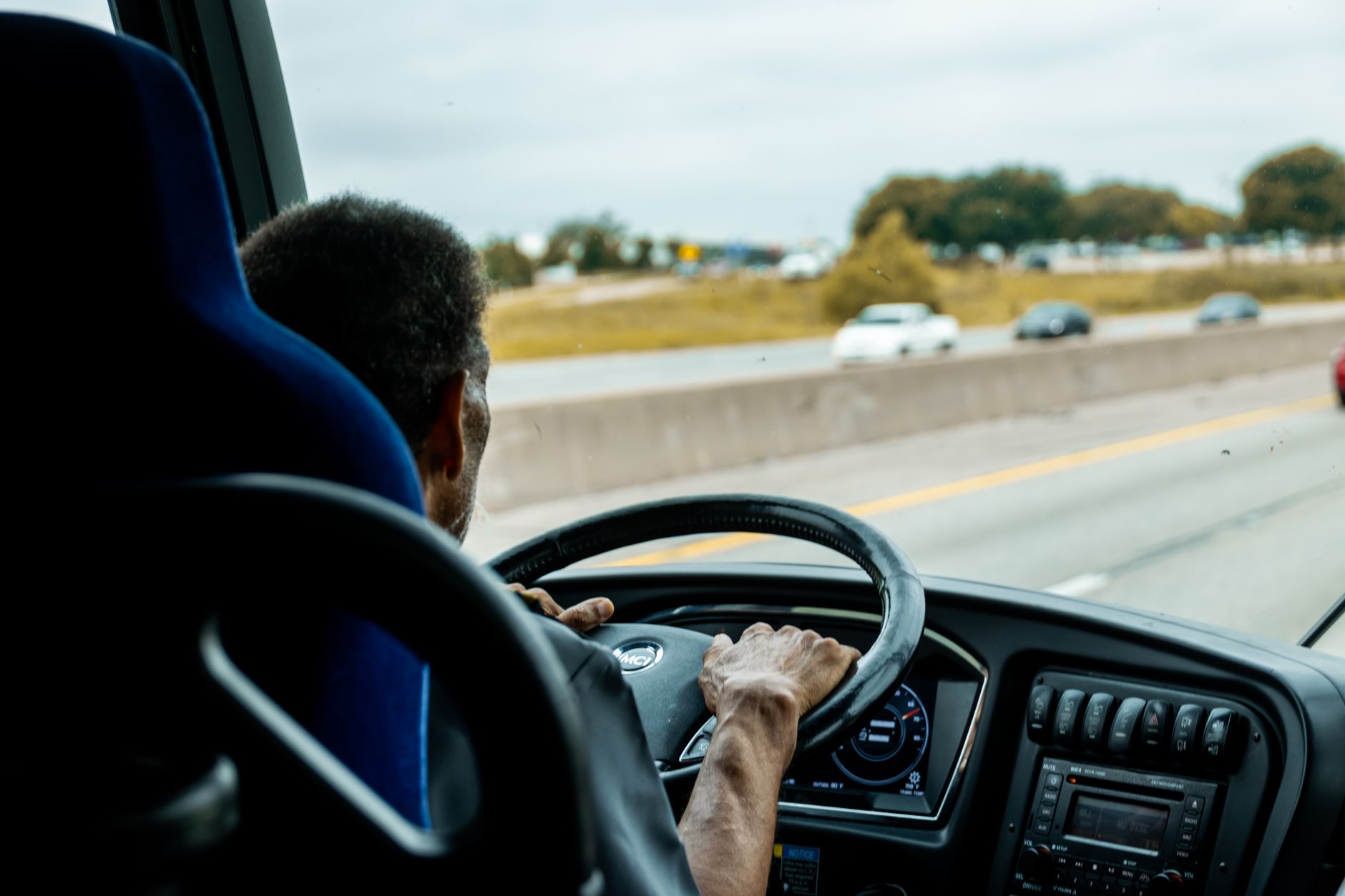
Vehicle choice for Southeast group travel starts with headcount, baggage, cargo, and the time the vehicle must remain available. A full-size charter bus or motor coach is usually the most efficient option for larger groups because it combines passenger seating with underfloor luggage capacity and onboard restroom availability on many models. Smaller groups may be better served by a mini coach, mini bus, or executive Sprinter, particularly when the itinerary uses hotel porte-cocheres, historic districts, campuses, or narrow downtown streets. Leave seats open when passengers bring formalwear, equipment, mobility devices, or mission supplies; a bus filled to every seat is not automatically the best operational fit.
| Vehicle | Seats | Best For | Notes |
|---|---|---|---|
| Full-size motor coach | 40-56 passengers | Use for a large Non-Profit Fundraiser, multi-day donor tour, or mission team traveling between Southeast metros. | Usually has the best underfloor baggage capacity and onboard comfort for long I-95, I-75, and I-85 legs, but needs a legal coach route and designated parking. |
| Mini coach | 24-38 passengers | Use when the group is too large for vans but does not need a full-size charter bus. | A useful balance of coach seating and maneuverability for hotel-to-venue loops, campus visits, and groups carrying moderate luggage or presentation gear. |
| Mini bus | 18-28 passengers | Use for airport transfers, reception shuttles, or a small donor delegation staying within one metro. | Works well for short local movements and tighter streets, though luggage space and restroom availability are limited compared with a motor coach. |
| Executive Sprinter | 8-14 passengers | Use for board members, major-donor visits, site inspections, or small group travel between nearby Southeast venues. | Fits curbside movements and smaller access points, but passengers must pack lightly and bulky mission cargo may require a second vehicle or trailer-approved arrangement. |
Routing, Timing, and On-the-Road Realities
For I-85 group travel, plan pickup before the Atlanta or Charlotte commuter peak when the itinerary allows, especially if the same day includes a scheduled donor reception. The Atlanta Downtown Connector, Charlotte's I-77 and I-85 interchanges, and the Raleigh-Durham approach can add unpredictable delay during weekday peaks and event release periods. I-95 schedules should allow extra time near Fayetteville, Florence, Savannah, Jacksonville, and the major Florida metro approaches, where construction, bridge activity, and seasonal traffic can affect a coach more than a car. I-75 runs through Atlanta, Macon, Valdosta, Gainesville, and Orlando, with event and vacation traffic frequently changing arrival times. A motor coach should use planned rest and meal stops with adequate parking rather than assuming a highway service area will accept multiple large vehicles.
Venue access must be confirmed in writing for each stop. Downtown gala sites such as the Georgia World Congress Center, Charlotte Convention Center, Music City Center, Birmingham-Jefferson Convention Complex, Raleigh Convention Center, and major hotel ballrooms may have separate coach entrances, timed curb access, or remote bus parking. University and football operations around Georgia, Clemson, South Carolina, North Carolina, Tennessee, Kentucky, Alabama, and Florida can impose event-day traffic plans and restrict staging near the stadium. Historic districts in Charleston and Savannah, beach hotels, and older downtown blocks may require a short walk from an approved unload point. For multi-day runs, dispatch must check driver hours, because interstate passenger drivers generally cannot exceed 10 hours of driving after 8 hours off duty or 15 hours on duty, and a late gala followed by an early departure may require a second driver or overnight reset.
What This Typically Costs
Southeast Non-Profit Fundraiser transportation is usually priced from vehicle days, mileage, route complexity, and the number of coaches required. Many operators apply a daily minimum, while longer runs add mileage, deadhead travel from the bus garage, tolls, parking, and driver lodging. A multi-day motor coach itinerary commonly runs a few thousand dollars per vehicle per day in most markets, with higher totals during college-football weekends, spring-break periods, major conventions, and beach-season peaks. Driver lodging is normally a separate line item or a negotiated allowance when the coach stays overnight away from its home market. Fuel adjustments may apply when diesel prices change between quote and operation. Budget separately for driver gratuity, venue parking, baggage handling, wheelchair-lift service, extra staging time, and local shuttle movements.
Frequently Asked Questions
How many people fit on a Southeast nonprofit trip?
A practical planning range is often 20 to 56 passengers per vehicle, depending on whether the group is a small board delegation, a donor cohort, or a full mission team. A charter bus is usually the right starting point for 40 or more travelers, while a mini coach or executive Sprinter can handle smaller groups and short transfers. Gala groups may need room for formal clothing and event materials, while mission groups often carry tools, boxed supplies, personal bags, or mobility equipment. Final capacity depends on luggage volume, accessibility needs, and whether the vehicle must remain with the group between events.
What Southeast routes are common for donor tours?
For an Atlanta to Charlotte donor itinerary, I-85 is the natural spine, with possible stops in Greenville or Spartanburg. A Raleigh, Durham, Greensboro, or Charlotte program may also use I-85 and I-40, while coastal schedules commonly connect Wilmington, Myrtle Beach, Charleston, Savannah, and Jacksonville through I-95 or parallel coastal routes. Atlanta to Orlando generally uses I-75 through Macon and Valdosta before connecting with Florida routes, and Nashville to Atlanta typically uses I-24 and I-75. The exact route should account for venue access, meal stops, driver hours, and whether the group must arrive together for a timed program.
How do you manage multiple buses for a large nonprofit event?
A large Non-Profit Fundraiser may require several motor coaches rather than one oversized vehicle. The operating plan should assign numbered buses, a lead contact, loading zones, radio or phone communication, and a manifest for each vehicle. Vehicles should stage in sequence so passengers can board without blocking hotel driveways, valet lanes, or gala drop-off points. For a mission tour, one coach can carry passengers while another carries equipment, supplies, or overflow luggage when the venue cannot accept a full load at once. A dispatch schedule should include staggered departures, relief timing, and a contingency vehicle or local shuttle where the itinerary has multiple simultaneous movements.
Can a charter bus carry mission supplies and wheelchairs?
Tell the operator about instruments, uniforms, presentation displays, medical devices, boxed donations, tools, coolers, or other nonstandard cargo before quoting. Standard motor coach underfloor bays handle ordinary suitcases well, but bulky cases may require a baggage count, protected loading plan, or a separate cargo vehicle. Wheelchair users should be identified early so an accessible charter bus with a lift or ramp can be assigned and loading time can be planned. Keep aisles and emergency exits clear; passengers should not rely on seats or overhead areas for heavy equipment. For gala programs, garment bags and sponsor materials may need clean, dry interior space rather than a crowded luggage bay.
What venue details are needed for a Southeast gala?
For a gala at the Georgia World Congress Center, the North Carolina Museum of Natural Sciences in Raleigh, the Duke University area in Durham, the Charlotte Convention Center, or the Music City Center in Nashville, confirm the designated bus entrance and staging rules with the venue. Downtown streets may restrict curb dwell time, and valet or rideshare lanes are not dependable bus loading zones. Beach destinations such as Charleston, Savannah, Myrtle Beach, Jacksonville, Fort Lauderdale, and Orlando often have tight hotel approaches, event traffic, or limited coach parking. The itinerary should name a legal unload point, a nearby holding location, and the time required to walk passengers from bus to venue. A charter bus may need to drop and relocate rather than remain curbside throughout the program.
When should a Southeast group reserve a bus?
College-football weekends create sharp demand around Athens, Atlanta, Clemson, Columbia, Chapel Hill, Raleigh, Charlotte, Knoxville, Lexington, Nashville, Tuscaloosa, Auburn, Gainesville, Tallahassee, and Orlando. Beach-season demand rises around the Carolinas, Savannah, Jacksonville, Tampa, Fort Lauderdale, and other Florida destinations, while spring break can tighten inventory near Orlando and coastal Florida. Reserve vehicles several weeks to months ahead for a known event, especially when the trip spans a home game or a major convention. A last-minute request may require splitting the group across multiple operators or using smaller vehicles. Supplying exact dates, pickup windows, and hotel information gives dispatch more options.
How are driver hours planned on a multi-day Southeast trip?
Passenger-carrier rules generally limit a driver to 10 hours of driving after at least 8 consecutive hours off duty and prohibit driving after 15 hours on duty. Loading, waiting, staging, and other required work can affect the on-duty schedule, so a long day of meetings cannot be treated as driving time alone. For an Atlanta to Orlando, Nashville to Charlotte, or Raleigh to Charleston itinerary, dispatch may use a second driver, an overnight stop, or a split schedule. The coach should not be promised for an early departure after a late gala without checking the driver's legal rest window. Build realistic meal, restroom, hotel, and venue-release times into the itinerary rather than relying on highway travel estimates alone.
How to Book
To request a quote, have the dates, pickup address, headcount, luggage and equipment details, accessibility needs, hotel information, and complete itinerary ready. Include every planned stop, gala venue, campus, service site, airport, meal stop, and the time the vehicle must remain available. US Bus Trips aims to return a realistic quote within 4 business hours when those details are complete, subject to operator availability and route review. Confirmation should identify the vehicle type, passenger capacity, pickup instructions, itinerary, inclusions, cancellation terms, and dispatch contact; reach us through the request channel on the US Bus Trips website or by phone.
Related Trips You Might Also Consider
- Shenandoah — 36-Passenger Mini Coach
- Mesa Verde — 24-Passenger Mini Bus
- San Diego, CA to Los Angeles, CA
- Arlington, TX to Dallas, TX
- Baltimore, MD to Philadelphia, PA
- Sports Team Travel — South Central Region
- Cross-Country Charter Bus Overview
- All Group Tour Destinations
- See the Full Fleet (Sprinters through 56-pax coaches)
- Get a Free Quote in 60 Seconds