
US Bus Trips coordinates Sports Team Travel for JV and varsity programs, club teams, college squads, showcase groups, bowl trips, and HBCU football weekends.
Overview
South Central Sports Team Travel usually involves more than one city and more than one event. A Texas triangle itinerary may run between Dallas Fort Worth, Austin, San Antonio, and Houston for volleyball, basketball, soccer, baseball, softball, football, or showcase play. Teams also move east toward Beaumont, Lake Charles, Baton Rouge, Jackson, and New Orleans, or north from Dallas to Oklahoma City, Tulsa, and regional Oklahoma venues. A typical customer is a school athletic department, booster organization, club director, college operations staff, tournament organizer, or parent group responsible for keeping athletes and coaches on schedule. Group travel often combines hotel shuttles, practice transfers, game-day movements, meal stops, and a long return leg. The best plan keeps the charter bus with the team when timing, equipment, or remote venue access makes independent rides impractical.
Venue selection drives the operating plan. Houston assignments may involve NRG Park, TDECU Stadium, Shell Energy Stadium, the George R. Brown Convention Center, or facilities in Webster, Richmond, Cypress, Spring, and Missouri City. Austin and the Hill Country can include the Austin Convention Center, DKR Texas Memorial Stadium, H-E-B Center at Cedar Park, and Round Rock Sports Center. San Antonio work commonly touches the Alamodome, Frost Bank Center, Toyota Field, convention facilities, and school or club complexes outside the downtown core. Dallas Fort Worth trips may include the Kay Bailey Hutchison Convention Center area, Dickies Arena, the Cotton Bowl district, suburban complexes in Allen and Frisco, and college venues across North Texas. Oklahoma City, Tulsa, Little Rock, Fayetteville, Baton Rouge, Jackson, and New Orleans add different curb, parking, and overnight requirements that should be checked before the motor coach is dispatched.
Cargo planning is central to Sports Team Travel. Standard luggage and uniform bags usually fit in motor coach bays, but football pads, baseball bags, volleyball carts, wrestling mats, marching instruments, band uniforms, coolers, folding tables, and recovery equipment can consume space quickly. College bowl groups and HBCU football classic travelers may combine athletes, coaches, staff, alumni, instruments, and event materials in one movement. New Orleans assignments around the Bayou Classic at Caesars Superdome can require controlled hotel-to-venue staging, while Houston HBCU classic traffic may center on Shell Energy Stadium or nearby campuses. Rodeo-related trips and Fort Worth Stock Show movements can add western equipment, boots, garment bags, and timed venue access. A complete inventory lets the carrier decide whether one motor coach is adequate, whether a second vehicle is needed, or whether separate cargo handling should be arranged.
Fleet Options
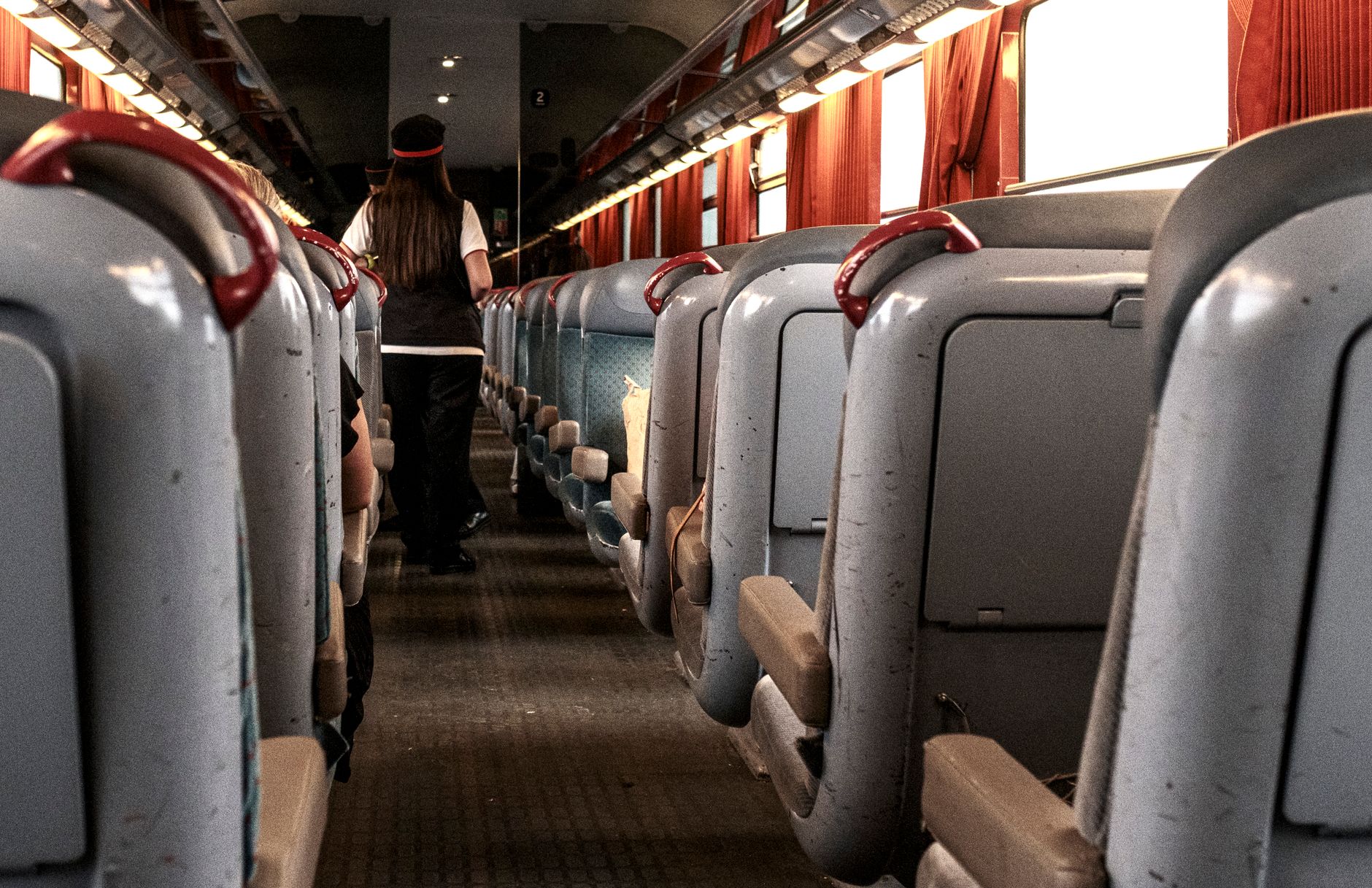
Vehicle selection for South Central group travel starts with the roster, luggage count, equipment dimensions, and number of operating days. A full-size motor coach provides the best fit for 40 to 56 passengers, underfloor luggage, onboard restroom access, and long I-10 or I-35 legs. Smaller teams may save space and maneuver more easily with a mini coach or executive Sprinter, especially at tight school entrances and suburban sports complexes. Downtown venues such as the George R. Brown Convention Center, Caesars Superdome, and major stadium districts require advance curb and parking instructions. For large teams, multiple vehicles may be safer than filling one bus beyond practical cargo capacity.
| Vehicle | Seats | Best For | Notes |
|---|---|---|---|
| 56-passenger motor coach | 40-56 passengers | Use for varsity football, college teams, large club rosters, tournament groups, or any itinerary with substantial luggage and long highway segments. | Best long-haul comfort with underfloor bays, overhead storage, reclining seats, climate control, and commonly an onboard restroom; confirm clearance and venue staging space. |
| 32-38 passenger mini coach | 24-38 passengers | Use for smaller college teams, JV groups, club teams, coaches, or overflow passengers traveling between nearby South Central metros. | Balances coach comfort and maneuverability for regional tournaments, but cargo space is more limited and bulky equipment may require a second vehicle. |
| 24-passenger mini bus | 18-24 passengers | Use for a small team, coaching staff, airport transfer, practice shuttle, or local event movement where the bus returns to the same hotel. | Useful for short urban transfers and compact rosters, with easier access to school lots and tight venue approaches but less room for personal luggage. |
| Executive Sprinter | 8-14 passengers | Use for coaches, recruiters, administrators, a small club group, or an escort vehicle supporting a larger Sports Team Travel operation. | Fits limited luggage and light gear, handles hotel and venue circulation well, and is not a substitute for a full charter bus when equipment or passenger count rises. |
Routing, Timing, and On-the-Road Realities
The core South Central corridor is the Texas triangle, with I-35 linking Dallas Fort Worth, Waco, Austin, and San Antonio and I-10 connecting San Antonio, Houston, Beaumont, Lake Charles, Baton Rouge, and New Orleans. I-45 is common for Dallas to Houston, while US 290 can serve Austin to Houston but may not be the best choice during peak congestion or construction. Oklahoma City and Tulsa are natural extensions from North Texas, and Little Rock is a frequent eastern or northeastern connection for Arkansas tournaments and college events. Jackson, Mississippi, can be reached through Louisiana or eastern Texas depending on the starting city and venue. On multi-day runs, dispatch should calculate loaded travel, venue dwell, meal stops, hotel moves, and the empty miles required to reposition the bus.
Pickup timing must allow for school loading, parent arrivals, equipment checks, restroom stops, and traffic at the destination. For Houston, Dallas Fort Worth, Austin, and San Antonio, weekday peak traffic can materially affect a morning airport or hotel departure, while game-day congestion can delay final access to NRG Park, the Alamodome, Dickies Arena, downtown convention centers, and university campuses. New Orleans hotel and stadium approaches may require a designated bus curb, police or event instructions, and a walking plan when the closest street is restricted. Large groups should confirm bus parking or staging at the venue instead of assuming passenger drop-off equals legal parking. Driver-hour planning must account for late games, postgame loading, required rest, and next-day departures; if the schedule exceeds one driver's practical duty window, the carrier may need a second driver, a split service plan, or an overnight reset.
What This Typically Costs
South Central Sports Team Travel pricing usually reflects vehicle type, service days, mileage, and whether the bus must reposition without passengers. Operators commonly apply a one-day or multi-day minimum, with longer runs priced by a combination of daily service and distance. A Texas triangle itinerary from Dallas through Austin, San Antonio, and Houston can cost more when the schedule requires several hotel nights, venue holds, or empty deadhead miles between legs. Peak pricing is common around spring showcase tournaments, summer club events, fall football, rodeo season, bowl games, HBCU classics, and major holiday weekends. The quote should identify driver lodging, parking, tolls, fuel adjustments, cleaning, and any overnight repositioning separately. Driver gratuity is normally a customer-paid line item or a suggested percentage, and exact pricing depends on dates, vehicle availability, routing, and local operating conditions.
Frequently Asked Questions
What size charter bus works for a South Central sports team?
Most teams use a 56-passenger motor coach when athletes, coaches, and equipment travel together. A JV or varsity roster of 25 to 45 people may fit comfortably in one coach, while a larger football, marching band, or college delegation may need two or more vehicles. A 24 to 38 passenger mini coach works for smaller clubs and overflow groups. An executive Sprinter is usually better for coaches, recruiters, or a small travel party than for a full roster.
Can a charter bus carry uniforms, instruments, and sports equipment?
Yes, but the operator needs the full equipment list before assigning a vehicle. Uniform bags and personal luggage generally fit in underfloor bays on a motor coach, while bats, ball carts, coolers, folding tables, instruments, and bulky training equipment may require extra capacity. Marching bands and HBCU football groups often need multiple coaches, a separate cargo vehicle, or a trailer approved by the carrier. Wheelchairs and mobility devices should be identified in advance so the operator can assign an accessible vehicle and confirm lift clearance.
What routes are common for South Central group travel?
A common South Central loop connects Dallas Fort Worth, Austin, San Antonio, and Houston, often using I-35, I-10, US 290, or I-45 depending on the venue. Teams may continue east to Beaumont, Lake Charles, Baton Rouge, or New Orleans, or north from Dallas to Oklahoma City and Tulsa. Tournament traffic can also send groups to Round Rock Sports Center, NRG Park, the George R. Brown Convention Center, the Alamodome, Dickies Arena, or regional complexes in suburban Houston and Dallas. The route should be built around venue access rather than city-center hotel distance alone.
When should teams book a charter bus?
Sports Team Travel peaks from late winter through spring for basketball, volleyball, soccer, baseball, softball, and showcase tournaments. Summer brings club tournaments, camps, rodeo-related travel, and college recruiting events. Fall schedules add football, marching band trips, HBCU homecomings and classics, and school rivalry games. Thanksgiving weekend can tighten availability around the Bayou Classic at Caesars Superdome in New Orleans, while bowl season increases demand in Dallas, Houston, and New Orleans. Reserve early when several teams are traveling to the same tournament complex.
How do you manage travel for a large team with several buses?
A multi-vehicle plan starts with a passenger manifest, equipment inventory, hotel list, venue schedule, and a single operations contact. Vehicles should be assigned by roster, equipment load, accessibility needs, and departure location rather than split randomly. Each motor coach needs its own driver plan, parking instructions, emergency contact, and pickup window. For a large group, staggered departures can reduce curb congestion at schools, hotels, convention centers, and stadiums. A lead vehicle and sweep vehicle can help keep teams together on long I-10 or I-35 movements.
How are driver hours handled on long South Central trips?
Drivers plan service around legal hours, required breaks, traffic, and the team's actual loading time. A route from Dallas to Houston, San Antonio to Houston, or Houston to New Orleans may look straightforward on a map but can lose significant time to urban congestion, construction, weather, or venue queues. Multi-day trips normally require driver lodging near the overnight stop and a clear distinction between active service and driver rest. If the team needs early-morning departures after a late game, the carrier may need a second driver or a revised itinerary. The quote should show realistic pickup and release times rather than only game start times.
What information is needed to book Sports Team Travel?
Give US Bus Trips the travel dates, pickup address, headcount, school or club name, complete itinerary, venue addresses, equipment details, accessibility requirements, and hotel locations. Include game times, practices, meals, planned stops, and whether the bus must remain with the group between events. A typical quote turnaround is within 4 business hours when the information is complete and vehicles are available. Confirmation should identify the vehicle class, passenger capacity, pickup instructions, driver contact process, cancellation terms, and known parking or lodging assumptions. Contact US Bus Trips by phone or through its online trip request channel to review the operating plan before booking.
How to Book
Start with the dates, pickup address, passenger count, team or school name, destination venues, hotel locations, and a complete game or tournament schedule. Add the equipment list, including uniforms, instruments, coolers, wheelchairs, ball carts, and other oversized gear, plus requested stops and accessibility needs. US Bus Trips typically returns a quote within 4 business hours when the itinerary is complete, subject to availability and route complexity. The confirmation identifies the vehicle class, capacity, pickup plan, operating assumptions, driver contact process, and known parking or lodging requirements.
Related Trips You Might Also Consider
- Santa Ana, CA to Los Angeles, CA
- Saint Paul, MN to Milwaukee, WI
- Nashville, TN to Memphis, TN
- Dance Competition — Mid-Atlantic Region
- Omaha, NE to Kansas City, MO
- Arches — 56-Passenger Motor Coach
- Cross-Country Charter Bus Overview
- All Group Tour Destinations
- See the Full Fleet (Sprinters through 56-pax coaches)
- Get a Free Quote in 60 Seconds