
US Bus Trips books Sports Team Travel for JV and varsity programs, college teams, club organizations, showcase groups, and bowl-game travelers across the Northeast.
Overview
Sports Team Travel in the Northeast typically means a school, college, club, or tournament group moving between several facilities over one or more days. A varsity soccer or field hockey team may leave Boston for Worcester, Hartford, New Haven, and Providence, while a college basketball team may connect campus hotels with arenas in Albany, Newark, Philadelphia, or New York City. Showcase organizers commonly need repeated shuttles between hotels, fields, and airports rather than one direct transfer. Bowl-game travel can involve a larger support party, pep staff, instruments, and extended hotel stays. The group often includes athletes, coaches, trainers, administrators, parents, and equipment staff, so the passenger count must be separated from the roster. A charter bus keeps the team together, but dispatch still needs a precise manifest and equipment count.
The Northeast has dense metro areas and limited curb space, so an address alone is not a complete pickup plan. Boston-area assignments may involve campus streets, hotel loading lanes, Gillette Stadium, Fenway Park, or facilities around Worcester and Lowell. Connecticut and Rhode Island routes frequently connect Hartford, New Haven, Bridgeport, Providence, and Foxborough, with I-84, I-91, I-95, and the Massachusetts Turnpike carrying much of the movement. New York and New Jersey trips may involve MetLife Stadium, Yankee Stadium, Barclays Center, Rutgers, Princeton, or Long Island fields, where buses may unload and then relocate. Pennsylvania travel often centers on Philadelphia, the Wells Fargo Center, Lincoln Financial Field, Allentown, Lancaster, Harrisburg, or State College. New Hampshire, Vermont, and Maine assignments commonly use Manchester, Burlington, Concord, Portland, Bangor, and college campuses where winter weather and limited bus staging can affect timing.
Equipment changes the vehicle decision as much as headcount. Football needs helmets, shoulder pads, trunks, coolers, and medical supplies; hockey requires bulky bags and sticks; lacrosse, baseball, softball, and field sports bring bins, bats, nets, tents, and recovery gear. A school traveling with a band or pep group may add instruments that need protected storage rather than being stacked under ordinary luggage. Wheelchairs, walkers, and other mobility equipment should be declared before dispatch so the carrier can confirm lift access and safe storage. For 40 to 55 travelers, a full-size motor coach normally offers the best balance of seats, underfloor bays, and onboard comfort. Large programs may need two or more buses divided by roster, staff, equipment, or venue schedule, with one operations contact coordinating every movement.
Fleet Options
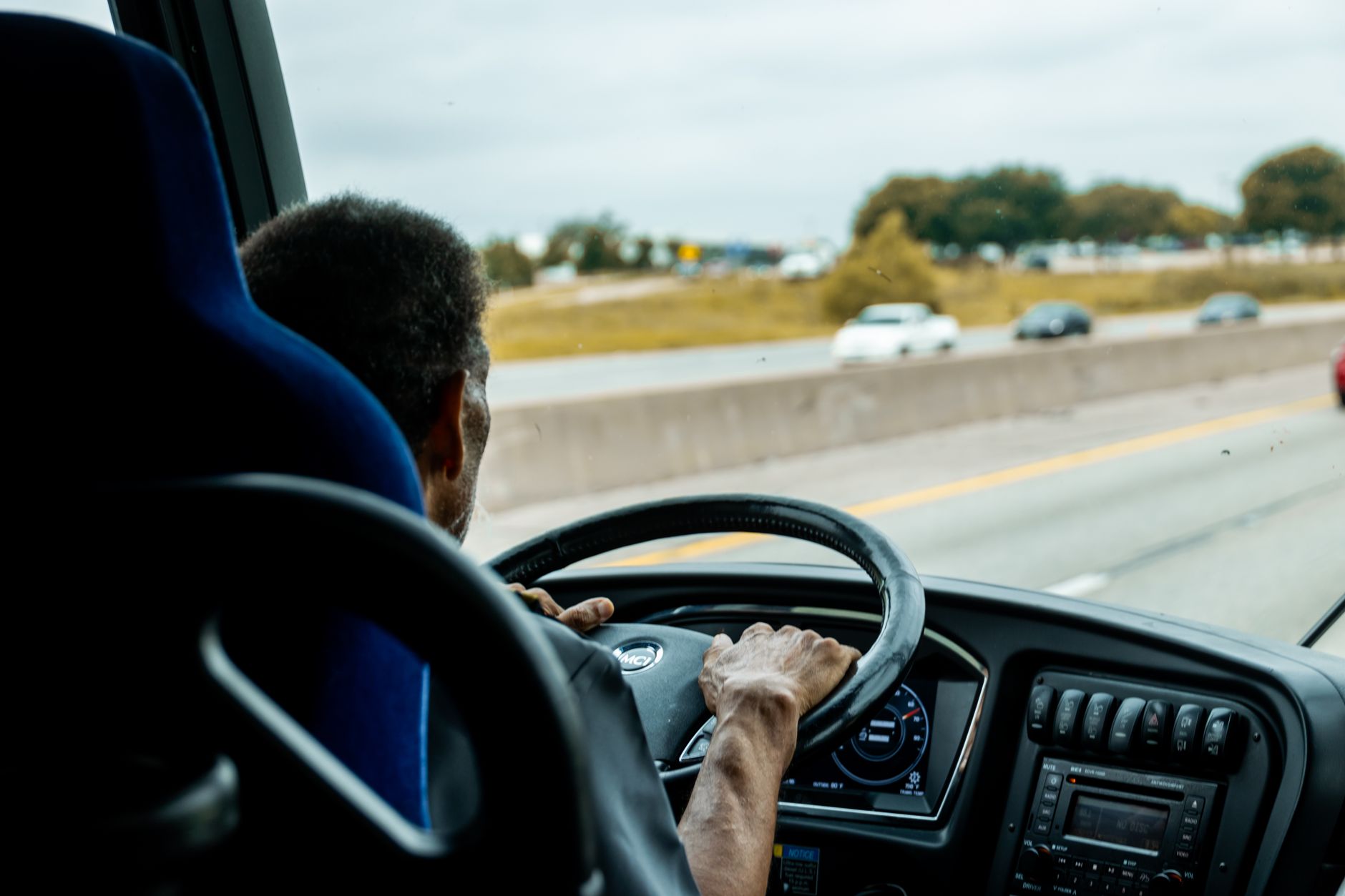
Vehicle selection for Northeast Sports Team Travel starts with the roster, staff count, equipment cube, and number of daily stops rather than seats alone. A charter bus or motor coach is usually the best fit for full teams because underfloor bays keep uniforms and gear out of the passenger aisle. Mini coaches and mini buses work well for smaller club, JV, or showcase groups, especially where Boston, New York, or Philadelphia streets make large-vehicle access difficult. Executive Sprinters suit coaches, recruiters, or small travel parties but offer limited room for bulky equipment. The dispatch plan should also confirm hotel access, venue bus parking, wheelchair needs, and whether the vehicle must remain on standby between games.
| Vehicle | Seats | Best For | Notes |
|---|---|---|---|
| Full-size motor coach | 40-56 passengers | Use for varsity, college, bowl, or tournament groups traveling between multiple Northeast cities with substantial equipment. | Best cargo capacity and onboard comfort for uniforms, coolers, medical supplies, and multi-day bags, but requires planned access and bus parking at dense urban venues. |
| Mini coach | 24-35 passengers | Use for JV teams, smaller college squads, club rosters, or split movements between nearby venues. | Provides coach-style seating and moderate luggage space with a smaller footprint for campus roads, hotel drives, and tighter loading zones. |
| Mini bus | 18-28 passengers | Use for local tournament shuttles, practice transfers, or smaller groups moving within one metro area. | Useful for short regional legs and shuttle work, though cargo capacity is limited and bulky gear may require a second vehicle or careful packing. |
| Executive Sprinter | 8-14 passengers | Use for coaches, recruiters, small club groups, or support staff traveling separately from the main team. | Easy to stage at hotels and urban pickup points, with comfortable seating for staff or small groups but little room for helmets, pads, sticks, or large luggage. |
Routing, Timing, and On-the-Road Realities
Northeast group travel is shaped by I-95, I-90, I-84, I-91, I-93, the New Jersey Turnpike, the Pennsylvania Turnpike, the Garden State Parkway, and connecting state routes. Boston to Providence or Hartford may be a manageable regional leg, but adding New Haven, Stamford, New York City, Newark, and Philadelphia can turn a short-distance loop into a full operating day. Tolls should be expected on many practical routes, and traffic can build before weekday commuting periods, Friday departures, Sunday returns, holiday weekends, and major games. For Boston, New York, Newark, and Philadelphia, pickup timing should allow for hotel loading, security checks, curb restrictions, and a possible walk from a designated bus area. A team leaving after a late game should not be scheduled against an optimistic map estimate because postgame loading is slow when athletes and gear exit together. The itinerary should show every stop, wait period, and expected departure instead of listing only the first pickup and final destination.
Venue access is part of the route plan, especially at MetLife Stadium, Yankee Stadium, Barclays Center, Gillette Stadium, Rentschler Field, the Wells Fargo Center, Lincoln Financial Field, and major college campuses. Some facilities direct motor coaches to remote lots or specific gates, while others allow a brief unload and require the driver to park elsewhere. A bus may need to approach from a particular entrance because low clearances, one-way campus roads, construction, or event traffic can block the usual navigation route. For multi-day trips through New England, New York, New Jersey, and Pennsylvania, dispatch should schedule the overnight location near the next day's first movement rather than simply choosing the cheapest hotel. Passenger-carrier rules require careful attention to driver hours; federal guidance generally sets a 10-hour driving limit after 8 hours off duty and a 15-hour on-duty limit, so relief drivers or overnight breaks may be needed. Snow, coastal storms, lake-effect weather near western New York, and mountain conditions around Vermont, New Hampshire, and Pennsylvania can add further time.
What This Typically Costs
Northeast Sports Team Travel pricing usually combines a vehicle day rate or daily minimum with mileage, tolls, parking, and any required overnight positioning. Short city-to-city moves can still price as a full service day because the motor coach and driver remain committed through practices, games, and return windows. Multi-day loops may add deadhead miles when the vehicle must reach the first pickup or reposition between New England and New York or Pennsylvania. Driver lodging is commonly itemized when the itinerary requires an overnight, and a second driver may be needed when driving, duty time, or turnaround demands exceed one driver's legal schedule. Passenger-carrier rules generally limit driving to 10 hours after 8 hours off duty and prohibit driving after 15 hours on duty, so tight game-day schedules need realistic buffers. Common additional line items include tolls, venue parking, fuel adjustments, driver gratuity, extra stops, and equipment handling, with seasonal peaks during fall football, winter tournaments, spring showcases, and graduation periods.
Frequently Asked Questions
What size charter bus does a Northeast sports team usually need?
Most youth and college teams use a charter bus or motor coach when the roster, coaches, trainers, and equipment total roughly 30 to 55 travelers. A motor coach provides underfloor luggage space for uniforms, balls, coolers, medical kits, and personal bags while keeping the group together on I-95 or I-90. Smaller club teams may fit a mini coach or executive Sprinter, but cargo volume must be checked before choosing seats over storage. A final roster and equipment list prevent a vehicle that technically seats everyone from becoming operationally overloaded.
What cities and corridors are common for Northeast sports team travel?
Common Northeast group travel patterns connect Boston, Worcester, Providence, Hartford, New Haven, New York City, Newark, Philadelphia, Albany, and Syracuse. Teams may run a weekend loop from Boston to Hartford and New Haven, continue to Long Island or northern New Jersey, then return through Connecticut. Pennsylvania trips often use I-78, I-80, I-276, or I-95 for Philadelphia, Allentown, Harrisburg, and State College events. New England teams also travel north toward Manchester, Burlington, Portland, or Bangor for showcases and conference play.
How does tight urban parking affect team bus pickups?
Boston pickup plans should identify a legal curb location because hotel driveways, campus roads, and downtown loading areas can be restricted. In New York City, Newark, Philadelphia, and Cambridge, the coach may need a prearranged bus stop, permit, or venue-directed staging location rather than an ordinary street address. Large athletic complexes such as Gillette Stadium, MetLife Stadium, Yankee Stadium, Barclays Center, the Wells Fargo Center, and Rentschler Field have different bus circulation and unloading procedures. The itinerary should separate passenger unloading from long-term parking because a motor coach may not be able to remain at the curb.
Can a charter bus carry sports equipment and wheelchairs?
Sports teams often travel with uniforms, helmets, pads, sticks, bats, balls, nets, training tables, coolers, and recovery equipment. Instruments may also be present when a school team combines athletic travel with a band or pep ensemble, and they require protection from being crushed by ordinary luggage. Wheelchairs, walkers, or other mobility equipment should be declared before assignment so the carrier can confirm lift access, storage, and loading procedures. Oversized cargo may require a larger charter bus, a second vehicle, or a separate support trailer depending on the carrier and venue.
When are charter buses busiest for Northeast sports teams?
Fall is the main period for football, soccer, field hockey, and cross-country travel, with heavy demand around Friday night and Saturday schedules. Winter brings basketball, hockey, wrestling, indoor track, and club tournament traffic, especially around Boston, Providence, Hartford, Albany, Newark, and Philadelphia. Spring increases demand for baseball, softball, lacrosse, rowing, and showcase events from New England through Pennsylvania. Bowl games and postseason travel can create longer multi-day assignments, while graduation weekends and holiday tournaments reduce vehicle availability across the Northeast.
How are large teams handled when one bus is not enough?
A single motor coach may be sufficient for a roster of 40 to 55, but larger programs often need multiple vehicles split by team, coaching staff, or equipment load. Dispatch should assign one lead contact, consistent vehicle numbering, and a shared manifest so players do not board the wrong bus after a game. For two or more coaches, staggered loading zones and radio or phone coordination matter at venues with limited curb space. A spare vehicle or local shuttle can be useful when teams play at separate fields or when one group must move to a hotel while another remains at the venue.
How are driver hours planned on a multi-city Northeast loop?
Passenger-carrier scheduling must account for the driver's driving limit, on-duty window, required off-duty period, and time spent waiting at practices or games. Federal guidance generally allows up to 10 hours of driving after 8 consecutive hours off duty and bars driving after 15 hours on duty, subject to applicable exceptions. A Boston to New York to Philadelphia loop may look short on a map but become a long duty day after hotel loading, toll delays, venue circulation, and postgame departure. Building in relief drivers, an overnight stop, or a split itinerary is safer than assuming highway distance equals operating time.
How to Book
To book Northeast Sports Team Travel, have the dates, pickup address, destination venues, headcount, coach and staff count, equipment list, wheelchair requirements, hotel details, and complete game or practice itinerary ready. Include whether the bus must remain on standby, whether multiple teams need separate vehicles, and where a coach can legally load at each venue. US Bus Trips typically returns a realistic quote within 4 business hours, subject to route review and carrier availability. Confirmation should identify the assigned vehicle type, pickup and drop-off points, timing, major inclusions, toll and parking handling, driver plan, and dispatch contact; reach us with the itinerary even if some details are still being finalized.
Related Trips You Might Also Consider
- Government Agency Shuttle — Southeast Region
- Oakland, CA to San Jose, CA
- San Antonio Riverwalk — 56-Passenger Motor Coach
- DC Monuments — 14-Passenger Sprinter
- Columbus, OH to Cincinnati, OH
- Minneapolis, MN to Milwaukee, WI
- Cross-Country Charter Bus Overview
- All Group Tour Destinations
- See the Full Fleet (Sprinters through 56-pax coaches)
- Get a Free Quote in 60 Seconds