
A Grand Canyon group tour on a 56-Passenger Motor Coach works best when the itinerary is built like an actual road move, not a sightseeing wish list.
Overview
For a Grand Canyon group tour, the most common customer is a church group, alumni club, senior travel group, school, or corporate offsite that wants one motor coach and no split travel. The 56-Passenger Motor Coach is a strong fit because it keeps the same riders together from the origin city all the way to the rim and back. On these trips, baggage volume matters almost as much as seat count, because a multi-day move usually means rollaboards, coolers, jackets, camera bags, and souvenirs by the time the group heads home. The best operations are built around real highway corridors like I-40 into Williams, U.S. 180 from Flagstaff, and the Tusayan approach into the South Rim. Those corridors matter because they determine fuel stops, meal timing, and whether the coach reaches the park gate with enough time left in the duty day. For a Grand Canyon group tour, the coach should be treated as both transportation and mobile storage, not just a seat platform.
A realistic Grand Canyon multi-day plan usually starts with one long travel day and one or two in-park days. Day 1 often runs from the home market to northern Arizona, with a lunch stop en route, then an overnight in Flagstaff, Williams, or Tusayan depending on where the group can stage cleanly. Day 2 is usually the first true Grand Canyon day, with the South Rim visitor area, Mather Point, the shuttle loop, and a paced lunch break rather than a full free-for-all on the rim. Day 3 or Day 4 can absorb Desert View Drive, time at Grand Canyon Village, and any optional stops in Sedona or along Route 66 if the schedule allows. That structure works because the park does not reward improvisation, especially with a 56-Passenger Motor Coach that needs parking and loading space. The group tour only feels relaxed when the driver plan, parking plan, and hotel plan are already locked.
The typical customer for a Grand Canyon motor coach move wants one clean invoice and one operational point of contact, not a stack of local shuttles and separate car rentals. That is why a 56-Passenger Motor Coach remains the standard for a multi-day group tour: it has the road manners for long interstate runs and the storage needed for a loaded travel group. It also fits the reality of the Grand Canyon market, where the South Rim village, nearby lodges, and visitor-center lots can become congested at predictable times. On busy weeks, the parking pressure is driven by sunrise arrivals, midday visitor surges, and sunset returns from viewpoints. A good operations plan assumes the coach may be staged away from the busiest pedestrian zones and reintroduced only when the group is ready to move. That is the difference between a workable Grand Canyon group tour and a bus sitting in the wrong place for an hour.
Fleet Options
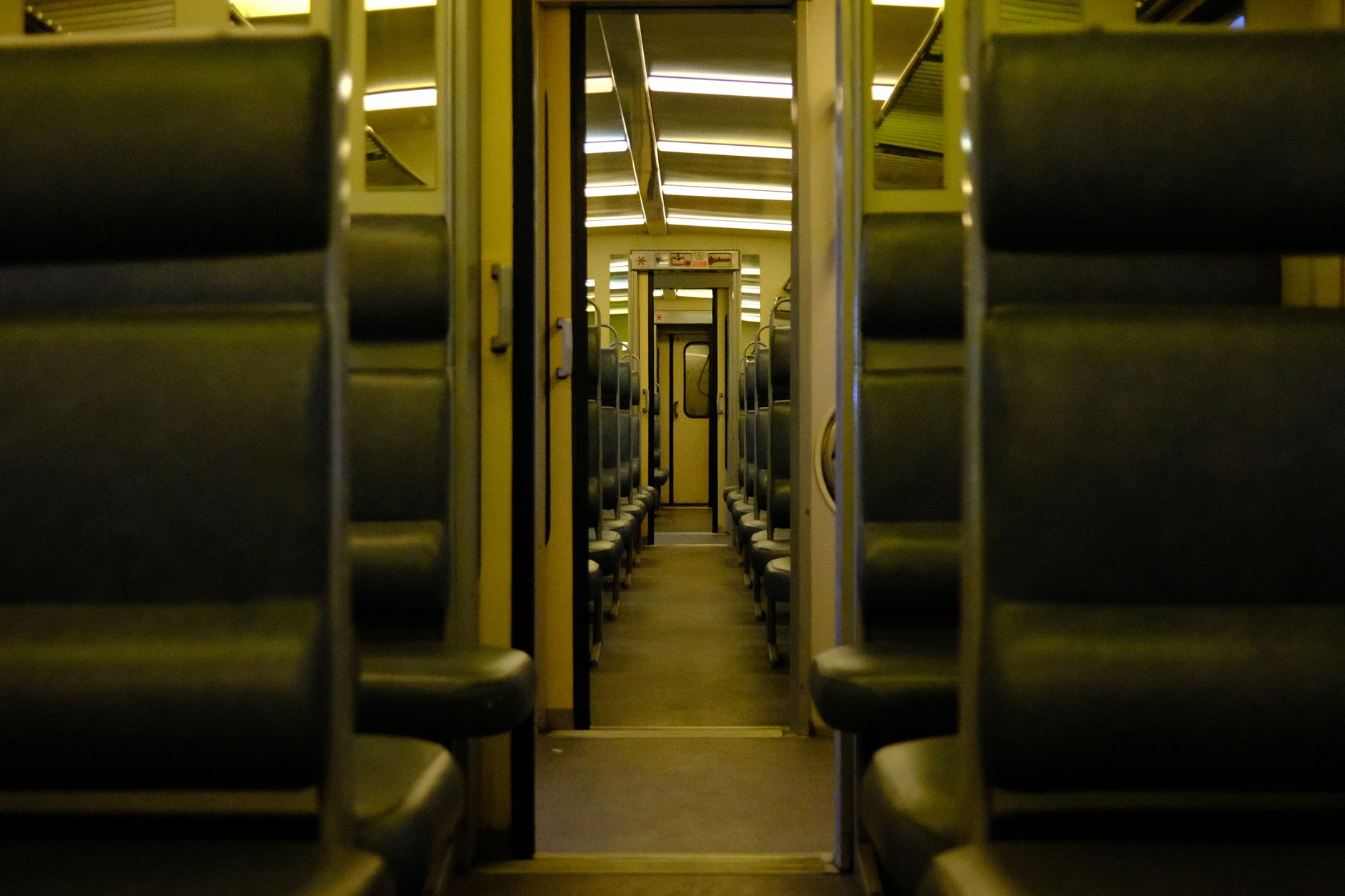
For a Grand Canyon multi-day run, the main question is not just seat count but how the group wants to live on the bus for several days. A 56-Passenger Motor Coach is the standard answer for a full group because it keeps everyone together, handles luggage in underfloor bays, and gives enough comfort for long highway miles between home, Flagstaff, Williams, Tusayan, and the South Rim. It also fits better than a larger coach in tight lodge corridors and bus parking areas that can get crowded near the Village and visitor center. If the group is carrying heavy bags, coolers, or camera gear, the luggage bay space matters more than people usually expect on a multi-day tour.
| Vehicle | Seats | Best For | Notes |
|---|---|---|---|
| 56-Passenger Motor Coach | 52-56 | Use this when the entire group wants to ride together and the trip includes highway miles, multiple overnights, and stored luggage. | Best all-around choice for a full-group Grand Canyon multi-day tour with overhead racks, restroom, and underfloor luggage bays. |
| Motor Coach with ADA lift | 48-56 | Choose this when accessibility needs outweigh the slight loss of seat count or baggage flexibility. | Useful when the roster includes riders who need step-free boarding or secure mobility-device loading. |
| Mini Coach | 24-35 | Fits smaller tour groups, scout trips, or overflow when the main motor coach would be underfilled. | Better for smaller groups that still need a restroom and luggage space but do not justify a full-size coach. |
| Executive Sprinter | 10-14 | Use this for a small planning team, guide staff, or a premium shuttle segment, not the whole Grand Canyon group tour. | Good for VIP transfers, inspection trips, or a small leadership group that needs fast, flexible point-to-point movement. |
Routing, Timing, and On-the-Road Realities
Routing into the Grand Canyon is usually easiest when the coach is brought in from the east or south with enough buffer for traffic and check-in delays. I-40 into Williams and the U.S. 180 corridor from Flagstaff are the practical workhorse approaches for a 56-Passenger Motor Coach, while the South Rim approach through Tusayan is the final pinch point when the park gets busy. Pickup timing matters because a late morning or early afternoon arrival can run straight into parking congestion, tour buses already staged, and limited loading windows. For a group tour, the cleanest move is often an early departure from the overnight city so the coach arrives before the heaviest visitor wave. That gives the driver a better shot at a legal break and gives the group a more predictable first stop. A multi-day trip should be mapped with the driver's duty clock in mind before anyone starts talking about extra scenic detours.
Inside the park, the timing plan matters as much as the route. The South Rim visitor center, village corridor, and shuttle stops are not built for a motor coach to circle endlessly, so the bus should usually drop, stage, or park, then return at a set time for pickup. Parking and loading need to be matched to the actual stop because commercial vehicle rules are tighter around certain lots and roadway segments. Grand Canyon Village traffic can back up during peak daylight hours, so a midmorning or midafternoon arrival is often easier than a noon pulse. On a multi-day group tour, the driver's rest window, meal break, and overnight stop need to be aligned with the distance between the lodge corridor and the park gate. If the group wants sunrise and sunset viewpoints plus a full rim day, the itinerary usually needs an overnight close enough to avoid an exhausted pre-dawn deadhead. That is why Tusayan, Williams, and Flagstaff keep showing up in workable Grand Canyon motor coach plans.
What This Typically Costs
A Grand Canyon multi-day move on a 56-Passenger Motor Coach is usually priced as a charter by the day, by the mile, and by deadhead from the origin city to the first pickup point. In most markets, the bill also reflects lodging and meals for the driver on overnight runs, seasonal demand, and any standby time while the group is in the park. Long deadhead distances into northern Arizona can move the price more than the in-park driving itself, because the coach may be staged for multiple days while the group stays on site. Summer and holiday weeks often run higher, while shoulder-season trips can be easier to quote if dates are flexible. Expect separate line items or adjustments for fuel, parking, toll exposure where applicable, and driver gratuity if the client wants it handled up front.
Frequently Asked Questions
What does a 56-Passenger Motor Coach fit well?
For a Grand Canyon group tour, a 56-Passenger Motor Coach is the right fit when the whole group wants to travel together with one vehicle, one driver, and enough space for checked bags and carry-ons. It works best for schools, clubs, churches, corporate groups, and multiday sightseeing groups that do not want split vehicles. The coach is the workhorse of long-haul group travel, with reclining seats, overhead storage, a restroom, DVD and USB capability, and underfloor luggage bays. That makes it a strong choice for a multi-day tour where the same passengers stay on the same bus for the entire run.
When is the best time to visit the Grand Canyon by motor coach?
The best months are usually spring and fall, when daytime temperatures are more workable and the South Rim is less punishing for long walking stops. Late April through early June and September through October are the most practical windows for a multi-day Grand Canyon group tour. Summer still works, but heat, crowds, and tighter parking windows make operations less forgiving. Winter can be scenic and quieter, but snow, icy roads, and sudden closures can affect a motor coach schedule.
What is a realistic sample itinerary for a Grand Canyon group tour?
A realistic multi-day itinerary usually starts with a long travel day to northern Arizona, often ending in Flagstaff, Williams, or Tusayan rather than forcing a same-day arrival at the rim. Day 1 is often highway mileage, a meal stop, and an overnight near the corridor that feeds the park. Days 2 and 3 are the in-park days, with a South Rim shuttle loop, Mather Point, Grand Canyon Visitor Center, Market Plaza, Bright Angel area, and sunset or sunrise stops built around parking and shuttle timing. If the group is also doing Sedona, Cameron, Desert View Drive, or a lunch stop in Williams on Route 66, those are usually slotted around the 56-Passenger Motor Coach's duty window and the park's parking realities.
Do buses need permits or special parking arrangements at Grand Canyon?
Grand Canyon operations for a 56-Passenger Motor Coach are not a casual curbside drop-off situation. At South Rim, larger commercial vehicles need to use designated parking areas and loading zones, and commercial vehicles over 22 feet face specific restrictions in some lots and areas. The park also uses shuttle-based circulation, so bus parking and passenger transfer plans matter more than at a normal hotel or attraction. A group tour should assume that parking, loading, and unloading need to be preplanned by stop, not improvised on arrival.
Where should the bus stage overnight near the Grand Canyon?
The South Rim uses visitor-center and village parking plus shuttle connections, so staging usually works best at a lodge corridor in Tusayan, Williams, or Flagstaff rather than trying to keep a 56-Passenger Motor Coach circulating inside the park all day. For a multi-day group tour, it is common to drop the coach, stage it at the hotel or a designated bus area, and let the group ride shuttles or walk the rim while the driver rests. That approach reduces parking friction and keeps the motor coach from spending hours idling through congested village traffic. It also helps if the itinerary includes early sunrise departures, because the coach can roll in once the group is ready rather than hunting for space during peak visitor flow.
How do driver hours affect a Grand Canyon motor coach trip?
Passenger-carrying drivers are limited to 10 hours of driving after 8 consecutive hours off duty, and they may not drive after 15 hours on duty following that rest period. The weekly cap is 60 hours in 7 days or 70 hours in 8 days depending on carrier schedule. For a Grand Canyon multi-day trip, that means the itinerary has to be built around actual road time, meal stops, and overnight rest, not just the direct map distance. A long westbound or eastbound motor coach move often requires a second driver or an extra overnight if the origin is far from Arizona.
What are the main cost components for a Grand Canyon bus charter?
Cost is driven by a daily charter rate, mileage, deadhead, and the number of overnights the bus and driver are tied up. A Grand Canyon group tour often gets more expensive when the origin is far away, because deadhead miles can be a major share of the total. Seasonality matters too, since spring break, summer, and holiday periods usually tighten availability and push pricing up. Driver hotel nights, parking, fuel adjustments, and any standby time while the group is in the park commonly show up as separate or embedded charges.
How to Book
To quote a Grand Canyon group tour, have the dates, pickup address, headcount, luggage count, overnight stops, and any side trips ready before you ask. A realistic quote usually comes back within 4 business hours once the route, the number of days, and the deadhead situation are clear. The confirmation should spell out vehicle type, estimated mileage, driver hotel responsibility, parking assumptions, and any staging notes for the South Rim corridor. Send the trip details through the booking request and include a direct phone number so dispatch can tighten up the plan if the park routing needs to change.
Related Trips You Might Also Consider
- Great Smoky Mountains — 36-Passenger Mini Coach
- Tampa, FL to Miami, FL
- Church Retreat — Pacific Northwest Region
- Mesa, AZ to Sedona, AZ
- Tulsa, OK to Oklahoma City, OK
- Hershey — 36-Passenger Mini Coach
- Cross-Country Charter Bus Overview
- All Group Trip Types
- See the Full Fleet (Sprinters through 56-pax coaches)
- Get a Free Quote in 60 Seconds