
US Bus Trips arranges charter bus and motor coach transportation for youth group retreats, women's and men's ministry weekends, mission trips, and church camp shuttles across the Pacific Northwest.
Overview
Pacific Northwest Church Retreat transportation usually serves churches, youth ministries, denominational districts, campus ministries, and nonprofit mission teams rather than ordinary sightseeing groups. A typical movement may start at a church in Seattle, Bellevue, Everett, Tacoma, Portland, Vancouver, Salem, Eugene, Anchorage, or another regional hub and end at a camp or conference center outside the metro area. Western Washington examples include Black Diamond Camp in Auburn, Cascades Camp and Conference Center, Lake Whatcom-area facilities near Bellingham, and retreat sites near the Cascades or Mount Rainier. Oregon groups often use Cannon Beach, Lincoln City, Rockaway Beach, Salem, Eugene, the Columbia Gorge, and inland camp properties near Estacada or Central Oregon. Alaska work is more schedule-driven, with Anchorage transfers and coach operations tied to cruise calls or ministry itineraries in Juneau, Ketchikan, Skagway, Sitka, Haines, and nearby ports.
Group size changes the operating plan quickly. A small women's or men's ministry weekend may need one executive Sprinter or mini bus, while a youth retreat commonly runs 30 to 55 passengers with duffels, sleeping bags, instruments, and food coolers. Larger churches and combined congregations may move 80 to 200 people in multiple motor coaches, sometimes with a separate accessible vehicle or gear support unit. Mission trips add tools, work uniforms, donated materials, and personal baggage, so a seat count alone is not enough to select the charter bus. Ask whether guitars, keyboards, drums, marching uniforms, sports equipment, or folding wheelchairs will occupy the lower bays or passenger space. For multi-vehicle group travel, assign one lead contact, number each bus, set a common radio or phone procedure, and create a loading order that keeps youth, leaders, medication, and equipment together.
The calendar is concentrated around summer camp sessions, spring break mission trips, Easter and fall ministry weekends, and university or denominational retreat calendars. Friday afternoon departures from Seattle, Tacoma, Portland, or Vancouver can lose time on I-5 before the group reaches a camp road or ferry terminal. Summer traffic also affects US 101, the Oregon Coast, Snoqualmie Pass, Mount Rainier approaches, and routes toward Leavenworth or Ellensburg. Puget Sound itineraries need ferry planning well in advance, while Alaska cruise-shore work must match fixed ship arrival and all-aboard times. Drivers also need realistic meal, rest, fueling, and lodging plans when a Church Retreat spans multiple states. The best booking packet includes the real pickup address, not just a church name, because bus access and staging can differ by campus, parking lot, and neighborhood street.
Fleet Options
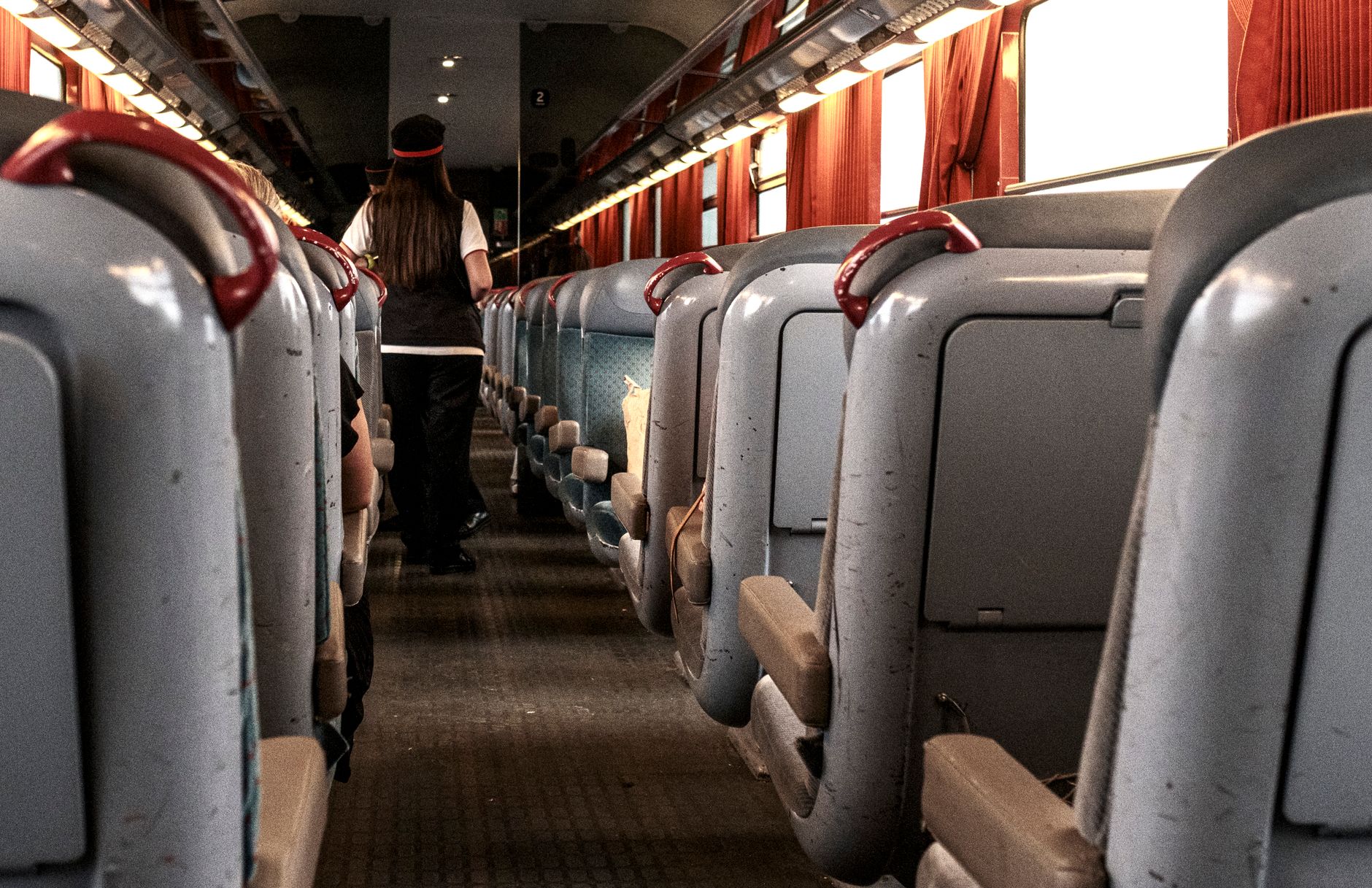
Vehicle selection starts with the passenger count, but luggage and road access often decide the final assignment. A charter bus with underfloor bays suits large youth groups carrying duffels, instruments, uniforms, and camp equipment over the I-5 spine or across mountain passes. A smaller motor coach or mini coach is easier at church lots, coastal lodges, ferry terminals, and retreat roads with tight turns or limited parking. For multi-day group travel, prioritize reclining seats, climate control, restroom availability where appropriate, and enough bay capacity to avoid blocking the aisle.
| Vehicle | Seats | Best For | Notes |
|---|---|---|---|
| Executive Sprinter | 8-14 passengers | Use for a pastor or leadership team, small mission crew, or short local transfer with light luggage. | Best street fit for church shuttles, airport transfers, and small ministry teams, but interior luggage space is limited and bulky camp gear may require a second vehicle. |
| Mini bus | 18-28 passengers | Use for a small Church Retreat, women's or men's ministry weekend, or church camp shuttle between nearby lodging and a venue. | A practical choice for urban pickup circuits and narrow retreat access roads, with moderate luggage space but less cargo capacity than a full-size coach. |
| Mini coach | 30-38 passengers | Use for a medium-size youth group, mission team, or regional group travel itinerary that does not fill a full motor coach. | Balances highway comfort, maneuverability, and luggage capacity for coastal roads, ferry approaches, and retreat centers with constrained parking. |
| Full-size motor coach | 40-56 passengers | Use for large youth retreats, combined congregations, summer camp movements, or multi-vehicle programs requiring consistent highway equipment. | Provides the strongest passenger comfort and underfloor storage for long I-5 runs, mountain routes, instruments, uniforms, wheelchairs, and multi-day baggage. |
Routing, Timing, and On-the-Road Realities
The primary Pacific Northwest group travel corridor is I-5 between Seattle, Tacoma, Olympia, Portland, Vancouver, Salem, and Eugene. Departures from Seattle or Tacoma should generally avoid the weekday peak and Friday afternoon congestion, while Portland-area groups need time for I-5 bridges, downtown hotel access, and event traffic. Coastal runs to Cannon Beach, Seaside, Lincoln City, Newport, or Rockaway Beach often use US 26, US 101, or Oregon 18 and require extra margin for weekend recreation traffic and limited coach parking. Mountain routes to camps near Mount Rainier, Snoqualmie Pass, Cle Elum, Leavenworth, or Ellensburg can change with snow, chain requirements, construction, and low-speed approaches. Confirm whether the destination has a turnaround large enough for a full motor coach; some retreat roads require a designated unload point and a short shuttle. A dispatcher should build the schedule around actual loading, rest, fuel, and venue access time rather than promising a map-app arrival time.
Puget Sound ferry work needs a separate operating plan for terminals at destinations such as Bainbridge Island, Bremerton, Kingston, Clinton, or Anacortes. Vehicle reservations, oversized-bus requirements, terminal staging, and sailing availability must be checked for the exact bus and date; a form or eligibility request does not automatically guarantee boarding. Keep the group together at the terminal, protect the sailing window with an early arrival, and confirm whether the coach remains with the passengers or is repositioned separately. Alaska assignments require the same precision: Anchorage airport or hotel pickups, cruise-terminal transfers, and shore excursions in Juneau, Ketchikan, Skagway, Sitka, Haines, or Icy Strait Point operate against fixed ship schedules. For multi-day work, driver-hours planning includes the return leg, overnight location, ferry delays, and whether a second driver or relief plan is needed. Large Church Retreat movements should use staggered pickup windows, a shared manifest, separate bus captains, and a prearranged parking or unloading location at the camp.
What This Typically Costs
Pacific Northwest Church Retreat transportation is usually priced around a daily minimum, then adjusted for mileage, service hours, vehicle class, and the number of operating days. A short local shuttle may price hourly, while a Seattle to Portland or Seattle to the Oregon Coast run commonly carries a one-day or multi-day minimum. Summer camp season, holiday weekends, cruise dates, and major Seattle, Portland, Anchorage, or Tacoma events can tighten availability and raise market pricing. Deadhead miles from the assigned vehicle's home base, ferry positioning, mountain-route delays, and empty returns can materially affect the quote. Multi-day work may include driver lodging, parking, ferry charges, tolls, and meals or per diem as separate line items. Fuel adjustments may apply when diesel prices change, and driver gratuity is normally planned separately rather than assumed in the base rate.
Frequently Asked Questions
How far ahead should a Pacific Northwest church group book a charter bus?
Most groups should reserve transportation several months ahead for June through August camp dates, holiday weekends, and Alaska cruise-season work. A Church Retreat in shoulder season may have more flexibility, but rural camp access still limits the available fleet. Send the pickup city, camp address, headcount, luggage estimate, and full schedule before requesting a quote. For ferry crossings, provide the sailing window early because a bus reservation or oversized-vehicle process may be separate from the passenger booking.
What size charter bus fits a church retreat group?
A 24 to 35 passenger mini coach often fits a women's or men's ministry weekend, small mission crew, or local church camp shuttle. It provides more luggage capacity and highway comfort than a van while remaining easier to place at retreat centers and hotel lots. A 40 to 56 passenger motor coach is usually better for youth groups, summer camps, and combined congregations traveling along I-5. The correct choice depends on whether instruments, coolers, mobility equipment, or sleeping bags will use the underfloor bays.
What routes are common for Pacific Northwest church retreats?
The Seattle to Tacoma to Olympia to Portland I-5 corridor is the most common Pacific Northwest group travel spine. Other recurring patterns include Seattle or Everett to Bellingham and Whatcom County, Portland to the Oregon Coast, and Puget Sound to Cascade or Mount Rainier-area camps. Groups also run east across Snoqualmie Pass to Ellensburg, Cle Elum, and Leavenworth, or south from Portland toward Salem and Eugene. Mountain weather, construction, and weekend recreation traffic require more schedule margin than a simple map estimate suggests.
Can a motor coach take our group on a Puget Sound ferry?
Yes, but a ferry crossing must be treated as a scheduled operating segment, not a casual stop. Washington State Ferries may require vehicle reservations or an oversized-vehicle review depending on the route, bus dimensions, and current rules; an approval request is not necessarily a sailing reservation. The group should arrive with all passengers loaded, bags secured, and the driver holding the required vehicle information before the terminal cutoff. Friday afternoons, summer weekends, and holidays are especially sensitive for Puget Sound crossings.
How should we plan cargo for a church mission trip?
Mission trips usually need more than passenger seating because teams carry tools, work clothing, food, bedding, and sometimes donated supplies. A full-size motor coach can handle passenger luggage in its lower bays, but bulky construction materials, large coolers, and palletized cargo may require a support vehicle or cargo trailer subject to carrier approval. A manifest and approximate bag count help determine whether seats or bay space will be the limiting factor. For cross-border or remote work, confirm passports, site access, fuel stops, lodging, and emergency contact procedures before dispatch.
Can you arrange accessible transportation for a church camp?
Wheelchair access must be requested before the vehicle is assigned because not every charter bus or mini coach has a lift. Provide the number of mobility devices, their folded or occupied dimensions, and whether passengers remain seated during loading. The operator also needs enough curb space at the church, hotel, camp, or venue to deploy the lift safely. A group may need an accessible coach, an accessible shuttle, or a separate vehicle if the primary bus cannot accommodate the required equipment.
How does group travel work for Alaska cruise shore excursions?
Alaska assignments commonly connect Anchorage hotels, airports, churches, or mission sites with cruise terminals and shore-excursion movements in Juneau, Ketchikan, Skagway, Sitka, Haines, or Icy Strait Point. Coach availability is more constrained than in Seattle or Portland, and cruise schedules create fixed arrival and departure windows. A shore excursion may use a local motor coach for a short loop, while a ministry team may need a staged transfer with luggage handling and multiple hotel stops. Confirm the ship name, berth or terminal, passenger count, mobility needs, and exact return deadline before dispatch.
How to Book
To request a quote, have the dates, pickup address, destination or camp address, headcount, luggage and equipment estimate, accessibility needs, and complete itinerary ready. Include ferry crossings, church service times, hotel stops, venue loading instructions, and whether the group needs one bus or coordinated vehicles. US Bus Trips typically returns a quote within 4 business hours when those details are complete, subject to carrier availability and route review. The confirmation identifies the assigned vehicle class, pickup schedule, routing assumptions, included service hours, major pass-through costs, and dispatch contact information.
Related Trips You Might Also Consider
- Honolulu, HI to Kailua, HI
- Glacier National Park — 24-Passenger Mini Bus
- Veterans Group — Mountain West Region
- Las Vegas, NV to Grand Canyon, AZ
- Corporate Roadshow — Northeast Region
- Veterans Group — Southeast Region
- Cross-Country Charter Bus Overview
- All Group Tour Destinations
- See the Full Fleet (Sprinters through 56-pax coaches)
- Get a Free Quote in 60 Seconds