
US Bus Trips books this multi-day group tour for families, alumni groups, executive retreats, and small escorted tours that want one vehicle and one driver team.
Overview
A Great Smoky Mountains group tour works best when the group treats the park as a road-and-parking operation, not as a collection of drive-up attractions. The usual customers are family reunions, church groups, alumni organizations, corporate retreats, and escorted vacation programs traveling from Knoxville, Asheville, Charlotte, Nashville, Atlanta, or the Tri-Cities. A 24-Passenger Mini Bus keeps those travelers together through hotel transfers, meal stops, visitor centers, and scheduled attractions in Gatlinburg, Pigeon Forge, Townsend, and Cherokee. The vehicle is especially useful when the group wants coach-style seating but does not need the storage volume of a full motor coach. Confirm the actual vehicle length because park restrictions are based on dimensions and posted road rules, not on the sales label used for the bus. A multi-day plan should also identify who handles activity tickets, guide services, parking tags, and any commercial-use approvals.
The most workable lodging staging is usually two or three nights in Gatlinburg, Pigeon Forge, Townsend, or Cherokee, selected according to the park entrance used each day. Gatlinburg provides direct access toward Sugarlands and Newfound Gap but can add hotel congestion, pedestrian crossings, and limited coach loading space. Pigeon Forge is often easier for group hotels, restaurants, theaters, and attractions such as Dollywood or the Titanic Museum Attraction, but the drive into the park can be slower during peak periods. Townsend is a useful west-side base for Cades Cove, Wears Valley, and quieter lodging, while Cherokee supports the Oconaluftee entrance and eastern park touring. Hotels should confirm bus parking, engine-idling rules, turning space, breakfast timing, and a legal loading location before the contract is signed. For a longer multi-day group tour, placing the driver in an adjacent hotel room and keeping the bus parked overnight reduces unnecessary repositioning.
A realistic first day depends on the origin rather than the destination name alone. A Knoxville pickup can reach the Gatlinburg or Pigeon Forge staging area the same day with time for lunch and an evening attraction, while Charlotte, Nashville, Atlanta, or Asheville groups need a longer highway window and may need a lighter arrival schedule. Common first-day corridors include Interstate 40, Interstate 75, Interstate 81, Interstate 26, US 441, and the approach through Sevierville and Pigeon Forge. Inside the park, the main operating pattern is Sugarlands Visitor Center, Newfound Gap Road, Clingmans Dome's renamed Kuwohi area when open, Cades Cove, and Oconaluftee Visitor Center, with stops spaced around traffic and parking availability. Some scenic roads are one-way, gravel, steep, or closed to buses and vans over 25 feet, so a 24-Passenger Mini Bus should not be treated as a universal backroad vehicle. The strongest itinerary is one that leaves time for loading, restroom stops, weather changes, and a legal turnaround rather than stacking overlooks every 20 minutes.
Fleet Options
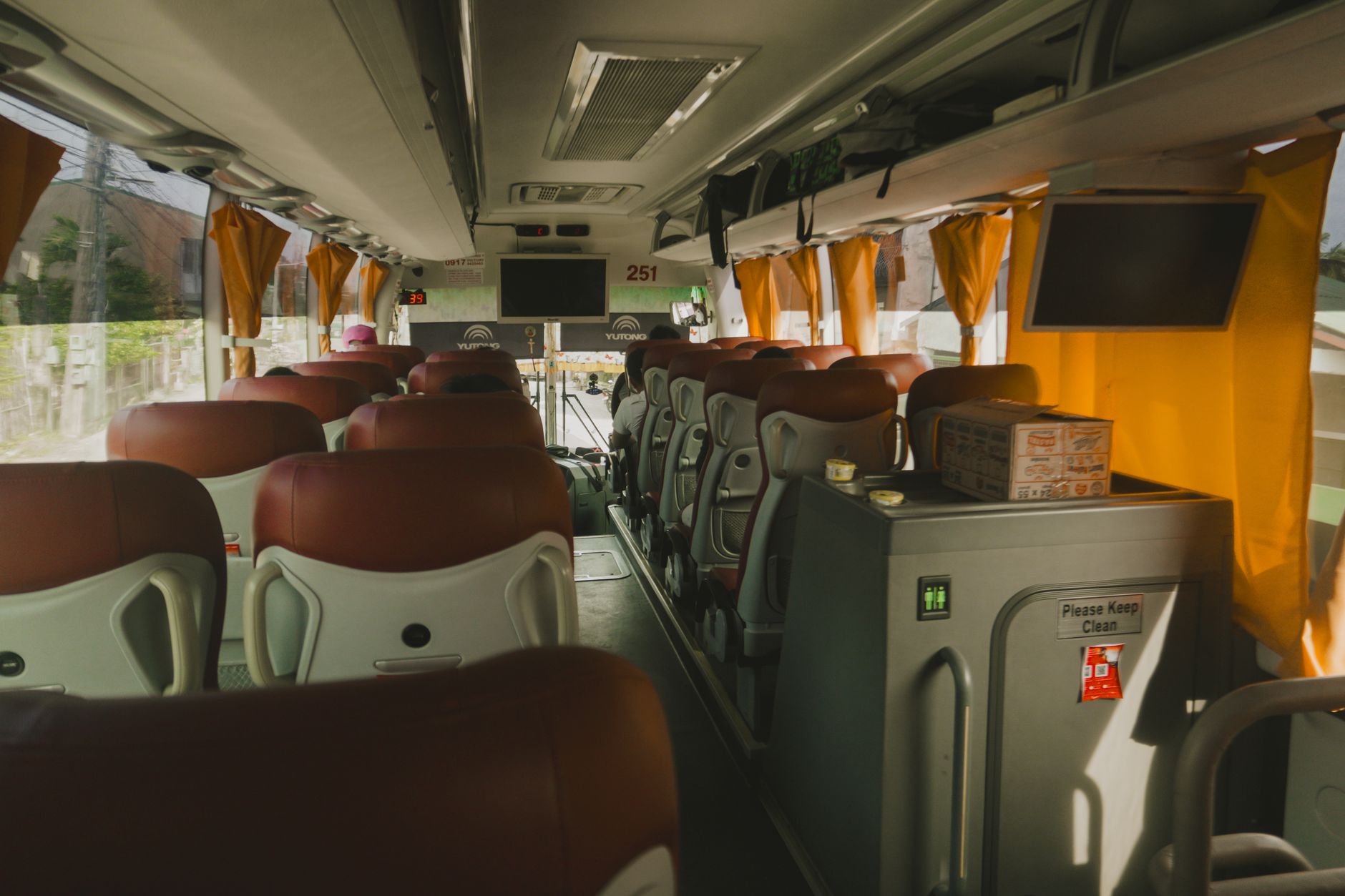
For 24 travelers, the 24-Passenger Mini Bus is the natural starting point when the group wants one vehicle, coach-style seats, and a more controlled boarding process than multiple vans. It fits compact group tours, executive retreats, reunion trips, and first-class-only groups that value a consistent cabin over maximum cargo volume. Rear or roof luggage storage can work for soft luggage and a short multi-day schedule, but the carrier must confirm capacity before the group brings hard cases, coolers, or outdoor equipment. A larger motor coach offers more underfloor storage but may face tighter parking and routing constraints on narrow park roads. The final choice should follow the actual passenger count, luggage profile, hotel access, and planned stops rather than the seat count alone.
| Vehicle | Seats | Best For | Notes |
|---|---|---|---|
| 24-Passenger Mini Bus | Up to 24 passengers | Best for a single small group tour, executive retreat, reunion, or first-class-only group traveling together. | Compact mini bus with coach-style seats, typically rear or roof luggage storage, and a practical balance of comfort and maneuverability for paved park corridors. |
| Mini Coach | Approximately 25 to 35 passengers | Use when the headcount or luggage load is above 24 but the itinerary still favors compact staging. | Provides more cabin and cargo margin than a compact mini bus while retaining better maneuverability than a full-size motor coach; verify length before assigning restricted park roads. |
| Motor Coach | Approximately 36 to 56 passengers | Use for larger groups, substantial luggage, or long-distance origins where onboard storage and ride comfort outweigh compact access. | Offers high-back coach seating, underfloor luggage bays, restroom availability on some units, and strong comfort for long interstate legs, but requires designated oversize parking and careful road selection. |
| Executive Sprinter | Approximately 10 to 14 passengers | Use only when the final headcount is well below 24 or when the group prioritizes executive cabin appointments over shared capacity. | A smaller luxury vehicle is easier at hotel drives and short urban stops but has limited baggage capacity and less room to spread out during a multi-day run. |
Routing, Timing, and On-the-Road Realities
For east-side touring, dispatch commonly stages the bus from Gatlinburg or Pigeon Forge toward Sugarlands and Newfound Gap Road, with an early departure before hotel traffic and visitor demand build. Newfound Gap climbs quickly, and weather at elevation can differ sharply from conditions in town, so the driver needs closure checks and a recovery option. Kuwohi Road is seasonal and can close for snow, ice, or other hazardous conditions; the lot has no oversize parking, so plan only a loading and unloading movement where permitted. Cades Cove is a separate operating day from most east-side stops because the 11-mile loop, wildlife delays, historic structures, and parking can consume the schedule. The main loop can accommodate buses, but narrow gravel cross-cove roads and restricted exits should not be used as shortcuts. During October, holiday weekends, Memorial Day, summer Saturdays, and major Pigeon Forge events, place the pickup before the normal hotel breakfast rush when possible and assume slow movement at Gatlinburg entrances.
Parking is the controlling issue at many Great Smoky Mountains stops. The National Park Service requires a parking tag for vehicles parked more than 15 minutes, and commercial vehicles must use established lots or roadside pullouts without blocking traffic, reserving spaces, or idling in developed areas. Oversize parking is available at Sugarlands Visitor Center, Oconaluftee Visitor Center, and Newfound Gap Parking Area, while Kuwohi has a loading zone but no oversize parking. A vehicle longer than 25 feet is prohibited on several roads, including Roaring Fork Motor Nature Trail, Rich Mountain Road, Parson Branch Road, Little Greenbrier Road, and other narrow routes; verify the actual mini-bus specification before routing. Driver-hours planning should separate the interstate travel day from the in-park touring day, with a documented off-duty hotel period and a relief driver if the schedule would otherwise extend beyond legal or safe operating limits. The dispatcher should also monitor road closures, construction, fallen rocks after heavy rain, wildlife delays, and seasonal gate schedules on every operating day.
What This Typically Costs
A 24-Passenger Mini Bus quote is usually built from a daily minimum, the miles operated, and any deadhead required to position the vehicle and return it after the group tour. In most markets, a multi-day Great Smoky Mountains run commonly reaches a few thousand dollars per operating day before trip-specific extras, with higher typical ranges during October leaf season, holiday weekends, spring breaks, and major Pigeon Forge events. Ask whether the daily minimum includes the driver's on-duty time, mileage allowance, fuel, tolls, and overnight positioning, because carriers structure those items differently. Driver lodging, meals or per diem, parking, fuel adjustments, tolls, and permitted venue access can appear as separate line items. Driver gratuity is normally paid by the group and is not always included in the transportation rate. Deadhead miles from the carrier's garage to the pickup and back can materially change the total, especially for a one-way itinerary or a pickup outside Knoxville, Asheville, Charlotte, Nashville, Atlanta, or the Tri-Cities market.
Frequently Asked Questions
What does a 24-Passenger Mini Bus fit best for in the Great Smoky Mountains?
For a 24-passenger group, a 24-Passenger Mini Bus is often the best fit when everyone travels together and the itinerary includes standard paved park roads, visitor centers, hotel transfers, and scheduled attractions. It has coach-style seats and generally carries luggage in a rear compartment or roof-mounted luggage area, depending on the unit. Confirm the exact cargo layout before adding large checked bags, coolers, mobility equipment, or display materials. If the group needs extensive luggage for a long multi-day trip, a larger motor coach or support vehicle may be operationally safer than filling every seat and every storage compartment.
How many days should a Great Smoky Mountains group tour take?
A practical group tour usually takes three to five days, depending on the origin city and the amount of time planned inside the park. Day 1 can cover pickup, the interstate approach, a lunch stop, hotel check-in, and an evening stop in Gatlinburg or Pigeon Forge. Days 2 and 3 can split the park into the Gatlinburg side, Newfound Gap Road, Cades Cove, Townsend, and the Oconaluftee side near Cherokee. A fourth day works well for a slower schedule, weather backup, Dollywood, the Titanic Museum Attraction, or a guided rafting or heritage activity outside the park. Build the return day with a firm departure time because the drive home can consume most of the operating window.
What are the best months for this group tour?
The most dependable months for a multi-day Great Smoky Mountains trip are generally April through May and late September through early November, with conditions varying by elevation. Spring provides manageable temperatures and waterfall flow, while October and early November bring the strongest demand for fall color and the heaviest traffic. Summer has long daylight and full attraction schedules but requires earlier departures, more parking discipline, and heat planning. Winter can offer lower demand and clear views, but higher elevations and secondary roads may close for snow, ice, or hazardous conditions. Treat weather and temporary road closures as operational variables rather than assuming every scenic road will be available.
Does a bus need a permit or parking tag in Great Smoky Mountains National Park?
The National Park Service requires a valid parking tag for a vehicle parked more than 15 minutes, even though general park entrance is free. Commercial-use conditions require vehicles to use established parking lots or roadside pullouts, prohibit blocking traffic or parking on shoulders, and prohibit idling in developed parking areas. Oversize parking is identified at Sugarlands Visitor Center, Oconaluftee Visitor Center, and Newfound Gap Parking Area; Kuwohi has a loading and unloading zone but no oversize parking. Transportation vehicles longer than 25 feet are restricted from several narrow or steep roads, and some routes require specific authorization or are unsuitable for buses. A 24-Passenger Mini Bus is often under the 25-foot threshold, but the carrier must verify the actual vehicle length and clearance before finalizing the routing.
When does a Great Smoky Mountains group tour need a park permit?
A commercial transportation vehicle providing only passenger transportation may not need the same special-use approval as a commercial activity conducted inside the park, but the operator must verify current National Park Service requirements for the planned service. If the group is receiving guiding, interpretive services, organized recreation, filming, a wedding service, or another commercial activity in addition to transportation, a Commercial Use Authorization or other permit may apply. The park's commercial-use conditions also address parking, idling, vehicle size, and permitted activity conduct. US Bus Trips should receive the exact itinerary and vendor list so the carrier can separate transportation from activities that require their own permit. Do not rely on a generic tour-bus assumption when the itinerary includes trailhead guiding, river access, private events, or special-use locations.
How do driver hours affect a multi-day Great Smoky Mountains trip?
The driver-hours plan depends on the carrier's operating authority, vehicle classification, duty status, and whether the run falls under applicable federal hours-of-service rules. A driver cannot safely perform a long pickup, a full day of mountain touring, and a late-night return without a planned break and rest structure. For a multi-day itinerary, schedule the driver for a legal off-duty period at the hotel and avoid using the bus as an all-day vehicle when the group is hiking or attending an attraction. A second qualified driver may be needed for long repositioning legs or schedules that exceed one driver's available hours. The quote and confirmation should show pickup time, operating windows, overnight location, relief-driver assumptions, and any required deadhead.
Which Great Smoky Mountains roads work for a 24-passenger bus?
A 24-Passenger Mini Bus can use the primary paved corridors through Gatlinburg, Townsend, Cherokee, and the park's main visitor-center network, subject to weather, traffic, and the actual vehicle dimensions. Do not place a bus on Roaring Fork Motor Nature Trail, Rich Mountain Road, Parson Branch Road, Little Greenbrier Road, or other posted restricted routes simply because the map appears to offer a shorter connection. Cades Cove's main loop can accommodate buses, but the narrow gravel cross-cove lanes are not recommended for them, and parking at the picnic area requires planning. Kuwohi Road has seasonal and weather-related limitations, and its parking lot does not provide oversize parking. The dispatcher should build a bus-compatible scenic plan using designated lots, loading zones, and approved turnarounds rather than promising every backroad or trailhead.
How to Book
To book, send the travel dates, passenger count, pickup address, luggage estimate, hotel cities, and every planned stop, including park overlooks, trailheads, attractions, and evening events. Include whether the group is traveling from Knoxville, Asheville, Charlotte, Nashville, Atlanta, the Tri-Cities, or another origin so deadhead and driver lodging can be modeled correctly. US Bus Trips can usually return a realistic quote within 4 business hours when those details are complete. The confirmation should identify the vehicle class, operating dates, pickup and drop-off times, itinerary assumptions, parking and permit responsibilities, driver lodging plan, cancellation terms, and contact method for dispatch changes.
Related Trips You Might Also Consider
- Mount Rushmore — 14-Passenger Sprinter
- Choir Competition — Southeast Region
- High School Band Tour — Northeast Region
- Mesa Verde — 24-Passenger Mini Bus
- Non-Profit Fundraiser — Northeast Region
- Academic Decathlon — South Central Region
- Cross-Country Charter Bus Overview
- All Group Trip Types
- See the Full Fleet (Sprinters through 56-pax coaches)
- Get a Free Quote in 60 Seconds