
US Bus Trips books NYC Theater group tours for schools, alumni groups, associations, churches, and corporate teams traveling in a 36-Passenger Mini Coach.
Overview
An NYC Theater group tour normally combines a regional highway run with fixed performance times, hotel check-in windows, and limited Midtown curb access. Common origins include Philadelphia and Baltimore via I-95 and the New Jersey Turnpike, Boston and Hartford via I-84 or I-95, and western Pennsylvania or Ohio via I-80 or I-78. The 36-Passenger Mini Coach is well suited to alumni associations, school and community groups, church ministries, senior organizations, and company teams traveling together. It provides a single manifest, one driver team, and a consistent arrival plan instead of splitting a group among cars. Broadway shows often begin in the evening, but the bus still needs a legal place to unload, stage, and later collect passengers. A multi-day booking is usually easier to operate than a same-day out-and-back when the origin is beyond the immediate Northeast corridor.
The theater plan should identify the exact show, theater address, curtain time, dinner location, hotel, and post-show meeting point. Times Square, the Theater District, Lincoln Center, Radio City Music Hall, and the Hudson Yards area each create different approach and curbside issues. A driver may drop passengers near a permitted location and relocate to an approved bus facility rather than remain outside the theater. For groups attending several performances, schedule a single hotel base and use the 36-Passenger Mini Coach for planned movements rather than repeated unplanned curb stops. Actual travel time changes with New Jersey Turnpike delays, George Washington Bridge conditions, Lincoln Tunnel queues, Midtown construction, protests, parades, and sports events. The operations team should receive the final theater and hotel addresses early enough to verify access for the specific vehicle dimensions.
Best months for an NYC Theater group tour are commonly April through June and September through early November, when weather and highway operations are often more manageable than deep winter or the holiday rush. December brings popular holiday shows, Radio City demand, shopping traffic, and tighter hotel and bus availability. January and February can have better inventory, but snow, freezing conditions, and storm-related restrictions can disrupt I-95, I-78, I-80, the New Jersey Turnpike, and approaches through Connecticut or the Hudson Valley. A realistic trip length is two to four days for many Northeast departures, with longer schedules for groups originating in the Midwest, Southeast, or farther south. Day 1 can cover pickup, highway travel, a planned rest stop, and hotel arrival; days 2 through N can cover theater, museums, meals, and scheduled sightseeing. Build at least one recovery window around the performance instead of making the curtain depend on an exact interstate arrival.
Fleet Options
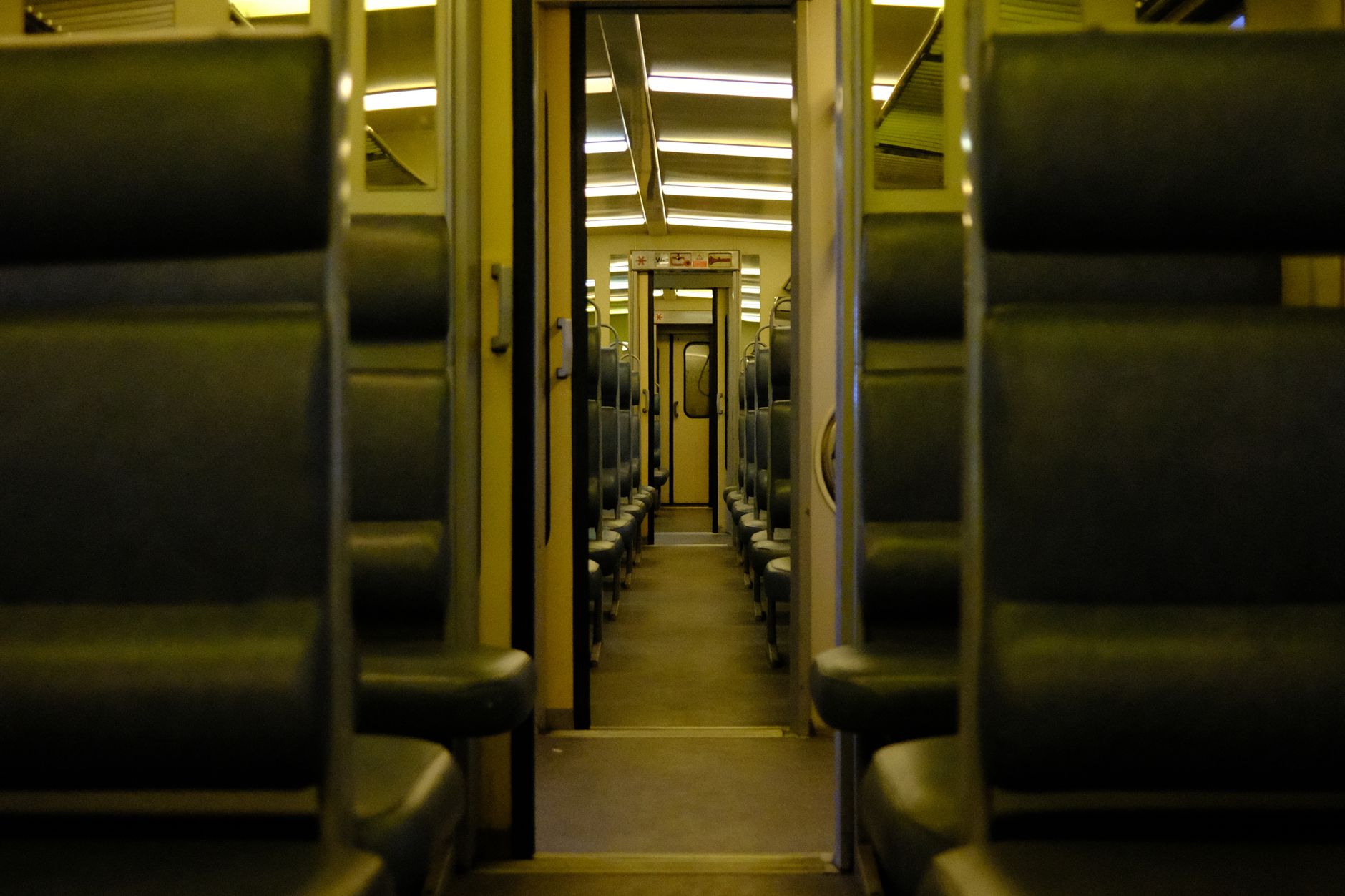
A 36-Passenger Mini Coach is a mid-size coach with a high floor, luggage bays, and coach-style seats. It is a strong fit for medium groups where a 56-passenger motor coach is too large and a 24-passenger vehicle is too small. Confirm luggage volume before filling every seat, particularly for a multi-day trip with winter coats, garment bags, or mobility equipment. In Manhattan, the smaller footprint can simplify approved approaches and facility access, but it does not remove commercial bus parking, curb, height, or permit restrictions. Vehicle dimensions should be sent to the hotel and any theater or bus-lot contact in advance.
| Vehicle | Seats | Best For | Notes |
|---|---|---|---|
| 36-Passenger Mini Coach | 30-36 passengers | Use it when the group needs a motor coach interior and luggage storage but does not need a full-size 56-passenger coach. | High-floor coach seating and underfloor luggage bays suit a 36-person multi-day group tour, but cargo capacity depends on baggage size and seating load. |
| 24-Passenger Mini Bus | 18-24 passengers | Use it when the confirmed headcount is below the 36-passenger range and baggage is limited. | More maneuverable for short local movements and smaller theater parties, with less luggage capacity and usually less highway-oriented comfort than a coach-style mini coach. |
| 56-Passenger Motor Coach | 45-56 passengers | Use it when attendance exceeds the mini-coach capacity or the group needs substantial luggage and equipment space. | Provides more seats and cargo capacity for large groups, but its length, turning radius, height, and parking requirements demand careful NYC routing. |
| Executive Sprinter Van | 8-14 passengers | Use it for a small advance team, airport transfer, or overflow vehicle rather than the primary NYC Theater group vehicle. | Works for small VIP or staff movements with limited baggage, but it is not a practical substitute for a seated 36-person group tour. |
Routing, Timing, and On-the-Road Realities
For a Philadelphia or Baltimore departure, an early pickup usually uses I-95 or the New Jersey Turnpike before the heaviest New Jersey and Hudson River congestion, but the bus still needs margin for toll plazas, construction, and bridge delays. Boston and Hartford groups may approach through Connecticut on I-95 or I-84, with conditions around Stamford, the Bronx, and Manhattan requiring conservative timing. Western routes commonly use I-80 or I-78 and may require a longer first travel day before the theater program begins. A practical arrival plan sends passengers to the hotel or an authorized unloading point, then moves the coach to a legal staging or parking location. Do not schedule a motor coach to circle Midtown while the group eats or attends a show. Confirm the driver's route for height limits, restricted turns, bus lanes, tunnel rules, and the exact parking facility before dispatch.
NYC commercial parking and curb rules need to be treated as operating constraints, not optional details. Commercial vehicles generally cannot park on a street for more than three hours unless posted rules provide otherwise, and commercial vehicles cannot use residential streets for overnight parking during restricted hours. Metered bus spaces south of Houston Street may require a DOT-issued bus permit and enforce posted limits, while a charter bus may park where parking is permitted at its origin or destination. A theater drop should be a brief, lawful unload at a confirmed location; double parking, blocking a bus stop, or occupying a bus lane can create tickets and delay the group. Driver hours require eight consecutive hours off before a shift, no more than 10 hours of driving after that rest, and no driving after 15 hours on duty, with 60- or 70-hour weekly limits depending on the carrier schedule. For a late show after a long travel day, use a second driver, an earlier arrival, an overnight reset, or a separate local transfer plan rather than asking one driver to exceed the legal schedule.
What This Typically Costs
A NYC Theater group tour is usually quoted by operating day, mileage, and deadhead rather than by passenger alone. A 36-Passenger Mini Coach commonly carries a daily minimum, with longer multi-day runs adding mileage, tolls, parking, and any required driver overnight and lodging costs. A regional group tour may run a few thousand dollars per day, while peak theater dates, holiday periods, major conventions, and short-notice departures commonly price higher. Deadhead miles from the motor coach base to pickup, New York, and the return garage can materially affect the quote, especially when the vehicle must reposition empty between service days. Typical line items include fuel or fuel-adjustment provisions, turnpike and bridge tolls, venue or bus-lot parking, driver lodging, and driver gratuity. Ask whether the proposal includes a daily minimum, all projected mileage, waiting time, and overnight expenses before comparing offers.
Frequently Asked Questions
What does a 36-Passenger Mini Coach fit best for an NYC Theater group tour?
A 36-Passenger Mini Coach is best for a medium-size group that needs coach-style seating and luggage capacity without deploying a full-size 56-passenger motor coach. It fits theater groups, alumni organizations, senior groups, church tours, and corporate outings with roughly 30 to 36 travelers. The high-floor layout and underfloor luggage bays handle overnight bags better than a transit-style minibus. Leave seats open if the group has bulky luggage, mobility equipment, or staff traveling with the passengers.
How many days should an NYC Theater group tour take?
For most regional departures, plan on two to four days, depending on the starting city and theater schedule. A Northeast group from Philadelphia, Baltimore, Hartford, or Boston can often use a two- or three-day plan, while groups from Pittsburgh, Cleveland, Richmond, or farther south may need an additional travel day. A multi-day schedule should separate long highway travel from the main NYC Theater performance day. The motor coach should not be treated as an unlimited on-call vehicle after a long arrival run.
What are the best months for an NYC Theater group tour?
April through June and September through early November are often the easiest operating windows for a multi-day NYC Theater trip. These periods generally avoid the heaviest summer family travel and the most compressed holiday demand, although theater openings, school calendars, conventions, and sports can change availability. December can be attractive for holiday performances but brings heavier Midtown congestion and premium demand. January and February may offer more inventory, but winter weather on I-95, I-80, the New Jersey Turnpike, and the Hudson Valley corridor requires schedule margin.
What does a realistic multi-day itinerary look like?
A practical itinerary may use day 1 for pickup, highway travel, a controlled lunch stop, and an afternoon arrival near the hotel or a permitted unloading point. Day 2 can combine a morning backstage, museum, or walking program with an early dinner and a Broadway performance, followed by a planned hotel return. Additional days can cover Lincoln Center, Radio City Music Hall, the Museum of Broadway, the 9/11 Memorial area, or a borough excursion without moving luggage repeatedly. Keep the theater call time and post-show curb plan in writing because the vehicle may not be able to wait directly outside the theater.
Can the motor coach park outside a Broadway theater?
New York City commercial-vehicle parking rules are stricter than ordinary passenger-car assumptions. Unless signs say otherwise, commercial vehicles generally cannot remain parked on a street for more than three hours, and residential commercial-vehicle parking is restricted overnight. Bus spaces south of Houston Street can require a Department of Transportation bus permit and enforce posted time limits. Theater District curb access is commonly limited to brief, lawful loading and unloading, so the driver may stage at an approved bus location or parking facility rather than wait curbside. The operator should confirm current venue instructions, bus-lot availability, vehicle dimensions, and any event-specific restrictions before departure.
How do driver hours affect a multi-day NYC Theater trip?
Passenger-carrying commercial drivers generally may drive no more than 10 hours after eight consecutive hours off duty and may not remain on duty beyond 15 hours after that rest period. Weekly on-duty limits also apply, and time from another job can count toward the driver's workday. For a long-distance group tour, the arrival day may require a second driver, a split schedule, or an overnight stop rather than a same-day theater commitment. A late Broadway show after a full highway day can exceed a safe legal plan even when the group's total miles appear manageable. Build the itinerary around the driver's log, not only the theater curtain time.
What information is needed to quote this group tour?
Provide the pickup address, headcount, luggage estimate, dates, hotel, theater names, show times, meal stops, and every planned side trip. Include whether the group needs a wheelchair lift, child seating, onboard restroom, or room for musical instruments and production materials. Share the preferred pickup window and whether the motor coach must remain available between activities. A complete itinerary lets operations check deadhead, tolls, parking, driver lodging, and hours-of-service feasibility before quoting. US Bus Trips can typically return a quote within 4 business hours when the requested dates and route details are complete.
How to Book
To book, send the travel dates, pickup address, confirmed or estimated headcount, luggage profile, hotel, theater or venue schedule, meal stops, and any side trips. Include the desired pickup time and whether the 36-Passenger Mini Coach must remain available between performances and sightseeing. US Bus Trips can typically provide a quote within 4 business hours when the itinerary is complete, subject to carrier and vehicle availability. The confirmation should identify the vehicle class, service window, pickup and drop points, estimated mileage, driver lodging plan, parking assumptions, and inclusions or exclusions. Reach us with the itinerary and an operations specialist can check the route before the reservation is finalized.
Related Trips You Might Also Consider
- Branson — 24-Passenger Mini Bus
- Santa Ana, CA to San Diego, CA
- Boston Freedom Trail — 14-Passenger Sprinter
- Scout Troop — Pacific Northwest Region
- Mount Rushmore — 36-Passenger Mini Coach
- Albuquerque, NM to Santa Fe, NM
- Cross-Country Charter Bus Overview
- All Group Trip Types
- See the Full Fleet (Sprinters through 56-pax coaches)
- Get a Free Quote in 60 Seconds