
A 36-Passenger Mini Coach works well for church groups, alumni groups, family reunions, corporate retreats, and escorted tours that need more comfort and luggage capacity than vans provide.
Overview
An Olympic group tour is usually built around the park's separate geographic zones rather than a single central entrance. Port Angeles is the practical north-side staging point for Hurricane Ridge, Lake Crescent, and ferry connections, while Forks reduces backtracking to the Hoh Rain Forest, Rialto Beach, Ruby Beach, and Kalaloch. A 36-Passenger Mini Coach gives a medium group a comfortable cabin for the long Highway 101 transfers between those zones. It also carries several days of luggage in exterior bays, which matters when the group changes hotels instead of returning to one base. The schedule still needs realistic loading time at hotels, meal stops, trailheads, and beach pullouts. Guests should expect a multi-day road itinerary with some long onboard segments, not a compact city sightseeing loop.
For groups arriving from Seattle, Tacoma, the Eastside, or Sea-Tac, the first operating day often uses the Tacoma Narrows and Olympic Peninsula approach before reaching Port Angeles, Sequim, or a west-side staging hotel. A ferry-based plan may use the Edmonds-Kingston or Seattle-Bainbridge corridors, but ferry reservations, vehicle length, sailing availability, and terminal queues must be checked before promising a specific departure. Many planners instead route around Puget Sound through Tacoma when the schedule cannot absorb a missed sailing. On day 1, Lake Crescent or a short Port Angeles-area stop is more realistic than adding Hurricane Ridge after a long transfer. The full Olympic group tour should allow time for rest breaks, luggage handling, and a driver meal period. A 36-Passenger Mini Coach is especially useful when the passenger count is too large for Sprinters but the group does not need the capacity of a 56-passenger coach.
Summer is the default season for a broad Olympic itinerary because June through September generally offers the best access to the park's roads and facilities. July and August are also the busiest months, so lodging blocks, hotel bus parking, Hurricane Ridge parking, and popular beach stops need early planning. September often provides a workable shoulder-season balance, but the coast and rainforest can still bring rain, and conditions can change quickly in the mountains. From October through May, Hoh and coastal areas may remain viable while Hurricane Ridge becomes dependent on weather, winter operations, and road status. The park is open year-round, but facilities, campgrounds, roads, and visitor services can have seasonal closures or reduced hours. Before dispatch, check the NPS conditions page and current road information for construction, flooding, storms, and temporary closures affecting the planned corridor.
Fleet Options
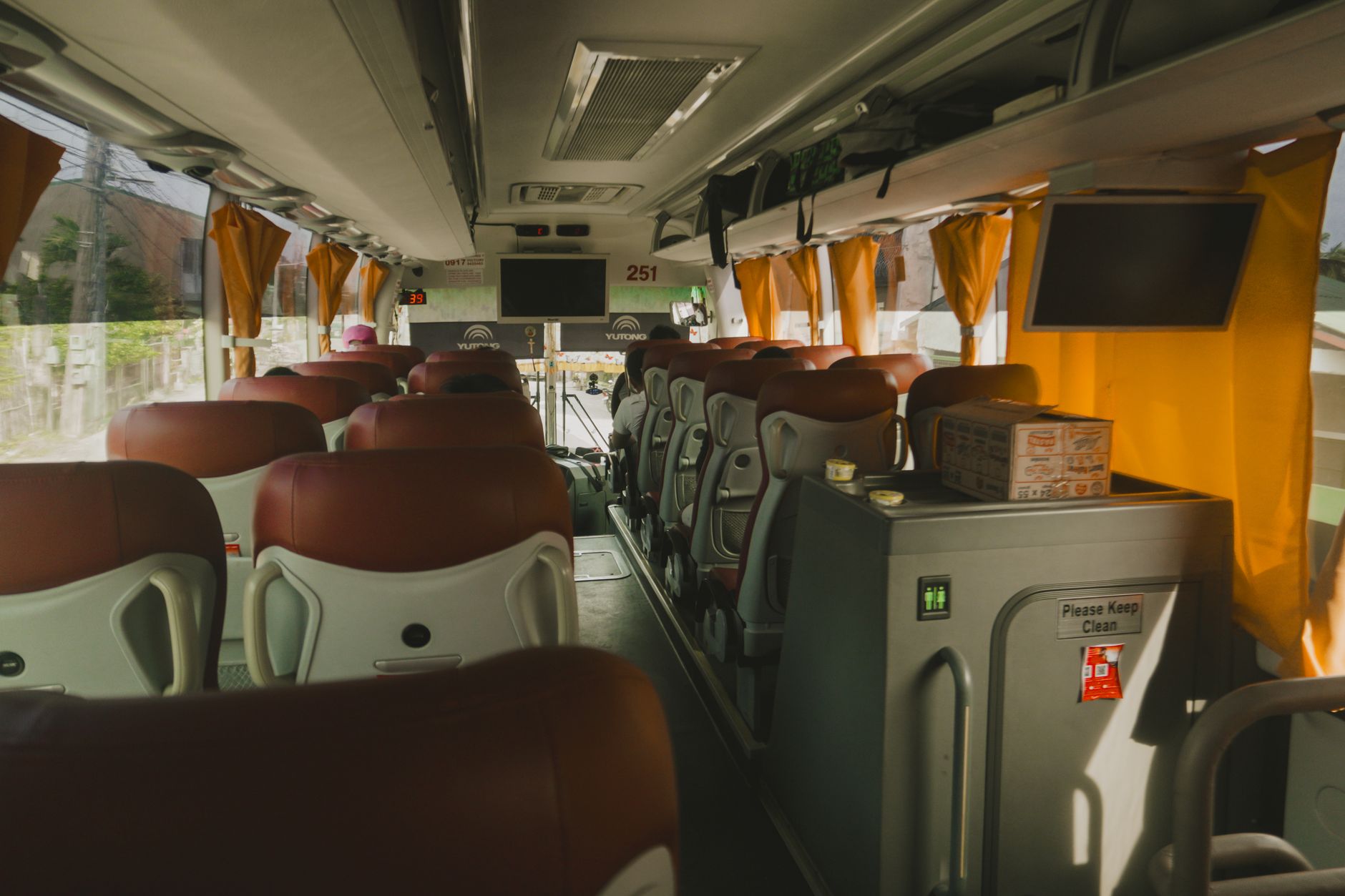
A 36-Passenger Mini Coach is usually the right middle ground for an Olympic group tour with about 25 to 36 travelers and several nights of luggage. It provides a high floor, coach-style seats, and underfloor luggage bays without the length and turning demands of a full-size motor coach. The vehicle is comfortable for long transfers between Seattle, Port Angeles, Forks, and the Highway 101 loop, but guests should keep rain gear and daily packs accessible in the cabin. A smaller vehicle may be easier at tight hotel drives and limited trailhead parking, while a larger coach may offer more storage but can create routing and parking problems. Final selection should account for passenger count, luggage volume, wheelchair needs, hotel loading geometry, and the specific Olympic roads on the itinerary.
| Vehicle | Seats | Best For | Notes |
|---|---|---|---|
| 36-Passenger Mini Coach | Up to 36 passengers | Best for a medium group traveling with checked-size luggage between Seattle-area pickup points, Port Angeles, Forks, and Olympic's main paved corridors. | High-floor seating, coach-style comfort, and underfloor luggage bays suit a multi-day Olympic loop; verify dimensions before using narrow spurs or constrained parking areas. |
| 24-Passenger Mini Bus | 18-24 passengers | Fits a smaller group that values easier loading and tighter access more than maximum luggage capacity. | More maneuverable for smaller hotel drives and constrained stops, but luggage capacity and seat space are lower for a multi-day group tour. |
| 56-Passenger Motor Coach | forty-five to 56 passengers | Works when the group exceeds mini-coach capacity or needs substantial equipment storage and the itinerary has confirmed coach access. | Provides the most cabin and luggage capacity but needs more room at hotels, trailheads, ferry staging, and park parking lots; oversize routing must be reviewed. |
| Executive Sprinter | eight to 14 passengers | Fits a small leadership or family group with light luggage and a schedule that favors flexible short transfers over full coach comfort. | Comfortable for small executive groups but has limited luggage volume and less separation between passenger space and gear than a coach. |
Routing, Timing, and On-the-Road Realities
A workable four-day Olympic group tour from the Seattle area can start with a morning pickup, a Tacoma-area or ferry-corridor transfer, and an overnight in Port Angeles or Sequim. Day 2 can run Hurricane Ridge in the morning, subject to road and parking conditions, followed by Lake Crescent and a westbound transfer toward Forks. Day 3 can cover the Hoh Rain Forest and one coast stop such as Ruby Beach or Rialto Beach, with the exact beach selected after checking road access and bus turning space. Day 4 can use the Quinault or Kalaloch side for a southbound return, or add a recovery morning before returning through Aberdeen and Tacoma. A five- or six-day plan is better when the group wants both the north and south sides, Sol Duc, Ozette, or weather backup. Do not schedule every trailhead as a timed appointment because Highway 101, construction, wildlife, rain, and parking queues can move the day by hours.
The driver plan should assume that passenger loading, waiting at trailheads, ferry staging, and venue movements consume on-duty time even when the coach is not moving. Federal passenger-carrier rules generally allow up to 10 hours of driving after 8 consecutive hours off duty and prohibit driving after 15 hours on duty, with separate seven- or eight-day on-duty limits. A Seattle pickup followed by Port Angeles touring may therefore require an early hotel check-in, a second driver, or a shortened first-day stop list. Hurricane Ridge has a single mountain access road and limited parking; the road may close temporarily when the lot fills, and winter access is weather-dependent with seasonal chain requirements. Some park roads and spurs are unsuitable for buses, including Obstruction Point Road and Hurricane Hill Road beyond the main parking area, so the coach may need to stage while guests use an approved alternative. Confirm commercial-use requirements, entrance or parking procedures, vehicle dimensions, and current construction notices with Olympic National Park before the final manifest is released.
What This Typically Costs
A 36-Passenger Mini Coach for an Olympic group tour is usually quoted as a transportation package built around a daily minimum, mileage, and the vehicle's positioning or deadhead miles. In most markets, a multi-day motor coach run commonly lands in the range of a few thousand dollars per operating day before taxes, gratuity, parking, and lodging, with higher totals when the coach travels empty to reach the pickup city or returns empty after the final drop. Summer availability is the main cost pressure because June through September is Olympic's busiest operating season, and August typically produces the tightest lodging and parking conditions. The quote may separate driver overnight lodging, meal allowances, ferry or toll charges, venue parking, and fuel or energy adjustments. Driver gratuity is commonly treated as a separate customer line item rather than embedded in the base rate. Ask whether the quote includes all deadhead miles, minimum hours, driver room costs, park or venue fees, and weather-related rerouting before approving the trip.
Frequently Asked Questions
A practical Olympic group tour normally needs four to six days from a Seattle-area pickup, depending on whether the group includes both Hurricane Ridge and the west-coast beaches. Day 1 is mainly the approach to Port Angeles or the first overnight staging town, with stops such as the Hood Canal corridor or Lake Crescent if time allows. Two full in-park days can cover the Hoh Rain Forest, Rialto or Ruby Beach, and either Lake Crescent or Sol Duc. A third park day is useful for Hurricane Ridge, Quinault, Ozette, or weather recovery. Trying to cover every zone in a two-day multi-day schedule creates long onboard periods and little trail time.
How many days should a 36-Passenger Mini Coach Olympic tour take?
June through September is the most dependable window for a 36-Passenger Mini Coach group tour because the park generally has its broadest range of open roads and visitor services then. July and August offer the best odds for Hurricane Ridge access and drier beach and rainforest transfers, but they also bring heavier traffic, fuller parking lots, and tighter lodging. September often gives a better operating balance, although rain and short-notice closures remain possible. October through May can work for a focused Hoh Rain Forest or coast itinerary, but Hurricane Ridge has weather-dependent access and reduced winter services. The dispatcher should verify current road conditions before finalizing each day's routing.
What are the best months for an Olympic group tour?
It can use the principal paved corridors, but not every park road or spur is appropriate for a motor coach. Highway 101 connects the major west and north approaches, while the Hoh Road, Hurricane Ridge Road, Lake Crescent corridor, and selected beach access roads require a current vehicle-size review. NPS alerts identify some roads and spurs as unsuitable for buses, including Obstruction Point Road and Hurricane Hill Road beyond the main Hurricane Ridge parking area. A 36-Passenger Mini Coach should not be sent down a narrow or weight-restricted spur merely because a navigation app shows a route. The operator should confirm turning space, clearance, construction restrictions, and current NPS conditions before dispatch.
Can a 36-Passenger Mini Coach drive throughout Olympic National Park?
Commercial use authorization requirements can apply when a company provides commercial transportation or organized services inside Olympic National Park. The exact requirement depends on the service, itinerary, and whether the operator is conducting a commercial activity rather than simply transporting a private group. Parking, entrance, and any commercial-use arrangements should be confirmed with the park before the trip. A passenger carrier also needs its normal operating authority, insurance, and safety compliance; a park visit does not replace those obligations. US Bus Trips should collect the operator's vehicle dimensions and itinerary early so any required NPS review is handled before the coach arrives.
Are permits required for a commercial bus in Olympic National Park?
Port Angeles is the most useful north-side base for Hurricane Ridge, Lake Crescent, ferry connections, and a first or final night near the park. Forks works well for west-side staging because it reduces repeated backtracking to the Hoh Rain Forest, Rialto Beach, Ruby Beach, and Kalaloch areas. Aberdeen, Hoquiam, or Ocean Shores can be practical arrival or departure staging points when the pickup is coming from the south or east. Quinault is attractive for a south-side stay but has fewer large-group lodging choices and requires early inventory checks. For a 36-Passenger Mini Coach, confirm coach access, bus parking, loading windows, room blocks, and driver lodging separately from passenger rooms.
Where should a group stay during an Olympic multi-day tour?
Passenger-carrier rules generally limit a driver to up to 10 hours of driving after 8 consecutive hours off duty and prohibit driving after 15 hours on duty. The carrier also tracks weekly on-duty limits, and time spent working another job can count toward the driver's available hours. A long Seattle-to-Olympic transfer followed by an afternoon park loop can use more duty time than the mileage suggests because ferry queues, meal stops, trailhead loading, and Highway 101 delays count as work. A second driver or a planned overnight split may be required for a demanding multi-day group tour. The final schedule must be built around the carrier's logbook plan, not just the passenger itinerary.
How do driver hours affect a 36-Passenger Mini Coach group tour?
A 36-Passenger Mini Coach is a mid-size coach with a high floor, luggage bays, and coach-style seats. It fits medium groups where a 56-passenger motor coach is too large and a 24-passenger vehicle is too small. The layout works well for a school alumni group, church tour, corporate retreat, family reunion, or escorted group carrying soft luggage for several nights. It provides better road comfort and storage than a shuttle van, but the group still needs to manage daypacks and wet-weather gear so aisle space stays clear. On Olympic's narrower approaches and limited parking lots, its smaller footprint can be easier to place than a full-size coach, though it is not a substitute for checking bus restrictions.
What does a 36-Passenger Mini Coach fit best?
How to Book
To quote this Olympic group tour, have the dates, pickup address, passenger count, luggage estimate, mobility needs, hotel plan, and desired stops ready. Include whether the group wants Hurricane Ridge, Hoh Rain Forest, Rialto or Ruby Beach, Lake Crescent, Sol Duc, Quinault, or a Seattle-area arrival and departure. US Bus Trips can typically return a preliminary quote within 4 business hours when the route and dates are complete. The confirmation should identify the vehicle class, operating days, included mileage, deadhead treatment, driver lodging, parking or toll assumptions, cancellation terms, and the dispatch contact; reach us with the full itinerary before deposits are submitted.
Related Trips You Might Also Consider
- Corpus Christi, TX to Austin, TX
- Omaha, NE to Sioux Falls, SD
- Long Beach, CA to San Diego, CA
- Non-Profit Fundraiser — Northeast Region
- Seattle, WA to Portland, OR
- Charleston — 56-Passenger Motor Coach
- Cross-Country Charter Bus Overview
- All Group Trip Types
- See the Full Fleet (Sprinters through 56-pax coaches)
- Get a Free Quote in 60 Seconds