
US Bus Trips arranges Philadelphia Historic group tour transportation for families, alumni groups, executive retreats, and small escorted programs.
Overview
A Philadelphia Historic group tour works best when the itinerary is organized by walking district rather than by a long list of disconnected attractions. Most groups start at the Independence Visitor Center and schedule timed entries for Independence Hall, the Liberty Bell Center, and the National Constitution Center, then add the Museum of the American Revolution or the National Museum of American Jewish History. A 24-Passenger Mini Bus can drop the group near the approved loading area and wait away from the core instead of circling Old City. That approach reduces curb pressure and keeps the driver from burning service hours in one-way traffic. For a multi-day program, build meals near the day's museums and historic blocks. The customer profile is commonly a family reunion, alumni association, church group, corporate retreat, or escorted tour with a defined schedule and moderate baggage.
Travel corridors determine how many days the Philadelphia Historic group tour really needs. New York and northern New Jersey groups commonly use the New Jersey Turnpike and plan around the Delaware River crossings, while Baltimore and Washington groups typically use I-95 and should protect time for weekday congestion near Wilmington, the airport, and the Schuylkill Expressway. Groups arriving from Pittsburgh, Cleveland, western Pennsylvania, or New England need a travel day or a split overnight so the first historic-district morning is not compromised by highway delays. A 24-Passenger Mini Bus is comfortable for these regional runs, but it is not a substitute for a full luggage coach when every passenger carries large cases. Multi-day plans should identify the final hotel before the bus is dispatched because driver lodging, overnight parking, and deadhead can change the quote. For school and alumni programs, ask about charter buses arriving at the same venue because event-day curb congestion can overwhelm a small loading zone.
The best Philadelphia Historic itineraries separate arrival logistics from concentrated sightseeing. On day 1, the bus can travel to Philadelphia, complete hotel check-in or luggage staging, and use a first stop such as the National Constitution Center, Reading Terminal Market, or a guided neighborhood orientation if the service window allows. Day 2 can focus on Independence National Historical Park, with timed admissions and a walking sequence that avoids repeated crossings. Day 3 can cover Christ Church, Elfreth's Alley, Betsy Ross House, the Museum of the American Revolution, or a second district such as Fairmount. Historic Strawberry Mansion or Valley Forge can be added, but Fairmount Park access requirements, parking, and longer driving time must be confirmed separately. This structure gives a group tour meaningful Philadelphia Historic coverage without turning the driver into a continuous downtown shuttle.
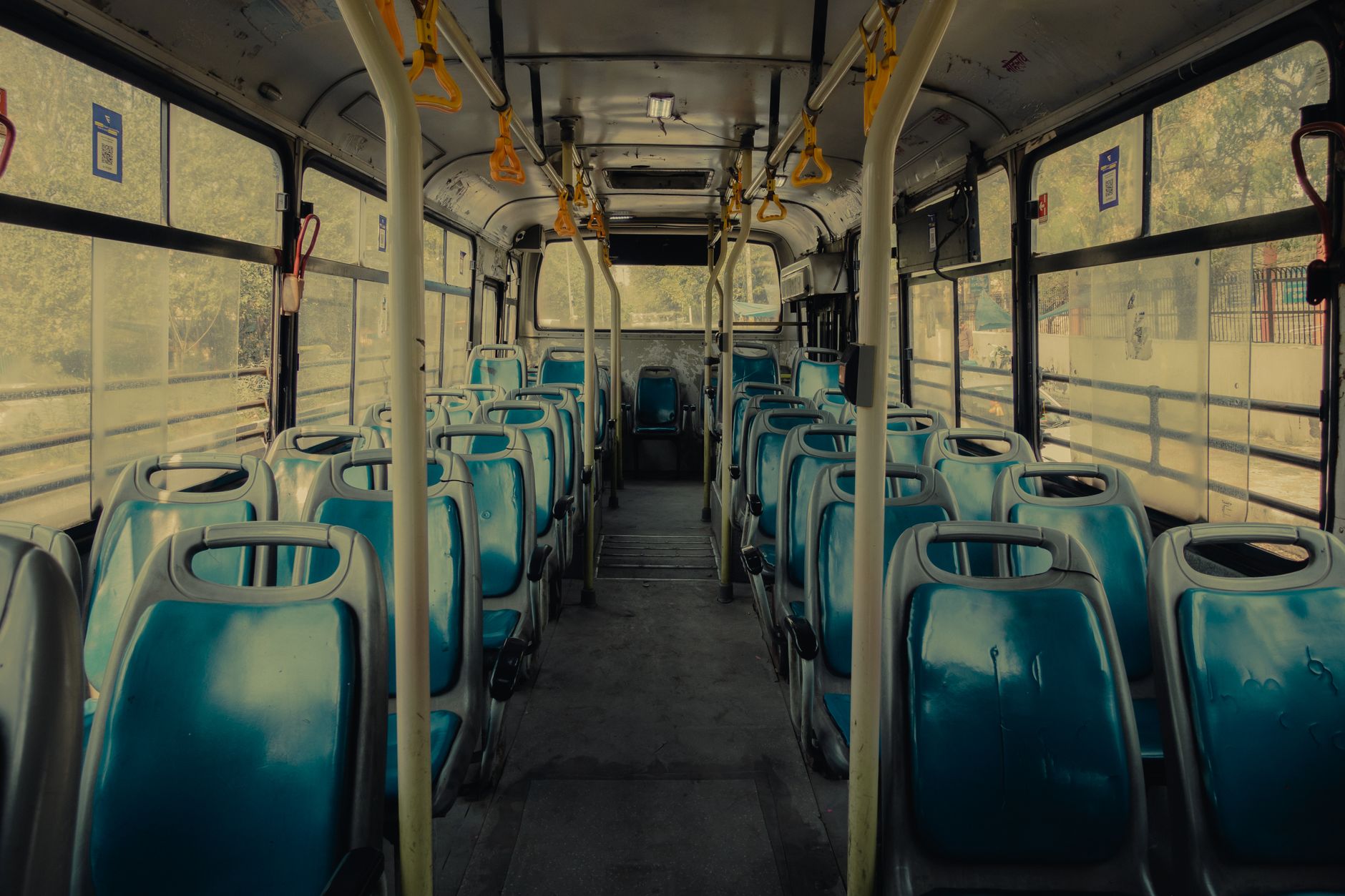
Fleet Options
A 24-Passenger Mini Bus is usually the right starting point for a group tour with up to 24 travelers, modest luggage, and a preference for coach-style seats without the footprint of a full-size motor coach. Compact mini bus layouts are comfortable for executive retreats, school alumni programs, and first-class-only groups when passengers understand that rear or roof luggage capacity depends on the assigned unit. The vehicle is easier to stage near Philadelphia Historic loading zones, but it still cannot park freely on narrow Old City streets or substitute for an approved bus lot. Compare passenger count, luggage volume, wheelchair needs, and the number of daily venue moves before choosing the smallest vehicle.
| Vehicle | Seats | Best For | Notes |
|---|---|---|---|
| 24-Passenger Mini Bus | Up to 24 passengers | Best for a small Philadelphia Historic group tour, executive retreat, alumni program, or first-class-only group traveling with moderate luggage. | Compact mini bus with coach-style seating and rear or roof luggage, suited to tight urban staging but still subject to bus loading rules and clearance limits. |
| Executive Sprinter | Up to 14 passengers | Fits a smaller executive group that values privacy and flexible short transfers more than maximum cargo space. | Premium seating and easier curb maneuvering than a larger bus, but limited luggage capacity and less comfortable aisle movement for a full multi-day load. |
| Mini Coach | 25- thirty-five passengers | Useful when the headcount exceeds 24 or the group needs extra baggage capacity for a longer multi-day itinerary. | Offers more room for luggage and onboard movement than a compact mini bus while retaining better street fit than a full-size motor coach. |
| Motor Coach | forty-five to fifty-six passengers | Fits a larger group tour or a long-distance run where passenger comfort, luggage, and highway mileage outweigh compact street access. | Provides the strongest baggage capacity and highway comfort, but requires more deliberate routing, curb time, clearance checks, and designated parking in Philadelphia. |
Routing, Timing, and On-the-Road Realities
The operational route into Old City depends on the assigned vehicle dimensions, pickup point, and current street controls. The Independence Transportation Center near 5th and Race Streets is used for group loading and unloading, while the driver then proceeds to designated bus parking such as Callowhill rather than leaving the vehicle on a historic-district street. The Callowhill approach can involve 5th Street, Spring Garden, 2nd Street, Callowhill, Columbus Boulevard, and underpass movements, so dispatch should issue the driver a written approach and confirm clearance. Venue-specific curb points matter: the Museum of the American Revolution uses a designated area on South 3rd Street, while Christ Church and the Betsy Ross House have their own loading locations. Schedule the first downtown arrival outside the strongest weekday congestion window when possible, and allow extra time for bridge crossings, I-95, I-676, the Schuylkill Expressway, and event traffic around Penn's Landing. A 24-Passenger Mini Bus is smaller than a motor coach, but it still needs a legal curb window and cannot improvise a passenger stop in a restricted lane.
Driver-hours planning starts before the group reaches Philadelphia Historic because a long pickup run can consume the driver's available workday. For a multi-day trip, dispatch should calculate driving time, passenger service time, loading delays, meal movements, deadhead, and the return leg rather than counting only highway miles. A single driver may be able to operate a moderate regional itinerary with a protected overnight, but an extended interstate run or consecutive long sightseeing days may require a second qualified driver or a revised schedule under applicable hours-of-service rules. Keep the historic district on foot once the group is delivered; repeated short bus moves create legal-hour and curb-management problems without adding much value. Confirm hotel bus parking in advance because some properties have only a few spaces, while Callowhill and other facilities may charge for overnight storage and have specific exit rules. Ask each venue about permits, oversize routing, construction, security screening, and loading windows before finalizing the motor coach or 24-Passenger Mini Bus movement.
What This Typically Costs
A Philadelphia Historic multi-day charter is usually quoted from a daily vehicle minimum, then adjusted for mileage, route length, service hours, tolls, parking, and any deadhead from the bus's home market. In most markets, a 24-Passenger Mini Bus group tour commonly runs a few thousand dollars per service day before unusually long repositioning, with the final range driven by season, vehicle availability, and whether the bus remains assigned overnight. Distance-based pricing matters when the pickup is outside Philadelphia or the itinerary includes New York, Washington, Lancaster, or other extended corridors. Deadhead miles can apply before pickup and after the return, particularly for a compact motor coach sourced from another city. Budget separately for driver lodging, venue and bus parking, tolls, fuel adjustments, and driver gratuity, which is commonly calculated as a percentage or a per-day amount. Peak spring weekends, summer family travel, autumn school and alumni programs, major conventions, and holiday periods generally produce tighter availability and higher quotes.
Frequently Asked Questions
How many days should a Philadelphia Historic group tour take?
For a focused Philadelphia Historic group tour, allow two full sightseeing days plus travel time. A regional group from New York, Baltimore, Washington, or New Jersey can often use a three-day multi-day plan with arrival on day 1, two activity days, and departure on day 3. Groups traveling from Ohio, western Pennsylvania, New England, the Carolinas, or the Midwest usually need four to five days so the first and last days are not dominated by highway time. Add a day when the itinerary includes Valley Forge, Longwood Gardens, Lancaster, Gettysburg, or a second major city.
What are the best months to visit Philadelphia Historic?
April through June and September through October are usually the most workable months for a Philadelphia Historic group tour because walking conditions are more manageable and school, alumni, and family programs can be scheduled before or after the heaviest summer heat. July and August can work, but the group should plan earlier starts, indoor recovery stops, and stronger hydration procedures. November and December bring useful museum and holiday programming but shorter daylight and more event-driven traffic. Avoid assuming that a quiet calendar means easy operations: spring weekends, college commencements, convention dates, sporting events, and holiday markets can tighten hotel and bus availability.
What does a realistic Philadelphia Historic itinerary look like?
A practical three-day multi-day itinerary starts with pickup and highway travel on day 1, followed by a controlled first stop such as the National Constitution Center, Reading Terminal Market, or the Independence Visitor Center if arrival timing allows. Day 2 can cover Independence Hall, the Liberty Bell Center, the National Constitution Center, the Museum of the American Revolution, and a scheduled historic-district walking segment. Day 3 can use the Museum of the American Revolution, Betsy Ross House, Christ Church, Elfreth's Alley, the African American Museum, or the National Museum of American Jewish History, followed by departure. Keep timed-entry reservations and meal locations grouped by neighborhood instead of crossing the city repeatedly. A longer group tour can add Valley Forge, the Philadelphia Museum of Art, Eastern State Penitentiary, or Historic Strawberry Mansion, but each addition needs its own loading, parking, and driver-hours check.
Where can a 24-Passenger Mini Bus load and park in the historic district?
The 24-Passenger Mini Bus should use designated loading and unloading areas rather than attempting to park curbside in the historic district. Philadelphia guidance identifies the Independence Transportation Center near 5th and Race Streets for group loading, with other authorized locations near attractions such as the Museum of the American Revolution, Christ Church, and the Betsy Ross House. Motorcoaches and buses generally cannot remain parked on city streets; the driver moves to a bus facility after the group unloads. Callowhill Bus Center provides a practical staging option north of the core, while some hotels and attractions have limited spaces that require advance coordination. Confirm current access instructions with the venue and parking operator before dispatch because street controls, construction, special events, and police direction can change the usable approach.
Does a group tour bus need permits in Philadelphia?
The historic district is workable for a 24-Passenger Mini Bus, but it is not a free-form hop-on, hop-off area. The driver should follow the approved approach to the Independence Transportation Center or the venue's assigned curb, unload within the allowed window, and then relocate to designated bus parking. Routes around 5th, 6th, Race, Callowhill, Spring Garden, 2nd, and Columbus Boulevard can involve underpasses, one-way streets, bridge traffic, and lane restrictions, so the dispatch plan should use the vehicle's actual height and turning requirements. A bus permit or special access approval may be required for Fairmount Park properties and other controlled venues; Historic Strawberry Mansion, for example, states that motorcoaches need a Fairmount Park access permit. Treat every venue as a separate permit and curb-management question rather than assuming one Philadelphia Historic authorization covers the entire group tour.
What does a 24-Passenger Mini Bus fit best?
A compact motor coach normally provides coach-style seats, a lower passenger count, and easier maneuvering than a full-size motor coach. For 24 passengers, comfort is strongest when the group travels with modest luggage and the vehicle has a usable rear luggage bay or roof storage. Do not promise full-size coach baggage capacity without checking the exact unit, especially when passengers bring rolling cases for a multi-day trip. The 24-Passenger Mini Bus fits executive retreats, first-class-only groups, alumni tours, and small family programs that want everyone together without oversizing the vehicle. It still needs a legal loading zone and adequate clearance, so compact does not mean it can use every street or garage.
What information is needed to book this Philadelphia Historic trip?
Ask for the pickup address, service dates, passenger count, luggage estimate, hotel cities, and every planned venue before requesting a quote. Include whether the group needs airport transfers, daily restaurant movements, wheelchair access, a trailer, or a driver to remain with the vehicle between stops. US Bus Trips can then compare a 24-Passenger Mini Bus with a larger motor coach or an executive Sprinter based on seating, cargo, street access, and daily hours. The confirmation should identify the vehicle class, pickup schedule, itinerary, service window, driver lodging responsibility, parking assumptions, cancellations, and any permit or venue requirement. For a multi-day group tour, send the final rooming and meal timing as soon as available because hotel bus parking and driver lodging can be harder to add after the route is committed.
How to Book
To book, provide the travel dates, pickup address, passenger count, luggage estimate, hotel cities, and a working itinerary with every Philadelphia Historic venue. Include desired arrival times, meal stops, airport work, accessibility needs, and whether the vehicle must remain assigned overnight. US Bus Trips typically returns a quote within 4 business hours when the route details are complete, subject to operator availability and venue confirmation. The confirmation identifies the vehicle class, service window, pickup instructions, driver lodging and parking assumptions, itinerary, and applicable terms; contact US Bus Trips with the trip details so dispatch can build the run accurately.
Related Trips You Might Also Consider
- Senior Tour Group — South Central Region
- Church Retreat — Pacific Northwest Region
- Boston, MA to New York, NY
- Stockton, CA to San Francisco, CA
- Atlanta, GA to Nashville, TN
- Military Reunion — Pacific Northwest Region
- Cross-Country Charter Bus Overview
- All Group Trip Types
- See the Full Fleet (Sprinters through 56-pax coaches)
- Get a Free Quote in 60 Seconds