
US Bus Trips arranges Philadelphia Historic group tour transportation for schools, churches, alumni groups, military organizations, and family parties that need one vehicle for a multi-day run.
Overview
A Philadelphia Historic group tour is usually built around Independence National Historical Park and the adjoining Old City attractions rather than one single venue. Common stops include the Liberty Bell Center, Independence Hall, the National Constitution Center, the Museum of the American Revolution, Christ Church, Elfreth's Alley, the Betsy Ross House, and the City Tavern area. The passenger profile often includes school classes, church fellowships, veterans, alumni associations, senior groups, and extended families traveling from several states. Those groups need one manifest, one loading plan, and a hotel that can accommodate a motor coach without forcing passengers to cross a busy arterial with luggage. A 56-Passenger Motor Coach is especially useful when the same people need to stay together for highway travel, scheduled tours, meals, and the return trip. It also reduces the coordination problem created by multiple vans arriving at timed attractions.
The principal Philadelphia Historic operating issue is not highway access; it is the final few blocks near Independence Mall. Motorcoaches use designated loading and unloading areas, including the Independence Transportation Center near 5th and Race Streets and approved curb locations near selected attractions. The bus should not be planned as a parked waiting room on Old City streets, and drivers commonly relocate to a coach facility such as the Callowhill Bus Center after unloading. Attraction schedules must allow time for the driver to clear the curb, travel to the parking facility, and return for the planned pickup window. Independence National Historical Park maintains a permit process for certain special uses, so a group organizer should distinguish ordinary visitor access from a special event, filming, commercial activity, or other use that may require approval. Confirm current park instructions, venue rules, coach parking availability, and event-day restrictions before issuing passenger instructions.
A multi-day group tour also needs a lodging strategy that matches the daily route. Center City, Old City-adjacent, airport-area, Navy Yard, and suburban locations along major approaches can work, but each changes morning deadhead, hotel bus access, meal options, and driver overnight arrangements. A hotel may accept a full-size coach at a rear lot or staging area without providing a convenient passenger entrance, so the dispatcher should verify turning space, clearance, overnight parking, and whether the driver can remain with or move the bus. On heavy convention, graduation, sports, and festival dates, rooms and coach spaces can disappear before attractions sell out. Groups arriving from Washington or Baltimore commonly use I-95, while western approaches may use the Pennsylvania Turnpike and I-76; northern groups may combine the New Jersey Turnpike with I-95 or regional bridges. The best itinerary treats Philadelphia Historic sightseeing as a timed operation with walking segments, loading windows, driver rest, and a protected departure buffer.
Fleet Options
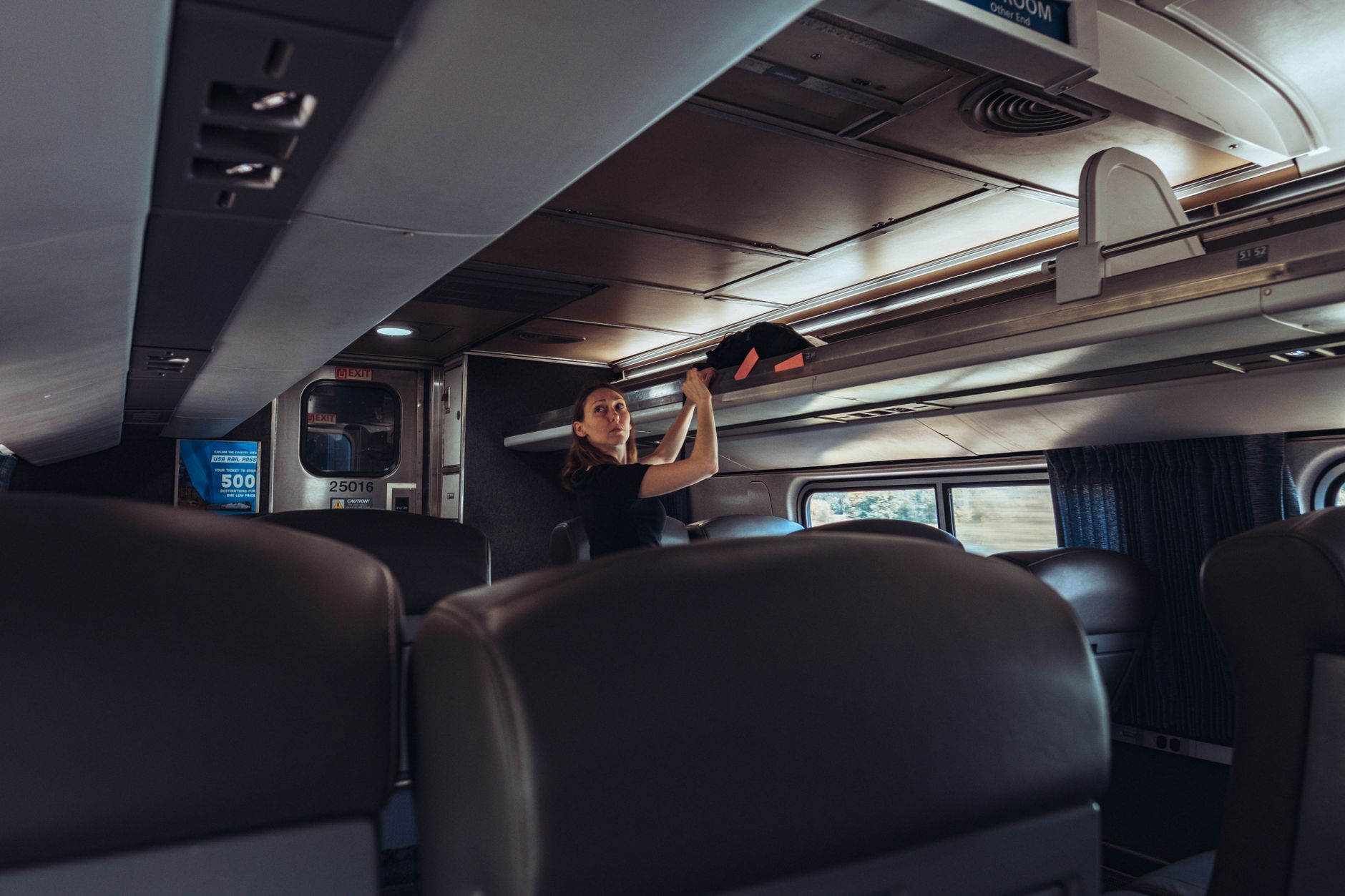
A 56-Passenger Motor Coach is usually the right starting point when 40 to 56 passengers, luggage, and a multi-day schedule need one vehicle and one operating plan. It is the workhorse of long-haul group travel, with reclining seats, overhead storage, a restroom, DVD or USB features, and luggage bays under the cabin. A smaller group may still choose it for luggage volume, onboard comfort, or a long interstate approach. Philadelphia Historic streets reward disciplined loading and unloading, because a full-size motor coach cannot park casually beside every venue and may need to stage at a designated facility.
| Vehicle | Seats | Best For | Notes |
|---|---|---|---|
| 56-Passenger Motor Coach | Up to 56 passengers | Best for a full school, church, alumni, military, or senior group traveling together over several states and days. | Reclining seats, overhead storage, restroom, DVD or USB, and underfloor luggage bays suit a full-group multi-day tour; use designated Old City loading zones and off-street coach parking. |
| 40 to 50 Passenger Motor Coach | 40 to 50 passengers | Fits groups below maximum capacity that want a full restroom coach with room for personal space or luggage. | Provides similar highway comfort with somewhat less seating capacity and cargo demand; still requires full-size motorcoach routing and venue staging in Philadelphia Historic. |
| 24 to 35 Passenger Mini Coach | 24 to 35 passengers | Works for a smaller group or split movement plan where a 56-Passenger Motor Coach would be excessive. | Easier to position at some urban curbs and useful for moderate luggage, but cargo volume and onboard amenities may be lower than a full motor coach. |
| Executive Sprinter Van | 8 to 14 passengers | Best for airport transfers, staff movements, VIP subgroups, or a small overflow unit rather than the main multi-day tour. | Handles short local transfers and smaller parties well, but has limited luggage capacity and is not a substitute for a full-group long-haul motor coach. |
Routing, Timing, and On-the-Road Realities
For a 56-Passenger Motor Coach approaching Philadelphia, the route usually depends on origin, but I-95, I-76, the Pennsylvania Turnpike, the New Jersey Turnpike, and I-676 are the corridors that most often control the schedule. I-95 traffic can build around the airport, South Philadelphia, the Walt Whitman and Betsy Ross bridge approaches, and interchange work, while I-676 and Center City streets can slow sharply during weekday peaks. A morning pickup should leave enough margin for pretrip inspection, passenger loading, tolls, a comfort stop, and congestion rather than using a navigation app's minimum travel time. For Old City, send the driver the approved arrival route and loading point in the dispatch packet; do not assume a general address will place a full motor coach at the correct curb. The Independence Transportation Center provides designated loading and unloading near 5th and Race Streets, and other attractions publish their own bus locations and time limits. After the group unloads, the driver should follow the approved oversize routing to coach parking, commonly the Callowhill Bus Center area, instead of hunting for street parking.
The pickup plan should give passengers a firm staging time, keep luggage closed until the driver is ready, and protect a 10-to-15-minute loading window where the venue limits curb occupancy. For Philadelphia Historic walking days, schedule the coach to arrive before the timed tour, then make the driver available at the agreed pickup point rather than asking the bus to circle the district. City events, parades, road closures, presidential movements, sports traffic, conventions, and summer construction can alter the route with little notice. Driver hours remain the controlling limit: long-haul work may require a second driver, a preceding overnight, or a hotel stop before the first full sightseeing day. A legal duty schedule should include the driver's inspection, fueling, repositioning to parking, passenger loading, and return to the hotel, not merely wheel time between attractions. For a multi-day itinerary, dispatch should preserve an afternoon recovery window on arrival day and avoid booking a fixed evening reservation immediately after a long interstate leg.
What This Typically Costs
A Philadelphia Historic group tour by 56-Passenger Motor Coach is usually priced as a charter package rather than a simple point-to-point fare. The quote commonly combines a daily minimum, mileage or trip-distance charge, and any deadhead miles required to bring the motor coach from its base to the pickup point and back. Multi-day schedules also include the driver's overnight lodging, meals or per diem, tolls, parking, and any required permits or venue fees. Expect higher market pricing around spring school-tour season, summer weekends, major conventions, holiday events, Army-Navy weekend, and large citywide festivals. Fuel adjustments may apply when diesel costs move materially, while driver gratuity is normally a separate line item or customary percentage. Ask for a written breakdown showing motor coach days, mileage, deadhead, parking, tolls, lodging, taxes, fuel adjustments, and cancellation terms; legitimate proposals use typical ranges and do not promise one universal price.
Frequently Asked Questions
How many days should a Philadelphia Historic group tour take?
A practical Philadelphia Historic group tour normally needs two to four days, depending on the origin and how much of Philadelphia is included. Day 1 is often a travel day with a rest stop and an afternoon arrival near Old City or the hotel. Two full sightseeing days allow Independence National Historical Park, the National Constitution Center, the Museum of the American Revolution, the Betsy Ross House, Christ Church, the Liberty Bell area, and an optional evening program. Groups coming from New England, the Midwest, or the Southeast may need an additional travel day each way because driver hours and passenger comfort limit how far the motor coach can run in one shift. A 56-Passenger Motor Coach is most efficient when the itinerary keeps the same vehicle and driver team with the group throughout the multi-day schedule.
What are the best months for a Philadelphia Historic group tour?
The most dependable sightseeing windows are generally April through June and September through October, when temperatures are easier for walking the historic district and school or alumni groups can operate before or after peak summer demand. July and August can work, but heat, humidity, thunderstorms, and heavier family-tour traffic make early starts and indoor backup stops useful. November and December can be attractive for museums and holiday programming, but short daylight, cold rain, and event traffic require tighter timing. Spring school-tour patterns can fill hotel rooms and motor coach parking, especially on weekdays. Reserve timed attractions, hotel rooms, and bus parking before publishing the final group tour itinerary.
What does a realistic multi-day Philadelphia Historic itinerary look like?
A workable schedule might place the group in Philadelphia on Day 1 after a morning departure, a meal stop, and an afternoon hotel check-in near Center City, the airport corridor, or the Navy Yard. Day 2 can start at the Independence Transportation Center near 5th and Race Streets, followed by the Liberty Bell Center, Independence Hall, the National Constitution Center, and a guided walk through the Old City blocks. Day 3 can cover the Museum of the American Revolution, Christ Church, Elfreth's Alley, the Betsy Ross House, Reading Terminal Market, and an evening group meal, with walking distances managed around the coach drop zone. Day 4 can add the National Constitution Center or a museum program before departure, or serve as the return travel day for groups traveling from nearby states. The driver should receive the final stop order, meal timing, hotel address, and passenger accessibility needs rather than relying on a sightseeing list alone.
Where can a 56-Passenger Motor Coach load and park in Philadelphia Historic?
Philadelphia has designated motorcoach loading and unloading locations near the historic attractions, and buses generally may not wait in ordinary street spaces. The Independence Transportation Center near 5th and Race Streets has designated loading positions, while other authorized areas include portions of 3rd Street, 2nd Street near Christ Church, Arch Street near the Betsy Ross House, and the City Tavern area. Loading windows can be limited to roughly 10 to 15 minutes, so passengers need to be staged before the 56-Passenger Motor Coach arrives. After unloading, the driver normally relocates to a coach facility such as the Callowhill Bus Center rather than circling Old City. Confirm current rules, operating hours, reservations, and any park-use or special-event permit needs with Independence National Historical Park, the attraction, and the parking operator before dispatch.
What does a 56-Passenger Motor Coach fit well?
A 56-Passenger Motor Coach is the workhorse of long-haul group travel when the full party needs to ride together. It typically provides reclining seats, overhead storage, a restroom, DVD or USB amenities, and luggage bays underneath, making it suitable for a multi-day school, alumni, church, military, or senior group tour. The restroom is useful between highway stops but does not replace planned meal and comfort breaks. The bus is not a downtown shuttle that can freely stop beside every attraction; narrow Old City blocks, low clearances, turning movements, pedestrians, and restricted curb space require designated drop zones. If the group has unusually high luggage volume, mobility equipment, or a split itinerary, confirm bay capacity and accessibility equipment before assigning the vehicle.
How do driver hours affect a multi-day Philadelphia group tour?
Drivers must plan the trip around federal hours-of-service limits, required off-duty breaks, and a realistic pretrip inspection, not just the distance shown on a map. A common planning constraint is the 10-hour driving limit after required off-duty time, with a 14-hour duty window and a break requirement during the driving period; the carrier and driver must verify the rules that apply to the operation. Long approaches from Boston, Pittsburgh, Washington, or the Carolinas may require a second driver, an overnight stop, or a shortened first sightseeing day. A driver cannot safely or legally extend the shift because a museum reservation is fixed. Build recovery time around congestion on I-95, the New Jersey Turnpike, the Pennsylvania Turnpike, I-76, and I-676, then protect the hotel's driver check-in and parking plan.
What information is needed to book this Philadelphia Historic motor coach?
Start with travel dates, pickup address, passenger count, luggage estimate, accessibility needs, hotel preferences, attraction reservations, meal plans, and the required return time. Include every state and city on the route, because deadhead, tolls, driver lodging, and total duty time depend on more than the Philadelphia stop. US Bus Trips can usually return a preliminary quote within 4 business hours when the itinerary and pickup details are complete. The confirmation should identify the assigned vehicle class, operating carrier, pickup and drop-off schedule, inclusions, exclusions, parking and permit responsibilities, payment schedule, cancellation terms, and emergency contact process. For a Philadelphia Historic group tour, send the final attraction list early enough for the dispatcher to validate bus access, loading windows, and coach parking.
How to Book
Have the travel dates, pickup address, passenger count, luggage estimate, accessibility requirements, hotel area, attraction list, and preferred departure and return times ready before requesting a quote. US Bus Trips can typically provide a preliminary response within 4 business hours when those details are complete, then validate motor coach availability, driver duty time, deadhead, parking, and lodging. The confirmation should show the vehicle class, operating carrier, itinerary, inclusions, exclusions, payment schedule, cancellation terms, emergency contact, and any venue or parking responsibilities. Reach us through the US Bus Trips inquiry channel or by phone with the subject Philadelphia Historic group tour so dispatch can build the run around the actual 56-Passenger Motor Coach requirements.
Related Trips You Might Also Consider
- Alumni Tour — Pacific Region
- Cleveland, OH to Columbus, OH
- Yosemite — 36-Passenger Mini Coach
- Columbus, OH to Cincinnati, OH
- Non-Profit Fundraiser — Pacific Region
- Military Reunion — South Central Region
- Cross-Country Charter Bus Overview
- All Group Trip Types
- See the Full Fleet (Sprinters through 56-pax coaches)
- Get a Free Quote in 60 Seconds