
This Rocky Mountain National Park group tour fits reunions, school programs, alumni trips, and outdoor clubs traveling with a full 36-person roster.
Overview
A Rocky Mountain National Park group tour is usually built around an arrival corridor rather than a single park entrance. Denver International Airport, downtown Denver, Boulder, Lyons, Loveland, and Estes Park are common staging points, while Colorado Springs and Cheyenne groups need to budget additional highway time. A 36-Passenger Mini Coach works well for family reunions, alumni organizations, church groups, school travel, and outdoor clubs that want one vehicle for the full roster. The coach can carry day packs and several nights of baggage, but the group should inventory coolers, camping equipment, skis, mobility devices, and oversized cases before booking. Those items can change the required vehicle class even when the passenger count remains 36. A multi-day plan is safer than a same-day push because park traffic, weather, and loading delays are difficult to recover in the high country.
The first operating day should be a travel and orientation day, not the most ambitious hiking day. A Denver-origin group may stop in Boulder or Lyons, continue through the Big Thompson Canyon, and settle in Estes Park before the driver's duty window becomes tight. Groups coming from farther away may need an overnight in Denver, Loveland, or another corridor city before entering the park. On subsequent days, the motor coach can support Bear Lake, Moraine Park, Fall River, Trail Ridge Road, and west-side viewpoints when conditions and vehicle access permit. The National Park Service uses shuttle service on the Bear Lake Road corridor during the summer season, and shuttle connections can be more practical than trying to park a coach at a crowded trailhead. Treat the park as a controlled operating environment, not an open-access bus loop.
Seasonal operations matter more here than in a standard city tour. Peak summer brings the strongest demand for vehicles, lodging, timed-entry reservations, and early parking, while September and early October can provide better margins for weather and fall-color planning. Snow, wind, wildlife activity, road work, and elevation can change the day after the itinerary is issued. Estes Park lodging often serves as the east-side base, while Grand Lake is useful for a west-side segment but can create a costly repositioning if the group keeps rooms on the opposite side. Hotels should confirm coach loading, overnight parking, clearance, and whether the driver can remain with the vehicle during staging. Include a weather fallback such as Boulder, the Estes Park area, a museum, or a scenic lower-elevation route so the group is not left with an unusable high-country schedule.
Fleet Options
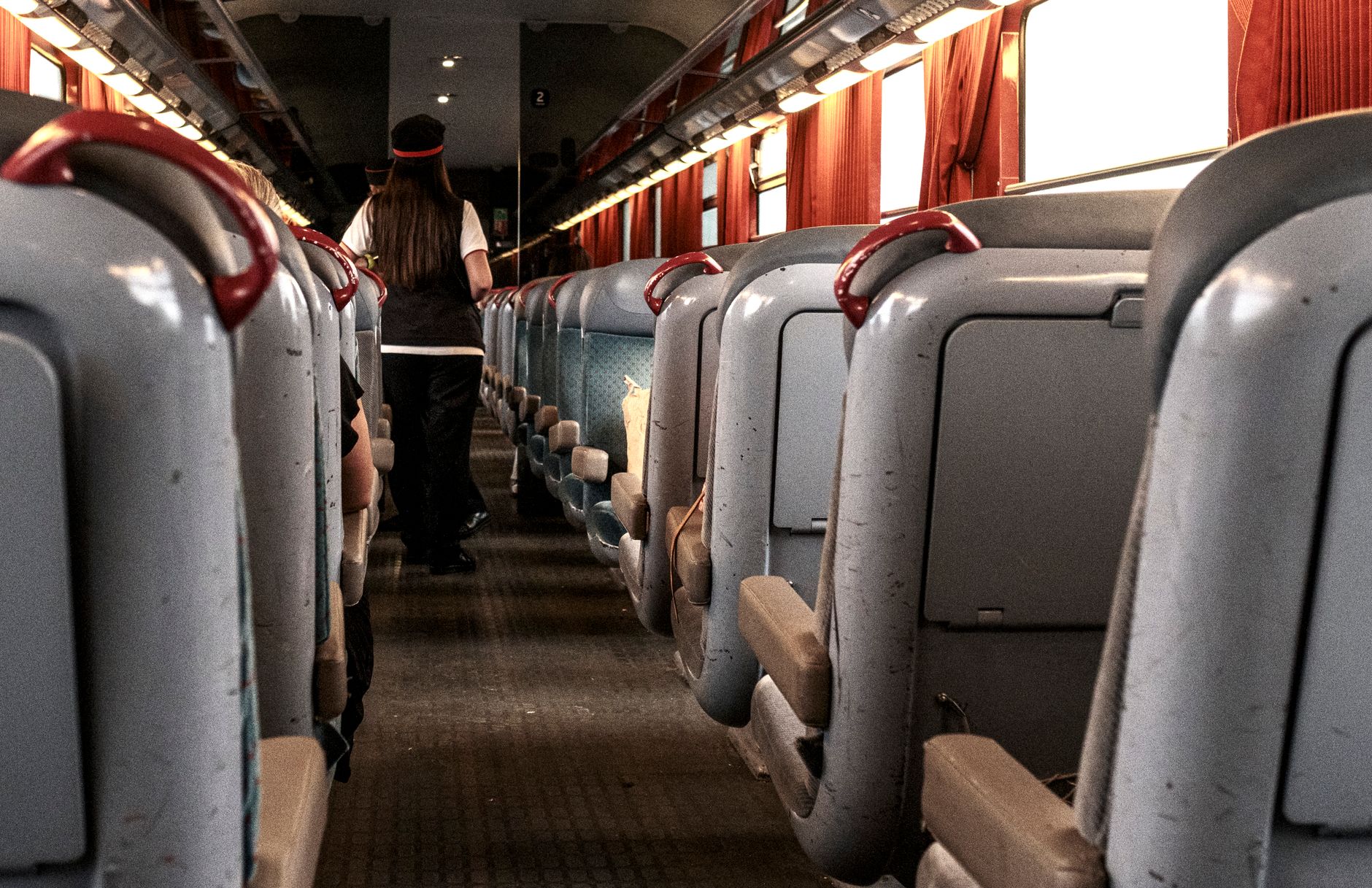
A 36-Passenger Mini Coach is a mid-size motor coach with high-floor seating, luggage bays, and coach-style seats, making it a strong fit when a 56-passenger bus is too large and a 24-passenger vehicle is too small. It gives a group tour room for day packs and checked luggage without the footprint of a full-size coach. Confirm the actual bay capacity because golf equipment, coolers, mobility devices, or several nights of luggage can consume space quickly. In Estes Park and at mountain venues, the smaller body can simplify turns and loading, but it still requires commercial-vehicle routing and a confirmed parking plan.
| Vehicle | Seats | Best For | Notes |
|---|---|---|---|
| 36-Passenger Mini Coach | Up to 36 passengers | Best for a full 36-person group tour needing consistent seating, luggage capacity, and a professional ride between Denver, Estes Park, and park staging areas. | High-floor motor coach seating and exterior luggage bays suit a medium group with multi-day baggage; verify bay volume and mountain-road clearance. |
| 24-Passenger Mini Bus | Approximately 18-24 passengers | Fits a reduced group or split movement when the headcount is below the 36-passenger requirement and baggage is light. | More maneuverable for tight hotel approaches and smaller parking areas, but cargo space and seat capacity may be limiting for a multi-day trip. |
| 56-Passenger Motor Coach | Approximately forty-eight to 56 passengers | Makes sense when the roster may grow, the group carries substantial luggage, or the trip combines several organizations in one vehicle. | Provides more capacity and often larger luggage bays, but requires more careful clearance, turning, loading, and parking checks in Estes Park and mountain facilities. |
| Executive Sprinter Van | Approximately 10-14 passengers | Works for a small satellite group, airport transfer, or staff movement, not as the primary vehicle for 36 passengers. | Useful for a small leadership or support unit, with limited luggage volume and less passenger capacity than a coach designed for the full group. |
Routing, Timing, and On-the-Road Realities
For a Denver or airport pickup, dispatch normally allows time for I-25 congestion, US 36 through Boulder and Lyons, or I-70 and connecting routes depending on the final approach. Early departures are valuable in summer because the group can clear the Estes Park approach before visitor traffic builds, but an early pickup still has to respect the driver's prior rest period. The Big Thompson Canyon and US 34 approach involve grades, curves, rockfall exposure, and slower commercial-vehicle movement, so the schedule should not use ordinary automobile map times. A coach may load at the Estes Park Visitor Center or an approved hotel location, while the group uses park shuttle service for the Bear Lake corridor. Confirm whether the itinerary requires the Bear Lake timed-entry product, the general park entry product, or another current reservation category. Build a hard turnaround time for lunch, restroom stops, passenger counts, and weather holds before promising an evening event.
Inside Rocky Mountain National Park, parking capacity and road geometry are operational constraints. A 36-Passenger Mini Coach may fit routes that challenge a full-size motor coach, but it still needs verified access, clearance, turning room, and a legal place to stage. Do not send the coach into a trailhead lot simply because passenger cars are allowed there; confirm commercial bus rules, oversize restrictions, and current construction or seasonal closures. Trail Ridge Road can be a centerpiece when open, but altitude, snow, wind, and slow traffic require conservative timing and a lower-elevation backup. The driver needs a real break plan, because scenic stops, passenger unloading, and vehicle checks count toward the duty day even when the coach is parked. For a long first or last travel day, use a second driver or add an overnight rather than compressing the return after a full day in the park.
What This Typically Costs
A 36-Passenger Mini Coach is usually quoted from a daily minimum, then adjusted for route mileage, trip length, and whether the vehicle must deadhead from another market. A multi-day Rocky Mountain National Park group tour commonly runs a few thousand dollars per operating day in most markets, with summer and fall foliage dates carrying the highest demand. Distance from Denver, Colorado Springs, Cheyenne, or an out-of-state origin can materially change the quote because repositioning miles, fuel, tolls, and driver time are not limited to passenger-loaded miles. Plan separately for driver lodging, parking, meals or per diem, and any second-driver requirement when the schedule exceeds one driver's legal limits. Typical line items may include park or venue access charges, hotel bus parking, driver gratuity, cleaning, and a fuel adjustment. The lowest quote is not always the lowest operating cost if it excludes deadhead, overnight parking, or a realistic recovery window for mountain traffic.
Frequently Asked Questions
How many days should a Rocky Mountain National Park group tour take?
A practical group tour is usually four to six days from a distant origin, with two or three full days allocated to Rocky Mountain National Park. Denver-based groups can often use three to four days, depending on whether the itinerary includes Trail Ridge Road, Estes Park, Boulder, or a second Colorado destination. Day 1 should cover travel and a low-pressure first stop rather than a long hike. Longer multi-day schedules protect the driver from compressed mountain-road timing and give the group weather flexibility.
What are the best months for a 36-Passenger Mini Coach trip?
The most dependable operating window is generally late June through early October, but conditions vary by elevation and year. July and August offer the best chance that high routes and visitor services are fully open, while September and early October usually bring cooler temperatures, fall color, and less peak-summer pressure. Trail Ridge Road can have seasonal restrictions, and snow can affect higher elevations outside summer. May and early June may work for lower-elevation sightseeing, but groups should not build a high-country itinerary around routes that may still be closed.
What itinerary works well for this group tour?
A typical 36-Passenger Mini Coach group tour starts with pickup in Denver, the airport area, or another regional origin, followed by travel toward Estes Park. Day 1 can include Boulder, Lyons, or the Estes Park Visitor Center if timing allows, with the coach parked before the group walks the downtown area. Day 2 can use the Bear Lake Road corridor, with the motor coach staged at an approved location and passengers transferring to park shuttle service where required. Another day can cover Trail Ridge Road when open, Many Parks Curve, the Alpine Visitor Center, Grand Lake, and west-side overlooks. The final day should allow a conservative return schedule with meal and fuel stops rather than a late airport connection.
Does a motor coach need a permit or timed entry reservation?
The park may require timed entry during designated seasonal hours, including for commercial operators arriving by vehicle. The reservation window is typically a two-hour entry period, so the dispatch plan must match the coach arrival rather than relying on an open-ended afternoon visit. Commercial Use Authorization or Special Use Permit holders still need to follow the applicable timed-entry requirements. A booking should identify whether the group wants Bear Lake, the rest of the park, or both because access products and shuttle arrangements can differ. Confirm current rules with the National Park Service before finalizing passenger materials.
Can a 36-passenger coach drive to every park trailhead?
A 36-Passenger Mini Coach should not be treated like a passenger car on mountain roads or in small visitor lots. The operator needs the vehicle's actual length, height, width, turning requirements, and luggage-bay clearance before committing to Trail Ridge Road, Bear Lake access, hotels, or venue loading areas. Some park corridors and lots have limited space, and the group may need to use designated staging, park-and-ride facilities, or NPS shuttle connections instead of driving directly to a trailhead. Oversize routing should be checked with the park and the carrier because construction, snow, grade, and seasonal restrictions can change. Do not promise front-door trailhead access without a confirmed bus-access plan.
How do driver hours affect a multi-day itinerary?
Federal passenger-carrier rules generally allow up to 10 hours of driving after at least 8 consecutive hours off duty, with a 15-hour on-duty window. The carrier must also track the 60-hour seven-day or 70-hour eight-day limit, and other employment can count as on-duty time. Mountain sightseeing adds loading, passenger checks, fueling, parking, weather holds, and slow grades, so a day with only a few hours of wheel time can still consume the driver's duty window. A second driver may be needed for a long origin-to-park transfer or a tightly scheduled return. The itinerary should include a legal overnight reset and avoid promising a late-night arrival after a full in-park day.
Where should a 36-person group stay?
Estes Park is the most practical base for east-side park days because it reduces repeated approach miles and supports early Bear Lake or Fall River Road departures. Hotels in Loveland, Longmont, Boulder, or north Denver can work when the group has an urban program, but each additional approach adds congestion and morning staging time. Grand Lake is useful for a west-side night when the itinerary includes the park's western entrance, but moving the coach between sides can require substantial mountain-road time. Ask every hotel about coach loading, overnight parking, idling limits, and clearance before contracting rooms. A good lodging plan usually keeps the coach near the next morning's operating zone rather than changing hotels nightly.
How to Book
To quote this multi-day group tour, have the travel dates, pickup address, passenger count, luggage needs, hotel cities, park areas, first and last stop, and any accessibility requirements ready. Include whether the group is flying through Denver, starting in another state, or adding Boulder, Grand Lake, Colorado Springs, or a conference venue. US Bus Trips can typically return a realistic quote within 4 business hours once the route and operating days are clear. The confirmation should identify the vehicle class, pickup and drop-off details, operating dates, mileage assumptions, driver lodging plan, included and excluded line items, and the process for confirming park or venue requirements. Contact US Bus Trips with the itinerary and a reachable group contact so dispatch can resolve timing and access questions before deposits are due.
Related Trips You Might Also Consider
- Branson — 14-Passenger Sprinter
- Tulsa, OK to Kansas City, MO
- Williamsburg — 56-Passenger Motor Coach
- Cleveland, OH to Detroit, MI
- Albuquerque, NM to Denver, CO
- Family Reunion — Pacific Region
- Cross-Country Charter Bus Overview
- All Group Trip Types
- See the Full Fleet (Sprinters through 56-pax coaches)
- Get a Free Quote in 60 Seconds