
A Sequoia group tour in a 14-Passenger Sprinter fits families, corporate teams, alumni groups, and VIP travelers who want private transportation without booking a full motor coach.
Overview
A Sequoia group tour usually starts with a geography decision: whether the group is coming from Los Angeles, Orange County, San Diego, the Bay Area, Sacramento, Las Vegas, or a local Central Valley pickup. Los Angeles and San Diego groups commonly stage through Bakersfield or Visalia before entering through Three Rivers and the Ash Mountain entrance. Bay Area and Sacramento groups may approach through Fresno and Visalia, while Las Vegas groups need enough time for the Mojave and Southern Sierra corridors rather than treating the park as a quick day trip. A 14-Passenger Sprinter is appropriate for families, company retreats, church groups, alumni organizations, and private VIP parties that value a dedicated vehicle. The first day often includes travel, lunch, fuel, and a foothills stop instead of a rushed attempt to reach General Sherman Tree. The operational goal is to arrive with enough daylight and driver capacity for the next park day.
A realistic multi-day itinerary commonly uses day one for the long approach, hotel check-in, and an initial stop at the Foothills Visitor Center or a Three Rivers property. Day two can cover the Giant Forest Museum, General Sherman Tree, Moro Rock if open and legally accessible for the vehicle, and Lodgepole-area stops, with the park shuttle used where parking or road controls make that cleaner. Day three may add Wolverton, additional Giant Forest trails, or a transfer toward Kings Canyon, although road conditions and the group's hiking pace determine whether that is practical. A four- or five-day plan is more appropriate when the group originates outside California or wants Yosemite, the Central Coast, or a winery and coastal return route. Do not schedule every overlook as a guaranteed stop because mountain traffic, restroom breaks, loading, and trail time expand quickly. The final schedule should distinguish drive time, vehicle standby, walking time, and the driver's legally available work window.
Lodging decisions shape the entire Sequoia operation. Three Rivers is the most direct base for an Ash Mountain entry, while Visalia offers a larger selection of chain hotels, restaurants, meeting rooms, fuel stops, and bus-friendly commercial properties. In-park or mountain lodging can reduce daily approach time but usually has less inventory, tighter access, and more exposure to seasonal road and weather issues. Ask each property about a designated loading area, overnight parking, breakfast opening time, luggage staging, low branches, driveway grades, and whether a 14-Passenger Sprinter can turn without backing into traffic. Event patterns matter: summer weekends, holiday periods, school breaks, weddings, retreats, and national-park travel seasons consume rooms and parking well ahead of the travel date. For a multi-day group tour, a hotel that can load at dawn and hold bags securely may be more operationally useful than a property that is slightly closer on a map.
Fleet Options
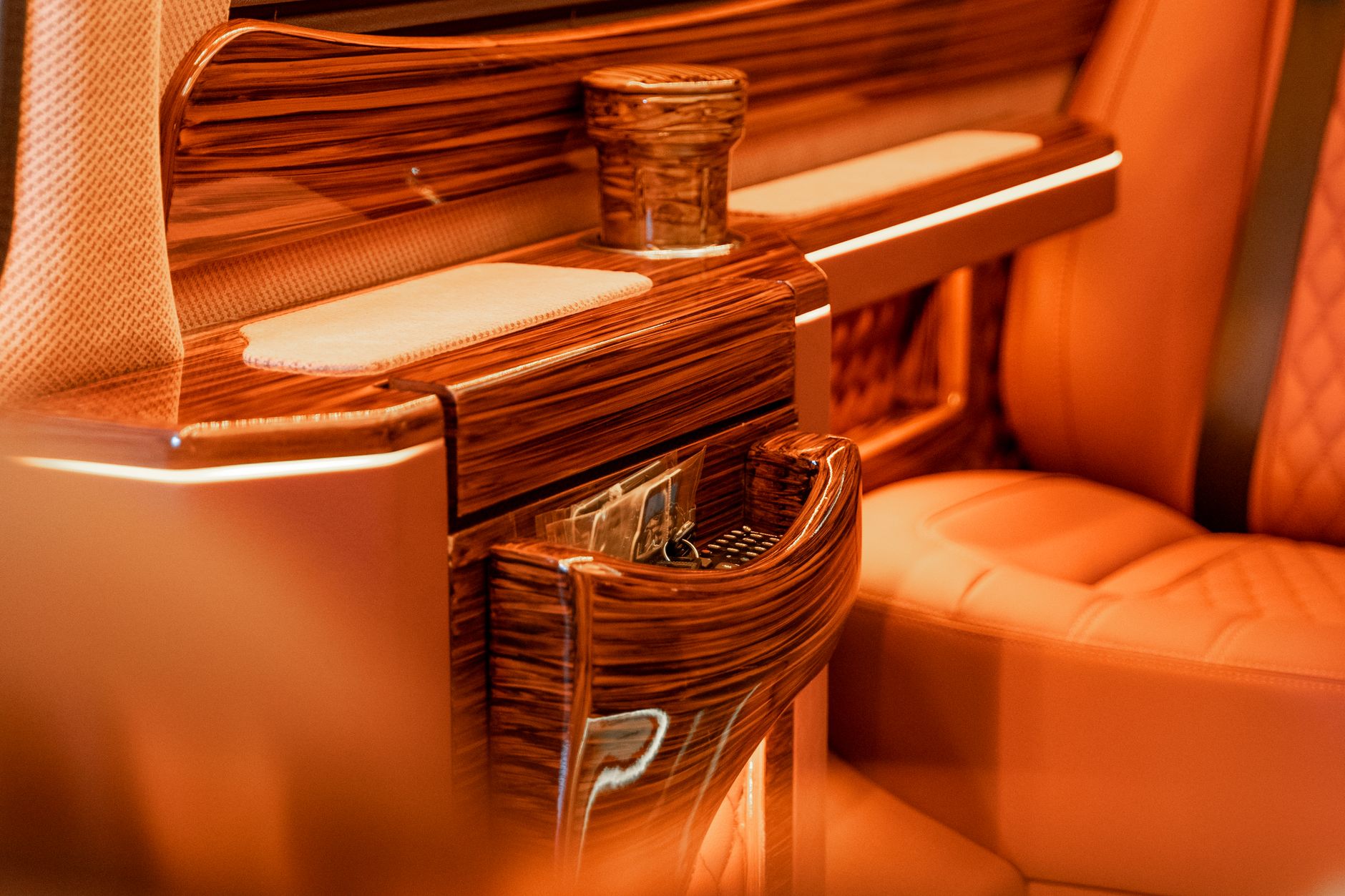
Vehicle selection starts with headcount, baggage, and the number of hours the group will remain in the vehicle each day. A 14-Passenger Sprinter works well when the group is near 14 passengers, luggage is limited to soft bags and daypacks, and the itinerary values privacy and maneuverability over restroom capacity. An Executive Mercedes Sprinter or Ford Transit may provide leather captain's chairs, WiFi, USB charging, and small cargo, which suits VIP transfers and compact tour groups. A larger motor coach is more comfortable when passengers bring hard-shell luggage, coolers, hiking gear, or several days of supplies. Even a small vehicle must be checked against park length limits, mountain-road clearances, hotel driveways, and parking-lot turning space.
| Vehicle | Seats | Best For | Notes |
|---|---|---|---|
| Executive Mercedes Sprinter | Up to 14 passengers | Best for a VIP group tour with light luggage, frequent conversation, and a preference for a quiet cabin over maximum cargo. | Usually offers leather captain's chairs, WiFi, USB charging, and small cargo space; confirm the exact layout because luggage capacity varies by operator. |
| Executive Ford Transit | Up to 14 passengers | Fits family, alumni, corporate, and wedding groups that need private transportation between airports, hotels, and Sequoia access points. | A practical compact option with comfortable seating and small-bag storage, but the usable cargo area depends heavily on seat configuration. |
| Mini bus | Approximately 18 to 28 passengers | Use when the headcount may grow beyond 14 or the group has more luggage and day equipment than a Sprinter can safely carry. | Adds more upright cabin room and often more luggage flexibility than a Sprinter, while remaining easier to position than a full motor coach. |
| Motor coach | Approximately 35 to 56 passengers | Choose for a larger multi-day group, substantial luggage, or a consolidated departure where comfort and cargo outweigh access to narrow park roads. | Provides the best passenger capacity and underfloor baggage space, but its length and turning radius require stricter routing and parking checks inside Sequoia. |
Routing, Timing, and On-the-Road Realities
The primary approach from the south uses Interstate 5 or regional Los Angeles corridors toward Bakersfield, then State Route 99 and local roads through Visalia and Three Rivers before Generals Highway climbs into Sequoia. From the Bay Area or Sacramento, the route commonly uses Interstate 5 or State Route 99 through Fresno and Visalia, with traffic variability around Fresno, Bakersfield, and major Central Valley work zones. Pickup timing should be early enough to clear metropolitan congestion before the group reaches the long mountain approach, but not so early that the driver loses the required overnight rest window. Build fuel and meal stops before the climb because services become limited after Three Rivers. A motor coach needs more conservative turning and stopping plans than a 14-Passenger Sprinter, and all vehicles should be checked against current road advisories before dispatch. Wildfire activity, rockfall, snow, construction, and temporary controls can change the usable route even when the itinerary was booked months earlier.
Inside the park, plan parking rather than assuming the vehicle can stop at every attraction. The Giant Forest Museum and General Sherman Tree parking areas are often full by mid-morning on busy weekends and holidays, so an early arrival or use of Lodgepole and Wolverton with park shuttle connections is more reliable. Vehicles over 22 feet are restricted on Moro Rock and Crescent Meadow Road, and Crystal Cave Road also has a 22-foot restriction; a Sprinter's actual bumper-to-bumper length must be confirmed rather than inferred from its model name. Passenger buses may not idle for more than five minutes when not underway, except for the permitted pre-trip inspection window, so drivers need a proper unloading and staging plan. Federal passenger-carrier rules generally allow up to 10 hours of driving after 8 consecutive hours off duty and cap the on-duty window at 15 hours, with weekly limits also applying. For a multi-day group tour, schedule the driver to park, rest, and overnight rather than promising a late return after a full sightseeing day.
What This Typically Costs
A Sequoia group tour in a 14-Passenger Sprinter is usually quoted by service day, mileage, and the vehicle's positioning needs rather than by a simple one-way fare. Expect a daily minimum in most markets, with additional mileage or hourly charges when the itinerary includes long approach legs, airport transfers, or repeated local movements. Deadhead miles from the operator's yard to the pickup and back can materially affect a multi-day quote, especially for pickups in Southern California, the Bay Area, Las Vegas, or out-of-state origins. Seasonal peaks commonly occur from late spring through early fall, holiday weekends, and school-break periods, while snow-season access can require more conservative routing and schedule padding. Driver overnight lodging, parking, tolls, and any second-driver requirement are normally separate line items or built into the operating-day calculation. Fuel adjustments may apply when fuel prices move materially, and driver gratuity is commonly budgeted separately; ask for an all-in breakdown covering vehicle time, mileage, deadhead, lodging, permits, parking, fuel, and gratuity.
Frequently Asked Questions
When are the best months for a Sequoia group tour? long-haul motor coach access is best from late spring through early fall, after winter weather and seasonal road closures ease. June through October generally offers the broadest access to Giant Forest and higher-elevation attractions, but July and August bring heavier weekend traffic and fuller parking. Late September and October can provide cooler hiking conditions and less summer pressure, subject to weather and wildfire conditions. Winter trips require flexible routing because snow can close roads, and the Moro Rock and Crescent Meadow road typically closes to cars once snow accumulates and may remain closed until around Memorial Day weekend.
For most groups, plan on three to five days from a California pickup, depending on whether the trip includes only Sequoia or adds Kings Canyon, Yosemite, the Central Coast, or a return stop. A one-day run from Los Angeles or the Bay Area is possible but leaves little margin for traffic, park queues, and trail time. A three-day group tour can use day one for travel and foothill stops, day two for the Giant Forest and Lodgepole area, and day three for a final overlook or return leg. Groups traveling from Nevada, Arizona, or farther east should usually allow an additional travel day or use a staged overnight.
A 14-Passenger Sprinter is a strong fit for 8 to 14 travelers carrying soft luggage, daypacks, and a controlled amount of overnight baggage. An Executive Mercedes Sprinter or Ford Transit may offer leather captain's chairs, WiFi, USB charging, and small cargo space, making it useful for VIP transfers, family groups, alumni groups, and compact tour parties. It is more maneuverable than a full motor coach on approach roads and in town, but it is not a substitute for a large coach when every passenger brings bulky luggage or camping equipment. Confirm the actual seating layout and cargo capacity before finalizing the passenger count.
What does a 14-Passenger Sprinter fit best for?
Not necessarily. Sequoia National Park restricts or advises against larger vehicles on several roads, and single vehicles longer than 22 feet are prohibited on Moro Rock and Crescent Meadow Road unless a qualifying park permit or authorization applies. Crystal Cave Road also prohibits vehicles longer than 22 feet, while the Generals Highway has separate length guidance and prohibitions by segment. A typical 14-Passenger Sprinter may fit many access limits, but the operator should verify its exact length, mirrors, turning clearance, weather restrictions, and current park notices. The itinerary may use the Giant Forest Museum or Lodgepole area with park shuttle connections instead of driving every spur road.
Can the Sprinter drive to every Sequoia attraction?
The answer depends on the service and activity, not simply the passenger count. Commercial passenger carriers and tour operators should confirm whether their operation requires a Commercial Use Authorization, special use permit, entrance arrangement, or other park approval before arrival. A permit may be particularly relevant when requesting access to a restricted road, conducting guided commercial activity, staging equipment, or operating in a way beyond ordinary transportation. The park also controls where vehicles may stop and park, and a permit does not automatically create a parking space. US Bus Trips should verify the current National Park Service requirements with the carrier and park contacts before issuing a final routing plan.
Do commercial buses need a Sequoia permit?
Three Rivers is the most practical staging base for a group entering through the Ash Mountain entrance and traveling up Generals Highway, with lodging, restaurants, and a shorter first approach to the Foothills Visitor Center. Visalia offers more lodging inventory, fuel, dining, and hotel meeting space, but adds drive time each park day. Groups focused on the Giant Forest or Lodgepole area can consider limited in-park lodging or nearby mountain properties, subject to availability, seasonal access, and vehicle clearance. For a multi-day motor coach itinerary, book lodging with a bus-accessible driveway, loading zone, turning room, breakfast timing that matches departure, and secure overnight parking.
Where should a Sequoia group stay?
Passenger-carrier rules generally limit a driver to 10 hours of driving after 8 consecutive hours off duty and prohibit driving after 15 hours on duty following that rest period. Weekly on-duty limits also apply, generally 60 hours in seven days or 70 hours in eight days depending on the carrier's operating schedule. Park sightseeing is on-duty time when the driver remains responsible for the vehicle, so a day that combines a long approach, multiple stops, and an evening hotel transfer can exceed the practical work window. A carrier may need a second driver, a true overnight layover, or a split itinerary rather than a same-day return. Build in time for pre-trip inspection, fuel, loading, traffic, park queues, and required rest instead of treating the published drive time as the full operating day.
How do driver hours affect a multi-day Sequoia itinerary?
Parking fills early at the Giant Forest Museum and General Sherman Tree area, particularly on weekends and holidays. The park directs visitors toward larger parking areas such as Lodgepole Campground and Wolverton, with shuttles operating seasonally in the Giant Forest and Lodgepole areas. At the Giant Forest Museum, vehicles should use designated RV spaces in the upper lot across the highway, not the small museum-side area or shuttle stop south of the museum. The Foothills Visitor Center has RV spaces across the main road, but parking is still subject to capacity and vehicle placement rules. A motor coach or Sprinter should never block traffic, occupy an unapproved shoulder, or assume that a group reservation guarantees curb space.
How does parking work for a Sprinter or motor coach in Sequoia?
How to Book
To quote the trip, have the travel dates, pickup address, passenger count, luggage estimate, hotel preferences, and a draft itinerary ready, including whether Kings Canyon or other California stops are included. Share desired pickup and return windows rather than only the sightseeing date, because deadhead, driver rest, and overnight staging can change the operating plan. US Bus Trips can generally return a realistic quote within 4 business hours when the routing details are complete. The confirmation should identify the vehicle class, passenger capacity, service dates, pickup and drop-off points, planned mileage or service hours, driver lodging responsibility, parking or permit assumptions, cancellation terms, and any fuel or gratuity line items.
Related Trips You Might Also Consider
- Austin, TX to Houston, TX
- Redwoods — 14-Passenger Sprinter
- Nashville Music — 56-Passenger Motor Coach
- Niagara Falls — 24-Passenger Mini Bus
- High School Band Tour — Mid-Atlantic Region
- Yosemite — 24-Passenger Mini Bus
- Cross-Country Charter Bus Overview
- All Group Trip Types
- See the Full Fleet (Sprinters through 56-pax coaches)
- Get a Free Quote in 60 Seconds