
A 14-Passenger Sprinter works well for executive transfers, family groups, alumni outings, and small hiking tours visiting Shenandoah National Park.
Overview
A Shenandoah group tour in a 14-Passenger Sprinter is usually built around a three- to five-day window rather than a rushed day trip. Nearby departures from Washington, DC, Northern Virginia, Baltimore, Richmond, Charlottesville, or the Shenandoah Valley can reach an entrance station on day 1, but the group still needs time for loading, meal breaks, traffic, and the first overlook. A typical customer is a family reunion, corporate retreat, alumni group, wedding party, or hiking club that wants one vehicle without paying for a full motor coach. The Sprinter's executive layout supports conversation and individual seating during the approach to the park. It does not solve every capacity problem: fourteen people with full-size luggage, coolers, and outdoor equipment can exceed the useful cargo space. Confirm the packing plan before treating all 14 seats as available.
Day 1 should be a travel and orientation day, not an attempt to complete the entire 105-mile Skyline Drive. A Washington-area pickup can use I-66 toward Front Royal and the northern entrance, while Richmond or Charlottesville groups may approach through US 29, US 33, or I-64 depending on the selected park section and hotel. Build an early lunch and a first stop such as Dickey Ridge Visitor Center, a nearby overlook, Luray Caverns, or a gateway-town restaurant when the schedule permits. Front Royal, Luray, Sperryville, Harrisonburg, Staunton, Charlottesville, and Waynesboro are useful staging choices, but the best base depends on the entrance, trail plan, and next morning's driver hours. A group staying outside the park should expect rural roads, limited late-night food options, and occasional hotel access constraints. During fall foliage weekends, reserve rooms and vehicle capacity well ahead of time because the same corridors serve leaf-peeping traffic and event demand.
Days 2 through N should be organized by park section and trail difficulty, with early departures for popular trailheads and a firm return time for the driver. Northern itineraries can combine Front Royal, Dickey Ridge, Marys Rock, and nearby access points; central plans often use Thornton Gap, Big Meadows, Byrd Visitor Center, and overlooks around the park's middle section. Southern routing can stage near Swift Run Gap, Rockfish Gap, Waynesboro, or Charlottesville, depending on whether the group wants hikes, wineries, historic sites, or a return toward I-64. Shenandoah has no authorized in-park shuttle providers, so the charter vehicle must be planned as the group's transportation between lodging, trailheads, visitor centers, and meals. Parking is available at designated trailheads, visitor centers, picnic areas, waysides, and overlooks where space permits, but a Sprinter cannot occupy circulation lanes or block Skyline Drive. Keep the schedule flexible for weather alerts, construction, congestion, and the slow 35 mph operating environment.
Fleet Options
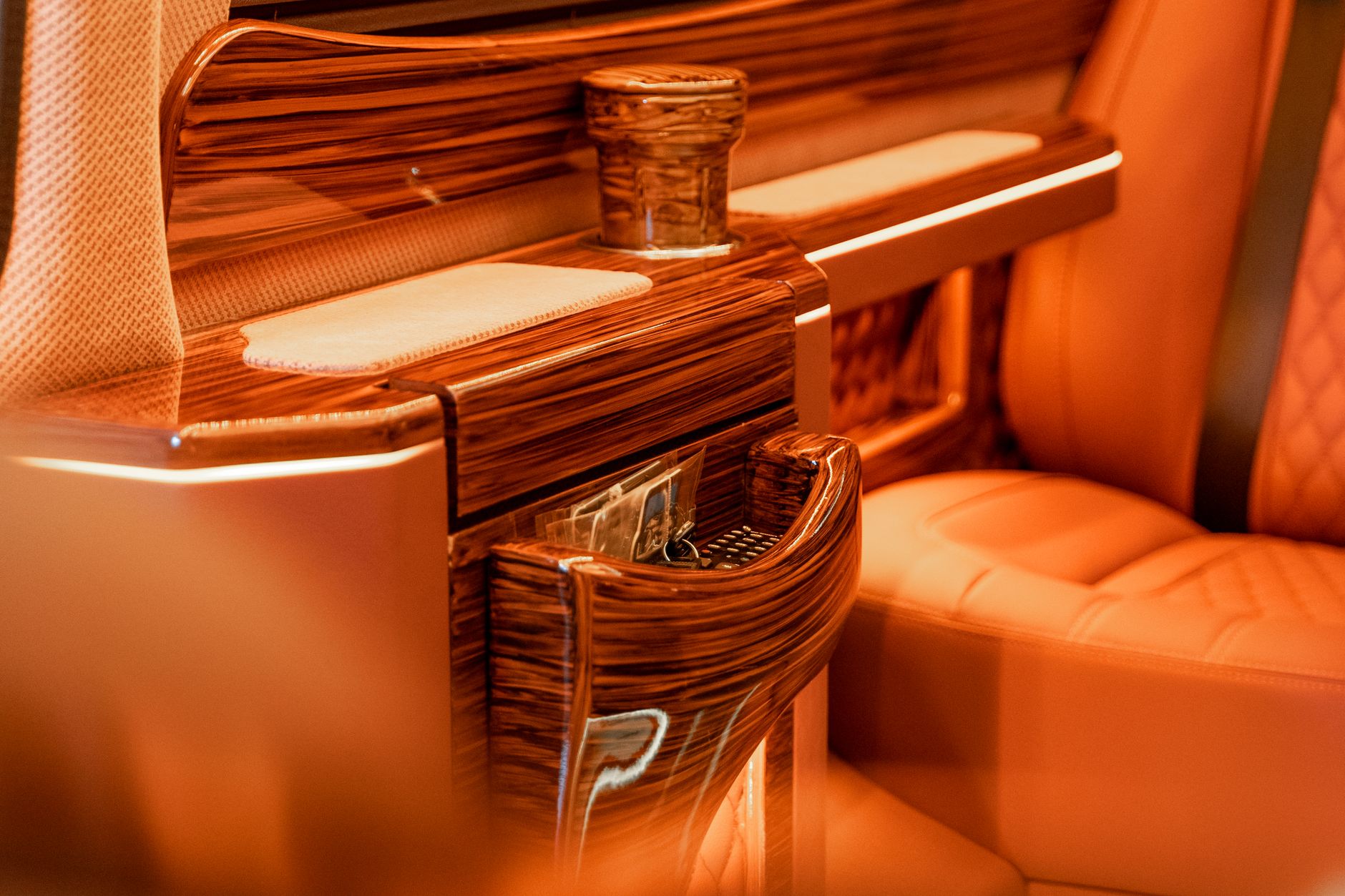
A 14-Passenger Sprinter is a strong match for a small group tour when the headcount is capped at 14 and luggage is modest. Executive Mercedes Sprinter or Ford Transit configurations commonly provide leather captain's chairs, WiFi, USB charging, and a quieter cabin suited to VIP transfers and multi-day sightseeing. The small cargo compartment requires a packing plan, especially when passengers bring hiking shoes, coolers, or camera equipment. Compared with a motor coach, the Sprinter is easier to place at trailhead lots, gateway restaurants, and smaller hotels, but it still needs a clearance check and sufficient turning space. If comfort, luggage volume, or a distant origin pushes the schedule toward long driving days, price a larger vehicle or an additional support option.
| Vehicle | Seats | Best For | Notes |
|---|---|---|---|
| Executive Mercedes Sprinter | Up to 14 passengers | Best for a polished 14-passenger Shenandoah group tour with light luggage and frequent overlook or hotel stops. | Leather captain's chairs, WiFi, USB charging, and a small cargo area suit VIP transfers and compact soft luggage; verify vehicle height before the Marys Rock Tunnel routing. |
| Executive Ford Transit | Up to 14 passengers | Fits groups prioritizing maneuverability, airport or city pickup flexibility, and direct trailhead-to-hotel service. | A practical small-group cabin with comfortable individual seating and limited cargo, usually easier to place than a full-size motor coach at tight lots and rural lodging. |
| Mini coach | Approximately 16-25 passengers | Use when the group exceeds Sprinter capacity or needs more baggage room without moving to a full-size motor coach. | Adds passenger and luggage capacity for a larger party, but parking, narrow access roads, and trailhead circulation require advance checks. |
| Full-size motor coach | Approximately 40-56 passengers | Use for a larger multi-day group tour with substantial luggage, but confirm the complete oversize route and parking plan before booking. | Provides the best underfloor luggage capacity and onboard comfort, but its length and turning radius can complicate trailhead parking, small hotels, and portions of Skyline Drive planning. |
Routing, Timing, and On-the-Road Realities
The approach corridor determines whether the first day is a transfer, sightseeing day, or both. From Washington and Baltimore, dispatch commonly evaluates I-66, US 340, I-81, and the Front Royal or Thornton Gap entrances; from Richmond, US 29, I-64, and the Rockfish Gap side often make more sense. Charlottesville can serve as a useful pre- or post-park base, while Harrisonburg and Staunton work better for groups continuing along I-81 or using the southern section. Schedule city pickups before the morning peak when possible, and avoid promising a fixed park arrival during Friday afternoon traffic or October Saturday congestion. Once inside, Skyline Drive's curves, overlooks, trailhead parking, and 35 mph limit make the park drive slower than map mileage suggests. A full north-to-south traverse can take several hours before stops, so divide the itinerary by section rather than stacking every overlook on one day.
The 14-Passenger Sprinter is generally easier to route and park than a full-size motor coach, but dispatch should still inspect hotel driveways, restaurant lots, trailhead restrictions, and vehicle height. Marys Rock Tunnel has a 12-foot-8-inch maximum clearance, so confirm the actual Sprinter height, roof equipment, and any aftermarket rack before using the central Skyline Drive route. The National Park Service lists special restrictions for vehicles above specified weight thresholds and for vehicles requiring state permits, while a larger motor coach may need a different approved approach or parking plan. Engines must be shut down when a passenger-carrying bus is parked for more than five minutes under park rules. Passenger-carrier hours rules allow no more than 10 driving hours after 8 consecutive hours off duty and prohibit driving after 15 on-duty hours, so a long transfer plus a full park day can require an overnight, shortened sightseeing window, or relief driver. Check park alerts immediately before departure because Skyline Drive can close for ice, snow, or other inclement weather even though the park itself remains open.
What This Typically Costs
A Shenandoah group tour in a 14-Passenger Sprinter is normally quoted from a daily vehicle minimum, then adjusted for route mileage, trip duration, and any deadhead from the assigned vehicle's home market. Multi-day pricing commonly includes the driver's service days, overnight lodging, and a mileage allowance or mileage charge, while a long first or final travel day can create a separate positioning cost. Seasonal peaks during October foliage weekends, spring breaks, holiday periods, and major Charlottesville or Washington, DC event dates can tighten availability and raise the operating rate. Ask whether fuel is included or subject to a fuel adjustment, and budget separately for park admission, commercial van fees, hotel parking, tolls, and driver gratuity. A 14-Passenger Sprinter often runs from a few thousand dollars per day in many markets, but the final range depends heavily on pickup location, deadhead miles, hotel nights, and how many hours the driver must remain available.
Frequently Asked Questions
How much luggage fits in a 14-Passenger Sprinter?
A 14-Passenger Sprinter is best for 14 passengers with light, compact luggage, not fourteen travelers carrying large checked bags for a week. The vehicle generally has leather captain's chairs, WiFi, USB charging, and a small rear cargo area, so soft-sided bags and a controlled packing list work better than large hard cases. If the group needs hiking equipment, coolers, photography gear, or substantial luggage, reduce the passenger count or move to a larger vehicle. A motor coach provides substantially more underfloor storage but is usually excessive for a small group tour.
Can a 14-Passenger Sprinter enter Shenandoah National Park?
Yes, the National Park Service classifies a vehicle with 7 to 15 passenger capacity as a commercial van for Shenandoah fee purposes, and the commercial van fee is based on vehicle capacity rather than the number of passengers. The operator should confirm the current fee and payment process before departure because park fees can change. A commercial permit or special authorization may also be required if the operating company is conducting commercial transportation or a contracted activity beyond ordinary visitor access. US Bus Trips should verify the carrier's park and state requirements before final confirmation.
Are there vehicle restrictions on Skyline Drive?
Skyline Drive is 105 miles long, has a typical speed limit of 35 mph, and includes frequent curves, overlooks, trailhead stops, and congestion near popular access points. Marys Rock Tunnel has a maximum clearance of 12 feet 8 inches, so dispatch should confirm the Sprinter's actual height with roof equipment, and operators should avoid assuming that every coach route is interchangeable. Vehicles over applicable weight or size thresholds, or vehicles requiring state special permits, can face seasonal or operational restrictions. A 14-Passenger Sprinter usually fits the road better than a full-size motor coach, but the driver still needs a route briefing and a weather check.
How many days should a Shenandoah group tour take?
For a first Shenandoah group tour, three days is a practical minimum from Washington, Baltimore, Richmond, or nearby Virginia pickup points, while four to five days works better for a distant origin or a slower hiking schedule. Day 1 can cover pickup, travel, lunch, a gateway-town stop, and an initial overlook before hotel check-in. Days 2 and 3 can divide the park into northern and central or central and southern sections instead of attempting the entire drive with every trail stop. Add a fourth day when the itinerary includes Old Rag, a longer Appalachian Trail hike, Luray Caverns, Charlottesville, or weather flexibility. A multi-day plan should keep one departure buffer because Skyline Drive can close during ice, snow, or other severe weather.
What are the best months for a Shenandoah group tour?
The most dependable planning windows are late April through May for spring conditions, June through early October for longer trail access, and midweek dates in October when foliage demand is highest. Fall color is the most operationally crowded period, especially on weekends, so hotel rooms and a 14-Passenger Sprinter should be held early. Winter can offer lower demand and quieter overlooks, but ice and snow can close portions of Skyline Drive and park facilities may be limited. Weekday arrivals early in the morning reduce entrance-station lines and improve the odds of finding space at trailheads and overlooks. Final routing should be checked against current park alerts shortly before each operating day.
How do driver hours affect the itinerary?
Passenger-carrier hours rules generally limit a driver to 10 hours of driving after 8 consecutive hours off duty and prohibit driving after 15 hours on duty following that rest period. The 60-hour or 70-hour rolling limits also apply, and on-duty time from another job can count. The practical issue for a multi-day Shenandoah trip is that a driver is working during passenger loading, parking, fueling, and itinerary standby, not only while the vehicle moves. A long pickup from a distant city followed by Skyline Drive sightseeing may require an overnight stop, a second qualified driver, or a shorter first-day program. Dispatch should build legal rest into the schedule rather than promise a late return after a full park day.
What should be included in a Shenandoah charter quote?
The quote should identify the pickup address, passenger count, dates, overnight cities, park entrances, planned trail stops, and whether the driver waits with the group. It should also distinguish the vehicle rate from park admission, commercial van fees, hotel parking, tolls, fuel adjustments, meals or per diem, and driver gratuity. For a 14-Passenger Sprinter, include the amount and type of luggage because cargo capacity can change the usable seat count. Ask whether the carrier will provide a backup plan for Skyline Drive closures and whether the driver can access every hotel, trailhead, and venue on the proposed route. A written itinerary with pickup windows and driver rest periods prevents most last-minute disputes.
How to Book
To book, send US Bus Trips the travel dates, pickup address, headcount, luggage estimate, hotel cities, park entrances, trail or venue stops, and desired return time. A realistic quote turnaround is within 4 business hours when those details are complete and the route does not require unusual access research. The confirmation should identify the vehicle class, passenger capacity, pickup instructions, itinerary, driver service window, rest plan, included mileage, deadhead treatment, fees, and cancellation terms. Contact US Bus Trips by phone or online request form, and flag October weekends, airport pickups, distant origins, oversized luggage, or any request for the driver to remain available inside the park.
Related Trips You Might Also Consider
- Glacier National Park — 14-Passenger Sprinter
- Non-Profit Fundraiser — Northeast Region
- Grand Canyon — 36-Passenger Mini Coach
- Association Conference — South Central Region
- Fresno, CA to Yosemite, CA
- Phoenix, AZ to Los Angeles, CA
- Cross-Country Charter Bus Overview
- All Group Trip Types
- See the Full Fleet (Sprinters through 56-pax coaches)
- Get a Free Quote in 60 Seconds