
US Bus Trips books College Band Tour transportation for university marching bands, pep bands, choirs, and ensembles traveling to away games, festivals, concerts, and cruise-ship shore programs.
Overview
A Pacific Northwest College Band Tour usually combines a campus departure, one or more long highway legs, scheduled rehearsals, a performance or game, and a return movement over one to several days. University groups commonly originate in Seattle, Tacoma, Bellingham, Olympia, Portland, Eugene, Corvallis, Salem, Spokane, or Boise-area campuses traveling into the region. Typical destinations include Husky Stadium, Lumen Field, T-Mobile Park, Climate Pledge Arena, Providence Park, Autzen Stadium, Reser Stadium, the Moda Center, McMenamins Edgefield, regional university performing-arts centers, and festival grounds in the Willamette Valley or Puget Sound. Marching bands may travel for football halftime appearances, invitationals, parades, and collegiate showcases, while choral groups more often need concert halls, churches, adjudication sites, and university exchange programs. The operating day is rarely just a point-to-point transfer because coaches also move students between hotels, rehearsal rooms, meals, venues, and post-event staging areas. A realistic group travel plan therefore treats the coach as a mobile base with defined loading, staging, driver-rest, and equipment responsibilities.
College Band Tour demand is concentrated around the academic and event calendar. Late summer and fall bring band camps, football away games, homecoming appearances, marching invitationals, and large regional festivals, with the heaviest pressure commonly occurring from September through November. Spring produces choral festivals, concert tours, adjudication trips, and university performance exchanges, while summer may include coastal touring, band showcases, and Alaska cruise-ship shore excursions. Common Pacific Northwest corridors include I-5 from Bellingham and Seattle through Tacoma, Olympia, Portland, Salem, and Eugene; US 26 toward the Oregon Coast or Mount Hood; US 101 along the coast; I-90 between Seattle and Spokane; and routes over the Cascades toward Bend. Mountain weather can affect Snoqualmie Pass, Stevens Pass, Santiam Pass, and other crossings, so dispatch should retain schedule margin and identify an alternate route. A charter bus booked for a fixed call time should not be scheduled with the same optimistic drive assumptions used for a private car.
Equipment changes the vehicle decision for nearly every ensemble. A marching band may load snare and bass drums, cymbals, sousaphones, brass cases, woodwinds, flags, uniforms, stands, props, and personal bags, while a choir may need garment racks, folders, risers, keyboards, sound accessories, and formal clothing. Underfloor bays on a motor coach help, but cases that are unusually long, tall, fragile, or numerous can consume space quickly and may require a second vehicle or truck-style support arrangement. Wheelchairs and other mobility devices should be declared before assignment so the broker can locate an accessible charter bus and preserve secure loading space. Campus docks and venue curbs may not support simultaneous loading for several large vehicles, so the itinerary should sequence equipment, passengers, and staff separately when needed. For Alaska, airport, hotel, cruise-terminal, and waterfront staging constraints add another layer to the group travel plan, particularly in Juneau, Ketchikan, and Sitka.
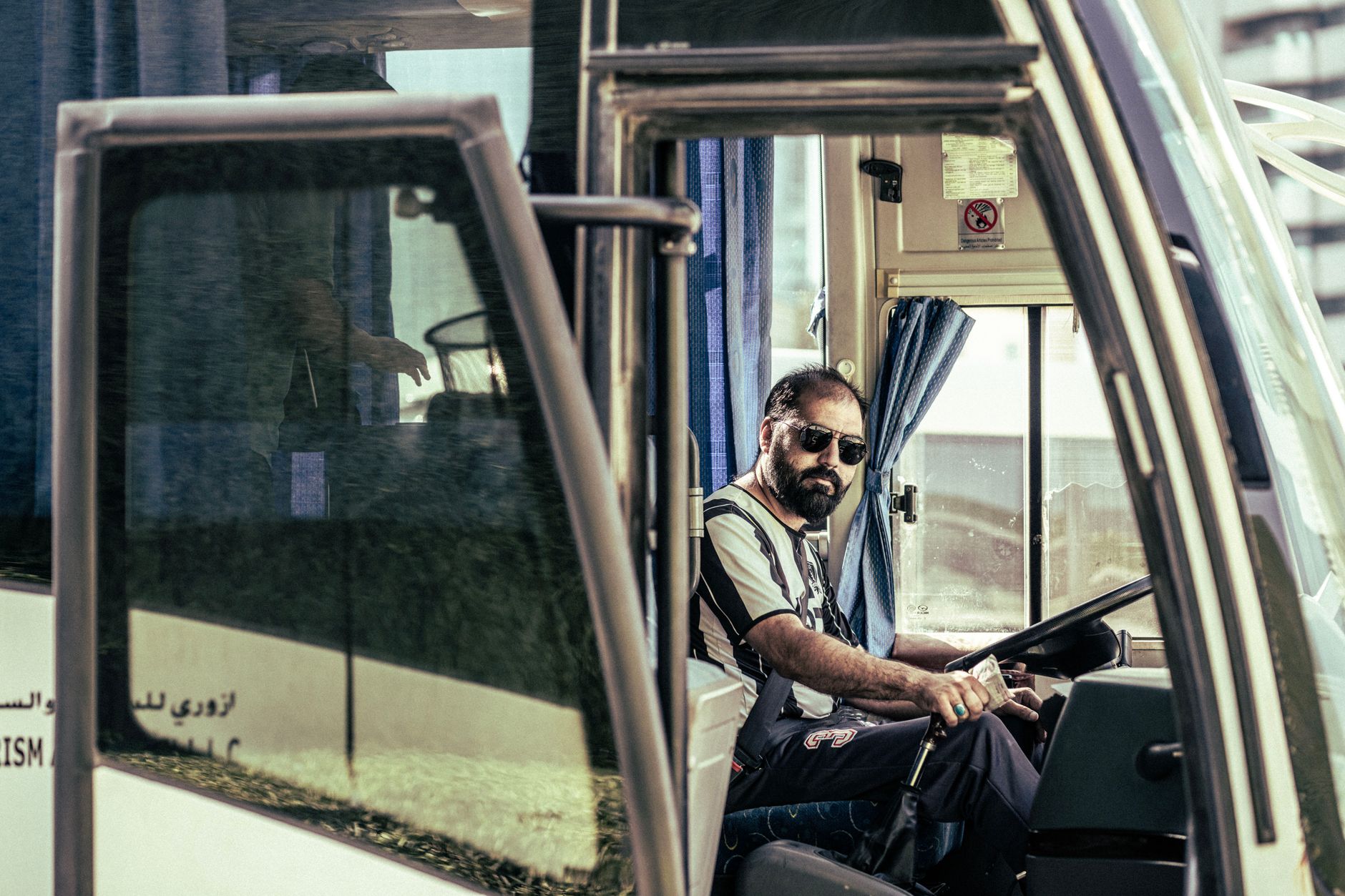
Fleet Options
Vehicle selection starts with the roster and the equipment manifest, not the passenger count alone. A full-size motor coach is efficient for long I-5 runs between Seattle and Portland, while a mini coach or mini bus can handle smaller choirs, staff movements, and campus shuttles. Instruments, uniforms, garment bags, percussion cases, wheelchairs, and personal luggage need a loading plan that preserves seats and keeps aisles clear. Tight campus streets, downtown hotel approaches, ferry lanes, and venue parking can favor multiple smaller units over one large charter bus. For multi-day group travel, prioritize restroom availability, luggage-bay capacity, driver relief, and where each vehicle can legally stage.
| Vehicle | Seats | Best For | Notes |
|---|---|---|---|
| 56-passenger motor coach | Up to 56 passengers | Use for a full roster traveling between Seattle, Tacoma, Olympia, Portland, Salem, Eugene, or other long-haul Pacific Northwest markets. | Best highway comfort and underfloor storage for instruments and luggage, but requires venue clearance, a workable turning radius, and a confirmed parking plan. |
| 40 to 45-passenger motor coach | 40-45 passengers | Use when the band or choir is below full coach capacity but needs highway range, reclining seats, and enclosed luggage bays. | Provides coach comfort with somewhat easier venue access, though large percussion loads or bulky choir equipment may still require a support vehicle. |
| 24 to 35-passenger mini coach or mini bus | 24-35 passengers | Use for smaller ensembles, section travel, staff and chaperones, or a second unit carrying overflow passengers and equipment. | More maneuverable at campuses, hotels, festival grounds, and Alaska waterfront streets, with less cargo volume than a full-size coach. |
| Executive Sprinter | 8-14 passengers | Use for a compact staff movement, airport transfer, VIP support, or a small ensemble traveling separately from the main group. | Comfortable for directors, soloists, staff, or small vocal groups, but limited luggage space makes it unsuitable for a complete marching-band equipment load. |
Routing, Timing, and On-the-Road Realities
The I-5 spine is the most predictable Pacific Northwest group travel pattern, but traffic timing controls the usable schedule. Seattle and Tacoma congestion can delay southbound departures, while Portland approaches, the Columbia River crossings, and downtown venue access create separate bottlenecks. For an away game or festival call time, dispatch commonly targets an early pickup before the morning peak or builds a substantial buffer between campus departure and venue check-in. A motor coach may unload at a stadium or performing-arts center, then reposition to a remote lot because event-day curb space is reserved for emergency access, production vehicles, or credentialed buses. Confirm the exact entrance, coach parking address, driver check-in point, and post-event pickup curb rather than relying on the venue's public street address. If the itinerary includes Eugene, Corvallis, Salem, Portland, Olympia, or Tacoma, account for city traffic, campus circulation, and the time required to load a full equipment manifest.
Ferry and scenic routes need their own operating assumptions. For Puget Sound work, Seattle to Bainbridge, Seattle to Bremerton, Port Townsend to Coupeville, and Anacortes to the San Juan Islands can turn a simple road day into a timed marine transfer. Washington State Ferries vehicle reservations are available on the Port Townsend to Coupeville and Anacortes to San Juan Islands routes, and vehicle reservations do not replace passenger tickets. Reserved coaches should arrive within the published terminal window, while non-reservation routes still require first-come loading and added peak-season margin. Coastal and mountain movements through Astoria, Newport, Cannon Beach, Hood River, Bend, Leavenworth, or Olympic Peninsula destinations should allow for two-lane roads, weather, tour stops, and limited coach parking. Alaska cruise-ship work adds berth access, ship disembarkation timing, security checks, and a hard return-to-ship deadline, so the coach should be dispatched with a local staging plan and a conservative turnaround. Driver-hours planning must include deadhead, ferry waiting, venue layovers, hotel transfers, and required overnight rest rather than counting only the miles with passengers.
What This Typically Costs
Pacific Northwest College Band Tour pricing is usually built from a daily minimum, mileage or total running time, and the number of service days. A short Seattle to Portland movement may be priced differently from a multi-day loop through Eugene, Bend, Spokane, Tacoma, or the Olympic Peninsula, and deadhead miles can materially change the quote when the coach must reposition from another market. Peak demand commonly occurs from late summer through football season, autumn festival calendars, and spring concert travel, when availability tightens and minimums may rise. Multi-day work normally includes driver overnight lodging and, when required by the schedule, relief-driver planning or a second driver. Common line items include fuel adjustments, tolls, parking, ferry charges, baggage or equipment handling, and driver gratuity. Most regional trips commonly run a few thousand dollars per day for a full-size coach, with smaller vehicles often costing less and large multi-coach movements scaling by vehicle count; the final range depends on headcount, dates, route, layovers, and equipment volume.
Frequently Asked Questions
How many students fit on a College Band Tour charter bus?
Most College Band Tour groups fit a 56-passenger motor coach when the roster is under roughly 50 travelers and instruments can use the lower luggage bays. A marching band with uniforms, percussion, tubas, music stands, flags, and personal bags may need a second charter bus even when passenger count appears to fit one coach. A 40 to 56 passenger motor coach is often the practical starting point for a choral group with garment bags and riser accessories. The correct count comes from the equipment manifest, not seats alone.
What are common Pacific Northwest away-game routes?
For Seattle, Tacoma, Olympia, Portland, Salem, Eugene, or Corvallis, the I-5 corridor is the default operating spine, but the schedule should allow for congestion near Seattle, Tacoma, Portland, and the Columbia River crossings. Pickup before the morning peak is usually easier than loading a full group after classes or rehearsals. For football travel, groups commonly stage near campus, move to the stadium, then hold the coach at a prearranged remote location because event-day curb space is limited. A charter bus can also serve overnight hotel transfers, rehearsal blocks, and post-performance returns without moving the entire group through venue traffic repeatedly.
How do ferries affect a group travel itinerary in Washington?
Ferry planning is a separate movement leg, not a simple road transfer. Washington State Ferries offers vehicle reservations on the Port Townsend to Coupeville and Anacortes to San Juan Islands routes, and a reservation is not the same as a passenger ticket. WSF guidance calls for arriving approximately 30 to 45 minutes early at Port Townsend and 45 to 60 minutes early at Anacortes for reserved vehicle sailings, with additional buffer during peak periods. The reservation must use the correct vehicle length and height, and outbound and return vehicle reservations are separate. A motor coach may need a backup sailing plan because missed loading windows can disrupt an entire festival itinerary.
What vehicle mix works for instruments and accessibility needs?
A full-size motor coach normally carries the passenger roster and instruments that fit in underfloor bays, while a second coach or support vehicle handles overflow equipment and keeps aisles clear. Smaller groups may use a 24 to 35 passenger mini coach, but percussion cases, sousaphones, choir risers, and garment bags can reduce usable capacity. An executive Sprinter works for staff, soloists, or a small choral ensemble but is rarely suitable for a full marching band. Wheelchair users should be identified before quoting so an accessible vehicle or lift-equipped charter bus can be assigned. The equipment plan should specify cases, carts, mobility devices, and whether loading occurs at a campus dock, hotel, stadium, or cruise terminal.
Can US Bus Trips arrange Alaska cruise-ship coaches?
Alaska work commonly centers on Anchorage, Fairbanks, Juneau, Ketchikan, and Sitka, with coaches meeting groups at airports, hotels, schools, performance halls, or cruise terminals. Cruise-ship shore excursions require tight coordination with the ship's arrival window, passenger release process, security procedures, and a guaranteed return-to-ship time. Juneau and Ketchikan have constrained downtown curb space and limited road networks, so coaches may stage away from the immediate pier area. A shore-excursion charter bus should receive the ship name, berth, pier instructions, group manifest, accessible-equipment details, and emergency contact before dispatch. Alaska weather, limited replacement capacity, and seasonal demand make early vehicle confirmation especially important.
How is a large College Band Tour managed across several coaches?
A multi-vehicle movement needs one operating plan rather than separate reservations. The plan should assign each coach a passenger roster, equipment load, radio or phone contact, pickup position, hotel rooming responsibility, and venue unloading sequence. Large groups often need staggered departures so several motor coaches do not block a narrow campus curb or venue entrance. At football stadiums and performing-arts venues, one vehicle may unload while another proceeds to a remote parking area, then returns for the post-event pickup. A lead dispatcher or tour manager should have a single master itinerary with driver contacts, venue contacts, ferry details, and contingency instructions.
When should a Pacific Northwest group book its bus?
Fall is the main peak because of football away games, marching-band invitationals, homecoming events, and regional festivals, with demand often concentrated from September through November. Spring brings choral festivals, concert tours, adjudication events, and university performance exchanges. Summer can include band camps, collegiate showcases, coastal tours, and Alaska cruise itineraries, while winter work is more affected by mountain weather and holiday schedules. Routes through Snoqualmie Pass, Stevens Pass, Santiam Pass, or the Cascades require weather-aware timing and may need alternate routing. Booking several weeks or months ahead gives the broker more options for matching coach size, accessible equipment, luggage capacity, and driver availability.
How to Book
To quote a College Band Tour, have the travel dates, pickup address, headcount, equipment list, accessibility needs, hotel locations, venue contacts, ferry or cruise details, and complete itinerary ready. Include whether the group needs rehearsal transfers, overnight service, multiple coaches, a support vehicle, or a fixed return-to-campus time. US Bus Trips typically returns an initial quote within 4 business hours, subject to vehicle and driver availability. Confirmation should identify the assigned vehicle type, passenger capacity, pickup instructions, driver contact process, service hours, included stops, ferry or parking assumptions, and any exclusions; call or submit the itinerary to US Bus Trips for dispatch review.
Related Trips You Might Also Consider
- Academic Decathlon — Northeast Region
- Senior Tour Group — Northeast Region
- Charleston — 14-Passenger Sprinter
- Olympic — 24-Passenger Mini Bus
- San Antonio Riverwalk — 56-Passenger Motor Coach
- Badlands — 24-Passenger Mini Bus
- Cross-Country Charter Bus Overview
- All Group Tour Destinations
- See the Full Fleet (Sprinters through 56-pax coaches)
- Get a Free Quote in 60 Seconds