
A Badlands group tour in a 24-Passenger Mini Bus suits small tour parties, executive retreats, alumni groups, and first-class-only travelers who want one vehicle instead of a convoy.
Overview
A Badlands group tour works best as part of a multi-day South Dakota circuit rather than a single park stop. A common customer is a 16- to 24-person alumni group, church travel party, corporate retreat, photography club, or family reunion arriving through Rapid City Regional Airport. The usual corridors are I-90 from Rapid City, Sioux Falls, or the Black Hills, with SD Highway 240 carrying the group through the park's signature formations. Groups often combine the Badlands Loop Road with the Ben Reifel Visitor Center, Wall Drug, Minuteman Missile National Historic Site, Mount Rushmore, and Custer State Park. A 24-Passenger Mini Bus keeps the party together without the footprint of a full motor coach, but the manifest and baggage plan must be firm. Passenger count should include guides, trip leaders, and any staff who will occupy seats.
Start the first day with travel and an arrival stop that does not force the driver to rush the park. From Rapid City, the vehicle can stage toward Wall or Interior, with the Northeast Entrance, Pinnacles area, and Ben Reifel Visitor Center assigned to different portions of the schedule. From farther east, the group may use I-90 exits near Wall before entering the park and should avoid promising a same-day full loop after a long morning transfer. Summer weekends, Sturgis Motorcycle Rally traffic, Mount Rushmore crowds, and regional rodeos can affect hotel availability and roadway timing. An itinerary that looks short on a map still includes loading, restroom stops, photo pullouts, walking time, and passenger accountability. Dispatch should receive the actual pickup address and desired arrival time, not only the name of the town.
Inside the Badlands, the group should expect an outdoor program with exposure to heat, wind, uneven surfaces, and limited shade. The Ben Reifel Visitor Center is the practical orientation stop, while overlooks along Badlands Loop Road should be sequenced to reduce repeated loading and unloading. Cedar Pass Lodge and restaurant can support an in-park base when seasonal inventory is available, but its limited rooms make Wall or Interior more dependable for a room block. Rapid City offers more hotel and dining choices and works well when the group also plans the Black Hills, although each Badlands day then carries additional deadhead and driver-duty exposure. A 24-Passenger Mini Bus is particularly useful for keeping a small tour together at trailheads and visitor facilities, provided the vehicle can safely clear each parking area. Build weather and road-condition checks into the daily dispatch process because prairie wind, storms, and winter precipitation can change the plan quickly.
Fleet Options
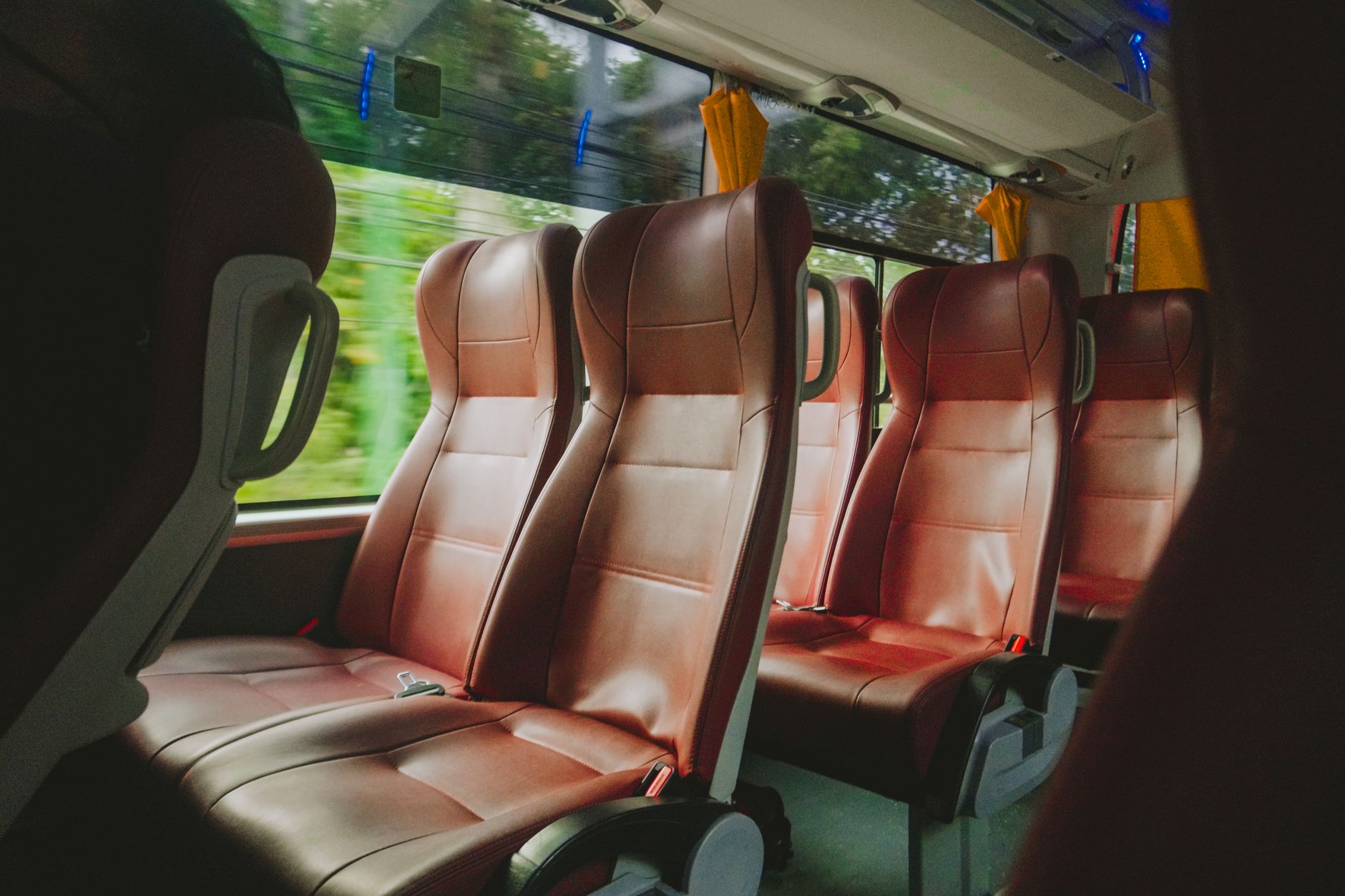
A 24-Passenger Mini Bus is usually the right starting point for a 24-person Badlands group tour when the headcount is firm and luggage is controlled. It offers coach-style seats in a more compact footprint than a full motor coach, with luggage in the rear or on the roof depending on the model. That layout suits small tours, executive retreats, and first-class-only groups, but full-size suitcases and camping gear can consume capacity quickly. A compact vehicle is easier to stage at Wall, Interior, visitor-center lots, and roadside overlooks, although the driver still needs to verify turning room and parking conditions before arrival.
| Vehicle | Seats | Best For | Notes |
|---|---|---|---|
| 24-Passenger Mini Bus | Up to 24 passengers | Best for a confirmed group of 18 to 24 with moderate luggage, executive retreats, and a focused multi-day sightseeing itinerary. | Coach-style seats with luggage in a rear compartment or roof carrier, depending on the carrier; compact enough for most planned Badlands stops. |
| 18- to 25-Passenger Mini Coach | 18 to 25 passengers | Use when the roster may fluctuate or the group wants more comfort and cargo margin without moving to a full-size coach. | Provides a little more shoulder and luggage flexibility than a basic minibus while retaining a smaller footprint than a motor coach. |
| 35- to 40-Passenger Motor Coach | 35 to 40 passengers | Fits a larger tour, substantial baggage, or a combined Black Hills itinerary with more than 24 travelers. | Adds underfloor luggage capacity and usually stronger highway comfort, but requires more careful pullout, fuel-stop, and parking checks near overlooks. |
| Executive Sprinter Van | 8 to 14 passengers | Fits a small executive retreat that values flexible pickup locations over carrying a full 24-person roster and extensive luggage. | Works for a small leadership group and can handle tighter urban pickups, but luggage space and long-haul seating comfort are limited compared with a mini bus. |
Routing, Timing, and On-the-Road Realities
For a Rapid City pickup, the main approach generally uses I-90 and then SD Highway 240 toward the Northeast Entrance or the Pinnacles area. Wall is a useful fuel, meal, and staging point near the I-90 exits, while Interior places the group closer to the Ben Reifel Visitor Center and Cedar Pass Lodge. A driver should inspect the day in sequence: hotel departure, entrance queue, visitor-center parking, loop-road overlooks, meal location, and final hotel return. Begin summer sightseeing early, especially on Saturdays, because small overlook lots fill before the middle of the day and pedestrian activity slows loading. Do not schedule a tight transfer immediately after a park stop; allow time for passengers to return from trails and for the driver to reposition safely. If the group is continuing to Mount Rushmore or Custer State Park, keep that movement on a separate operating block when possible rather than adding it after a full Badlands loop.
Parking and access should be confirmed for each named stop instead of assuming a 24-Passenger Mini Bus can use every pullout. The park is open 24 hours, but entrance fees are collected year round, and commercial vehicles are categorized by passenger capacity; a 16- to 25-seat minibus is distinct from a 26-seat-or-more motor coach. The National Park Service lists special-use and commercial authorizations with advance processing requirements, so organized events, commercial services, or unusual setups should be disclosed early. A normal sightseeing movement still needs a practical oversize review for turning radius, full lots, shoulders, and safe passenger loading. Driver hours of service govern the day after the itinerary is built, not the other way around; long-distance pickup, park touring, and a late return may require a second driver or an overnight split. Keep the vehicle staged where it can depart forward, and never rely on backing through a crowded overlook as the recovery plan.
What This Typically Costs
A Badlands group tour in a 24-Passenger Mini Bus is normally quoted by operating day, mileage, and any deadhead required to bring the vehicle to the pickup city. Carriers commonly apply a daily minimum, with longer multi-day runs priced using the vehicle's total service days rather than only the hours spent inside the park. The quote typically separates loaded miles, repositioning or deadhead miles, driver overnight lodging, and any parking or toll exposure. Summer, holiday weekends, Sturgis Motorcycle Rally dates, and Black Hills event periods can tighten availability and raise the operating rate. Ask whether fuel adjustments, driver gratuity, park entrance fees, and venue parking are included or passed through. In most markets, a multi-day charter of this type commonly runs a few thousand dollars per operating day before lodging, fuel adjustments, gratuity, and unusual deadhead, so compare the full trip total rather than a headline per-mile rate.
Frequently Asked Questions
What does a 24-Passenger Mini Bus fit well for on a Badlands tour?
A 24-Passenger Mini Bus is a good fit for 24 passengers when the group packs moderately and wants one compact vehicle. It has coach-style seats and generally places luggage in a rear compartment or roof-mounted carrier, depending on the operator. It works especially well for small tours, executive retreats, alumni groups, and first-class-only groups that do not need a full motor coach. Confirm the actual seat count, luggage configuration, restroom availability, and accessibility equipment before signing because these vary by carrier.
How many days should a Badlands group tour take?
Plan on at least three days from a central South Dakota arrival point, and four to five days if the group is traveling from Denver, Minneapolis, Omaha, or another distant market. A practical schedule uses day 1 for pickup and westbound or eastbound travel, days 2 and 3 for Badlands National Park and nearby attractions, and a final day for return travel. Add time for Mount Rushmore, Custer State Park, Wind Cave, Wall Drug, or the Minuteman Missile National Historic Site. A same-day visit from Rapid City is possible, but it creates a long vehicle day and gives the group less time for overlooks and walks.
What are the best months for a Badlands group tour?
The most reliable touring window is generally late spring through early fall, with May, June, September, and early October offering a useful balance of access and temperatures. July and August provide the longest daylight but bring heat, stronger demand, and crowded overlooks, especially around holiday weekends and regional events. Winter travel is possible because the park is open year round, but snow, wind, ice, short daylight, and reduced nearby services can affect roads and walking plans. Cedar Pass Lodge is seasonal, so verify its operating dates before building an in-park lodging plan.
Does a 24-Passenger Mini Bus need a Badlands permit?
Commercial vehicles should be identified correctly at the entrance because the National Park Service lists a commercial minibus category for vehicles with 16 to 25 seats and a separate motor coach category for 26 or more seats. A 24-Passenger Mini Bus falls in the minibus category, but the carrier should confirm current fees and payment procedures before arrival. Special events, organized activities, or commercial services may require a National Park Service permit or Commercial Use Authorization, and the park advises submitting applicable permit materials well in advance. A normal sightseeing stop is not automatically the same as a special event, so describe the itinerary and group activity clearly.
Where can a mini bus park in Badlands National Park?
Badlands National Park does not operate like a downtown tour route with a dedicated bus loop, so the driver should use the designated paved roads, signed pullouts, and marked parking areas. Oversize vehicles need a route check for turning space, shoulder conditions, low-clearance issues, and the ability to exit a full overlook lot without backing into traffic. The main Badlands Loop Road connects the Northeast Entrance area with the Pinnacles region, while the Interior area and Ben Reifel Visitor Center provide a separate staging point. Do not assume every overlook can hold a 24-passenger vehicle during peak hours; arrive early and keep a recovery option if a lot is full.
Where should a group stay near the Badlands?
Wall is the most practical staging town for many groups because it sits near I-90 and provides hotels, fuel, restaurants, and access toward the Northeast Entrance and Badlands Loop Road. Interior is closer to the Ben Reifel Visitor Center and Cedar Pass Lodge but has a smaller inventory, so room blocks and bus parking should be confirmed early. Rapid City offers the broadest hotel selection and is useful when the itinerary also includes Mount Rushmore or Custer State Park, but daily runs to the Badlands add substantial mileage and driver time. Cedar Pass Lodge is the principal in-park lodging option and has limited seasonal inventory, so it should be reserved months ahead when available.
How do driver hours affect a Badlands group tour?
The driver must follow applicable federal hours-of-service rules and the carrier's safety policy; the group cannot simply extend a day because a sunset stop is popular. A long pickup day, a cross-state transfer, and a full Badlands Loop Road program can consume the driver's legal on-duty window before the return leg. Build a real meal break, vehicle inspection, and relief plan into the schedule, and avoid promising a late-night arrival after a full sightseeing day. For especially long approaches, use a second qualified driver or split the movement across days. Hotel rooms for the driver should be private, safe, and close enough to the vehicle staging area to support the next departure.
How to Book
To quote this Badlands group tour, have the travel dates, pickup address, passenger count, luggage volume, and every planned stop ready, including Wall, Interior, Rapid City, Mount Rushmore, or Custer State Park. Note whether the group needs accessible equipment, roof storage, hotel transfers, meal stops, or a second driver. US Bus Trips can typically return an initial quote within 4 business hours when the routing and dates are complete. The confirmation should identify the vehicle class, operating days, mileage basis, driver plan, lodging responsibility, entrance and parking assumptions, cancellation terms, and dispatch contact.
Related Trips You Might Also Consider
- Death Valley — 14-Passenger Sprinter
- Great Smoky Mountains — 14-Passenger Sprinter
- Glacier National Park — 56-Passenger Motor Coach
- Fort Worth, TX to Dallas, TX
- San Antonio, TX to Dallas, TX
- Williamsburg — 14-Passenger Sprinter
- Cross-Country Charter Bus Overview
- All Group Trip Types
- See the Full Fleet (Sprinters through 56-pax coaches)
- Get a Free Quote in 60 Seconds