
US Bus Trips books Great Smoky Mountains group tours for families, alumni groups, corporate teams, church groups, and private travel parties that want one vehicle and one operating plan.
Overview
A Great Smoky Mountains group tour is usually built around a three- to five-day window, with the first and last days absorbing the long approach from the group's home market. Knoxville, Asheville, Nashville, Atlanta, Charlotte, and Chattanooga are common origin or connection points, but travel time varies sharply by pickup address and weekend traffic. Day 1 often combines the transfer with a practical stop such as the Foothills Parkway, a visitor center, or an early hotel check-in in Gatlinburg, Pigeon Forge, Townsend, Cherokee, or Bryson City. The group then uses the 14-Passenger Sprinter for park loops, meals, and evening movements rather than trying to cover every scenic road in one push. This profile fits family reunions, church and civic groups, alumni trips, corporate retreats, and private VIP parties that want scheduled service without renting multiple cars. A full-size motor coach is usually unnecessary for 14 passengers unless luggage, mobility equipment, or additional travelers change the operating picture.
A workable itinerary separates the park by geography instead of crossing the mountain repeatedly. A Tennessee-side day can use Sugarlands Visitor Center, Newfound Gap Road, Clingmans Dome's current Kuwohi access when open, and selected overlooks, with an early departure to get ahead of the busiest arrival window. Another day can cover Cades Cove, Townsend, Wears Valley, or a west-side route, while a North Carolina day can stage from Cherokee or Bryson City around Oconaluftee and the Blue Ridge Parkway. Cades Cove Loop Road operates from sunrise to sunset and may have a weekday vehicle closure during part of the warmer season, so the date matters. Great Smoky Mountains traffic is typically worst during the late-morning through afternoon peak, and popular lots may be full even when the road is moving. The dispatcher should replace ambitious stop lists with timed zones, restroom opportunities, meal reservations, and a recovery buffer.
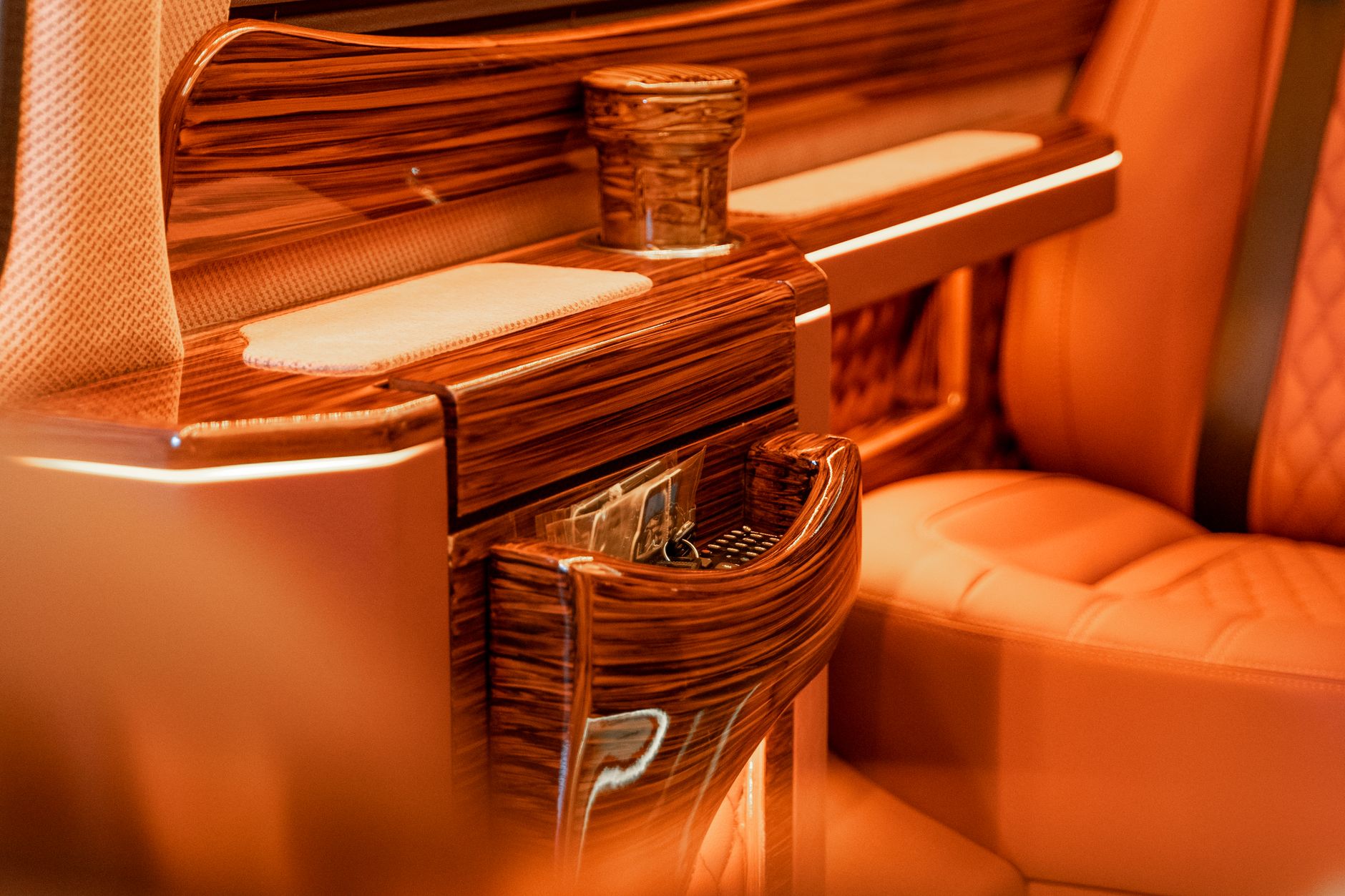
A 14-Passenger Sprinter suits this group tour because it can load at ordinary hotels and restaurants more easily than a motor coach. Its tradeoff is small cargo space, particularly when all 14 seats are occupied and passengers bring hard luggage for several nights. An Executive Mercedes Sprinter or Ford Transit with leather captain's chairs, WiFi, and USB is a strong fit for VIP transfers and comfortable sightseeing, but it is not a substitute for a baggage trailer or a larger coach. Ask each traveler to state whether they carry a checked-size bag, carry-on, cooler, stroller, wheelchair, or hiking equipment. If the inventory does not fit, US Bus Trips should quote a larger mini coach, a motor coach, or a separate luggage solution before the vehicle is assigned. That decision is easier and cheaper before arrival than after a full van is loaded at the hotel curb.
Fleet Options
A 14-Passenger Sprinter is the natural starting point when the group has about 8 to 14 travelers and wants one vehicle for a multi-day itinerary. An Executive Mercedes Sprinter or Ford Transit can provide leather captain's chairs, WiFi, USB charging, and a quieter ride than a basic shuttle, but cargo space remains small. Count hard-sided luggage, coolers, strollers, hiking gear, and photography equipment before selecting the vehicle, because every occupied seat reduces practical bag space. A full-size motor coach offers more storage and onboard capacity but is harder to place at narrow pullouts, small trailhead lots, and older downtown hotel loading areas. The driver should receive exact hotel entrances, restaurant addresses, and park stops so the route can avoid tight turns, illegal shoulder staging, and lots that cannot accommodate a larger vehicle.
| Vehicle | Seats | Best For | Notes |
|---|---|---|---|
| Executive Mercedes Sprinter | Up to 14 passengers | Use it when the group values upgraded seating and direct hotel-to-park service over maximum cargo capacity. | Best comfort match for VIP transfers and a small tour group, with leather captain's chairs, USB, WiFi, and limited luggage space; verify overhead and rear cargo before promising full-size bags. |
| Ford Transit passenger van | Up to 14 passengers | Use it when the itinerary includes frequent stops, smaller parking areas, and a cost-conscious private vehicle plan. | A practical 14-passenger platform for hotel transfers and park touring, with easier maneuverability than a motor coach but less luggage flexibility than a larger coach. |
| Mini coach | 18-28 passengers | Use it when headcount is flexible or baggage volume makes a 14-Passenger Sprinter impractical. | Adds seating and cargo capacity for a group that may grow beyond 14 or carries substantial luggage, but requires more care at tight roads, pullouts, and downtown loading zones. |
| Motor coach | 35-56 passengers | Use it when the group is large enough to justify the vehicle and the itinerary stays on coach-suitable corridors and venues. | Provides the strongest luggage capacity and passenger comfort for a larger group, while many park roads, trailhead lots, and local hotel approaches demand oversize routing and designated parking. |
Routing, Timing, and On-the-Road Realities
From Knoxville, the normal Tennessee approach uses I-40 or US 441 through Sevierville and Gatlinburg, with traffic building around Pigeon Forge attractions, dinner theaters, and weekend event patterns. Asheville-side groups commonly approach through I-40 and US 74 or Cherokee, depending on whether the itinerary emphasizes the North Carolina entrance or the Tennessee valleys. Atlanta, Charlotte, Nashville, and Chattanooga departures can require a travel day or a very early start, especially on Friday and Sunday return legs. For park sightseeing, Newfound Gap Road, Little River Road, Cades Cove, and the Oconaluftee area are the main planning corridors; narrow one-way scenic roads should never be added casually to a large-vehicle itinerary. Most visitors arrive between 10:00 and 11:00 a.m., so a Sprinter should aim to enter the park before 8:00 a.m. during busy periods or shift a secondary visit toward late afternoon. Build fuel, restroom, photo, and passenger-loading time into the schedule because a nominally short mountain segment can consume much of the service window.
Parking is an operational constraint, not a detail to solve on arrival. Park only in established lots or legal roadside pullouts, never on shoulders or in a way that blocks traffic, and do not assume a group can reserve spaces for a Sprinter. A parking tag is required for a vehicle parked more than 15 minutes, and commercial operators should confirm any Commercial Use Authorization requirement for services beyond simple transportation. Vehicles longer than 25 feet are restricted from several roads, including Roaring Fork Motor Nature Trail, Little Greenbrier, Parson Branch, Rich Mountain, and other narrow or seasonal routes; a 14-Passenger Sprinter is often below that threshold, but dimensions must be verified. The driver should also check current closures for Kuwohi Road, secondary scenic roads, weather-sensitive gravel roads, and construction before each departure. Driver-hours planning allows up to 10 hours of driving after 8 consecutive hours off duty and a 15-hour on-duty window, so a long approach, all-day park service, dinner, and a late hotel return may require a second driver or a shorter program.
What This Typically Costs
A 14-Passenger Sprinter quote usually combines a daily vehicle and driver minimum with mileage, deadhead, and any overnight service requirements. A multi-day group tour commonly runs a few thousand dollars per day in many markets, but the total depends on origin, season, vehicle availability, and whether the driver returns home between service days. Pickup and return miles outside the active itinerary may be billed as deadhead, so a Knoxville, Asheville, Atlanta, or Nashville origin can price differently even when the park schedule is identical. Peak fall color, summer weekends, holiday periods, and major Gatlinburg or Pigeon Forge events usually increase demand and minimums. Driver lodging, parking, tolls, fuel adjustments, and permitted waiting time may appear as separate line items, while gratuity is normally handled by the group and commonly calculated as a percentage of the transportation charge. Ask for an all-in explanation of daily minimums, included mileage, deadhead, lodging, parking, cancellation terms, and fuel policy before approving the run.
Frequently Asked Questions
Is a 14-Passenger Sprinter large enough for a Great Smoky Mountains group tour?
For a 14-passenger group, a 14-Passenger Sprinter is usually more practical than a motor coach. It fits a small tour group without paying for unused seats and can handle hotel transfers, scenic stops, and restaurant moves on roads where a full-size coach may be restricted. An Executive Mercedes Sprinter or Ford Transit typically provides leather captain's chairs, WiFi, USB charging, and limited luggage capacity. If every passenger has large checked bags, coolers, hiking equipment, or several nights of luggage, a larger vehicle or separate luggage plan may be necessary.
How many days should a multi-day Great Smoky Mountains group tour take?
A practical trip is usually three to five days, depending on the origin city and how much time the group wants inside the park. Day 1 can cover the long transfer, hotel check-in, and an evening stop in Gatlinburg or Pigeon Forge. Days 2 through 4 can divide Cades Cove, Newfound Gap Road, Oconaluftee, Sugarlands, and selected short walks rather than attempting the entire park in one day. Groups traveling from farther away may need a travel-only day on each end. A 14-Passenger Sprinter works best when the itinerary leaves room for traffic, loading, weather, and full trailhead parking lots.
What are the best months for this Great Smoky Mountains group tour?
Late April through May and September through early November are generally strong planning windows because temperatures are more manageable and the group can avoid some summer demand. October is attractive for fall color but is also one of the busiest periods, especially on weekends and around Gatlinburg and Pigeon Forge events. Summer brings long daylight but heavier traffic, full trailhead lots, and more pressure on driver hours. Winter can be quiet and economical, but snow, ice, and seasonal road closures can change the route. Check the park alerts and road schedule shortly before departure because primary roads remain weather-dependent and several scenic roads close seasonally.
Does a 14-Passenger Sprinter need a permit or parking pass in the park?
A vehicle parked in the park for more than 15 minutes needs a parking tag, even though there is no general entrance fee. A transportation company should confirm whether its commercial service requires a Commercial Use Authorization or another park approval, particularly when the service includes guiding, activities, or more than simple transportation. Vehicles must use established parking lots or roadside pullouts, cannot block traffic, and cannot reserve public spaces. Transportation vehicles longer than 25 feet face additional road and oversized-parking restrictions. A 14-Passenger Sprinter is commonly under that length, but the operator must verify the actual vehicle dimensions and local restrictions before dispatch.
Can a Sprinter visit Cades Cove, Roaring Fork, and Newfound Gap Road?
The park does not operate like a private attraction with a single bus entrance, so the route should be built around vehicle length, road conditions, and legal parking. Vehicles longer than 25 feet are prohibited on roads including Roaring Fork Motor Nature Trail, Little Greenbrier, Parson Branch, Rich Mountain, and several narrow secondary roads. Cades Cove Loop Road is open from sunrise to sunset and typically has a weekly vehicle closure during part of the warmer season. Newfound Gap Road, Little River Road, and Cades Cove are primary corridors, but weather, construction, wildlife, and congestion can still delay the run. The dispatcher should confirm road status, parking availability, and any special event traffic before finalizing each day's movements.
How do driver hours affect a multi-day Sprinter itinerary?
Passenger-carrier rules generally allow up to 10 hours of driving after at least 8 consecutive hours off duty, with a 15-hour on-duty window. A carrier also has a cumulative limit of 60 hours in seven days or 70 hours in eight days, depending on its operating schedule. Driving is not the only time that matters: loading, waiting, fueling, inspections, and other carrier work can consume the duty window. A morning departure from Knoxville or Asheville followed by park touring, dinner service, and a return to the hotel can exceed a safe single-driver plan. For a long travel day or late event, the quote may require a second driver, a split itinerary, or a hotel night for the assigned driver.
Where should a 14-passenger group stay for this park tour?
Typical staging is Gatlinburg for access to Sugarlands, Newfound Gap Road, and the Tennessee side of the park. Pigeon Forge can offer more room for group hotels, coach-friendly commercial properties, dinner venues, and evening entertainment, but it adds travel time to park entrances. Townsend works well for groups emphasizing Cades Cove, Wears Valley, Foothills Parkway, and a quieter west-side base. Cherokee or Bryson City can stage an itinerary around Oconaluftee, the Blue Ridge Parkway, and the North Carolina side, subject to road and seasonal conditions. The best hotel is usually the one with an agreed passenger loading area, enough Sprinter parking, and a realistic place for the driver to rest.
How to Book
To book, provide the travel dates, pickup address, passenger count, luggage estimate, hotel plan, and every requested park stop or venue. Include whether the group needs an Executive Mercedes Sprinter or Ford Transit, daily sightseeing service, airport transfers, evening dinners, or a motor coach alternative. US Bus Trips can typically return a quote within 4 business hours when the itinerary and headcount are complete. Confirmation should identify the vehicle class, service hours, mileage and deadhead treatment, driver lodging, parking or toll assumptions, cancellation terms, and dispatch contact; reach us through the booking channel listed by US Bus Trips.
Related Trips You Might Also Consider
- Death Valley — 56-Passenger Motor Coach
- San Antonio, TX to Austin, TX
- Phoenix, AZ to Los Angeles, CA
- Alumni Tour — South Central Region
- Aurora, CO to Denver, CO
- College Band Tour — Pacific Northwest Region
- Cross-Country Charter Bus Overview
- All Group Trip Types
- See the Full Fleet (Sprinters through 56-pax coaches)
- Get a Free Quote in 60 Seconds