
US Bus Trips coordinates charter bus service for multi-generational Family Reunion groups, milestone birthdays, and destination anniversaries across the Mountain West.
Overview
A Mountain West Family Reunion is often a multi-day operation rather than a single venue transfer. Families may fly into Denver International Airport, Salt Lake City International Airport, Harry Reid International Airport, Phoenix Sky Harbor, Albuquerque International Sunport, or Boise Airport before moving to a resort, lodge, ranch, or national-park gateway. Common patterns include Denver to Estes Park and Rocky Mountain National Park, Salt Lake City to Park City or Moab, Las Vegas to Zion and Bryce Canyon, and Phoenix to Sedona or the Grand Canyon. Other groups base in Bozeman, Billings, Jackson, Santa Fe, Taos, Reno, or Flagstaff and need airport, hotel, dinner, and sightseeing legs. The typical customer is a family organizer managing grandparents, children, adults, luggage, accessibility needs, and several households on different arrival schedules. A charter bus becomes valuable when the priority is keeping everyone on one agreed schedule instead of asking relatives to navigate remote highways in separate cars.
Group size commonly ranges from about 20 relatives to more than 100 people, with the largest events using several buses. Milestone birthdays may be a smaller executive Sprinter or mini coach movement between a hotel, restaurant, winery, golf course, or concert venue, while anniversary trips often combine a resort stay with scenic drives and scheduled dinners. Family Reunion itineraries in Colorado may use the Denver Tech Center, Union Station area, Colorado Springs, Estes Park, Breckenridge, Vail, or Grand Junction. Utah routing frequently includes Salt Lake City, Provo, Park City, Moab, St. George, and the Zion gateway at Springdale. Wyoming, Montana, and Idaho groups often connect Jackson, Cody, Bozeman, West Yellowstone, Billings, Missoula, Helena, Boise, Sun Valley, or Idaho Falls. New Mexico, Arizona, and Nevada patterns may involve Albuquerque, Santa Fe, Taos, Phoenix, Scottsdale, Sedona, Flagstaff, Las Vegas, Reno, Lake Tahoe, or Lake Mead.
Summer school breaks and national-park season create the strongest demand for Mountain West group travel, especially from June through September. Ski and snow-season demand adds winter work around Park City, Vail, Breckenridge, Jackson, Taos, Flagstaff, and northern New Mexico. Vehicle planning must account for instruments, uniforms, coolers, camping equipment, ski bags, strollers, walkers, and checked luggage rather than just the number of seats. Wheelchairs should be disclosed early because accessible equipment availability and lift or ramp requirements vary by carrier and vehicle. A full-size motor coach may handle a large group efficiently, but two vehicles can be better when families arrive at different airports or split between hiking, golf, and meal activities. Long distances between Mountain West metros also mean the bus may need to remain with the group for several days, with driver lodging, parking, and legal hours considered from the beginning.
Fleet Options
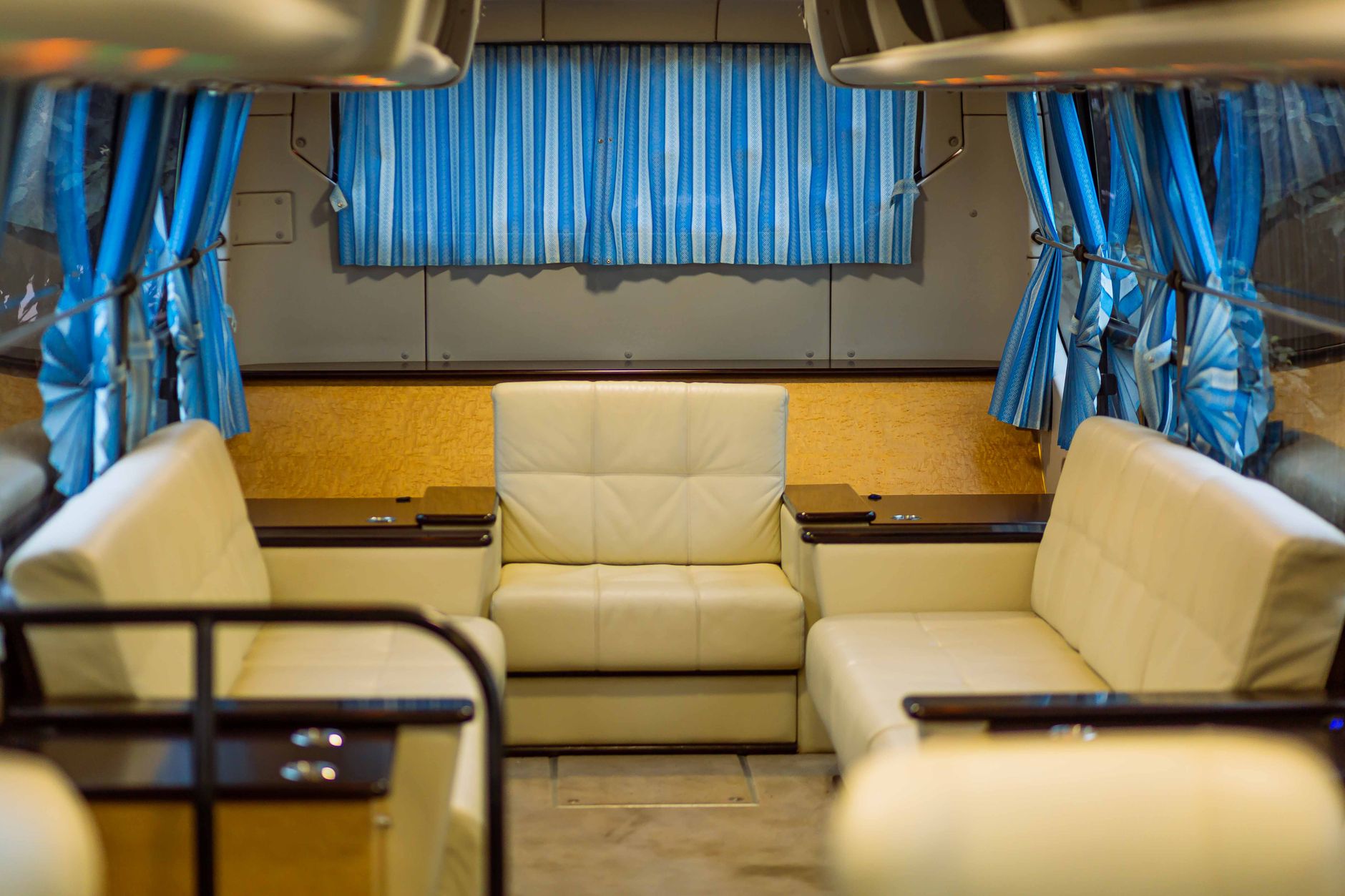
Choose the vehicle from the passenger count, luggage profile, route length, and loading conditions rather than from seat count alone. A charter bus or motor coach is usually the most comfortable choice for long Mountain West corridors because it offers underfloor luggage space, reclining seats, climate control, and often a restroom. Smaller groups may save operational space with a mini coach, mini bus, or executive Sprinter, but luggage and outdoor gear can quickly consume the available storage. Tight hotel drives, historic districts, resort roads, and park parking lots may favor smaller equipment or staged transfers. For a large Family Reunion, two coordinated vehicles can load faster and provide a practical solution when the group has wheelchairs, instruments, uniforms, coolers, or mixed activity schedules.
| Vehicle | Seats | Best For | Notes |
|---|---|---|---|
| Full-size motor coach | 40-56 passengers | Use for a large Family Reunion moving between major metros, hotels, resorts, and regional destinations over several days. | Best for long intercity legs, with the strongest passenger comfort and underfloor storage; verify bus parking and park access before routing. |
| Mini coach | 24-35 passengers | Use when the group is too large for a Sprinter but needs easier hotel, venue, or mountain-town maneuvering than a full-size coach. | A useful middle option for 20 to 35 passengers, but cargo capacity varies and may be limited for bulky outdoor gear or extensive luggage. |
| Mini bus | 16-25 passengers | Use for airport transfers, local event shuttles, or a smaller family segment staying near one destination. | Works for shorter transfers and smaller groups, although many units lack a restroom and have less luggage capacity than a motor coach. |
| Executive Sprinter | 8-14 passengers | Use for airport meet-and-greet service, VIP anniversary travel, family leaders, or a small overflow group. | Comfortable for small groups and tight streets, but luggage, wheelchairs, and long-distance comfort must be reviewed against the specific vehicle layout. |
Routing, Timing, and On-the-Road Realities
Start with the fixed events and work backward from the longest legs. Denver to Estes Park, Salt Lake City to Moab, Las Vegas to Springdale, Phoenix to Sedona, and Boise to Sun Valley can look straightforward on a map but require room for loading, mountain traffic, construction, fuel, and meal stops. Yellowstone access may involve gateways such as West Yellowstone, Gardiner, Cody, Jackson, or Bozeman, and a commercial travel permit and capacity-based commercial bus fee may apply. Rocky Mountain National Park can involve commercial-use authorization questions, timed access conditions, designated loading areas, and limited bus maneuvering near popular trailheads. Zion has unusually specific commercial access and parking rules: commercial buses generally use designated parking and may not drive through the canyon during shuttle season without the applicable authorization or Lodge-related reservation. Confirm the current park rules for the travel year because permit programs and seasonal access can change.
For airport departures, schedule group loading outside the morning and afternoon peaks whenever the itinerary allows, especially around Denver, Salt Lake City, Phoenix, Las Vegas, and Albuquerque. Resort and downtown pickups need a named curb location because hotel porte-cocheres may not accommodate a full-size motor coach or may require advance bus registration. Add time for passenger counts, mobility boarding, car-seat coordination, and luggage staging before departing each hotel. In winter, check I-70 over Colorado passes, US 191 and Utah canyon corridors, I-80 across Wyoming, US 89 in Utah and Arizona, and mountain routes around Montana and Idaho for traction rules, closures, and commercial restrictions. Drivers must manage legal hours, required breaks, weather delays, and overnight positioning rather than simply following consumer navigation estimates. For groups above one coach, use a lead contact, vehicle numbering, a shared manifest, staggered loading zones, and a clear plan for reunifying at venues with limited bus parking.
What This Typically Costs
Mountain West Family Reunion transportation is usually priced around vehicle days, mileage, and the amount of time the equipment and drivers are committed. Most operators apply daily minimums, with longer runs commonly carrying several vehicle days even when the bus is parked during family events. Distance pricing can include deadhead miles from the assigned fleet yard, especially for pickups in smaller Montana, Wyoming, Idaho, or New Mexico markets. Peak summer park season, holiday weekends, ski season, and major events in Denver, Salt Lake City, Las Vegas, Phoenix, and Jackson can tighten availability and raise operating costs. A multi-day motor coach itinerary may also include driver overnight lodging, parking, tolls, permits, and fuel adjustments as separate line items. Plan separately for driver gratuity, which is commonly calculated as a percentage or per service day, and for extra standby or split-shift time. Exact pricing depends on dates, headcount, pickup location, vehicle mix, route restrictions, and whether the charter bus returns to its home market between events.
Frequently Asked Questions
What size charter bus fits a Mountain West family reunion?
A multi-generational Mountain West Family Reunion commonly needs transportation for airport arrivals, hotel transfers, scheduled meals, sightseeing, and one or more family events. Groups often combine grandparents, children, and adults, so a motor coach with a restroom and a predictable loading process is useful for long corridors. The itinerary may run from Denver to Estes Park, Salt Lake City to Moab, or Las Vegas to Zion and nearby resorts. Build in meal, restroom, and photo-stop time rather than treating the route as nonstop highway movement. For national parks, confirm commercial access, entrance fees, parking, and any required authorization before promising an in-park bus route.
Should our group use one large motor coach or several smaller buses?
A group of 18 to 30 people may fit a mini coach or mini bus, depending on luggage and equipment. Groups of roughly 35 to 55 generally use a full-size charter bus or motor coach, especially for routes between Denver, Salt Lake City, Las Vegas, Phoenix, and national parks. Larger Family Reunion groups often use two or more coaches so loading is faster and the itinerary can separate mobility needs or activity schedules. Count children, caregivers, family hosts, and local guests rather than using only the hotel room count. Keep several seats available when the group has coolers, folding equipment, musical instruments, uniforms, or bulky outdoor gear.
Which Mountain West cities and destinations are common for family group travel?
For a Denver-based reunion, common patterns include Estes Park and Rocky Mountain National Park, Colorado Springs, Breckenridge, Vail, and Grand Junction. Salt Lake City groups often route to Park City, Provo, Moab, Ogden, or Jackson, while Las Vegas groups commonly combine Zion, Bryce Canyon, Lake Mead, and resort events. Phoenix and Tucson groups may plan Sedona, Flagstaff, Grand Canyon, or Scottsdale movements, while Albuquerque groups often use Santa Fe, Taos, or northern New Mexico venues. Boise groups may route toward Sun Valley, Idaho mountain towns, or western Montana, and Billings or Bozeman groups may use Yellowstone gateways. The right vehicle depends on road length, parking, luggage, elevation, and whether the bus must stay with the group all day.
When should we book Mountain West group travel?
Summer is the main season for a Mountain West Family Reunion, particularly from June through September when school calendars align and national parks have longer operating windows. Late spring and early fall can work well for lower-elevation routes, but mountain weather can still affect passes and arrival times. Winter trips are common for milestone birthdays, ski weekends, and anniversary stays around Park City, Vail, Breckenridge, Jackson, Taos, and Flagstaff. Holiday weekends and major events in Denver, Salt Lake City, Las Vegas, Phoenix, and Reno can reduce vehicle availability. Request vehicles early when the itinerary crosses several states or requires multiple coaches.
Can a charter bus enter Yellowstone, Zion, or Rocky Mountain National Park?
Yes, but the operator must treat the park as a regulated operating environment rather than an ordinary sightseeing stop. Yellowstone commercial travel generally requires a commercial travel permit, and commercial bus fees are based on vehicle seating capacity rather than only the passengers aboard. Zion applies commercial-tour rules, designated bus parking, and access limits; commercial buses generally cannot drive throughout Zion Canyon during shuttle season, and vehicles longer than 19 feet face restrictions beyond the Lodge area unless authorized. Rocky Mountain National Park may require a Commercial Use Authorization for qualifying commercial vehicle or tour activity, with program status subject to park rules. Confirm each park's current permit, entrance, parking, road, and seasonal-access requirements before finalizing the route.
How does elevation and winter weather change the bus schedule?
Mountain passes require more than a simple mileage estimate because elevation changes affect speed, weather exposure, and recovery time. Routes over Colorado, Utah, Wyoming, Montana, Idaho, or northern Arizona passes may encounter traction requirements and chain or snow-tire restrictions during winter storms. The dispatcher should check state road conditions, pass closures, commercial vehicle restrictions, and the carrier's winter equipment policy before departure. A motor coach may need a longer safe route around a closed pass rather than attempting a narrow or untreated road. Build buffer time for fuel, restroom stops, inspections, and loading after snow or ice delays.
What information does US Bus Trips need to quote a family reunion?
Send the headcount by age group, mobility needs, luggage volume, instruments or gear, pickup addresses, hotel names, event venues, dates, and the complete route. Identify whether the bus must remain on standby, make multiple hotel pickups, cross state lines, or access a national park. A large Family Reunion should also provide a family contact, rooming or hotel-block details, and a preferred split between sightseeing and free time. The quote should account for vehicle days, deadhead, driver lodging, parking, permits, fuel adjustments, and any second vehicle. Confirm that every passenger can use the designated loading areas and that wheelchairs or mobility devices have been discussed with the carrier.
How to Book
To book, provide the travel dates, passenger count, pickup addresses, hotel names, venue schedule, national-park stops, luggage volume, mobility needs, and any instruments, uniforms, or outdoor gear. Include whether the vehicle waits during meals and events, whether multiple hotel pickups are required, and whether the group needs one motor coach or several coordinated units. US Bus Trips can typically return a preliminary quote within 4 business hours when the route and headcount are complete. Confirmation should identify the assigned vehicle type, pickup schedule, service dates, operating assumptions, major inclusions, and known permits or parking responsibilities. Reach us through the US Bus Trips booking team with the itinerary and a primary family contact so dispatch can resolve access and timing issues before travel.
Related Trips You Might Also Consider
- NYC Theater — 24-Passenger Mini Bus
- Bakersfield, CA to Las Vegas, NV
- Charleston — 56-Passenger Motor Coach
- Branson — 56-Passenger Motor Coach
- Non-Profit Fundraiser — Midwest Region
- Veterans Group — South Central Region
- Cross-Country Charter Bus Overview
- All Group Tour Destinations
- See the Full Fleet (Sprinters through 56-pax coaches)
- Get a Free Quote in 60 Seconds