
US Bus Trips arranges charter bus and motor coach transportation for school bands, choirs, and combined music programs traveling through the Pacific Northwest.
Overview
A Pacific Northwest High School Band Tour commonly starts with a school pickup in Seattle, Tacoma, Everett, Spokane, Portland, Salem, Eugene, Anchorage, or another regional metro and combines a performance, competition, clinic, and sightseeing schedule. Washington and Oregon groups frequently use I-5 for Seattle to Portland movement, with stops near Tacoma, Olympia, Vancouver, Salem, and Eugene. Actual venue access matters: Seattle Center, Climate Pledge Arena, Lumen Field, Tacoma Dome, the Oregon Convention Center, and Portland's Moda Center area have different curb, parking, and loading conditions. A bowl-game assignment may require an early airport or hotel transfer, secure instrument handling, and a late return after the game. A spring performance trip may instead use a school, festival hall, university, or community venue with limited coach parking. The right group travel plan keeps the bus available when students need it, rather than treating transportation as a series of isolated transfers.
The typical customer is a school music department, district travel coordinator, booster organization, tour operator, or university-affiliated ensemble traveling with students and adult supervisors. Smaller choirs may fit one mini coach, while a marching band can require two or more full-size motor coaches plus a separate equipment solution. Passenger totals should include directors, chaperones, clinicians, bus captains, wheelchair users, and any local staff joining the route. Cargo planning should list tubas, sousaphones, percussion, cymbals, music stands, uniforms, garment bags, risers, personal luggage, and medical or accessibility equipment. A standard charter bus bay is designed for luggage, not unlimited large cases, and aisle storage can create safety and evacuation problems. If the group will continue to a Disney competition, DC or NYC festival, or an out-of-region bowl game, confirm whether the Pacific Northwest vehicle is staying with the group or handing off to another operator.
The region supports several distinct trip patterns. Seattle and Tacoma groups may travel south through Olympia and Portland, then continue to Salem, Eugene, the Oregon Coast, or the Columbia River Gorge. Puget Sound itineraries can include ferry crossings to Bainbridge, Bremerton, the Olympic Peninsula, Port Townsend, Coupeville, or the San Juan Islands, but a full-size coach must be planned around terminal queues, vehicle dimensions, sailing schedules, and loading procedures. Mountain and coastal scenery can be worthwhile additions, yet snow, pass conditions, fog, narrow roads, and seasonal congestion can change a schedule quickly. Alaska assignments are different: coach work in Anchorage, Fairbanks, Juneau, Ketchikan, Skagway, or Sitka may be tied to cruise-ship shore-excursion windows rather than a school-style daily itinerary. In every case, the High School Band Tour needs a written movement plan that protects rehearsal, sound check, performance, meal, and return-to-hotel times.
Fleet Options
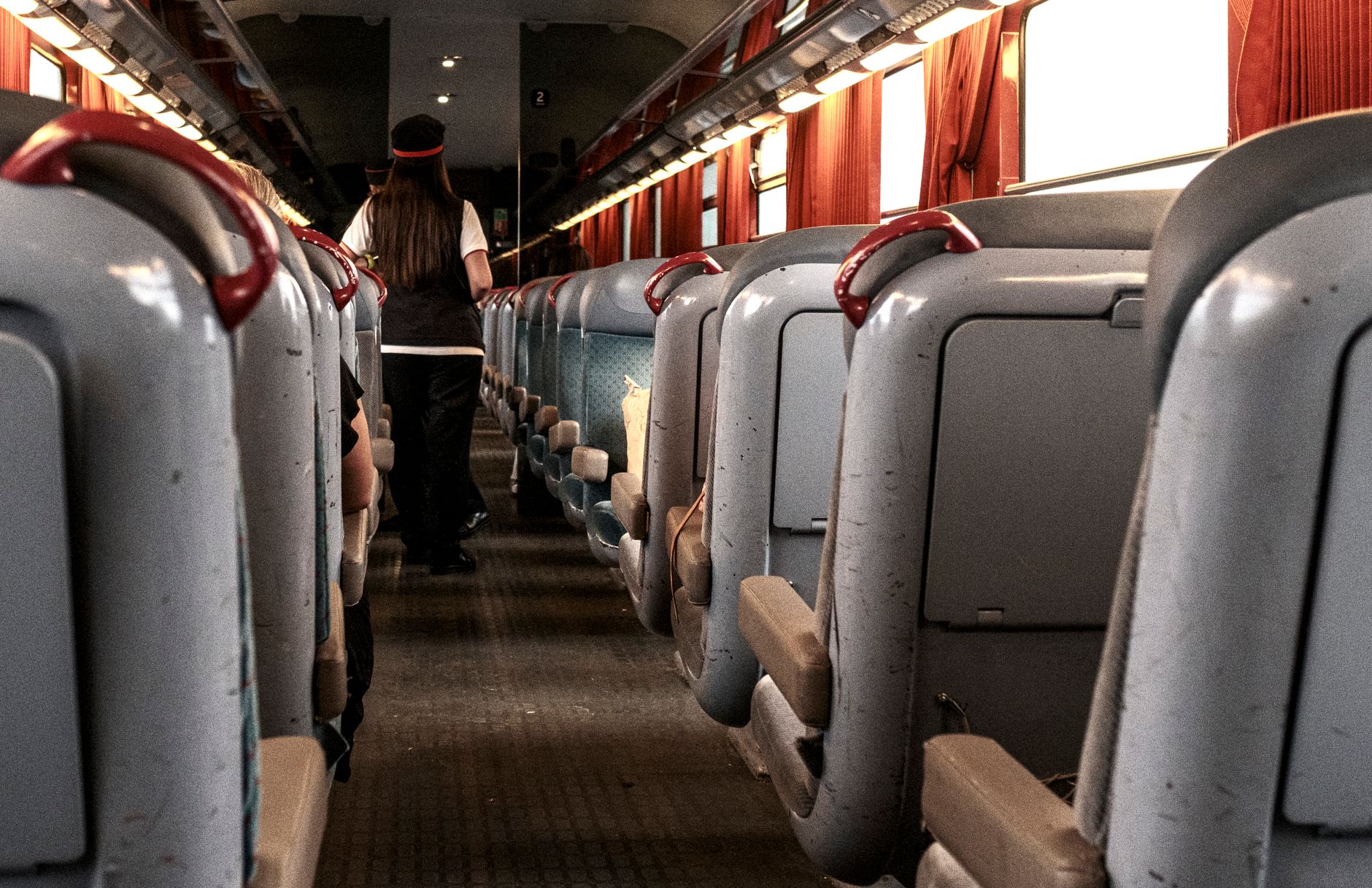
Vehicle selection for a Pacific Northwest group travel assignment starts with passenger count plus cargo volume, not seats alone. Full-size coaches are efficient for long I-5 runs and multi-day routes, while mini coaches handle smaller groups and tighter hotel or downtown access. Instrument cases, uniforms, wheelchairs, and luggage can consume more space than a standard school headcount suggests. Seattle, Portland, Tacoma, and waterfront venues may have restricted curb space, so the itinerary should identify legal staging areas and unloading windows. For large groups, multiple coordinated vehicles often load faster and provide a workable separation between performers, equipment, and chaperones.
| Vehicle | Seats | Best For | Notes |
|---|---|---|---|
| Full-size motor coach | 40-56 passengers | Use for a standard High School Band Tour, long I-5 segments, bowl-game travel, or a multi-day regional itinerary with substantial luggage. | Best underfloor luggage capacity and highway comfort, but requires confirmed venue access, curb clearance, and bus parking instructions. |
| Mini coach | 20-38 passengers | Use for smaller choirs, split groups, director teams, or routes with tighter streets and limited bus staging. | More maneuverable at hotels, waterfronts, and smaller venues, with less luggage and instrument capacity than a full-size coach. |
| Executive Sprinter | 10-14 passengers | Use for a compact group travel segment, airport transfer, scouting run, or overflow vehicle alongside larger coaches. | Comfortable for faculty, small ensembles, or VIP movements, but cargo space is limited and it is not a substitute for an instrument bus. |
| ADA-equipped charter bus | Typically 40-55 passengers depending on wheelchair positions | Use when a student or chaperone travels with a wheelchair or when the school requires accessible transportation throughout the tour. | Requires advance confirmation of lift or ramp capacity, securement positions, boarding time, and enough aisle or storage space for mobility equipment. |
Routing, Timing, and On-the-Road Realities
The I-5 spine is predictable only when the departure window is controlled. Seattle, Tacoma, and Olympia traffic can build early, while Portland bottlenecks commonly affect the I-5 and I-205 approaches, especially around weekday commutes, incidents, and event releases. For a morning performance, dispatchers generally work backward from the required arrival, adding time for school loading, instrument checks, restroom stops, and a realistic venue unload. Downtown Seattle, Portland, Tacoma, and waterfront properties may permit only a short curb stop, so the itinerary should include a bus parking location rather than assuming the coach can wait at the entrance. Stadium and convention-center events may release thousands of pedestrians and vehicles at once, making a post-event pickup window essential. A motor coach should never be scheduled to make a tight connection immediately after a performance when the group must reload percussion and uniforms. For group travel, one late load can move every later meal, rehearsal, and hotel arrival.
Ferry and mountain routes require more conservative timing than a direct highway transfer. Washington State Ferries advises early terminal arrival, and vehicle reservations on routes such as Port Townsend to Coupeville and Anacortes to the San Juan Islands are separate from tickets and apply to the vehicle rather than simply the passenger group. A reservation does not eliminate the need to follow terminal instructions, and standby or first-come loading may apply on routes without reservations. Declare the coach length and height accurately, verify whether an oversized vehicle request is needed, and plan both outbound and return movements. For Alaska cruise-ship work, build the coach schedule around ship arrival, port access, passenger count, excursion duration, and a firm return-to-ship buffer. Drivers also need legal duty-hour planning, hotel parking, meal breaks, and relief coverage for multi-day runs. A scenic detour through the Oregon Coast, Columbia River Gorge, Olympic Peninsula, or Cascade passes should be priced and scheduled as a separate operating block, not added casually between venues.
What This Typically Costs
Pricing for a Pacific Northwest High School Band Tour is built from vehicle days, route mileage, and the time the coach is committed to the group. Most operators apply a daily minimum, while longer Seattle to Portland runs, eastern Washington departures, Alaska positioning, or multi-state itineraries add mileage and deadhead miles. Spring performance trips, bowl-game travel, Disney competition travel, and summer Alaska cruise work can tighten availability and raise seasonal pricing. The quote may include driver overnight lodging, parking, tolls, ferry charges, and a fuel adjustment when the contract allows one. Driver gratuity is normally separate and is commonly planned as a percentage or per-day amount rather than folded into the base rate. In most markets, a multi-day motor coach commonly runs a few thousand dollars per day, while the final range depends on vehicle count, dates, pickup location, and whether the bus returns home between assignments.
Frequently Asked Questions
How many students fit on a Pacific Northwest band tour bus?
A practical planning range is often 30 to 56 passengers per full-size motor coach, with smaller ensembles using a 20 to 38 passenger mini coach or a 10 to 14 passenger executive Sprinter. A school may have 60 students, 10 chaperones, and several instruments, or a combined band and choir delegation above 100 passengers. Count adults, directors, wheelchair users, and equipment handlers before selecting capacity. A bus that is technically large enough may still be wrong if instrument cases consume passenger or underfloor space.
What cities and venues are common on Pacific Northwest school tours?
The I-5 corridor is the main operating spine, connecting Seattle, Tacoma, Olympia, Portland, Salem, Eugene, and nearby venues. Washington groups commonly route through Seattle Center, Climate Pledge Arena, Lumen Field, Tacoma Dome, and venues in Bellevue or Everett. Oregon itineraries often use Portland venues, the Oregon Convention Center, Moda Center area, Salem, or Eugene. Scenic extensions may use the Olympic Peninsula, Columbia River Gorge, Mount Hood, the Oregon Coast, or the Cascade passes, but those routes require more time and weather review.
Can a charter bus take a school group on a Puget Sound ferry?
Yes, but ferry planning must be treated as a scheduled movement rather than a casual sightseeing stop. Washington State Ferries vehicle reservations are available on the Port Townsend to Coupeville and Anacortes to San Juan Islands routes, while other crossings generally use standby loading. Reservations are for the vehicle and do not replace passenger or vehicle tickets. Coaches should reach the terminal early, with roughly 30 to 45 minutes for Port Townsend to Coupeville and 45 to 60 minutes for Anacortes routes, and oversized buses may require advance review of vehicle dimensions.
What vehicle should a school choose for a High School Band Tour?
A full-size charter bus or motor coach is usually the best fit for 35 to 56 travelers because it provides a professional driver, reclining seats, underfloor luggage, and a single manifest. A mini coach works better for smaller choirs, director teams, or groups visiting streets and facilities where a full-size coach is awkward. Executive Sprinters are useful for faculty, VIPs, or small ensembles but usually cannot carry a full instrument inventory. For large bands, two or more buses may be preferable to overloading one coach, especially when percussion equipment and uniforms travel with the students.
How far ahead should a Pacific Northwest group travel booking be made?
Reserve the bus as soon as dates and performance times are reasonably firm, often several months ahead for spring and summer. Peak demand commonly clusters around spring performance trips, festival weekends, graduation periods, football bowl games, and summer cruise-season work in Seattle, Tacoma, and Alaska ports. Earlier booking improves the chance of matching vehicle size, ADA equipment, and driver coverage. A preliminary hold can be useful while the school confirms venues, hotel blocks, and ferry or event schedules.
How do buses handle instruments, uniforms, and wheelchairs?
Instrument planning starts with a written inventory: tubas, sousaphones, percussion carts, cymbals, music stands, uniforms, garment bags, risers, and personal luggage. Underfloor bays handle suitcases well, but bulky cases can limit usable capacity and may need a second vehicle or a dedicated cargo van. Keep instruments protected from weather and confirm whether the venue provides unloading space, ramps, carts, and a secure staging area. Wheelchairs require advance notice so the operator can assign an ADA-equipped vehicle or coordinate a lift-capable replacement.
Can US Bus Trips arrange Alaska cruise-ship shore excursions for bands?
Alaska work is often built around Anchorage, Fairbanks, Juneau, Ketchikan, Skagway, and Sitka, with coach movements tied to cruise-ship arrival windows or school performance schedules. Shore-excursion buses need exact ship arrival and departure times, pier access instructions, passenger counts, and a clear return-to-ship buffer. Coaches may be staged in different locations from the ship, and weather, road limitations, and port congestion can affect loading. A school should provide the ship name, port, excursion duration, luggage plan, and whether the group needs a full-size motor coach, mini coach, or accessible vehicle.
How to Book
To request a quote, have the dates, pickup address, estimated headcount, student and chaperone split, instrument inventory, wheelchair needs, hotel locations, performance times, and complete itinerary ready. US Bus Trips can typically return a realistic quote or initial routing response within 4 business hours when those details are available. Confirmation should identify the vehicle type, passenger capacity, pickup and drop-off schedule, driver coverage, included services, exclusions, and any ferry or parking assumptions. Reach us with the itinerary and a dispatcher can build the practical charter bus plan around the school's performance schedule.
Related Trips You Might Also Consider
- San Diego, CA to Palm Springs, CA
- Big Bend — 56-Passenger Motor Coach
- Robotics Competition — South Central Region
- High School Band Tour — Mountain West Region
- Henderson, NV to Las Vegas, NV
- Washington DC, DC to Philadelphia, PA
- Cross-Country Charter Bus Overview
- All Group Tour Destinations
- See the Full Fleet (Sprinters through 56-pax coaches)
- Get a Free Quote in 60 Seconds