
Groups book this Louisville to Nashville charter bus lane when they need one vehicle, one driver, and one clean handoff across state lines.
Overview
The Louisville to Nashville corridor is a straightforward long-haul charter bus run on paper, but it still gets booked like a real operating move, not a simple car trip. Most groups on this lane are band tours, sports teams, corporate roadshows, wedding blocks, and family reunions that want everyone on one motor coach instead of splitting into cars or shuttles. Louisville groups commonly stage from a Downtown hotel, Churchill Downs, or the SDF cell lot when the pickup needs room to form up before departure. Nashville drop-offs usually work best at a hotel loading zone, convention district curb, or a venue-approved bus lane, because random street stops can create delays. This is the kind of run where a charter bus saves friction even though the mileage is modest, because the group stays together and the baggage stays with the coach. For dispatch, the big question is whether the operator can keep the long-haul schedule clean around local event traffic on both ends.
Louisville to Nashville is usually quoted as a corridor move of about 175 to 182 miles, with typical one-way runtime around 2 hours 40 minutes to just under 3 hours in normal traffic. In practice, a charter bus can take longer because the driver has to load passengers, clear downtown streets, and work around I-65 traffic patterns and construction. The standard routing is I-65, with I-64 and I-65 both part of the Louisville approach depending on the exact pickup, and the driver will want a simple pull-in and pull-out plan. For Louisville, Derby season is the operational outlier; Kentucky Derby weekend changes staging and access around Churchill Downs and can turn a normal motor coach pickup into a managed access event. For Nashville, concert nights, conventions, and downtown hotel clusters can tighten the curb and slow the drop. A long-haul dispatcher plans this route as a door-to-door event transfer, not just a highway run.
The typical customer on this Louisville to Nashville charter bus lane is buying reliability more than novelty. Band tours need bay space for cases and a predictable call time, sports teams need a motor coach that can absorb gear and post-game fatigue, and corporate groups need everyone to arrive together and on time. Wedding blocks often use a charter bus or mini coach when they want a clean guest transfer between Louisville and Nashville without relying on rideshares at the end of a reception. Family reunions use the route when the trip is part vacation, part logistics, and nobody wants to manage caravan gaps across state lines. On a long-haul move like this, the bus type and the staging plan matter as much as the mileage because poor curb access can erase the time you saved on the highway. The right operator will ask about pickup windows, luggage, loading conditions, and whether the group needs the coach to wait, return, or overnight.
Fleet Options
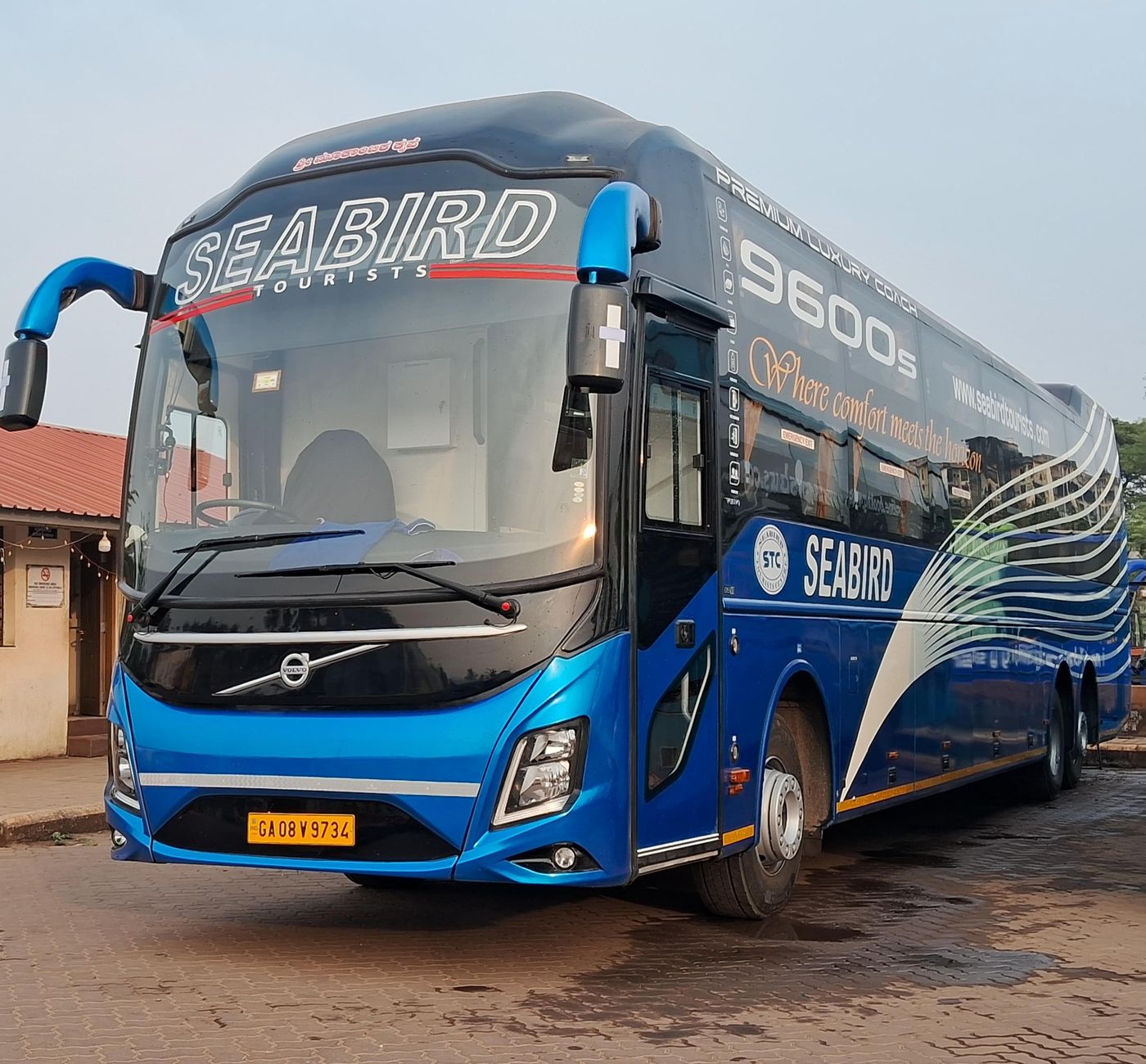
Choose the vehicle by passenger count, bags, and how many hours the group will sit in the seat. For Louisville to Nashville, a charter bus or motor coach is the default when luggage, instruments, or team gear are part of the move, because the underfloor bay handles long-haul cargo better than a smaller vehicle. A mini coach or mini bus can work for smaller corporate groups or wedding blocks, but tight downtown loading and limited baggage space can become the weak point. Executive Sprinters are best when the guest count is low and the group wants a quick, premium transfer rather than a full-size coach. If the pickup is at Churchill Downs, a Downtown Louisville hotel, or a busy Nashville hotel frontage, the street fit matters almost as much as the seating chart.
| Vehicle | Seats | Best For | Notes |
|---|---|---|---|
| 56-passenger charter bus | 50-56 | Use this for larger groups, team travel, or any move where bags and comfort matter more than curb length. | Best cargo setup for luggage, band gear, and sports equipment, with a true long-haul ride and the most forgiving underfloor storage. It is the safest default when Louisville pickup and Nashville drop-off both involve event traffic or hotel curbs. |
| 40-passenger motor coach | 36-42 | Use this for corporate roadshows, medium-size wedding blocks, or regional tours with manageable bag volume. | A solid long-haul option when the headcount is moderate and the group wants coach comfort without filling every seat. It still has enough bay space for serious luggage, but it stages a little easier than the biggest coach in tighter Louisville or Nashville loading zones. |
| 28-passenger mini coach | 24-30 | Use this when the group is too large for vans but does not need a full motor coach. | A practical fit for smaller groups that still need aisle comfort and a dedicated driver. Cargo is more limited than a full-size charter bus, so the luggage plan needs to be honest before dispatch. |
| Executive Sprinter | 8-14 | Use this for small teams, site visits, or premium point-to-point long-haul transfers. | Best for VIP transfers, small production crews, or executive travel where the group wants a quiet ride and a faster curb cycle. Luggage space is tighter, so this works best when passengers travel light and the pickup point has enough room for a smaller footprint. |
Routing, Timing, and On-the-Road Realities
The cleanest route for a Louisville to Nashville charter bus is usually I-65, with the exact pickup side in Louisville deciding whether the bus uses a more direct downtown approach or a wider entry from the airport side. A Downtown Louisville hotel pickup can be easy if the curb is reserved, but it can also back up quickly if another event is loading at the same time. Churchill Downs is the biggest local wrinkle because Kentucky Derby weekend turns even short movements into controlled operations with more traffic, more security, and less tolerance for a motor coach that is late or oversized for the curb. The SDF cell lot works as a practical staging point when the group is assembling from flights, arrivals, or split transportation and needs a simple meet-up before the charter bus heads out. For Nashville, a hotel loading zone or venue-approved motor coach area is usually safer than ad hoc street loading, especially downtown where buses can get pushed into a loop by traffic and tight frontage. A dispatcher should lock the exact stop, the load sequence, and the fallback curb before the day of travel.
Driver-hours planning is straightforward on this corridor if the trip is only one-way, but it gets tighter when the motor coach has to wait on site or return the same day. Passenger-carrier rules cap driving at 10 hours after 8 consecutive hours off duty and cap on-duty time at 15 hours, which means a Louisville to Nashville round trip with a long event stop can run into a fatigue and compliance problem if it is not scheduled carefully. Weekly limits also matter on long-haul tours, because the driver cannot keep stacking on-duty days forever even if each individual run is short. For a band tour or sports team run, it is smart to build margin for traffic, meal breaks, and Nashville or Louisville loading time rather than pushing the charter bus schedule to the limit. If the group needs the coach to stay with it overnight, the plan should include hotel placement for the driver and a realistic off-duty window. This is where operational credibility matters: the bus may be the easy part, but the hours-of-service math decides whether the trip works cleanly.
What This Typically Costs
Pricing for a Louisville to Nashville charter bus usually follows a one-way or round-trip structure with a minimum day charge, mileage, and driver time built into the quote. For a long-haul corridor like Louisville to Nashville, the biggest cost drivers are deadhead miles from the carrier's home base, seasonal demand, and whether the run needs a hotel night for the driver. In most markets, a same-day round trip is cheaper than two separate one-way moves, but a multi-day itinerary can trigger lodging, per diem, and reset time charges. Expect fuel surcharges, tolls if routed around congestion, and possible event premiums around Louisville Derby week or major Nashville weekends. Driver gratuity is usually separate, and some operators also itemize parking, permits, and after-hours staging if the charter bus has to wait downtown or near a venue. The quote should always reflect whether the motor coach is staying with the group or returning empty, because that changes the long-haul math fast.
Frequently Asked Questions
How far is Louisville to Nashville for a charter bus?
The standard Louisville to Nashville drive is about 175 to 182 miles via I-65, with a normal nonstop runtime around 2 hours 40 minutes to 2 hours 58 minutes depending on traffic and loading. For a charter bus, plan a little more time for a restroom stop, downtown pickup, or venue ingress because the clock starts when the motor coach rolls, not when everyone is seated. On a tight corporate roadshow or sports team schedule, dispatchers usually build a 3 to 3.5 hour block for the move so the group is not squeezed at the edges. Derby weekend, Friday departures, and Sunday returns can push the long-haul timing beyond the usual range.
What are the DOT driver hours rules on this route?
Passenger-carrying drivers are limited to 10 hours of driving after 8 consecutive hours off duty, and they cannot drive after 15 hours on duty following that off-duty period. The broader weekly caps are 60 on-duty hours in 7 consecutive days for carriers that do not operate every day, or 70 on-duty hours in 8 consecutive days for carriers that do. A Louisville to Nashville run is well within one driver day if it is a single move, but a same-day out-and-back with event waiting time can burn through the duty clock quickly. For a long-haul wedding block or band tour, the schedule should be planned so the motor coach does not force a violation on the return leg.
Where should Louisville groups stage for pickup?
Louisville pickups usually work best from a Downtown hotel curb lane, a pre-cleared event loading zone, Churchill Downs during controlled access windows, or the SDF cell lot when the group is consolidating before a transfer. The key is to avoid letting the charter bus idle where curb space is thin, because downtown Louisville and event traffic can choke the move before the motor coach even gets on I-65. In Nashville, the cleanest drop-offs are usually at hotel loading areas, designated meeting points near the convention district, or a venue-approved bus lane rather than a random curb. The driver should know in advance whether the group needs a quick drop-and-go or a stay-with-group operation, because Nashville enforcement and venue security can be strict about where a long-haul motor coach stages.
What size bus fits a Louisville to Nashville trip?
The most common vehicle mix is a 56-passenger motor coach for band tours, sports teams, and larger corporate groups, with mini coaches and mini buses filling smaller or tighter itineraries. Executive Sprinters make sense for VIPs, production staff, or small corporate roadshows that want a lower-profile long-haul ride with limited luggage. If the group has instruments, display cases, hockey bags, or wedding luggage, cargo space matters as much as seat count, and a full-size charter bus is usually the safer call. In Louisville, larger vehicles are easier to manage than in tight hotel alleys, while in Nashville some hotel and venue curbs favor smaller vehicles for quick loading.
What groups book a Louisville to Nashville charter bus?
Band tours are a strong fit because the Louisville to Nashville corridor links event circuits, rehearsal schedules, and venue hops without forcing a flight. Sports teams use this route for away games, tournaments, and regional competition where equipment, coolers, and recovery time matter more than speed. Corporate roadshows and family reunion travel also book this long-haul charter bus lane because it avoids split arrivals and keeps the group together door to door. Wedding blocks use it when guests are coming from Louisville for a Nashville weekend or when a reception, rehearsal dinner, or after-party needs coordinated transport.
Is one-way or round-trip cheaper?
One-way pricing works best when the group only needs a drop in Nashville and the vehicle can deadhead back, while round-trip pricing is usually better when the same motor coach stays with the group and returns to Louisville. For a multi-day long-haul plan, the operator usually prices by day, mileage, and driver time instead of by passenger count. A one-way quote can still include empty return miles if the carrier cannot book another load back, so a shorter run does not always mean a cheaper invoice. The final structure often depends on whether the bus is parked in Nashville overnight, whether the driver resets off duty, and whether the schedule requires early-morning pickup in Louisville or late-night return service.
What parking issues come up on this route?
Louisville and Nashville both create parking friction, but in different ways: Louisville often hinges on downtown curb access, Churchill Downs event controls, and the SDF pickup pattern, while Nashville is more sensitive around hotel frontage, venue security, and bus-sized loading zones. At Nashville concerts, conventions, and downtown hotels, the driver often needs a confirmed unloading window instead of circling the block. In Louisville, Derby weekend is the major disruption because normal staging can change fast and charter bus access may be restricted near Churchill Downs. A good dispatch plan names the exact curb, gate, or lot in advance so the motor coach is not improvising in either city.
How to Book
Have the dates, pickup address, drop-off address, headcount, luggage estimate, and the exact itinerary ready before requesting a quote. For a Louisville to Nashville charter bus, the cleaner the schedule, the faster the pricing, especially if the motor coach is doing a same-day round trip or an overnight stay. Most quote requests can be turned within 4 business hours once the routing and vehicle size are clear. The confirmation should spell out vehicle type, pickup window, mileage or day structure, driver overnight needs if any, and any event-specific staging notes. To move fast, send the run details to US Bus Trips with the city pair, passenger count, and whether the group needs one-way, round-trip, or multi-day long-haul service.
Related Trips You Might Also Consider
- Denver, CO to Aspen, CO
- Death Valley — 24-Passenger Mini Bus
- Chicago, IL to Indianapolis, IN
- Government Agency Shuttle — Pacific Region
- Scout Troop — Pacific Northwest Region
- Corporate Roadshow — Mountain West Region
- All Group Tour Destinations
- All Group Trip Types
- See the Full Fleet (Sprinters through 56-pax coaches)
- Get a Free Quote in 60 Seconds