
A 24-Passenger Mini Bus suits executive retreats, small escorted tours, alumni groups, and first-class-only parties traveling into Death Valley.
Overview
A Death Valley group tour is usually built around a three- to five-day operating window rather than a rushed overnight. Common origins include Las Vegas, Los Angeles, San Diego, Phoenix, and regional conference hotels, with the final approach selected around road grades, weather, lodging, and the group's return point. Las Vegas groups often use Pahrump or Beatty as staging choices, while California departures may approach through Baker, Ridgecrest, or Highway 190 depending on the itinerary. The 24-Passenger Mini Bus is well suited to executive retreats, university field programs, photography groups, and private tours that want one controlled manifest. It is not public transportation; Death Valley has no regular transit service inside the park, so the charter must remain self-contained. The dispatcher should treat fuel, water, communications, restroom planning, and emergency margins as operating requirements rather than optional extras.
Spring and fall are the most forgiving seasons for a Death Valley group tour, while winter offers cool days, dark skies, and strong photographic light but can bring chilly nights or weather closures at elevation. Spring break crowds from mid-March into late April can fill Furnace Creek and nearby lodging well in advance, and the Death Valley '49ers Encampment affects November availability and traffic patterns. Summer operations need shorter walking segments, early starts, air-conditioning checks, and a conservative plan for passenger exposure at low elevations. A typical first day includes regional pickup, a grocery or water stop outside the park, arrival at the selected lodging base, and one low-commitment viewpoint rather than a full sightseeing circuit. Days 2 through 4 can divide the park into central valley, north valley, and return corridors so the driver is not repeatedly crossing the same ground. The itinerary should leave room for road closures, slow grades, restroom stops, and passenger boarding without blocking facility traffic.
Park rules are especially relevant when the vehicle is operated commercially. A road-based commercial tour generally requires a National Park Service Commercial Use Authorization, and loading is restricted to designated zones or parking spaces; idling in front of visitor facilities is not an acceptable staging plan. The park restricts vehicles over 25 feet on roads including Artists Drive, Emigrant Canyon Road, and Dante's View Road, while some roads also carry width restrictions. A 24-Passenger Mini Bus may be the right footprint, but the carrier must verify its actual overall length and width, not rely on the label mini bus. Popular stops such as Zabriskie Point, Badwater Basin, Furnace Creek Visitor Center, Mesquite Flat Sand Dunes, and Devils Golf Course require controlled parking and passenger movement. Large event weekends, wedding groups, alumni tours, and corporate retreats should reserve lodging and confirm any special-use or event permitting separately from the vehicle booking. The operating plan should identify legal passenger loading points, backup stops, and a no-off-road policy for the vehicle and passengers.
Fleet Options
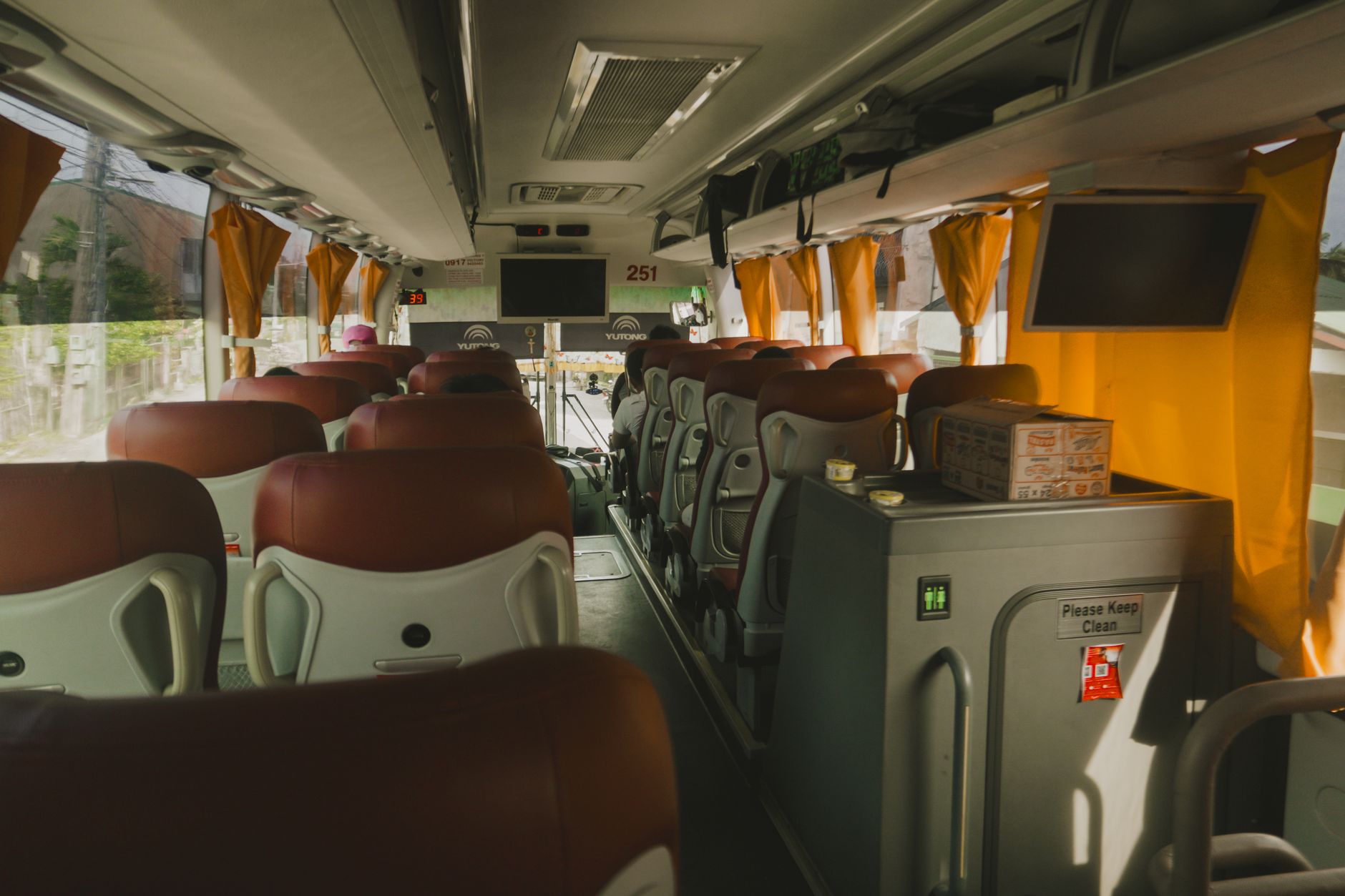
A 24-Passenger Mini Bus is a strong match when the manifest is close to 24 passengers and the group values coach-style seats, a single vehicle, and a more controlled boarding process than multiple vans. Compact mini bus bodies can be easier to place at visitor facilities than a full-size motor coach, but they are not automatically allowed on every narrow or length-restricted Death Valley road. For a multi-day trip, count suitcases, coolers, camera cases, and mobility equipment before filling every seat; rear luggage space or a roof carrier may be necessary. If the group requires substantial baggage, generous seat spacing, or room for daily equipment, reserve fewer seats or move up to a motor coach. The final vehicle choice should be based on actual dimensions, cargo capacity, road restrictions, and driver visibility rather than passenger count alone.
| Vehicle | Seats | Best For | Notes |
|---|---|---|---|
| 24-Passenger Mini Bus | 18-24 passengers | Best for a first-class-only group tour, executive retreat, or small multi-day party that wants one vehicle and comfortable forward-facing seating. | Compact mini bus with coach-style seats and rear or roof luggage capacity; confirm exact length before routing Artists Drive, Emigrant Canyon Road, or Dante's View Road. |
| 28-35 Passenger Mini Coach | 25-35 passengers | Fits groups that have outgrown a 24-Passenger Mini Bus or need more luggage room without the footprint of a full-size motor coach. | Adds cargo and seating margin but may lose access to roads with 25-foot limits, so keep the itinerary on approved paved corridors and designated parking. |
| Motor Coach | 40-56 passengers | Works for larger associations, school groups, and tour departures with substantial baggage staying on the main paved park network. | Provides the best luggage volume and onboard comfort, but its length, turning radius, and parking requirements can restrict narrow Death Valley roads and smaller hotel lots. |
| Executive Sprinter | 10-14 passengers | Fits a leadership retreat, private family party, or split-group operation where the headcount is well below 24 and the itinerary needs maximum maneuverability. | Easy to stage in tight hotel and visitor parking, but luggage capacity and seat width are limited for a multi-day group tour, especially with every seat occupied. |
Routing, Timing, and On-the-Road Realities
For a Las Vegas-origin group tour, the normal planning choice is a direct approach through Pahrump toward Death Valley, with Beatty and Daylight Pass available for northern routing when that fits the overnight plan. A California departure may use US 395 and Ridgecrest, Baker and the southern approach, or Highway 190 from the west; the correct corridor depends on the pickup city and final destination. Highway 190 includes mountain grades and winding sections, so the driver should not be scheduled to make a tight arrival immediately after a long deadhead. Pickup windows should be early, especially from Las Vegas hotels, because heat, visitor traffic, and slower park roads consume the day. On day 2, schedule Zabriskie Point, Furnace Creek, Golden Canyon, Badwater Basin, and Devils Golf Course as a directional loop rather than a series of improvised turnarounds. Artists Drive is one-way and length-restricted for buses over 25 feet, so it should be treated as a conditional stop after dimensions and current conditions are verified.
Parking and driver duty time need equal weight with sightseeing mileage. Commercial vehicles may stop in designated loading areas to board or unload, then must proceed to designated parking and must not obstruct normal traffic at visitor facilities. The 24-Passenger Mini Bus should be staged at the applicable visitor-center or attraction lot, with the driver keeping a clear passenger count before each departure. Avoid promising Dante's View, Emigrant Canyon, Wildrose, or other narrow routes until the carrier confirms the vehicle fits the posted limits and the road is open. A daily park loop can look short on a map but still consume a full duty day because paved roads are winding, grades are slow, and passengers need shade, water, restrooms, and walking time. For a multi-day run, build driver overnight lodging into the schedule near the operating area and consider a second driver when regional travel, late events, or same-day returns push the legal duty window. Recheck park alerts and road conditions before departure because rain, flooding, snow, heat, and maintenance can change the approved route.
What This Typically Costs
A Death Valley group tour in a 24-Passenger Mini Bus is normally quoted from a daily vehicle-and-driver minimum, then adjusted for route miles, deadhead miles to and from the operating base, and the number of service days. In most markets, a multi-day desert charter commonly runs a few thousand dollars per day, with higher totals during spring break, fall weekends, holiday periods, and major Las Vegas events. Ask the quote to separate revenue miles from deadhead, because a Las Vegas pickup, Los Angeles departure, or Phoenix-origin run can carry substantial repositioning before the first passenger stop. Driver overnight lodging, parking, tolls, fuel adjustments, and any second-driver requirement are typical line items rather than hidden assumptions. Passenger gratuity is usually separate and is commonly planned as a percentage of the transportation charge or a per-day amount. A lower apparent per-mile rate may not reduce the total when the itinerary has long layovers, remote staging, or daily minimums.
Frequently Asked Questions
What does a 24-Passenger Mini Bus fit well for in Death Valley?
A 24-Passenger Mini Bus works best for a small tour, executive retreat, alumni group, photography workshop, or first-class-only group that wants coach-style seats without moving a full-size motor coach. It has enough capacity for 24 passengers, but luggage volume depends on the body style and whether the rear compartment or roof carrier is available. For a multi-day trip, confirm the number of suitcases, coolers, camera cases, and mobility items before selecting the vehicle. If every seat is occupied and each traveler brings a large suitcase, a larger motor coach or a second vehicle may be more practical.
What are the best months for a Death Valley group tour?
October through April is generally the workable operating season for a Death Valley group tour, with pleasant fall conditions, cool winter days, and spring wildflowers as the main draws. Spring break from roughly mid-March through late April can fill lodging, campgrounds, roads, and popular overlooks, so reservations and timed daily routing matter. May through September can bring extreme low-elevation heat; sightseeing is still possible, but walking stops should be shorter and the vehicle must have reliable air conditioning. Summer is better suited to a tightly controlled scenic drive, early departures, and high-elevation options rather than long midday hikes.
How many days should a Death Valley group tour take?
A practical three-day plan can use day 1 for pickup in Las Vegas, Southern California, or another regional hub, then travel through the selected approach corridor with a first stop at Dante's View only if the vehicle and road conditions allow. Day 2 can cover Furnace Creek, Zabriskie Point, Harmony Borax Works, Badwater Basin, Devils Golf Course, and a short Golden Canyon viewing stop, with the driver preserving time for slow park roads and passenger loading. Day 3 can use Mesquite Flat Sand Dunes, Salt Creek, Stovepipe Wells, or a return route through Beatty, depending on the group's lodging and final destination. A four-day group tour gives better margins for weather, heat, photo stops, and a delayed arrival. Artists Drive, Emigrant Canyon Road, and the upper section of Dante's View Road have length or width restrictions that can exclude buses over 25 feet, so the dispatcher should verify the actual vehicle dimensions before promising those stops.
Does a 24-Passenger Mini Bus need a Death Valley permit?
Commercial bus tours in Death Valley generally need a National Park Service Commercial Use Authorization, and special activities or organized events may require additional approval. The operator should carry the applicable authorization, insurance documentation, and vehicle information while serving the park. Road-based commercial tours are limited to paved park roads except for specifically identified routes, and unpaved backcountry touring is not a normal motor coach operation. Loading must occur in designated passenger zones or designated parking spaces, and the vehicle must move to a proper parking area after unloading. A permit does not override posted closures, vehicle-length limits, road conditions, or facility-specific parking controls.
Can a 24-Passenger Mini Bus drive all Death Valley roads?
The National Park Service applies a 25-foot total-length restriction on several roads, including Artists Drive, Emigrant Canyon Road, and Dante's View Road, and width restrictions also apply on designated routes. A compact 24-Passenger Mini Bus may fit routes that a full-size motor coach cannot, but the exact bumper-to-bumper length, mirrors, turning radius, and clearance must be verified. Oversize vehicles should remain on the main paved corridors and use designated visitor-center or facility parking rather than stopping in travel lanes. The driver should not assume that a road marked paved is suitable for every bus; Death Valley roads can be narrow, steep, winding, rough, or affected by flooding. Final routing should be checked close to departure because closures and road conditions can change.
How are driver hours handled on a multi-day Death Valley charter?
Driver-hours planning starts with the origin, not the park gate. A long Las Vegas, Los Angeles, Phoenix, or San Francisco repositioning followed by a full day inside Death Valley can create an unsafe schedule even when the sightseeing mileage looks modest. The carrier must plan within applicable federal hours-of-service limits, including driving time, on-duty time, required breaks, and the driver's daily and weekly rest requirements. A multi-day itinerary normally includes driver lodging near Furnace Creek, Stovepipe Wells, Beatty, Pahrump, or another practical staging point, subject to availability and the actual route. A second driver may be required when the group wants an extended travel day, same-day return, or consecutive long-duty periods.
Where should a group stay for a Death Valley tour?
The most practical lodging bases are Furnace Creek for central park access, Stovepipe Wells for northern valley routing, and Beatty or Pahrump when in-park inventory is unavailable or the itinerary uses Nevada approaches. Furnace Creek reduces daily repositioning for Badwater Basin, Zabriskie Point, Golden Canyon, and the visitor center, but rooms can sell out well ahead of spring and holiday periods. Beatty can work for groups entering through Daylight Pass and visiting Rhyolite, while Pahrump is useful for Las Vegas-linked operations but adds daily approach mileage. Hotels should be selected with bus parking, late arrival procedures, luggage handling, breakfast timing, and driver rooms confirmed in writing. Do not book an itinerary that assumes a hotel can hold a 24-Passenger Mini Bus overnight without verifying turning space and parking permission.
How to Book
To book, provide travel dates, passenger count, pickup address, final destination, luggage volume, lodging plan, and every requested Death Valley stop. Include whether the party needs hotel transfers, meals, hiking gear space, accessibility equipment, or a second driver, because those details change the vehicle and duty-day plan. US Bus Trips can typically return a quote within 4 business hours when the origin, dates, itinerary, and headcount are complete. The confirmation should identify the vehicle class, service hours, included and deadhead mileage, driver lodging, permits, parking assumptions, cancellation terms, and contact process for the operating carrier.
Related Trips You Might Also Consider
- Yellowstone — 14-Passenger Sprinter
- Military Reunion — Pacific Region
- Sports Team Travel — Mid-Atlantic Region
- Robotics Competition — Pacific Northwest Region
- Tulsa, OK to Dallas, TX
- Chicago, IL to Indianapolis, IN
- Cross-Country Charter Bus Overview
- All Group Trip Types
- See the Full Fleet (Sprinters through 56-pax coaches)
- Get a Free Quote in 60 Seconds