
A Charleston group tour with 36 passengers is a strong use case for a high-floor 36-Passenger Mini Coach.
Overview
A Charleston group tour usually works best as a three- to five-day operation rather than a rushed overnight run. Groups commonly originate in Atlanta, Charlotte, Raleigh, Richmond, Washington, or inland cities and use I-26 into the Charleston area, with I-95 and I-526 affecting approach timing depending on the origin and hotel. Day 1 should be treated as a travel day with a controlled meal or rest stop, hotel check-in, and perhaps an evening stop at Waterfront Park or a reserved group dinner. Days 2 through 4 can combine the Historic District with Patriots Point, Fort Sumter logistics, Boone Hall, Magnolia Plantation, or a harbor activity. A 36-Passenger Mini Coach gives a medium-size group enough luggage capacity for a multi-day stay without sending a full-size bus into every tight downtown approach.
The typical customer is a church, alumni association, senior program, school or university group, wedding party, military reunion, or corporate team that wants one vehicle and one operating plan across several days. Charleston event patterns matter: spring weddings, Spoleto Festival USA, school-break travel, convention dates, and fall weekend demand can tighten both hotel inventory and motor coach availability. Historic District stops should be organized around legal loading locations rather than a list of door-to-door addresses. Fort Sumter requires separate ferry timing and passenger staging, while Patriots Point is across the Cooper River in Mount Pleasant and should not be treated as a quick downtown curb stop. A good group tour schedule allows the driver to park legally, secure the vehicle, and reposition without promising impossible curbside access.
Lodging selection can determine whether the trip runs cleanly. Downtown Charleston hotels may reduce passenger transfer time but often have limited bus maneuvering, restricted curb frontage, and no practical overnight motor coach storage. North Charleston, the airport area, West Ashley, and Mount Pleasant can offer easier bus circulation and larger lots, but the group must budget additional transfer time to the Historic District. The 36-Passenger Mini Coach fits regional sightseeing, plantation visits, airport transfers, and hotel-to-event movements particularly well. It is less suitable when the group brings staging equipment, golf bags, large coolers, or unusually bulky mobility equipment. Before the multi-day charter is confirmed, verify room blocks, breakfast hours, bus parking, downtown permits, venue reservations, and every planned loading point.
Fleet Options
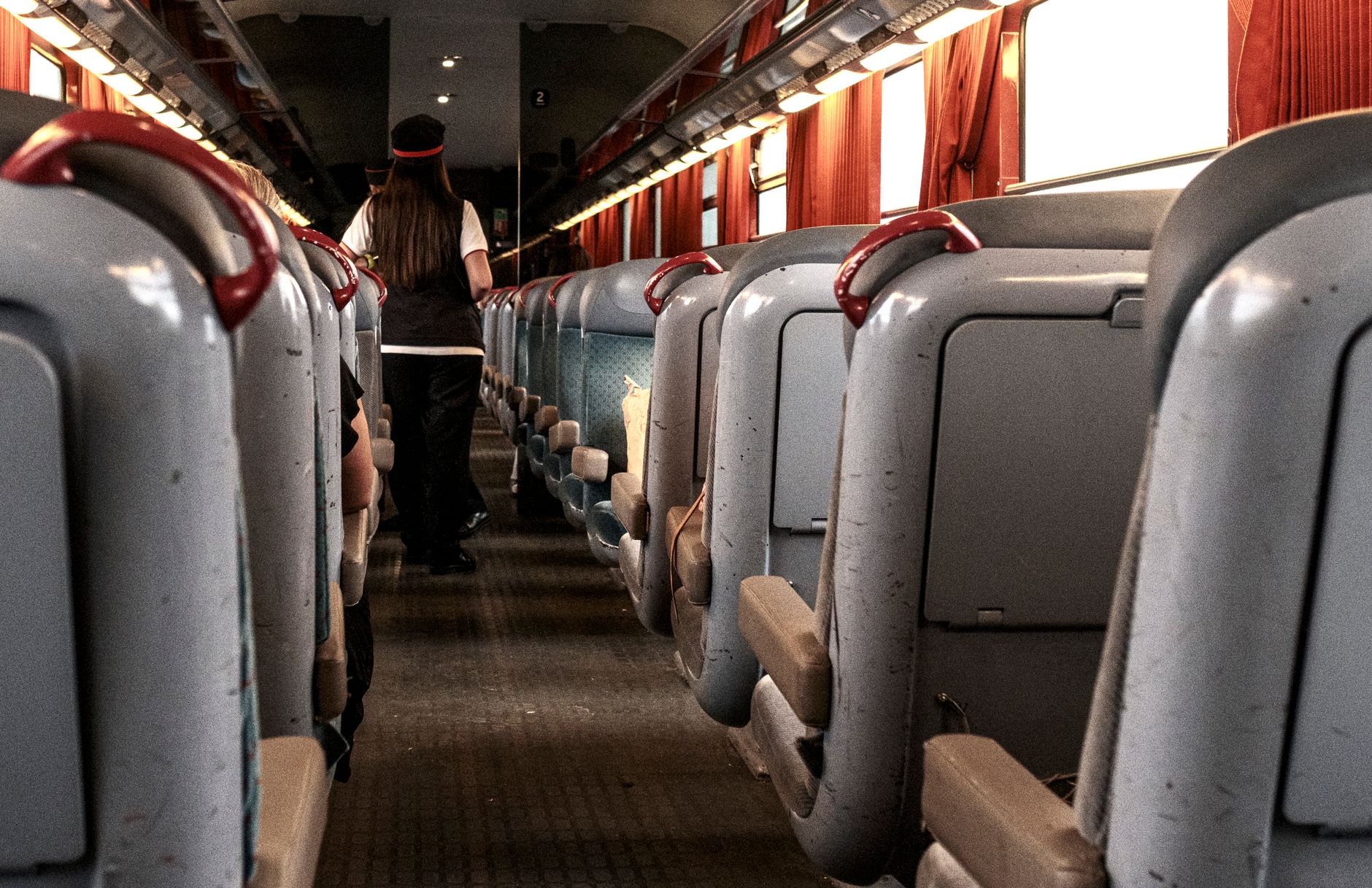
For 36 passengers, the 36-Passenger Mini Coach is the operational middle ground between a 24-passenger mini bus and a 56-passenger motor coach. It provides high-floor seating, coach-style comfort, underfloor luggage bays, and a more manageable exterior for a medium group with overnight bags. It is a good match for a Charleston group tour, but downtown loading zones, historic streets, hotel driveways, and venue parking still need a route check. If the group carries bulky gear, has substantial luggage, or wants spare seats for escorts, compare the capacity and cargo layout with a larger motor coach before booking.
| Vehicle | Seats | Best For | Notes |
|---|---|---|---|
| 36-Passenger Mini Coach | Up to 36 passengers | Use it when the confirmed group is near 36 and the itinerary mixes intercity travel, hotel transfers, and Charleston sightseeing. | High-floor motor coach with coach-style seats and underfloor luggage bays; best balance for a full group with ordinary multi-day luggage. |
| 24-Passenger Mini Bus | Approximately 18-24 passengers | Use it when the group is materially smaller than 36 and street access matters more than maximum cargo space. | Smaller profile can simplify some hotel and venue approaches, but luggage capacity and ride comfort are usually below a full mini coach. |
| 56-Passenger Motor Coach | Approximately forty-eight to 56 passengers | Use it when the roster exceeds mini-coach capacity, luggage is heavy, or a large delegation needs spare seats. | More seating and cargo reserve for large groups, but its length and turning radius require stricter parking, curb, and oversize-route planning. |
| Executive Sprinter Van | Approximately 10-14 passengers | Use it for a small leadership party, airport transfer, or scout vehicle rather than the main Charleston movement. | Comfortable for small executive groups and short transfers, but limited luggage volume and seating make it unsuitable for a full 36-passenger group tour. |
Routing, Timing, and On-the-Road Realities
Approach timing depends heavily on the corridor and the pickup window. From Charlotte or points west, the run generally follows I-26, while Raleigh and Richmond groups may use I-95 and regional connectors before entering the Charleston area. From Atlanta, the driver typically plans for I-20 and I-26 with weather, construction, and urban congestion contingencies. Avoid scheduling a fixed downtown arrival immediately after a long interstate leg; build in a rest stop, meal break, and a buffer for baggage handling. Morning arrivals into the Historic District should use approved bus routes and designated loading areas rather than informal curb stops. A 36-Passenger Mini Coach is easier to position than a 56-passenger motor coach, but it still needs clearance for turns, mirrors, passenger boarding, and nearby pedestrian traffic.
Charleston city touring requires advance operational coordination. The city identifies designated bus loading and unloading zones, requires applicable bus-tour and parking permits, and directs buses onto an approved route for larger vehicles. Applications should be submitted at least 48 hours before the event, although earlier preparation is preferable during festivals, wedding weekends, and convention periods. Residential-area motorized touring restrictions affect evening plans, so a narrated downtown loop should not be scheduled as if every street is available at every hour. Plan a secure parking location while passengers visit the Historic District, then use one controlled pickup window instead of repeated curb circulation. Driver hours must include pre-trip inspection, loading, baggage handling, waiting while responsible for the vehicle, and repositioning; a long first day may require a second driver or an overnight break.
What This Typically Costs
A Charleston group tour using a 36-Passenger Mini Coach is usually quoted from a daily vehicle minimum, then adjusted for mileage, total service hours, and any deadhead from the motor coach base to pickup and back. Multi-day work commonly carries a driver overnight and lodging allowance, with the carrier either arranging rooms or passing through approved lodging costs. Rates are typically higher in spring, fall, holiday periods, Spoleto Festival USA dates, major wedding weekends, and large convention windows. Ask for a written breakdown showing vehicle days, minimum hours, revenue miles, deadhead miles, tolls, parking, driver lodging, fuel adjustments, and taxes or service fees. Driver gratuity is commonly separate and should be budgeted as a customary percentage or per-day amount rather than assumed to be included. In most markets, a multi-day Charleston charter commonly runs a few thousand dollars per operating day before unusual mileage, premium dates, or extensive deadhead, so the final range depends more on the full itinerary than on passenger count alone.
Frequently Asked Questions
Is a 36-Passenger Mini Coach the right vehicle for 36 travelers?
A 36-Passenger Mini Coach is a strong fit for 36 passengers when the group needs a high-floor motor coach with coach-style seats and underfloor luggage bays, but does not need the footprint of a full-size 56-passenger bus. It leaves little room for extra passengers, so confirm the headcount includes tour staff, guides, and any late additions. It works especially well for hotel-to-venue movements, regional sightseeing, and a multi-day group tour with moderate luggage. For bulky equipment, mobility devices, or unusually large luggage loads, a larger motor coach or separate support vehicle may be safer.
How many days should a Charleston group tour take?
A practical Charleston group tour is usually three to five days, depending on the origin city and whether the itinerary includes the Lowcountry beyond downtown. Day 1 should allow travel, a controlled meal stop, hotel check-in, and a first stop such as the Charleston Visitor Center area, Waterfront Park, or an evening group meal. Days 2 through 4 can cover the Historic District, Fort Sumter access planning, Patriots Point in Mount Pleasant, Boone Hall or Magnolia Plantation, and a scheduled harbor or carriage experience where permitted. A fifth day is useful when the group is traveling from farther inland or adding Beaufort, Kiawah, or Hilton Head. The 36-Passenger Mini Coach should not be dispatched between every stop without accounting for loading time and downtown curb restrictions.
What are the best months for a Charleston group tour?
Charleston is generally easiest for group touring in March through May and October through early November, when temperatures are more manageable and outdoor walking is practical. Spring can overlap with Spoleto Festival USA, weddings, school trips, and weekend event demand, so hotel and motor coach availability should be checked early. September can offer lower shoulder-season pressure but carries heat, humidity, and hurricane-weather risk. Summer is workable for air-conditioned touring but requires earlier outdoor starts, hydration planning, and realistic loading time. December can suit holiday programs, although weekends and special events still create concentrated traffic and lodging demand.
Does a 36-Passenger Mini Coach need a permit in Charleston?
The City of Charleston requires bus-tour and parking permits for motor coach parking in the Historic District and for vehicles engaged in touring for hire. The city provides designated bus loading and unloading areas, requires buses to follow an approved route, and asks for applications at least 48 hours before the event. A city tour guide is required when touring Charleston by motorized vehicle under the city guidance. Residential-area touring restrictions also affect evening movements, with prohibited periods varying between standard time and daylight-saving time. The operator should verify current permit instructions, route approval, curb access, and venue-specific rules before the 36-Passenger Mini Coach arrives.
How do driver hours affect a multi-day Charleston itinerary?
Driver hours are planned under passenger-carrier rules, not simply by the number of miles on the itinerary. After at least 8 consecutive hours off duty, a driver may generally drive up to 10 hours and may not remain on duty beyond 15 hours before another qualifying rest period. Loading passengers, handling baggage, fueling, inspections, and waiting while responsible for the vehicle can affect the duty calculation. A long day that combines an out-of-town pickup, downtown Charleston touring, and a late return may require a second driver, a split itinerary, or an overnight stop. A driver can only take meaningful off-duty time when relieved of responsibility for the motor coach, passengers, baggage, and related duties.
Where should a Charleston group stay with a motor coach?
Hotels should be staged around the route rather than selected only by room rate. Downtown properties near the Historic District can reduce passenger transfers but may have limited bus access, tight curb space, and restricted overnight parking. Mount Pleasant, West Ashley, North Charleston, and airport-area hotels often provide easier motor coach circulation and larger parking areas, although they add transfer time to downtown stops. A group tour may use North Charleston or Mount Pleasant as a base for Patriots Point and regional departures, then schedule a controlled downtown drop and pickup. Confirm bus parking, room block terms, breakfast timing, loading location, and whether the hotel permits overnight vehicle storage in writing.
What information is needed to quote this Charleston trip?
Give the broker the pickup address, dates, passenger count, luggage estimate, preferred departure window, hotel, and every planned stop. Include whether the group needs a step-free boarding arrangement, wheelchair storage, a restroom, onboard entertainment, or a guide seat. Charleston routing should identify which stops require advance reservations, city permits, designated bus parking, or a timed loading window. A written confirmation should identify the vehicle class, operating days, pickup and drop-off instructions, driver lodging responsibility, cancellation terms, and known parking or toll charges. The schedule can normally be quoted within 4 business hours when the itinerary and pickup details are complete, with final operating instructions issued after venues and hotels confirm access.
How to Book
To book, provide the travel dates, pickup address, confirmed headcount, luggage estimate, hotel, and a stop-by-stop itinerary with desired arrival and departure times. Note any accessibility needs, tour guides, event tickets, meal reservations, and whether the group expects downtown Charleston loading or overnight bus parking. US Bus Trips can generally return a realistic quote within 4 business hours when these details are complete, including the proposed vehicle, operating days, mileage assumptions, deadhead, parking, driver lodging, and cancellation terms. Reach us with the itinerary and dispatch details so the motor coach plan can be checked against venue access and driver hours before confirmation.
Related Trips You Might Also Consider
- Shenandoah — 36-Passenger Mini Coach
- New Orleans Mardi Gras — 14-Passenger Sprinter
- Hershey — 36-Passenger Mini Coach
- Sports Team Travel — Northeast Region
- Mesa Verde — 56-Passenger Motor Coach
- Choir Competition — South Central Region
- Cross-Country Charter Bus Overview
- All Group Trip Types
- See the Full Fleet (Sprinters through 56-pax coaches)
- Get a Free Quote in 60 Seconds