
A Grand Teton group tour works best when the coach plan is built around road access, oversized parking, lodging, and driver duty time from the start.
Overview
A Grand Teton group tour is usually a western corridor operation rather than a simple local shuttle. Groups commonly originate in Salt Lake City, Boise, Denver, Idaho Falls, Pocatello, or farther east, then use I-15, I-80, US 26, US 89, and US 191 to stage near Jackson or the park's south and east approaches. A 56-Passenger Motor Coach is well suited to that distance because passengers stay together and luggage rides in the underfloor bays. Day 1 often includes a long highway movement, a meal stop, and an overnight before the group enters the park. The final schedule must account for fuel, restroom breaks, road work, weather, and the driver's legal duty window.
The park's most useful full-coach stops are usually the accessible visitor centers, concession facilities, paved turnouts, and confirmed oversized parking areas rather than every trailhead shown on a sightseeing map. A practical loop may include Moose, Jenny Lake area access, Jackson Lake, Signal Mountain, Oxbow Bend, and Moran Junction, with short walks arranged after the coach is safely parked. Small access roads such as Moose-Wilson and individual trailhead approaches can be seasonal, narrow, unpaved, or unsuitable for a 56-Passenger Motor Coach. The National Park Service lists commercial group-tour conditions, including entrance charges based on manufactured seating capacity. Commercial tour buses and vehicles over 26,000 pounds GVW must shut off engines while loading, unloading, or parked.
Lodging is often staged in Jackson, Teton Village, Moran, Driggs, Idaho Falls, or other corridor towns depending on budget and availability. Jackson is the most convenient base for southern park touring but can create high summer rates, limited bus parking, and strict loading windows. Moran and northern staging can reduce daily backtracking for groups continuing toward Yellowstone, although hotel inventory and coach access must be confirmed property by property. Many groups use Idaho Falls or Pocatello for the first or last night when the origin is distant or the budget requires a less compressed market. Event patterns, including summer weddings, rodeo dates, reunions, national-park peak travel, and Yellowstone traffic, can consume rooms and coaches well before the departure date.
Fleet Options
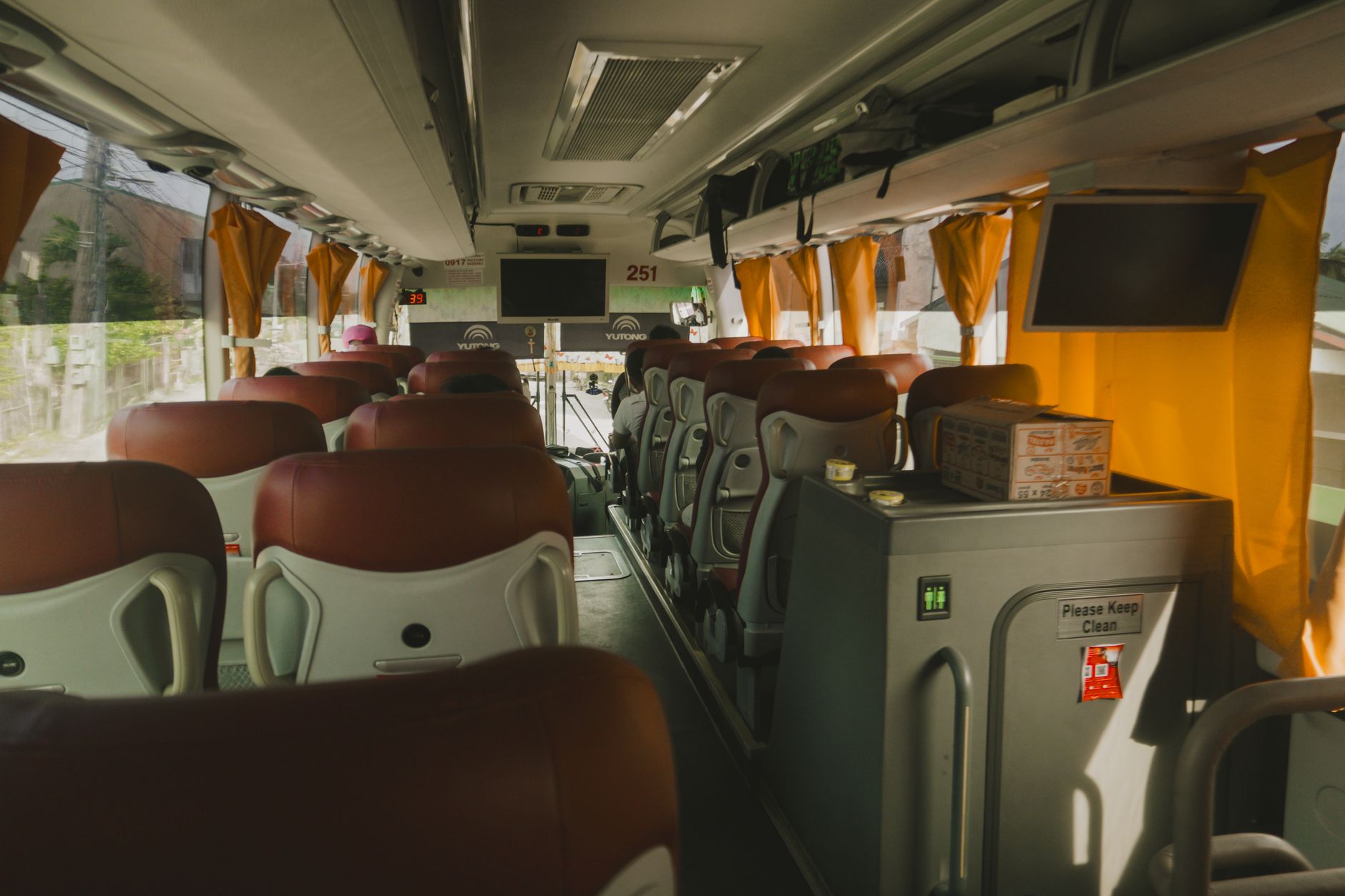
For a full 56-person group, the 56-Passenger Motor Coach is normally the best fit because everyone rides together and the coach carries luggage below while preserving cabin space. It is designed for long-haul comfort with reclining seats, overhead storage, a restroom, and common entertainment or charging equipment. A 56-Passenger Motor Coach needs confirmed bus access at hotels, restaurants, visitor centers, and staging lots because Jackson and park parking can be tight. If the headcount is lower, the luggage is light, or the route includes narrow downtown streets and small trailhead lots, a mini coach or executive Sprinter may produce a cleaner operating plan.
| Vehicle | Seats | Best For | Notes |
|---|---|---|---|
| 56-Passenger Motor Coach | Up to 56 passengers | Use it when a full group needs to stay together for a multi-day Grand Teton tour with substantial luggage and long highway segments. | Best long-haul comfort and cargo capacity, with reclining seats, restroom, overhead storage, and underfloor luggage bays; requires oversized parking and wide access. |
| 40 to 50 Passenger Motor Coach | 40 to 50 passengers | Use it when the group is below full capacity but still needs underfloor bags, restroom access, and one-coach travel. | Provides similar highway comfort with slightly easier loading and parking, but luggage capacity and seat count should be checked against the final manifest. |
| 24 to 35 Passenger Mini Coach | 24 to 35 passengers | Use it for a medium-size group with moderate luggage or an itinerary that mixes highways with tighter access roads. | More manageable at smaller hotels and tighter local approaches, though cargo space and onboard amenities vary significantly by model. |
| Executive Sprinter Van | 10 to 14 passengers | Use it for a small leadership group, airport transfer, support vehicle, or split operation rather than a full 56-person group tour. | Fits compact pickups and small parking areas well, but luggage space, aisle room, and passenger comfort are limited for long multi-day mileage. |
Routing, Timing, and On-the-Road Realities
For a typical multi-day group tour from Salt Lake City or Boise, Day 1 is a travel day toward Idaho Falls or Jackson, with a planned meal and fuel stop rather than an unrealistic nonstop push. Day 2 can enter from the south, use the Moose corridor, and place the group at accessible stops before returning to Jackson. Day 3 can run the Jackson Lake, Signal Mountain, Oxbow Bend, and Moran Junction corridor, subject to current road and construction conditions. If Yellowstone is included, the coach needs a separate northern staging and border-crossing plan instead of assuming one Grand Teton loop can cover both parks efficiently. Early departures help with wildlife traffic and limited oversized spaces, but the driver still needs a legal rest and break plan. Build loading windows at hotels because downtown Jackson curb space is not a substitute for a confirmed bus staging location.
A 56-Passenger Motor Coach should approach the park on major highways and use only roads and lots confirmed for its dimensions, turning radius, and weight. The Teton Park Road and Moose-Wilson Road have seasonal closures, while secondary roads and access points can close based on snow, construction, or local conditions. Current National Park Service information identifies possible delays on US 26, 89, and 191 south of Moran Junction and at the Moose entrance area during construction periods. The dispatcher should leave recovery time for entrance lines, wildlife-related slowdowns, meal loading, restroom queues, and road work. Driver hours include more than wheel time: inspections, fueling, passenger loading, waiting, and securing luggage count toward the operating day. If the origin is distant or the sightseeing day is long, a second driver or an additional overnight may be safer and more economical than compressing the schedule.
What This Typically Costs
A 56-Passenger Motor Coach is usually quoted from a daily minimum plus mileage, with the final price shaped by the number of service days, total route miles, and any deadhead from the coach's home market. In most markets, a multi-day group tour commonly runs a few thousand dollars per service day before long-distance mileage, lodging, taxes, and venue charges. Summer, holiday weekends, Jackson lodging compression, and major events can create seasonal peaks, while shoulder-season departures may have better coach availability. Ask the quote to separate revenue miles, deadhead miles, driver overnight lodging, parking, tolls, park entrance charges, and any fuel adjustment. Driver gratuity is commonly a separate line item or customer-paid percentage, and cancellation, layover, cleaning, and extra-hour terms should be visible before signing. A low base rate can change materially when the itinerary requires a long empty reposition, a second driver, or an overnight return.
Frequently Asked Questions
How many days should a Grand Teton group tour take?
For most groups, plan four to six days from a regional origin, with five days giving the driver enough room for a useful park schedule instead of a windshield-heavy itinerary. Day 1 is commonly a travel day with a lunch stop and an overnight near Idaho Falls, Pocatello, Salt Lake City, or Jackson depending on the origin. Two or three full days can cover Moose, Jenny Lake, String Lake, Signal Mountain, Jackson Lake, Oxbow Bend, and Moran Junction without forcing every stop into one loop. A seventh day makes sense for a distant origin, Yellowstone extension, rafting, or a slower senior and family group tour.
What are the best months for a Grand Teton group tour?
The most practical window for a 56-Passenger Motor Coach is generally late May through September, when the park has its broadest road and facility access. June and September often offer a better operating balance than the busiest July and August dates, but weather and road work still need checking. May can bring snow, wet trails, and partial seasonal operations, while October can have reduced services and changing road conditions. From November through April, several roads and facilities close or operate on reduced schedules, so a standard sightseeing group tour becomes less predictable.
What does a 56-Passenger Motor Coach include?
A 56-Passenger Motor Coach is the workhorse of long-haul group travel: it fits a full group together with reclining seats, overhead storage, a restroom, DVD or USB capability, and luggage bays underneath. It works especially well for alumni groups, church trips, senior tours, family reunions, and packaged multi-day tours carrying checked bags. The tradeoff is its turning radius and height, so it should stay on major highways and confirmed oversized parking areas rather than narrow trailhead roads. A smaller vehicle may be better when the itinerary depends on compact downtown blocks, small lodge drives, or limited parking.
Does a commercial bus need a permit to enter Grand Teton?
Grand Teton commercial group tours using vehicles with manufactured capacity above 15 people generally pay the commercial group tour entrance fee rather than using the small-vehicle guided-tour CUA pathway. The National Park Service states that commercial group tours must follow park regulations and conditions, and the pass authorizes stops at visitor centers, concession facilities, and paved turnouts. The fee is based on the vehicle's manufactured seating capacity, so a 56-Passenger Motor Coach should be quoted in the applicable large-capacity category. Confirm current fees and operating conditions before departure because park rules, construction, and seasonal restrictions can change.
Where can a 56-Passenger Motor Coach park in Grand Teton?
Commercial group tours should use only approved paved turnouts, visitor-center facilities, concession areas, and parking spaces that can accept an oversized vehicle. The park publishes oversized-space information, but availability is not the same as a reserved space, so the driver should arrive early and keep loading controlled. Vehicles over 26,000 pounds GVW and commercial tour buses must shut off the engine while loading, unloading, or parked. Do not plan a 56-Passenger Motor Coach around narrow trailhead lots or assume that every scenic pullout can handle a full-size coach. The operations team should verify the current park parking page, road conditions, and any construction detours before finalizing the loop.
Can a motor coach drive all the scenic roads in Grand Teton?
A typical routing plan uses US 26, US 89, and US 191 to approach Jackson, Moran Junction, and the park's main corridors. The Teton Park Road, Moose-Wilson Road, Antelope Flats Road, Schwabacher Landing access, and other secondary roads can have seasonal closures, size constraints, or conditions that make them unsuitable for a full coach. Winter wheeled-vehicle access is restricted on portions of roads that transition to oversnow recreation, so a normal sightseeing itinerary should not be promised outside the operating season. Construction south of Moran Junction and near Moose can add delays, and WYDOT and park updates should be checked shortly before movement. The dispatcher should build an alternate outer-park route rather than relying on a single scenic road.
How do driver hours affect a Grand Teton group tour?
Federal hours-of-service rules still govern the driver even when the group wants an early wildlife departure and a late dinner return. A single driver generally needs a compliant rest break and daily and weekly limits, while a long origin or tightly packed sightseeing loop may require a second qualified driver. The quote should distinguish driving time from on-duty time because loading, fueling, inspections, traffic, and waiting at venues consume the duty window. For a multi-day group tour, the driver usually needs a clean hotel room with reasonable bus parking, and the itinerary should avoid treating the coach as available around the clock. Build pickup windows around the route, not around an optimistic map estimate.
How to Book
To book, have the travel dates, pickup address, passenger count, luggage estimate, hotel plan, and must-see stops ready, along with whether the group needs a Yellowstone extension or airport transfer. Send the full itinerary even if it is still a draft; a dispatcher can identify coach access, overnight staging, duty-time conflicts, and likely deadhead before pricing is finalized. US Bus Trips typically returns a quote within 4 business hours when the dates and origin are clear. Confirmation should identify the vehicle class, service dates, pickup and drop-off points, driver plan, included mileage, lodging and parking assumptions, cancellation terms, and any fuel or gratuity line items. Reach us with the itinerary and a reachable trip contact so changes can be handled before the coach is dispatched.
Related Trips You Might Also Consider
- Choir Competition — South Central Region
- Sports Team Travel — Mid-Atlantic Region
- Agriculture FFA/4-H — Midwest Region
- Branson — 36-Passenger Mini Coach
- Henderson, NV to Phoenix, AZ
- Philadelphia, PA to New York, NY
- Cross-Country Charter Bus Overview
- All Group Trip Types
- See the Full Fleet (Sprinters through 56-pax coaches)
- Get a Free Quote in 60 Seconds